
Fresh juice provides more naturally occurring vitamins and minerals without the added sugars and preservatives common in store-bought varieties. Making juice at home allows you to avoid artificial additives while retaining natural electrolytes for superior hydration and nutrient density. This control over ingredients leads to a cleaner beverage that can provide a natural energy boost compared to processed alternatives.
Thinking about juice? You might wonder about the difference between fresh juice you make yourself and the kind you buy in a bottle. It can seem like a lot to take in, especially if you’re new to this.
But don’t worry! We’ll make it super simple to see why fresh juice is often a better choice. Get ready to learn about the 9 Benefits of Fresh Juice vs Store-Bought, and we’ll show you how easy it is to start enjoying it.
We’ll cover everything you need to know to make smart juice choices!
Key Takeaways
- Fresh juice offers more natural vitamins and minerals.
- Store-bought juices often contain added sugars and preservatives.
- Making your own juice lets you control the ingredients completely.
- Fresh juice supports better hydration with natural electrolytes.
- You can avoid artificial colors and flavors found in many store juices.
- Fresh juice can boost your energy levels naturally.
Fresh Juice: What Makes It Special?
The Goodness of Fresh Ingredients
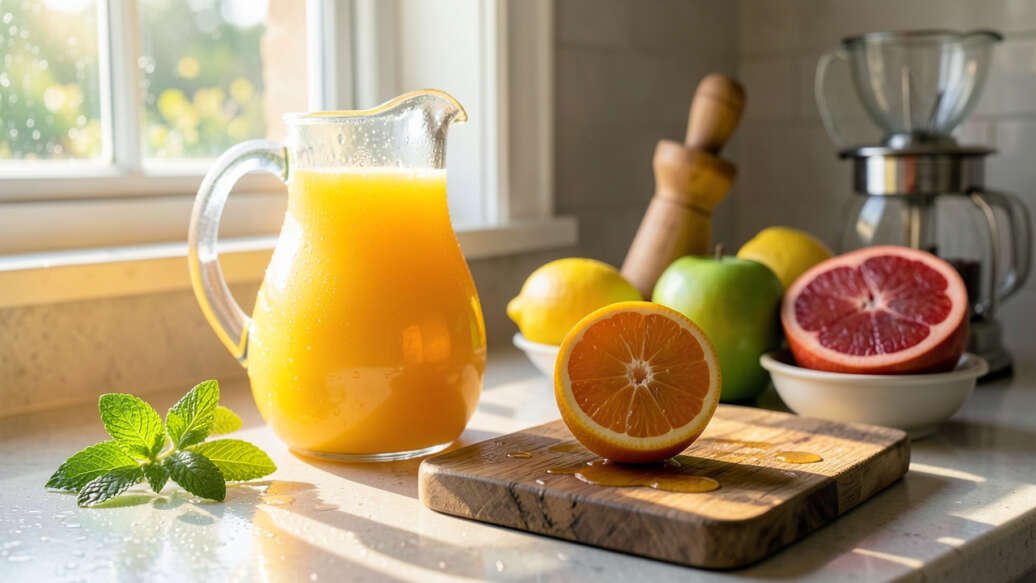
When you make juice at home, you’re using fruits and vegetables picked at their best. This means they have the most vitamins, minerals, and antioxidants. Think of a bright orange, a crisp apple, or a leafy green like spinach.
When you juice them right away, you capture all their natural goodness. This is a big difference from juice that travels a long way and sits on shelves.
Vitamins and Minerals Galore
Fresh juice is packed with nutrients your body needs. Vitamin C, Vitamin A, potassium – these are just a few examples. These nutrients help your body work well, keep your immune system strong, and give you energy.
Store-bought juices might have some vitamins added back in, but they are often not as complete or as easy for your body to use as those from fresh produce.
Natural Energy Boost
Feeling tired? Fresh juice can be a fantastic natural pick-me-up. The natural sugars in fruits provide quick energy without the crash you might get from sugary snacks or drinks.
Plus, the vitamins and minerals help your body use that energy more effectively. It’s like giving your body a clean, healthy fuel source.
Hydration Powerhouse
Juice is mostly water, so it helps you stay hydrated. But fresh juice goes a step further. It contains natural electrolytes from the fruits and vegetables, which help your body absorb water better.
This is especially helpful after exercise or on a hot day. You’re not just getting fluids; you’re getting fluids that work smarter for you.
Say Goodbye to Added Sugars
One of the biggest pluses of fresh juice is that you don’t need to add sugar. Fruits and vegetables are naturally sweet. Many store-bought juices, however, have a lot of added sugar to make them taste better or to extend their shelf life.
Too much added sugar isn’t good for your health, so making your own juice lets you skip that problem entirely.
No Nasties: Preservatives and Artificial Stuff
When you buy juice from a store, you might find ingredients like preservatives, artificial colors, and artificial flavors. These are added to make the juice last longer and look more appealing. With fresh juice, you know exactly what’s in it – just the fruits and veggies you put in.
This is great for people who want to avoid chemicals and eat cleaner.
Better for Your Digestion
While whole fruits and vegetables are best for fiber, juicing can still be good for digestion. It breaks down the produce, making it easier for your body to absorb the nutrients. For some people, this can be gentler on their stomach than eating large amounts of raw produce.
It’s a way to get vitamins and minerals without too much effort for your digestive system.
Fresh Taste That Can’t Be Beat
Taste is a big one! Freshly squeezed juice simply tastes better. It’s vibrant, clean, and full of flavor.
Store-bought juices can sometimes taste a bit dull or have an aftertaste from processing and added ingredients. When you taste a fresh apple juice versus one that’s been sitting for months, the difference is clear.
Customizable to Your Liking
The best part about making your own juice? You can make it exactly how you like it. Don’t like beets?
Leave them out. Love ginger? Add extra!
You can create endless combinations to suit your taste buds and your health goals. This control over flavors and ingredients is something you just can’t get from a store shelf.
Store-Bought Juice: What to Watch Out For
The Sugar Trap
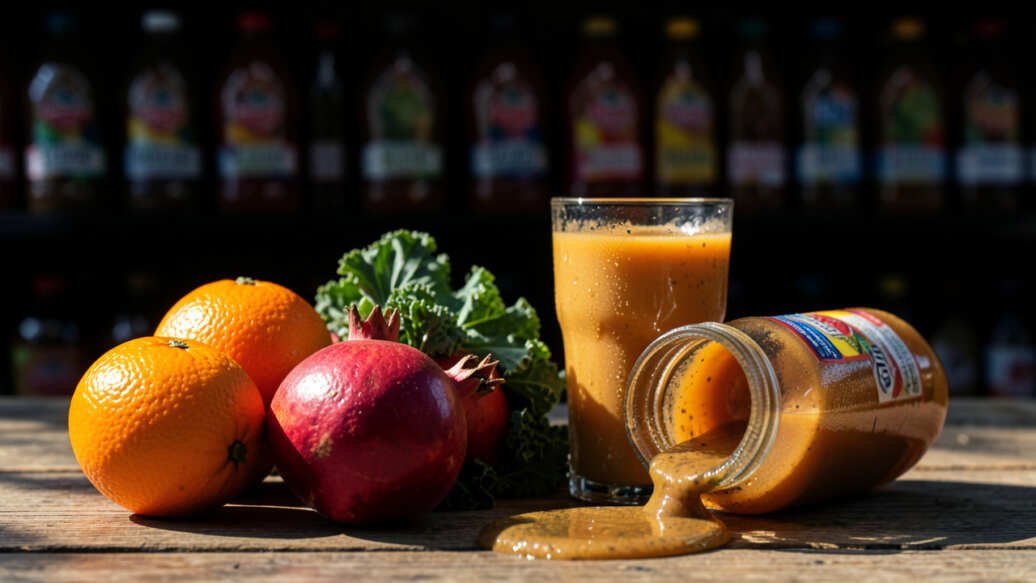
As mentioned, many store-bought juices are loaded with added sugar. This can contribute to weight gain, tooth decay, and other health issues. Even “100% juice” can have a lot of natural sugar, but the added sugar in some drinks makes it much worse.
Always check the label for added sweeteners.
Loss of Nutrients
The juicing and packaging process for store-bought juices can cause a loss of some vitamins and minerals. While companies might add some back, they aren’t always the same as the natural ones that were there originally. Heat used in pasteurization can also reduce the nutritional value.
Preservatives and Additives
To keep juice fresh and appealing for longer, manufacturers often use preservatives. They might also add colors to make the juice look brighter or flavors to enhance its taste. If you’re trying to eat natural, these are things you’d likely want to avoid.
Pasteurization Effects
Most store-bought juices are pasteurized. This means they are heated to kill harmful bacteria. While this makes the juice safe to drink, it can also destroy some of the beneficial enzymes and nutrients in the juice.
It also affects the fresh taste.
Cost Over Time
Buying juice regularly from the store can add up. Over time, the cost of store-bought juices can be quite high. Making your own juice might require an initial investment in a juicer, but in the long run, it can be more cost-effective, especially if you buy produce in season or in bulk.
Frequently Asked Questions
Question: Is fresh juice really healthier than store-bought?
Answer: Yes, generally fresh juice is considered healthier because it contains more natural vitamins, minerals, and enzymes. Store-bought juices often have added sugars, preservatives, and may lose some nutrients during processing.
Question: Can I get enough fiber from fresh juice?
Answer: No, juicing removes most of the fiber from fruits and vegetables. For fiber, it’s best to eat whole fruits and vegetables or add them to your diet alongside juicing.
Question: How long does fresh juice last?
Answer: Fresh juice is best consumed immediately for maximum nutrients and flavor. If you need to store it, keep it in an airtight container in the refrigerator for up to 24-48 hours, but its quality will decrease over time.
Question: What’s the best way to make fresh juice?
Answer: You can use a centrifugal juicer or a masticating juicer. Masticating juicers tend to be more efficient and produce higher quality juice with less oxidation.
Question: Are there any downsides to drinking fresh juice?
Answer: The main downsides are the lack of fiber and the fact that it can be high in natural sugars if you use a lot of sweet fruits. It’s important to drink it in moderation and consider what fruits and vegetables you use.
Final Thoughts
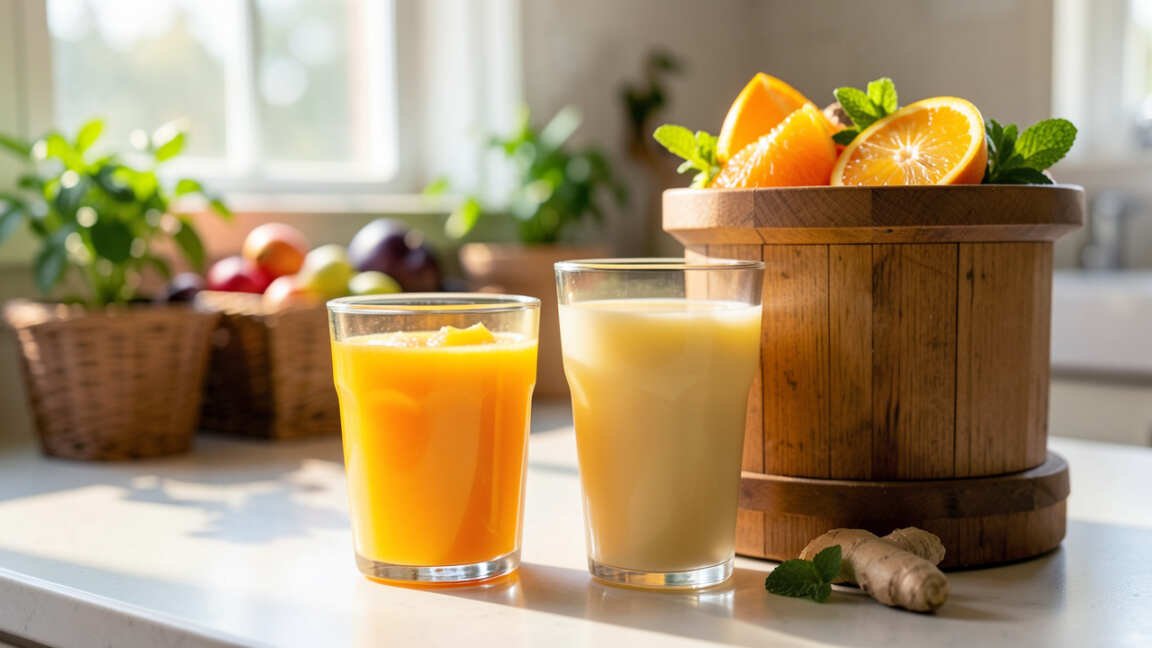
Choosing between fresh and store-bought juice comes down to what you want for your body. Fresh juice brings a burst of natural goodness, packed with vitamins and energy, all without added sugars or artificial stuff. It’s a simple way to give your body what it craves.
You control what goes in, ensuring you get pure, delicious flavor and healthy benefits. Start small with simple combinations. Your body will thank you for the clean, vibrant taste and the natural boost it provides.
Enjoy making your own healthy choices!

![Why Doors Stick And How To Fix Them Fast[1]](https://creativehouseblog.com/wp-content/uploads/2026/05/Why_Doors_Stick_And_How_To_Fix_Them_Fast1-768x403.jpg)
![Bread Maker Settings Explained Simply (2)[1]](https://creativehouseblog.com/wp-content/uploads/2026/03/Bread_Maker_Settings_Explained_Simply_21-768x448.jpg)
![Troubleshooting Common Espresso Machine Issues[1]](https://creativehouseblog.com/wp-content/uploads/2026/03/Troubleshooting_Common_Espresso_Machine_Issues1-768x448.jpg)
![How to Clean Gutters Safely Without Hiring Anyone[1]](https://creativehouseblog.com/wp-content/uploads/2026/05/How_to_Clean_Gutters_Safely_Without_Hiring_Anyone1-768x403.jpg)
![How To Clean A Blender Fast And Easy[1]](https://creativehouseblog.com/wp-content/uploads/2026/03/How_To_Clean_A_Blender_Fast_And_Easy1-768x448.jpg)
![What Can You Make With A Stand Mixer[1]](https://creativehouseblog.com/wp-content/uploads/2026/03/What_Can_You_Make_With_A_Stand_Mixer1-768x448.jpg)