The most common juicing mistakes that waste ingredients involve discarding edible and nutritious parts of produce, such as peels, rinds, and stems, which many people incorrectly assume are unusable. Specifically, these include throwing away citrus peels, cucumber skins, melon rinds, and the stems of leafy greens that contain valuable nutrients and fiber. Avoiding these errors allows you to significantly increase your juice yield from the same amount of produce, reducing food waste and maximizing the health benefits of your ingredients.
Juicing at home can be a healthy habit, but sometimes we accidentally toss out good parts of our produce. It’s easy to make mistakes, especially when you’re new to juicing. We all want the most out of our fruits and veggies.
This guide will show you the 7 Juicing Mistakes That Waste Ingredients so you can stop throwing away perfectly good food. We’ll break it down simply, step by step.
Key Takeaways
- Learn which parts of common produce are safe and beneficial to juice.
- Discover how to properly prepare ingredients to maximize yield.
- Understand the role of juicer type in ingredient waste.
- Get tips on using pulp for other recipes.
- Avoid common processing errors that lead to loss.
- Make more juice from the same amount of produce.
Why Do We Waste Ingredients When Juicing?
Understanding Common Pitfalls
Many people start juicing with the best intentions, wanting to make healthy drinks. However, it’s quite common to make small errors that end up costing you valuable parts of your fruits and vegetables. These mistakes aren’t about being careless; they often stem from not knowing the best way to handle certain items.
For example, not everyone knows that the peel of a cucumber or the tops of carrots can often be juiced. Thinking these parts are trash means you’re throwing away nutrients and juice.
The Goal: Maximum Yield
The main goal when juicing is to get as much liquid and as many nutrients as possible from the produce you buy. When you make one of the 7 Juicing Mistakes That Waste Ingredients, you’re not getting your money’s worth. You’re also missing out on potential health benefits.
This happens more than you think, and it can be a little discouraging when you’re trying to be healthy and economical. But don’t worry, these are simple fixes.
Mistake 1: Throwing Away Edible Peels and Rinds
Citrus Peels: More Than Just Zest
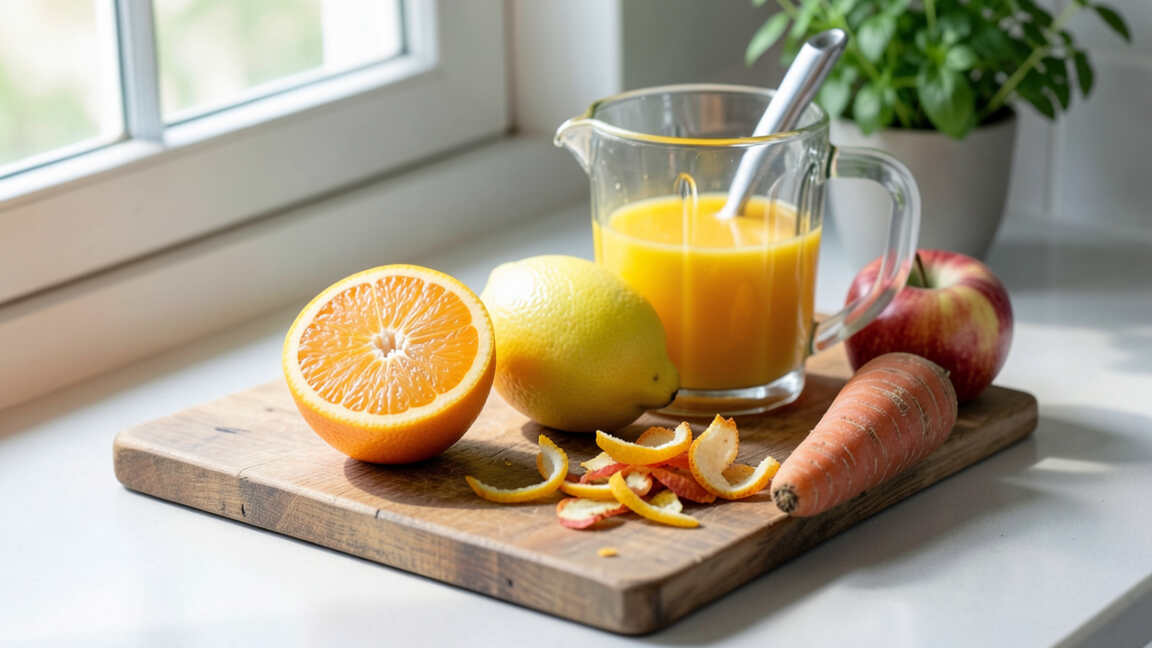
Many people peel oranges, lemons, and grapefruits before juicing. While the thick pith can be bitter, the zest and the thinner parts of the peel are packed with flavor and beneficial oils. You can juice citrus with the peel on, but it’s best to remove any large seeds first.
A small amount of peel can add a wonderful zing to your juice. Just make sure the fruit is washed well. For very thick-skinned citrus, you might want to use less peel to avoid bitterness.
Cucumber and Zucchini Skins
The skin of cucumbers and zucchinis is perfectly fine to juice. It contains fiber and nutrients. Unless they are very waxy or you have concerns about pesticide residues, washing them thoroughly is usually enough.
Cutting off the ends is standard practice, but the rest of the skin should go into the juicer. These veggies are mostly water, and their skins contribute to the overall juice volume.
Melon Rinds
For fruits like watermelon, many people discard the white part of the rind. This white layer is actually hydrating and contains compounds like citrulline. You can juice it, especially if you’re making a refreshing drink.
It’s mild in flavor and adds to the liquid content. For cantaloupe or honeydew, the rind is usually too tough and bitter to juice, but the watermelon rind is a good candidate.
Mistake 2: Discarding Leafy Greens’ Stems
The Power of Stems
When you juice leafy greens like kale, spinach, or chard, you might be tempted to pull off the thicker stems. However, these stems are not just fibrous material; they contain a good amount of nutrients and juice. For most juicers, especially masticating ones, the stems can be easily processed.
If you find the stems too tough or fibrous, you can chop them into smaller pieces before juicing. This will help your juicer handle them better and extract more liquid.
When to Be Cautious
While generally beneficial, some very tough or woody stems might be better removed. Think of very old, thick stems on mature kale. For younger, more tender greens, the stems are usually a great addition.
Experimentation is key. If your juicer struggles, chop them finer. The goal is to extract all the goodness, and those stems are part of it.
Mistake 3: Not Using Produce Tops and Roots
Carrot and Beet Greens
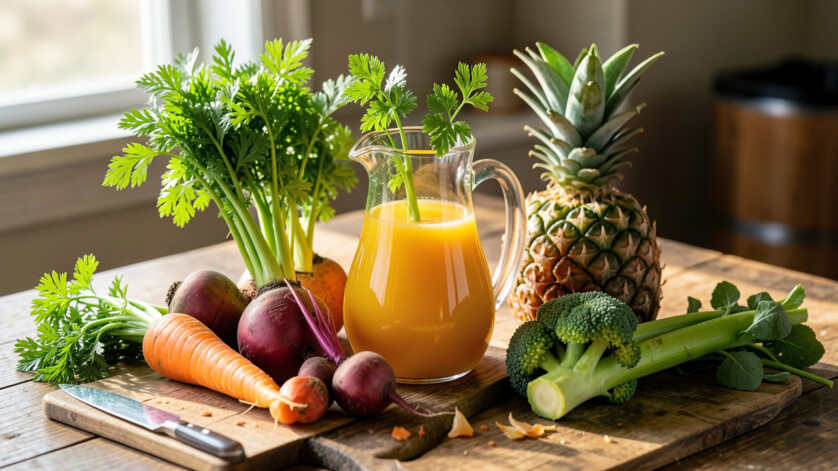
The leafy tops of carrots and beets are often thrown away. This is a big mistake! These greens are nutrient-dense, similar to other leafy greens.
Carrot tops have a slightly bitter, earthy flavor, and beet greens are very nutritious and a bit like Swiss chard. Wash them thoroughly and add them to your juicer. They can add a unique flavor profile and a boost of vitamins and minerals to your juice.
Radish and Turnip Tops
Similarly, the greens from radishes and turnips can be juiced. They offer a peppery kick that can be quite invigorating in a juice blend. Just be mindful of their potency; you might want to use them in smaller amounts initially until you get used to the flavor.
Proper washing is essential to remove any dirt.
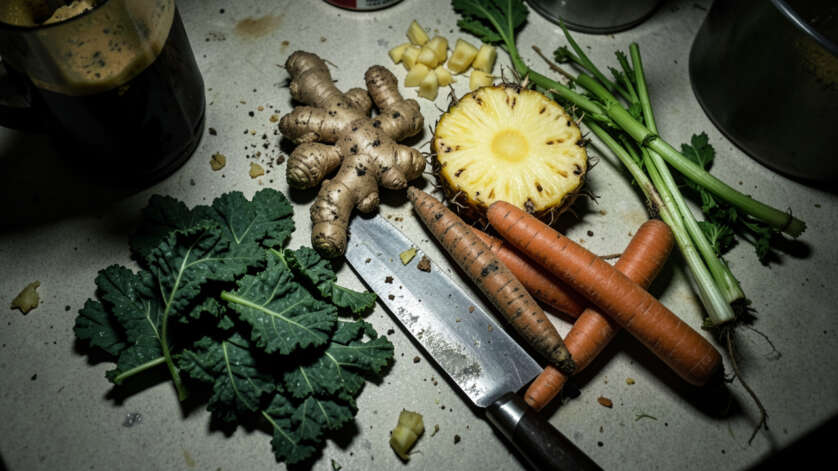
Mistake 4: Incorrectly Preparing Ingredients
Washing is Crucial
This might seem obvious, but proper washing is key. For organic produce, washing under cold running water is often enough. If you’re concerned about pesticides on conventionally grown produce, you can use a produce wash or a mixture of vinegar and water.
For certain items like apples or pears, you might choose to peel them if you’re not using organic. But for many fruits and vegetables, the skins are where much of the good stuff resides.
Seed Removal: When and Why
Some seeds, like those in apples or pears, contain cyanide compounds and can give your juice a bitter taste. It’s generally a good idea to remove these larger seeds. However, smaller seeds, like those in berries or cucumbers, are usually fine to leave in.
Grape seeds can be juiced, but they might impart a slight bitterness. Always remove pits from stone fruits like peaches, plums, and cherries, as they are toxic.
Cutting Techniques
How you cut your produce can affect how well your juicer extracts juice. For fibrous ingredients like celery or ginger, cutting them into smaller, manageable pieces helps the juicer process them efficiently. For root vegetables, cutting them into lengths that fit your juicer chute is standard.
For leafy greens, bunching them together can help them feed into the juicer more smoothly. Avoid overcrowding the chute, as this can lead to less efficient juicing.
Mistake 5: Over-Reliance on Juicer Type
Centrifugal vs. Masticating Juicers
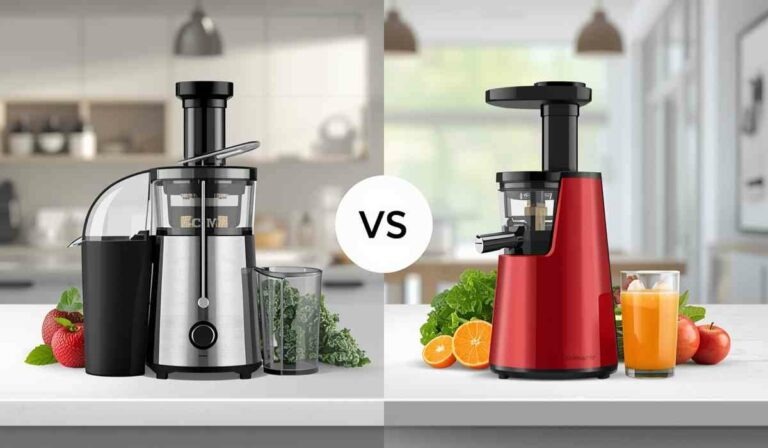
The type of juicer you have can influence how much waste you generate. Centrifugal juicers are fast but can sometimes overheat the juice and leave more pulp behind, meaning less juice yield. Masticating (or slow-masticating) juicers tend to extract more juice and are better at handling leafy greens and fibrous ingredients.
If you have a centrifugal juicer and find you’re getting a lot of wet pulp, you might be able to run that pulp through a second time or use it differently.
Using the Pulp
Don’t forget about the pulp left behind! Instead of throwing it away, you can use it to make things like veggie burgers, crackers, muffins, or even add it to your compost bin. This turns what would be waste into a valuable resource.
If you’re not using a masticating juicer, the pulp will be wetter, but it can still be dried out for use in baked goods or added to other dishes.
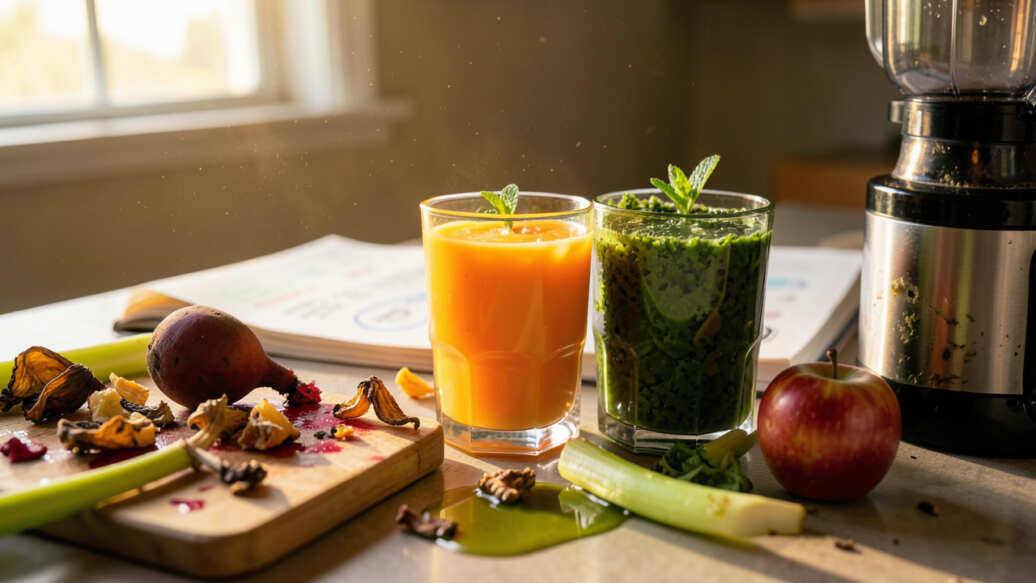
Mistake 6: Not Combining Ingredients Wisely
Balancing Flavors and Textures
Some ingredients are juicier than others. For example, cucumbers, celery, and watermelon are very watery. Leafy greens and apples also yield a good amount of juice.
Ingredients like ginger or carrots might produce less liquid but add intense flavor and nutrients. If you only juice dry ingredients, you’ll end up with a lot of pulp and very little juice. Mixing high-yield items with lower-yield, high-flavor items is key.
Pre-Processing for Better Yield
For example, if you’re juicing hard fruits like apples or pears, you might want to alternate them with softer, juicier items like cucumber or celery. This helps push the harder produce through the juicer more efficiently. For leafy greens, rolling them into a tight bundle before inserting them can help them feed into the juicer more smoothly and prevent them from getting caught.
Also, for fruits like pineapples, removing the tough core can be beneficial if your juicer struggles with it.
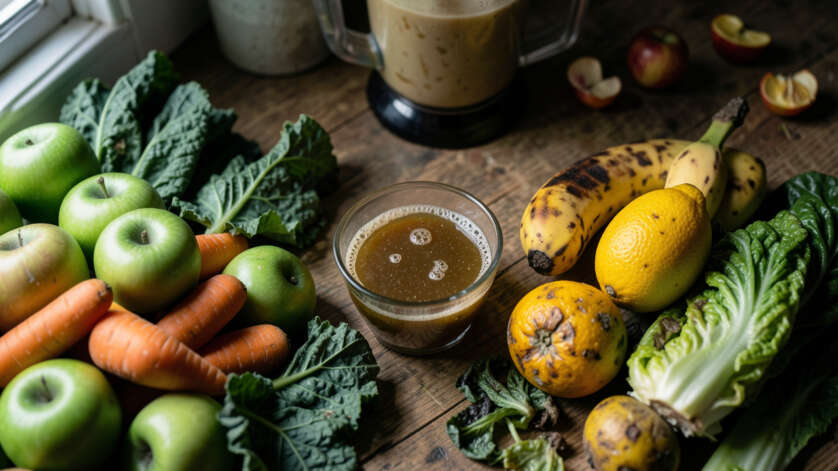
Mistake 7: Juicing Stale or Overripe Produce
Freshness Matters
Produce that is past its prime might not yield as much juice. While it’s good to use up what you have, very overripe fruits can become mushy and harder to juice effectively. They might also develop off-flavors.
Similarly, produce that is starting to wilt will have less water content. Aim to juice produce when it’s fresh and firm for the best results and the most juice.
Storage Tips
To avoid wasting ingredients due to spoilage, store your produce correctly. Keep most fruits and vegetables in a cool, dark place or in your refrigerator. Learn which items benefit from refrigeration and which are better left at room temperature.
Use older produce first. If you find yourself with too much produce, consider freezing some of it for later use in smoothies or juices. Proper storage ensures you can use your ingredients at their peak.
Frequently Asked Questions
Question: Can I juice the seeds of apples?
Answer: It’s generally best to remove apple seeds before juicing. They contain small amounts of cyanide and can make your juice taste bitter. A simple coring of the apple before slicing is usually enough.
Question: What about the core of an apple? Can I juice that?
Answer: The core itself is mostly tough material and won’t yield much juice. It’s usually best to discard the core and seeds and juice the flesh of the apple.
Question: Is it okay to juice broccoli stems?
Answer: Yes, broccoli stems are edible and can be juiced. They are nutritious and add a slightly different flavor than the florets. Make sure to wash them well and cut them into manageable pieces for your juicer.
Question: How do I clean my juicer effectively?
Answer: Most juicers come with a cleaning brush. It’s best to clean your juicer immediately after use. Disassemble the parts, rinse them with warm water, and use the brush to scrub away any pulp or residue.
Some parts may be dishwasher safe, but check your manual.
Question: What if my juicer struggles with leafy greens?
Answer: If you have a centrifugal juicer, it might struggle with leafy greens. Try bunching them tightly or alternating them with a juicier fruit or vegetable, like an apple or cucumber. Masticating juicers are generally much better for leafy greens.
Final Thoughts
You’ve learned how to avoid the 7 Juicing Mistakes That Waste Ingredients. By using edible peels, stems, and tops, you get more juice and nutrients. Properly preparing your produce ensures you don’t lose good parts.
Your juicer type matters, and so does using the pulp. Combining ingredients wisely and keeping produce fresh also makes a big difference. Now you can juice smarter and waste less.

![Easy Habit Hacks For A Tidy Home[1]](https://creativehouseblog.com/wp-content/uploads/2026/05/Easy_Habit_Hacks_For_A_Tidy_Home1-768x403.jpg)
![What Cookware Works on Induction[1]](https://creativehouseblog.com/wp-content/uploads/2026/03/What_Cookware_Works_on_Induction1-768x448.jpg)
![9 Ways To Reduce Oil Smell When Frying Indoors[1]](https://creativehouseblog.com/wp-content/uploads/2026/04/9_Ways_To_Reduce_Oil_Smell_When_Frying_Indoors1-768x448.jpg)
![What Does a Food Processor Do Explained Simply[1]](https://creativehouseblog.com/wp-content/uploads/2026/03/What_Does_a_Food_Processor_Do_Explained_Simply1-768x448.jpg)
![Smart Ways How to Keep Your Home Cool Without Wasting Energy[1]](https://creativehouseblog.com/wp-content/uploads/2026/05/Smart_Ways_How_to_Keep_Your_Home_Cool_Without_Wasting_Energy1-768x403.jpg)