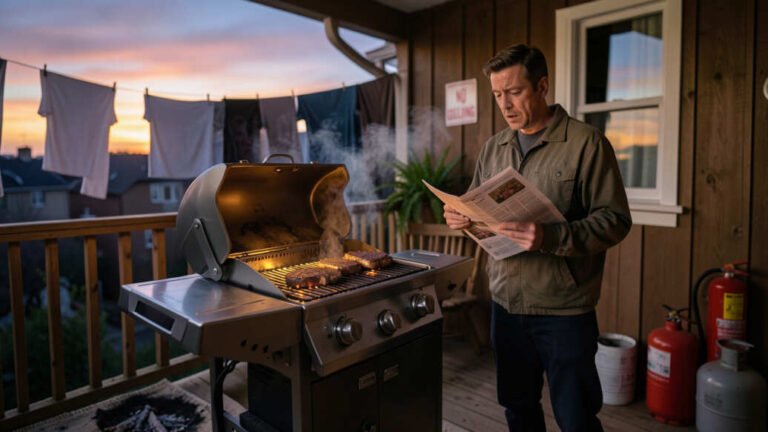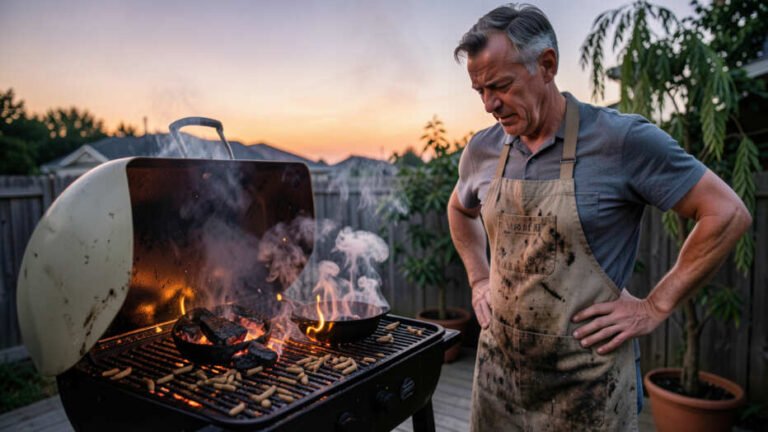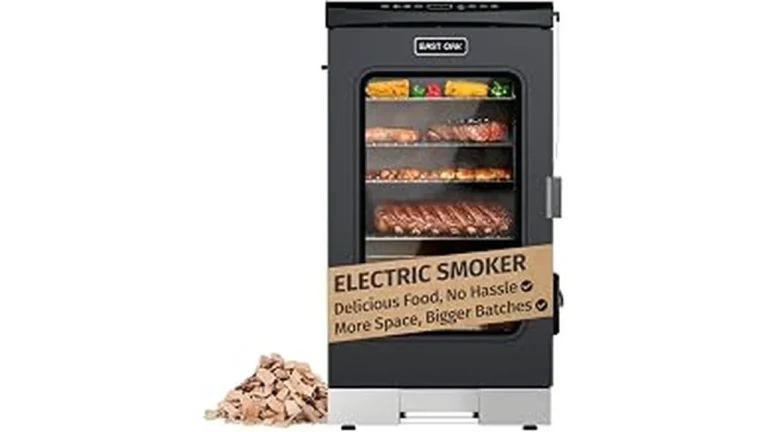
A kamado grill on an apartment balcony is generally not recommended because most fire codes and leases prohibit charcoal grills in multi-unit buildings, and the grill’s heavy weight—often over 200 pounds—can exceed structural limits. Beyond regulatory hurdles, the intense side and bottom heat from a kamado poses a genuine fire risk to wooden decks and nearby surfaces, even with safety gear. For most renters, the safest and most practical alternative is a small gas or electric grill that meets balcony regulations and eliminates the weight and fire concerns.
Kamado grills deliver incredible heat retention and smoky flavor, but their weight and heat output raise serious questions for apartment dwellers. This guide helps you decide if a kamado grill in an apartment balcony is a smart move or a risk you should skip entirely.
Quick Verdict: Putting a kamado grill on an apartment balcony is risky but possible if you use a small, insulated model, get written permission from your landlord, follow local fire codes, and manage the weight load. For most renters, the restrictions and safety concerns mean a small gas grill or electric grill is a much safer and more practical choice.
Key Takeaways
- Most apartment complexes and city fire codes prohibit charcoal grills, including kamado grills, on balconies of buildings with three or more units.
- A large kamado grill can weigh over 200 pounds, which may exceed the weight limit of a standard apartment balcony.
- Kamado grills radiate significant heat from the sides and bottom, posing a fire risk to wooden decks, siding, and nearby furniture.
- Some landlords and HOAs offer specific exemptions for small, portable kamado grills if you use a fireproof mat and maintain a safe distance from the building.
- Choosing a pellet grill or a small propane grill instead of a kamado grill eliminates most charcoal-related fire restrictions while still providing good cooking results.
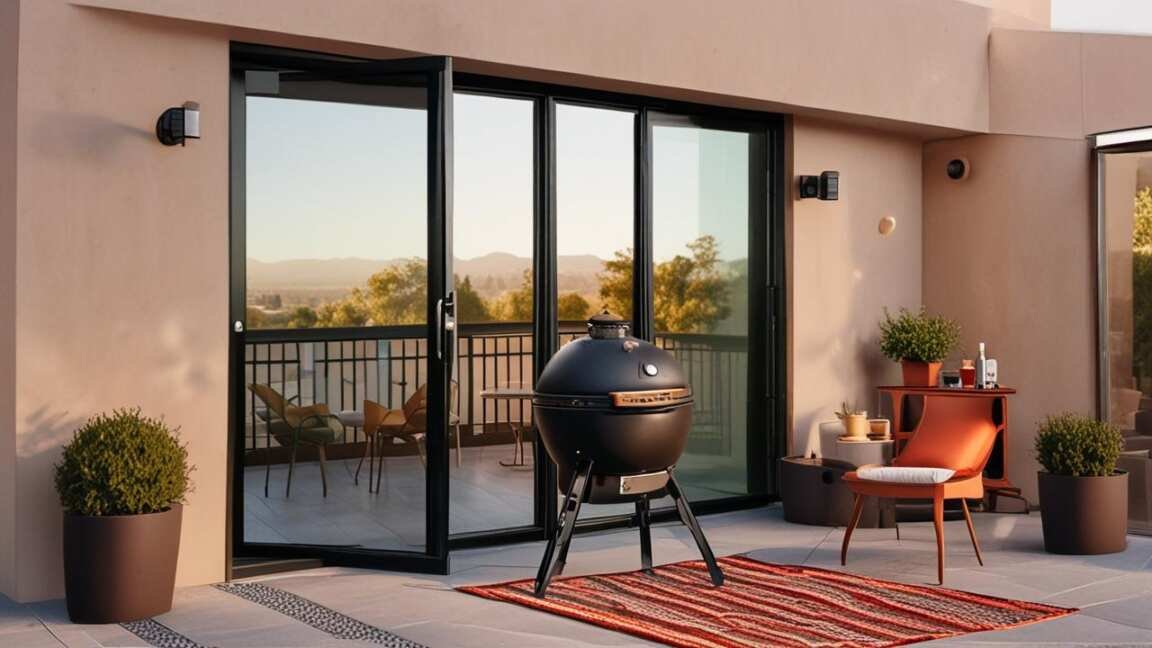
What Makes a Kamado Grill Different from Standard Grills?
A kamado grill is a thick-walled ceramic charcoal grill that originates from Japanese cooking vessels. The ceramic material traps heat and moisture far better than standard steel grills. This design allows you to sear steaks at 700 degrees Fahrenheit or smoke pork shoulder at 225 degrees for 18 hours on a single load of charcoal.
The National Fire Protection Association (NFPA) reports that grills and barbecues cause an average of 10,600 home fires each year. The unique construction of a kamado grill makes it both highly efficient and potentially hazardous in confined spaces.
Important: Unlike a standard kettle grill, a kamado grill’s ceramic shell stays dangerously hot for hours after you stop cooking. This extended heat period increases the risk of burns and accidental fires on a small balcony.
How Kamado Grills Generate and Retain Heat
The thick ceramic walls absorb heat from the charcoal and radiate it evenly around the food. This means the outside of the grill becomes extremely hot to the touch. Standard grills use thin metal that cools down quickly once the fire is out. A kamado grill can take 12 to 24 hours to return to a safe temperature.
This heat retention is the main reason why the U.S. Fire Administration highlights the dangers of charcoal grills on combustible surfaces. The radiant heat from the ceramic shell can melt vinyl siding, ignite wooden deck boards, and warp window frames. Apartment balconies often have limited clearance, making these risks much higher.
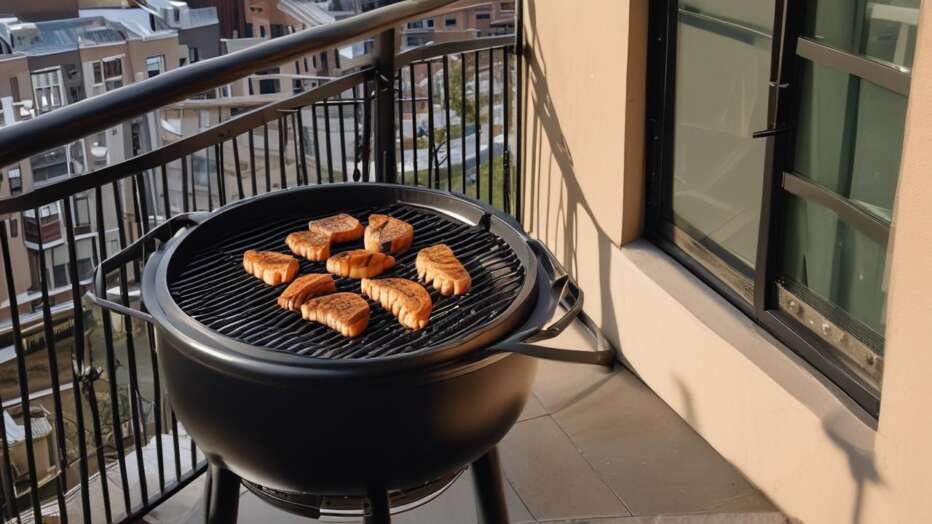
What Are the Main Concerns with Balcony Grilling?
Before you decide to place a kamado grill in an apartment balcony, you need to understand the three main categories of risk. These are fire safety regulations, structural weight limits, and practical management issues.
Fire Safety Regulations
Most cities follow the International Fire Code (IFC), which places strict limits on charcoal grills. The IFC prohibits charcoal grills on balconies of buildings with three or more dwelling units. This rule applies to kamado grills because they burn solid fuel.
Some exceptions exist for one-story buildings or ground-floor patios. You must check your specific city and county fire codes. Fire departments have the authority to fine you or force you to remove the grill.
- IFC Section 308 restricts open-flame cooking devices on balconies.
- Charcoal grills are banned entirely in many apartment complexes.
- Gas grills with fuel tanks under 16 ounces are often excluded from these bans.
- Electrical grills rarely face restrictions.
Warning: Even if your lease seems flexible, local fire codes always override landlord permissions. If a fire starts from your grill, you could face legal liability and eviction regardless of verbal approval.
Structural Weight Limits
A standard kamado grill from Big Green Egg or Kamado Joe can weigh 130 to 200 pounds for a medium to large model. The table or stand adds another 30 to 60 pounds. Add 20 pounds of charcoal and you are looking at a total weight of over 250 pounds on a small area.
The average apartment balcony is designed for a live load of 60 to 100 pounds per square foot. A kamado grill occupies roughly 3 to 4 square feet. This means the grill alone could exceed the structural capacity of the balcony floor.
| Kamado Model | Weight (Empty) | Weight (Loaded) | Balcony Risk |
|---|---|---|---|
| Big Green Egg MiniMax | 48 lbs | 75 lbs | Low |
| Kamado Joe Classic II | 138 lbs | 175 lbs | Medium-High |
| Primo Oval XL | 240 lbs | 300 lbs | High |
Practical Management Issues
Using a kamado grill requires managing hot charcoal ash. You cannot simply throw ash into the trash can. You need a metal ash bucket with a tight-fitting lid. Ash disposal on a balcony adds another step to your cooking routine.
Smoke is another factor. Kamado grills are efficient but they still produce significant smoke, especially during low-temperature smoking. Your neighbors will smell the smoke. Some apartment buildings have strict policies about smoke intrusion into other units.
How to Check If Your Lease Allows a Kamado Grill
You need a systematic approach to verify if a kamado grill is allowed on your specific balcony. Guessing or assuming can lead to fines, eviction, or accidents.
- Read your lease agreement. Look for clauses about grills, open flames, or charcoal. Many leases ban all charcoal grills explicitly.
- Review HOA or condo rules. Homeowners associations often have stricter rules than the fire code. These rules apply even if the fire code technically allows grills.
- Contact your local fire marshal. Call the non-emergency number and ask about the specific rules for charcoal grills on apartment balconies in your area.
- Get written permission. If your landlord says yes, get it in writing. Verbal approval is not enough if a problem arises.
- Verify balcony weight capacity. Ask the building manager for the balcony load specifications. Compare this with the total weight of the grill.
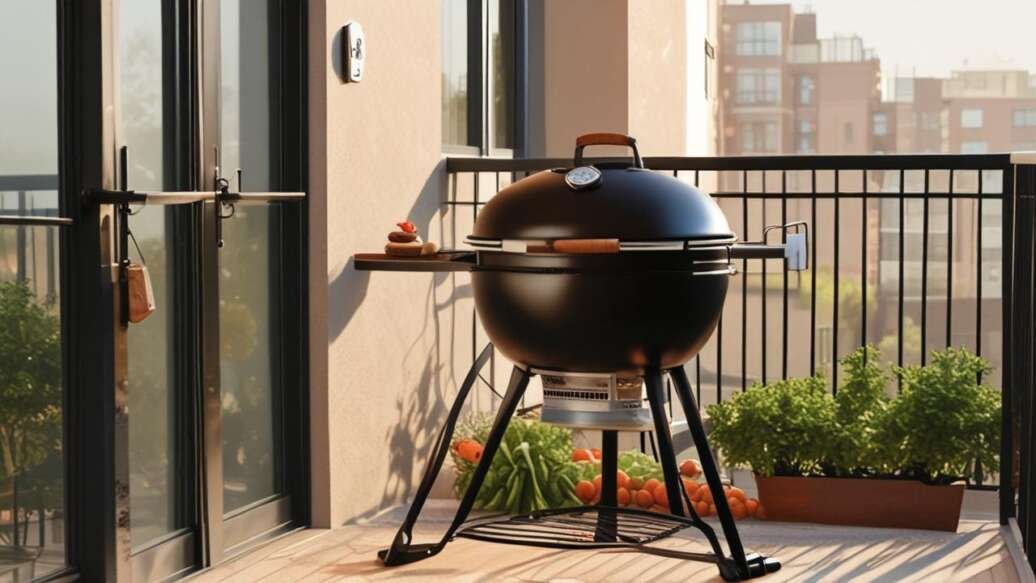
The Definitive Checklist: Kamado Grill on a Balcony
If you have confirmed that a kamado grill is legally allowed, you must follow strict safety protocols. This checklist covers the essential requirements for safe operation.
Safety Equipment You Need
- A fireproof mat that extends 18 inches beyond the grill on all sides.
- A fire extinguisher rated for Class A, B, and C fires within 10 feet of the grill.
- At least 24 inches of clearance from walls, railings, and any combustible materials.
- An outdoor-rated timer to remind you to check the grill during long cooks.
- A metal ash can with a sealed lid for cooling and storing used charcoal.
Daily and Monthly Maintenance
- Inspect the ceramic shell for cracks before every use. Cracks worsen with heat and can cause structural failure.
- Clean the ash and grease buildup after every three to four uses. Grease fires are common on dirty grills.
- Check the fireproof mat for holes or wear. Replace it if the surface shows any damage.
- Verify that the grill is stable on its stand. Uneven surfaces can cause the ceramic body to shift and crack.
- Remove all flammable items from the balcony before lighting the grill. This includes cushions, rugs, cardboard, and trash.
Tip: Place the kamado grill in the corner of the balcony that is furthest from the building wall and any neighboring units. This reduces heat exposure to the structure and limits smoke drifting into other apartments.
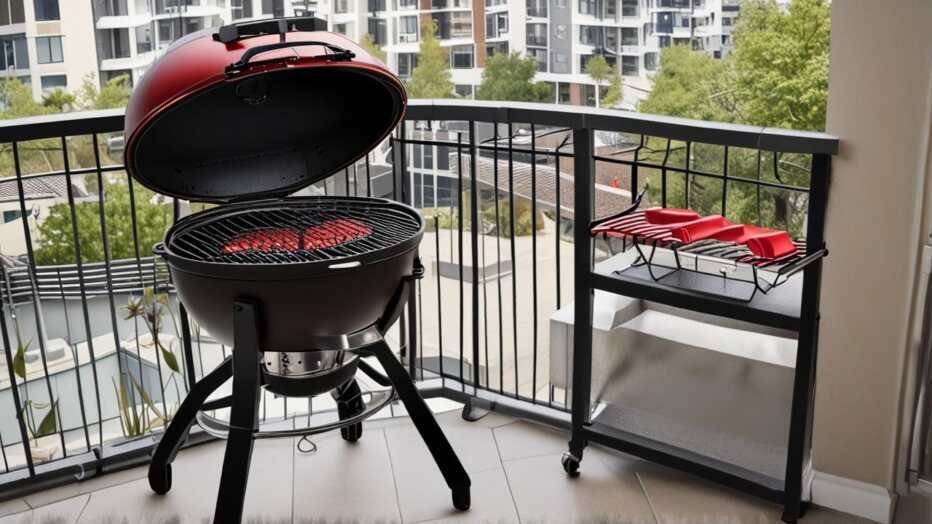
Kamado Grill vs Other Grills for Apartments
You should compare the kamado grill against other popular options for apartment cooking. This comparison focuses on the factors that matter most for balcony use.
| Factor | Kamado Grill | Small Propane Grill | Electric Grill |
|---|---|---|---|
| Fire Risk Level | High | Medium | Low |
| Lease Friendliness | Low | Medium | High |
| Weight | 50 – 200+ lbs | 20 – 60 lbs | 10 – 30 lbs |
| Flavor Quality | Excellent | Good | Fair |
| Startup Time | 30 – 45 minutes | 5 – 10 minutes | 5 – 10 minutes |
The table shows that the kamado grill excels in flavor but falls short in all the categories that matter most for apartment dwellers. The weight, fire risk, and lease restrictions make it a difficult choice. A small propane grill with a 1-pound tank bypasses most charcoal bans and is much easier to manage.
Common Myths vs Facts About Balcony Grilling
Myth: All charcoal grills are banned on apartment balconies.
Fact: Some municipalities and specific leases allow small, enclosed charcoal grills like kamado grills, provided the balcony is on the first floor or is a ground-level patio. You must always check your specific local fire codes and lease agreement. There is no universal rule.
Myth: A kamado grill is safer than a gas grill because it has no gas line.
Fact: The NFPA reports that charcoal grills cause a higher rate of property damage per fire than gas grills due to discarded coals and radiant heat. The ceramic shell of a kamado grill stays very hot for hours after use. A gas grill can be turned off instantly, stopping the heat source immediately.
Myth: Placing a grill on a concrete balcony means it is completely fire-safe.
Fact: Concrete is non-combustible, but the heat and ash can still damage the building exterior, melt siding, or ignite items stored on the balcony. Many HOAs ban grills based on building proximity, not just floor material. The fire rating of the balcony does not eliminate the risk of radiant heat damage to nearby walls and windows.
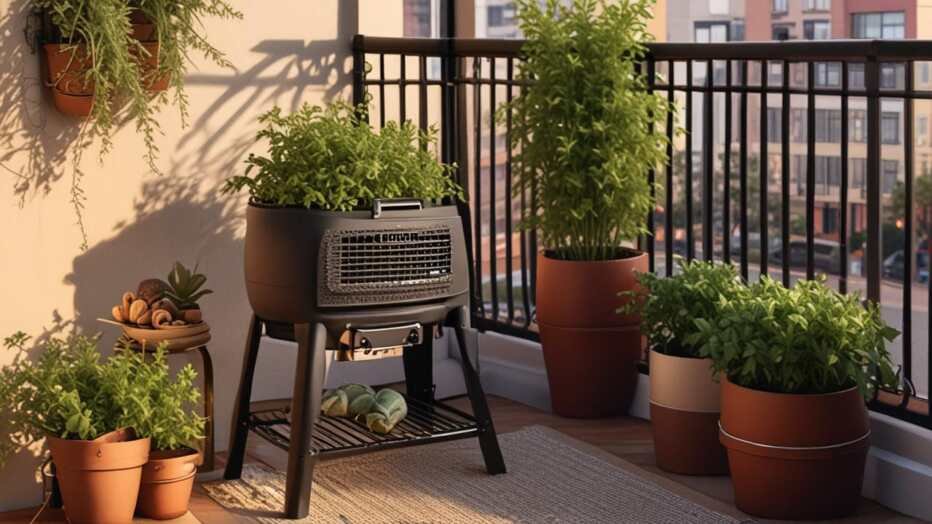
Pro Tips for Apartment Grill Enthusiasts
- Start small. If you really want a kamado grill, buy the smallest model available. The Big Green Egg MiniMax and the Kamado Joe Jr. are much lighter and more portable than their larger counterparts.
- Use a heat shield. Place a stainless steel or aluminum heat deflector behind the grill to protect the balcony wall from radiant heat. This adds an extra layer of safety.
- Cook during low-traffic hours. Use your grill at times when neighbors are less likely to be on their own balconies. This reduces complaints about smoke.
- Invest in a wireless thermometer. A kamado grill is efficient but you should not leave it unattended. Use a wireless thermometer with an alarm to monitor internal temperatures from inside your apartment.
- Consider a dual-purpose unit. Some small kamado grills can double as a smoker or a pizza oven. This gives you more cooking options without requiring extra equipment.
Warning: Never use a kamado grill indoors or in a garage for any reason. The charcoal produces carbon monoxide, which is odorless and deadly in enclosed spaces. Only operate the grill on an open balcony or patio with good air circulation.
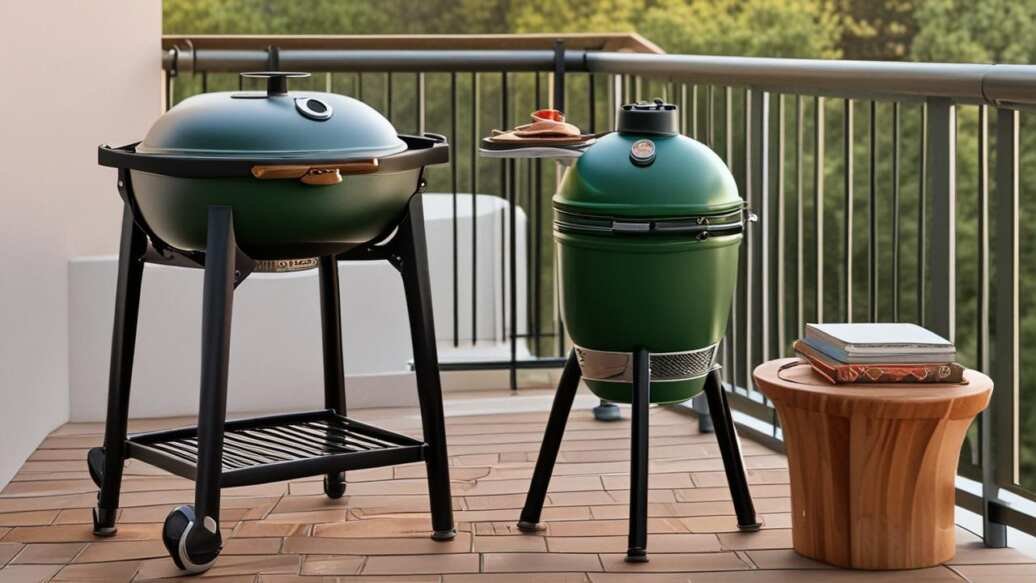
Useful Resources for Kamado Grill Owners
These resources provide official information on fire safety, grill regulations, and kamado cooking techniques.
Big Green Egg – Official manufacturer of kamado grills. Provides safety guidelines and product specifications for their entire lineup.
Kamado Joe – Manufacturer of kamado grills. Offers detailed instructions for care, maintenance, and accessories.
National Fire Protection Association (NFPA) – Provides the latest fire codes and grill safety statistics.
International Fire Code (IFC) – The standard code adopted by most US cities for commercial and residential fire safety.
Frequently Asked Questions
Is a Kamado Joe Mini safe for an apartment balcony?
The Kamado Joe Mini is safer due to its smaller size and lower weight, but you still must check your lease and local fire codes. Most jurisdictions that ban charcoal grills do not make exceptions based on size. The fire risk remains higher than gas or electric alternatives.
Can I use a kamado grill on a wooden deck vs a concrete balcony?
Both surfaces pose risks. A concrete balcony is structurally safer for the weight, but the radiant heat can still damage vinyl siding or wooden railings. A fireproof mat is mandatory for either surface. Wooden decks are at higher risk of ignition from dropped coals.
How much does a kamado grill weigh?
A small kamado grill like the Big Green Egg MiniMax weighs around 48 pounds. A medium model weighs roughly 130 pounds. A large model can exceed 200 pounds before adding charcoal and accessories. You must verify your balcony weight capacity before purchasing a larger model.
What should I do if my landlord says no to a charcoal grill?
Respect the decision and look for alternatives. Arguing with the landlord could strain your rental relationship. A small propane grill or a high-quality electric grill provides similar cooking results without the same fire restrictions. Many electric grills produce good sear marks and even heating.
Are there any charcoal grills specifically designed for small balconies?
Yes, the Cuisinart Portable Charcoal Grill and the PK Grill are smaller options, but they are still charcoal grills subject to the same fire codes. A small charcoal grill may be lighter and more portable, but the fire risk category does not change. Always check with your building manager first.
Final Thoughts
A kamado grill on an apartment balcony requires strict permission from your landlord, a check of city fire codes, and significant safety precautions. For most apartment residents, the legal hurdles and fire risks mean a small electric grill or a portable propane grill is a more practical choice. If you can secure approval and prioritize safety, a small kamado grill can work, but you must never compromise on the regulations to avoid fines or eviction. Focus on the quality of the cooking experience rather than the type of equipment you use.