
To reduce the risk of electrical fires at home, focus on preventing common hazards like overloaded outlets, damaged cords, and improper appliance use. Regularly inspecting your home's electrical system for frayed wiring, faulty outlets, and overloaded circuits is a critical first step. Implementing safe practices such as using surge protectors wisely, ensuring proper ventilation for electronics, and avoiding overloading single outlets can significantly enhance household safety.
Many homeowners worry about electrical fires. It’s easy to feel overwhelmed when thinking about electrical safety. You might wonder if you’re doing enough to keep your family safe.
But don’t worry! Learning How to Reduce the Risk of Electrical Fires at Home is simpler than you think. We’ll walk you through easy steps to protect your house and loved ones.
Key Takeaways
- Regularly inspect electrical cords for damage.
- Use extension cords safely and avoid overloading them.
- Ensure proper installation of major appliances.
- Keep electrical devices away from water.
- Install and maintain smoke alarms and carbon monoxide detectors.
- Consider professional electrical inspections for peace of mind.
![How to Reduce the Risk of Electrical Fires at Home[1]](https://creativehouseblog.com/wp-content/uploads/2026/05/How_to_Reduce_the_Risk_of_Electrical_Fires_at_Home1.jpg)
Understanding Common Electrical Hazards
How to Reduce the Risk of Electrical Fires at Home
Electrical fires are a serious concern for homeowners everywhere. They can start unexpectedly and cause significant damage.
Understanding the common causes helps us take steps to prevent them. Many of these hazards stem from everyday electrical use. Overloaded circuits, damaged cords, and faulty wiring are frequent culprits.
Even simple things like improper use of appliances can increase risk. Beginners often find it challenging because electrical systems can seem complicated.
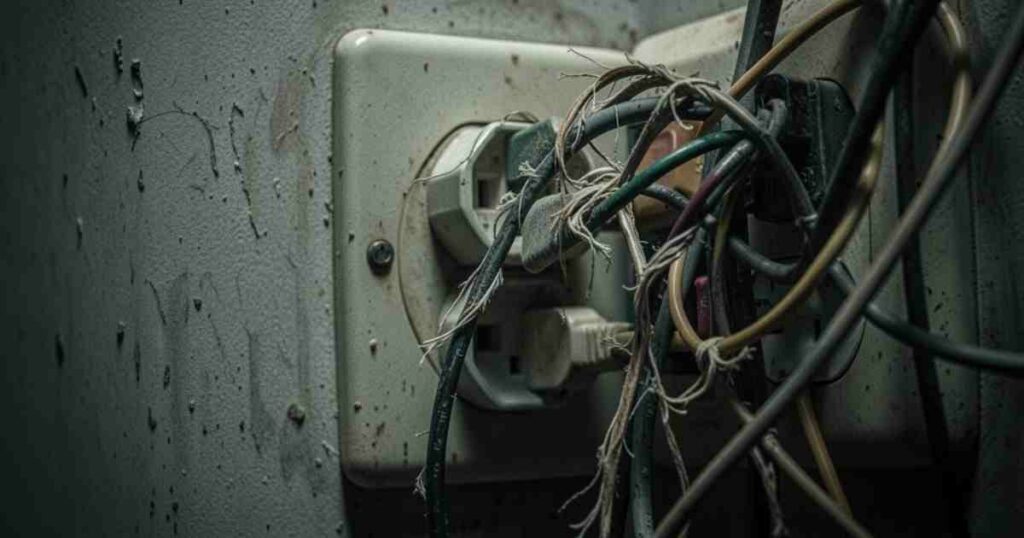
However, with clear guidance, anyone can learn to identify and address these dangers. This section will break down the most frequent causes of electrical fires so you can spot them easily.
Frayed or Damaged Cords
Worn-out electrical cords are a leading cause of house fires. When insulation cracks or frays, exposed wires can spark.
This spark can easily ignite nearby flammable materials like curtains or carpets. It’s crucial to check cords regularly for any signs of wear and tear. This includes cuts, abrasions, or areas where the rubber has hardened and cracked.
- Regular Cord Inspection: Make it a habit to look at all your electrical cords. Check appliances that move often, like vacuum cleaners or lamps, as their cords can get damaged more easily. Look for any splits in the plastic coating or exposed wires. If you find any damage, the cord should be replaced immediately or the appliance retired if the cord cannot be safely replaced.
- Avoid Pinching Cords: Never run cords under carpets or furniture. This can cause them to overheat or become damaged without you realizing it. Cords can also get pinched in doors or windows. This puts stress on the wires inside, leading to potential short circuits.
- Proper Storage: When you’re not using a cord, coil it loosely. Avoid tightly wrapping cords around electrical components or sharp edges. This can lead to internal breaks in the wire over time.
Overloaded Circuits and Outlets
Putting too many devices on one circuit can overwhelm it. Circuits have a limit to how much electricity they can handle.
When this limit is exceeded, the wires can overheat. This heat can melt insulation and start a fire. This is especially common with older homes that have less powerful electrical systems.
- Understand Circuit Limits: Each circuit breaker or fuse is designed to protect a specific number of outlets or rooms. Know which outlets are on which circuit. This helps you distribute power more evenly. If a breaker trips often, it’s a sign the circuit is overloaded.
- Use Power Strips Wisely: Power strips are helpful, but they can also lead to overloading. Never plug multiple high-power devices into a single power strip. For example, avoid plugging in a space heater, a toaster, and a microwave all into one strip.
- Avoid Daisy-Chaining Extension Cords: Plugging one extension cord into another creates a hazard. This significantly increases the risk of overheating and fire because the cords are not designed for such heavy loads.
Faulty Outlets and Switches
Outlets and switches can become worn out or damaged over time. Loose connections inside these components can create heat.
This heat can melt the plastic around them, and the heat can spread to nearby building materials, potentially starting a fire.
Signs of a faulty outlet include flickering lights, sparks when you plug something in, or a warm or discolored outlet face.
- Check for Warmth and Discoloration: Periodically feel your outlets and switches. If they feel unusually warm to the touch, this indicates a problem. Also, look for any signs of scorching or discoloration on the outlet or switch plate. This is a clear warning sign that needs immediate attention.
- Loose Connections: If a plug feels loose in an outlet, it’s a sign of wear. This looseness can cause poor electrical contact, leading to arcing and heat. Worn-out outlets should be replaced by a qualified electrician.
- GFCI Outlets: In areas prone to moisture, like kitchens and bathrooms, Ground Fault Circuit Interrupter (GFCI) outlets are important. They can shut off power quickly if they detect an imbalance, reducing the risk of shock and fire.
Safe Use of Appliances and Electronics
When we talk about How to Reduce the Risk of Electrical Fires at Home, appliance use is key.
Many fires start because appliances are not used correctly or are old and faulty. Modern homes are full of electronics, and each one uses electricity.
Being mindful of how we use these devices can make a big difference. Simple habits can prevent dangerous situations from developing.
Proper Appliance Installation
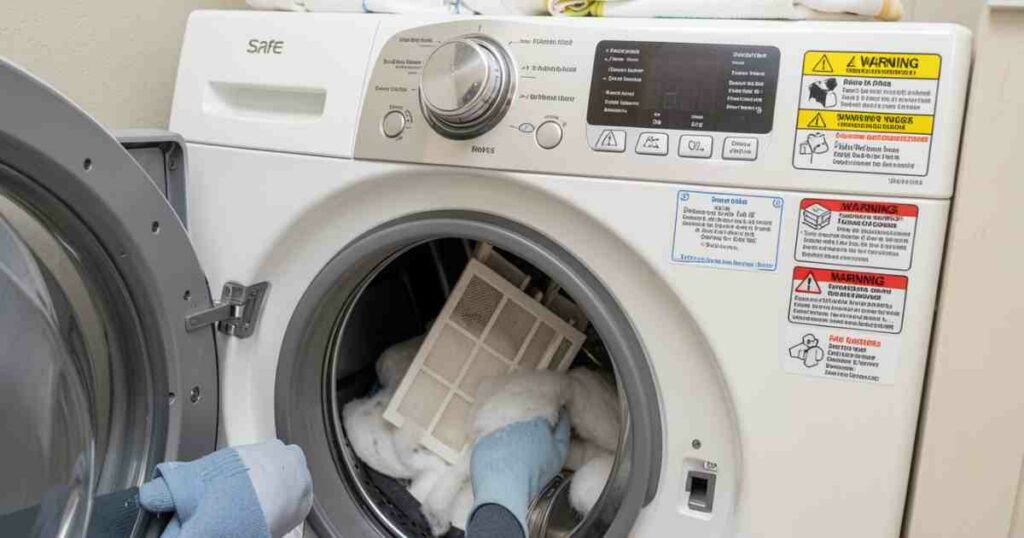
Major appliances like ovens, dryers, and refrigerators use a lot of power. They need to be installed correctly to handle this demand safely.
Improper installation can lead to electrical issues that are hard to spot until they cause a problem.
This includes ensuring they are plugged into the correct outlets and have enough ventilation.
- Follow Manufacturer Instructions: Always read and follow the installation instructions provided by the appliance manufacturer. These guides contain important safety information specific to the appliance. They will tell you what type of outlet to use and any special wiring needs.
- Ventilation Matters: Appliances that generate heat, like dryers and refrigerators, need good airflow. Make sure there is enough space around them for air to circulate. Blocking vents can cause the appliance to overheat, which is a fire hazard.
- Dedicated Circuits for High-Power Appliances: Many large appliances require their own dedicated electrical circuit. This ensures they have enough power without overloading other parts of your home’s electrical system. Your electrician can advise you on which appliances need dedicated circuits.
Careful Use of Heating Appliances
Portable heaters, toasters, and hair dryers are common sources of electrical fires. These devices generate heat, and when placed too close to flammable materials, they can easily start a fire. It’s important to keep them in open spaces and turn them off when not in use.
- Keep Flammables Away: Never place portable heaters, toasters, or curling irons near curtains, bedding, or furniture. Always ensure there is at least a three-foot clear space around them. This gives heat a place to dissipate safely.
- Unplug When Not in Use: For appliances that generate significant heat, unplug them after each use. This prevents them from accidentally turning on or overheating if there’s a malfunction. It’s a simple step that greatly reduces risk.
- Regular Cleaning: Toasters and other appliances with heating elements can collect dust and crumbs. This buildup can catch fire. Clean them regularly according to the manufacturer’s instructions to remove any flammable debris.
Smart Charging Habits
Charging our phones, laptops, and other devices is a daily activity. While generally safe, improper charging can pose risks. Using damaged chargers or leaving devices plugged in for too long can cause overheating.
- Use Certified Chargers and Cords: Always use chargers and cords that are approved by the device manufacturer or a reputable third party. Cheap, uncertified chargers may not have the proper safety features and can overheat or short circuit.
- Avoid Charging Under Pillows or Blankets: Never charge electronic devices under pillows, blankets, or on soft surfaces. These materials can trap heat, causing the device and its battery to overheat. This can lead to thermal runaway and potential fire.
- Inspect Charging Equipment: Regularly check your charging cables and power adapters for any signs of damage, such as frayed wires or bent connectors. If you find any issues, replace them immediately.
Maintaining Your Home’s Electrical System
A well-maintained electrical system is the backbone of electrical safety. Over time, systems can degrade, and issues can develop.
Staying on top of maintenance is vital to prevent problems before they escalate. Understanding the signs of trouble and knowing when to call a professional are key skills for any homeowner.
Regular Electrical Inspections
Just like you get your car serviced, your home’s electrical system needs checks too. Older homes especially can have wiring that no longer meets modern safety standards. An inspection can uncover hidden dangers. These inspections are a proactive measure for How to Reduce the Risk of Electrical Fires at Home.
- Schedule Professional Checks: It’s a good idea to have a qualified electrician inspect your home’s electrical system every few years. They can check for outdated wiring, loose connections, and other potential problems. They have the tools and knowledge to spot issues you might miss.
- Look for Warning Signs: Be aware of common signs that your electrical system might need attention. These include flickering lights, frequently tripping breakers, discolored outlets, or a persistent burning smell. Don’t ignore these signals.
- Pre-Purchase Inspections: If you are buying a new home, an electrical inspection should be part of your due diligence. It can reveal problems that could be costly to fix later. It also helps you understand the condition of the home’s electrical infrastructure.
Understanding Circuit Breakers and Fuses
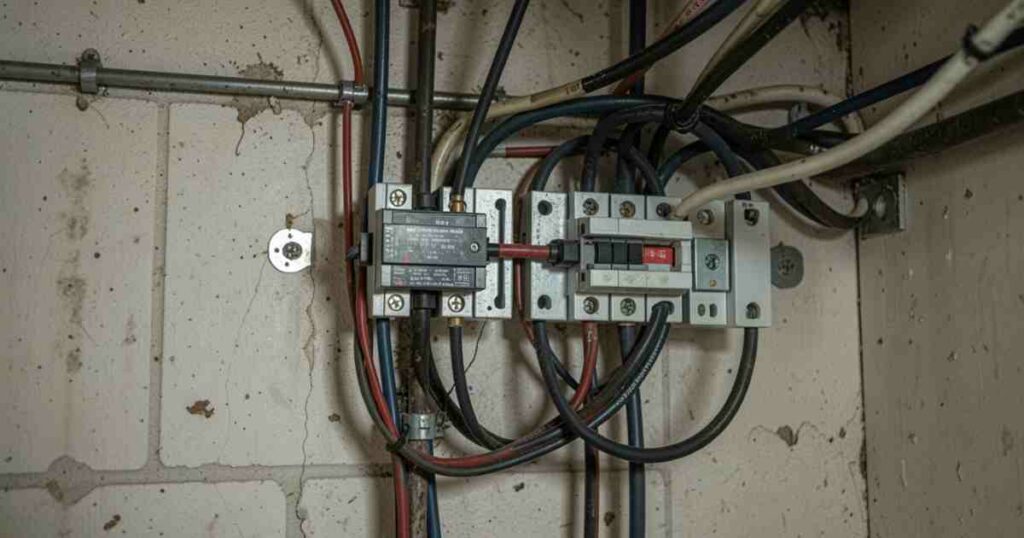
Circuit breakers and fuses are safety devices designed to protect your home from electrical overloads.
When too much electricity flows through a circuit, the breaker will trip or the fuse will blow. This cuts off the power, preventing wires from overheating and potentially starting a fire.
- Know Your Panel Box: Familiarize yourself with your home’s main electrical panel. Understand how to reset a tripped breaker or replace a blown fuse. However, if breakers trip frequently, it indicates an underlying issue that needs professional diagnosis.
- Never Bypass Safety Devices: It is dangerous to bypass or
- Labeling for Clarity: Ensure your circuit breaker panel is clearly labeled. Knowing which breaker controls which part of your home makes it easier to identify problems and respond safely during an electrical issue.
Arc Fault Circuit Interrupters (AFCIs)
Arc faults are electrical sparks that can occur within damaged wiring or faulty connections. These sparks are very hot and can easily ignite nearby materials.
Arc Fault Circuit Interrupters (AFCIs) are devices that detect these dangerous arcs and shut off power before a fire can start.
- What is an Arc Fault: An arc fault is an unintentional electrical discharge between two or more conductors. It can be caused by damaged insulation, loose connections, or worn-out cords. These arcs can reach temperatures high enough to ignite surrounding materials.
- Benefits of AFCIs: AFCIs offer a higher level of protection than standard circuit breakers. They are designed to protect against fires caused by arcing faults, which are a common cause of electrical fires that traditional breakers might miss.
- Installation and Placement: AFCIs are typically installed in the main electrical panel, similar to regular circuit breakers. They are recommended for most circuits in a home, especially those in bedrooms, living rooms, and other areas where electrical cords might be present or damaged.
Preventing Electrical Fires in Specific Areas
Different parts of your home have unique electrical challenges. Addressing these specific areas with targeted safety measures is essential for comprehensive prevention. This is a critical aspect of knowing How to Reduce the Risk of Electrical Fires at Home.
Kitchen Safety
The kitchen is a hub of electrical activity. With many appliances running, the risk of overload or appliance malfunction is higher. Keeping this area safe requires attention to detail.
- Appliance Safety: Ensure all kitchen appliances are in good working order. Regularly check cords for damage and keep them away from heat sources. For toasters and other heat-generating appliances, always use them on a clear surface.
- Outlet Capacity: Kitchens have many outlets for various appliances. Overloading a single outlet with multiple high-power devices can cause issues. Consider having an electrician assess your kitchen’s electrical needs if you frequently experience tripped breakers.
- Water and Electricity Don’t Mix: Keep all electrical appliances and cords away from sinks and water sources. Spills can damage cords and create electrical hazards.
Bedroom and Living Area Safety
Bedrooms and living areas often have numerous electronic devices. Charging stations and entertainment centers can become cluttered with cords. This clutter can hide potential hazards and impede airflow.
- Cord Management: Use cord organizers or ties to keep cords tidy and prevent tangling. Avoid running cords under rugs or furniture where they can be damaged or overheat.
- Nightstand Safety: Be cautious with bedside lamps and phone chargers. Ensure they are placed on stable surfaces and have adequate ventilation. Avoid charging devices under pillows.
- Old Lamps and Electronics: Older lamps or electronics might have outdated wiring that poses a risk. If you have vintage items, have them inspected by an electrician before regular use.
Garage and Workshop Safety
Garages and workshops often house power tools and electrical equipment. These environments can be harsher, with potential for physical damage to cords and increased dust.
- Durable Cords: Use heavy-duty extension cords designed for workshop use. These cords are more resistant to wear and tear.
- GFCI Protection: Install Ground Fault Circuit Interrupter (GFCI) outlets in garages and workshops. These provide an extra layer of protection against electrical shock and fire, especially in environments where moisture or dust might be present.
- Tool Maintenance: Regularly inspect power tools and their cords for any damage. Ensure all equipment is properly grounded.
Emergency Preparedness
Even with the best precautions, electrical incidents can happen. Being prepared can significantly reduce the impact. This preparedness is an important part of How to Reduce the Risk of Electrical Fires at Home.
Smoke Alarms and Carbon Monoxide Detectors
These devices are your first line of defense against fires and dangerous fumes. They provide early warning, giving you and your family time to escape safely.
- Install Them Correctly: Place smoke alarms on every level of your home, inside each bedroom, and outside sleeping areas. Install carbon monoxide detectors on each level and near sleeping areas.
- Test Regularly: Test your smoke alarms and carbon monoxide detectors at least once a month. Replace batteries at least once a year, or when the alarm chirps to signal low battery.
- Replace Old Units: Smoke alarms and CO detectors have a lifespan, typically around 10 years. Check the manufacturing date and replace them when they expire.
Fire Extinguishers
Having the right type of fire extinguisher readily available is crucial. Knowing how to use it can help you tackle small fires before they spread.
- Class C Extinguishers: For electrical fires, you need a Class C fire extinguisher. These are designed for electrical fires and will not conduct electricity, unlike water-based extinguishers. It is recommended to have at least one Class C extinguisher in your home.
- Placement and Maintenance: Keep fire extinguishers in easily accessible locations, such as the kitchen, garage, and near your main electrical panel. Ensure they are regularly inspected and maintained to be in good working order.
- Learn How to Use It: Familiarize yourself with the PASS method: Pull the pin, Aim at the base of the fire, Squeeze the handle, and Sweep from side to side. Knowing this technique can save precious time during an emergency.
Common Misconceptions About Electrical Safety
There are many myths about electrical safety. Clearing up these misconceptions is vital for effective prevention.
Myth: Old houses are automatically unsafe.
Not necessarily. While older wiring can be a concern, a home with older wiring can be made safe with proper upgrades and regular inspections. Modern safety devices can often be retrofitted.
The real danger is outdated or damaged wiring that has not been addressed.
Myth: If an outlet feels warm, it’s normal.
No, an outlet that feels warm to the touch is a sign of a problem. It indicates that the outlet is drawing too much current or has loose connections, both of which can lead to overheating and fire. This requires immediate attention from an electrician.
Myth: Extension cords are a permanent solution for power needs.
Extension cords are intended for temporary use only. They are not designed to replace permanent wiring. Overloading extension cords or using them for long periods can cause them to overheat and become a fire hazard.
Frequently Asked Questions Of How to Reduce the Risk of Electrical Fires at Home
Question: How often should I check my electrical cords for damage?
Answer: You should check your electrical cords for damage regularly. Make it a habit to inspect them at least once a month, and more often if they are frequently used or moved.
Question: Can I use a standard extension cord for my space heater?
Answer: It is not recommended to use standard extension cords for high-power appliances like space heaters. Use a cord specifically rated for the heater’s wattage, and avoid using extension cords for long periods.
Question: What should I do if my circuit breaker trips frequently?
Answer: If your circuit breaker trips often, it’s a sign that the circuit is overloaded or there’s another electrical issue. You should have a qualified electrician inspect your electrical system to find and fix the problem.
Question: Is it safe to charge my phone under my pillow?
Answer: No, it is not safe to charge your phone under your pillow. This can cause the device and its battery to overheat, posing a fire risk. Always charge devices on a hard, flat surface with good ventilation.
Question: What is the difference between a regular circuit breaker and an AFCI breaker?
Answer: A regular circuit breaker protects against overcurrents that can cause overheating. An AFCI (Arc Fault Circuit Interrupter) breaker provides additional protection by detecting dangerous electrical arcs that can ignite fires.
Conclusion
Taking charge of your home’s electrical safety is straightforward. By inspecting cords, using appliances correctly, and maintaining your system, you significantly reduce fire risks.
Stay aware of warning signs and ensure your smoke alarms are working. These simple actions protect your home and loved ones from electrical fires.

![Air Fryer Noise Levels Explained Clearly[1]](https://creativehouseblog.com/wp-content/uploads/2026/03/Air_Fryer_Noise_Levels_Explained_Clearly1-768x448.jpg)
![10 Healthy Juice Recipes You Can Make At Home[1]](https://creativehouseblog.com/wp-content/uploads/2026/04/10_Healthy_Juice_Recipes_You_Can_Make_At_Home1-768x448.jpg)
![7 Mistakes To Avoid When Using A Hot Plate[1]](https://creativehouseblog.com/wp-content/uploads/2026/04/7_Mistakes_To_Avoid_When_Using_A_Hot_Plate1-768x448.jpg)
![Air Fryer Airflow For Better Cooking[1]](https://creativehouseblog.com/wp-content/uploads/2026/03/Air_Fryer_Airflow_For_Better_Cooking1-768x448.jpg)
![9 Things You Can Cook On An Indoor Electric Grill (Beyond Meat)[1]](https://creativehouseblog.com/wp-content/uploads/2026/04/9_Things_You_Can_Cook_On_An_Indoor_Electric_Grill_Beyond_Meat1-768x448.jpg)
![Fixing Common Coffee Maker Problems[1]](https://creativehouseblog.com/wp-content/uploads/2026/03/Fixing_Common_Coffee_Maker_Problems1-768x448.jpg)