
Immediately after a pipe bursts, locate and shut off your home’s main water valve to stop the flow of water and prevent further flooding. Next, safely contain the spread of water, turn off electricity to affected areas to avoid electrocution, and begin documenting the damage for insurance purposes. Finally, contact a professional plumber for repairs while using the incident to identify and address any underlying issues that may have caused the pipe to burst.
Sometimes, plumbing problems happen when you least expect them. A burst pipe can feel overwhelming, especially if you’re not sure what to do first.
Many people wonder about What to Do If a Pipe Bursts Before the Plumber Arrives because it’s a situation that requires quick thinking.
Don’t worry; this guide will walk you through it step-by-step, making it easy to handle even if you’re new to home repairs. We’ll cover the most important things you need to know to get the situation under control.
Key Takeaways
- You will learn how to quickly shut off the water supply.
- You will discover how to manage water damage safely.
- You will find out how to clear the area of hazards.
- You will understand how to contact emergency services and your plumber.
- You will gain knowledge about preventing future bursts.
![What to Do If a Pipe Bursts Before Plumber Arrives[1]](https://creativehouseblog.com/wp-content/uploads/2026/05/What_to_Do_If_a_Pipe_Bursts_Before_Plumber_Arrives1.jpg)
Immediate Steps When a Pipe Bursts
Shutting Off The Water Supply
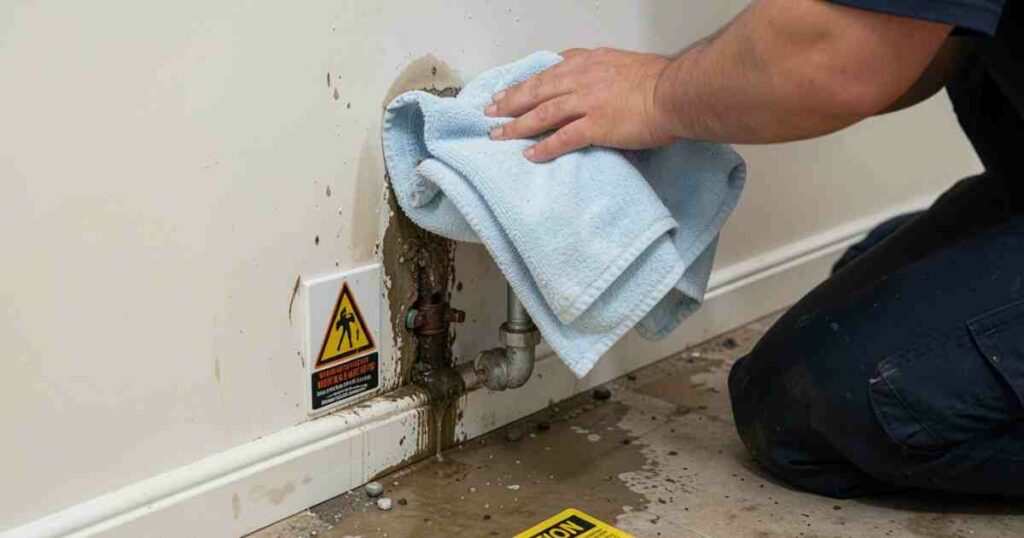
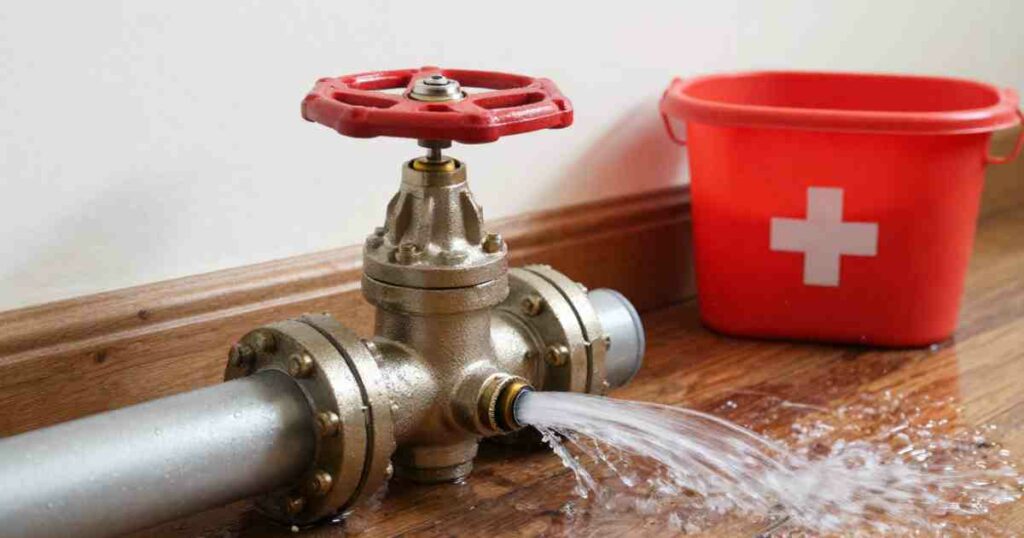
The very first and most important step when a pipe bursts is to stop the flow of water. This prevents the damage from getting worse and potentially saves your home from extensive flooding. Finding your main water shut-off valve is key.
It’s usually located where the water pipe enters your house, often in a basement, crawl space, or utility closet. If you can’t find it or are unsure, look for a similar valve near your water meter outside.
Turning the valve is typically simple. You’ll usually find a handle that you need to turn clockwise. For some older valves, you might need to turn a lever.
If you’re having trouble, don’t force it. Water damage can be extensive, and acting fast is vital. Knowing where this valve is before an emergency happens can save a lot of stress and potential property damage.
Once the water is off, you’ve bought yourself some time. This allows you to assess the situation more calmly and prepare for the plumber’s arrival. It’s a critical action that significantly limits the chaos.
Turning Off The Main Water Valve
Locate your main water shut-off valve. This is often found in your basement, garage, or near where the water line enters your home. It might be a lever or a round handle.
Turn the valve clockwise until it is fully closed. If it’s a lever, turn it a quarter turn so it’s perpendicular to the pipe. This will stop water from flowing into your entire house.
Open faucets on the lowest floor of your house to drain any remaining water in the pipes. This helps reduce pressure and further limits leakage.
Identifying The Source Of The Leak
After you’ve shut off the water, try to pinpoint where the burst pipe is. This will help the plumber fix it faster. Look for visible signs like dripping water, puddles, or damp spots on walls and ceilings.
Pay attention to areas where pipes are exposed, such as under sinks, in basements, or crawl spaces.
Sometimes, the leak might not be obvious. Listen for unusual sounds like hissing or running water when no fixtures are in use. If you can’t find the exact spot, don’t worry too much.
The plumber will be able to locate it. However, having a general idea can be very helpful.
Knowing the material of the pipe might also be useful. Common pipe materials include copper, PVC, PEX, and galvanized steel. Different materials can burst for different reasons, which can inform the plumber about the potential cause.
Managing Water Damage Safely
Protecting Yourself From Electrical Hazards
Water and electricity are a dangerous mix. If the burst pipe is near any electrical outlets, wiring, or appliances, your safety is the top priority. Standing water can conduct electricity, creating a serious shock hazard.
Before you do anything else, turn off the power to the affected area or your entire home at the main electrical panel (breaker box).
If you’re unsure how to do this, or if it seems unsafe, evacuate the area immediately and call an electrician or emergency services. Never touch wet electrical devices or stand in standing water near them.
It’s also a good idea to keep children and pets away from the flooded areas until the power is confirmed to be off and the area is dry. Safety first is paramount in any water emergency.
Containing The Water
Once the water is shut off, you need to try and contain what’s already spilled. Use buckets, towels, mops, and any other absorbent materials you have to soak up as much water as possible. Place buckets under any active drips to catch the water.
If the leak is significant, you might need to use a wet vacuum cleaner or even a sump pump if you have one.
Try to create barriers with towels or sandbags to prevent water from spreading to other parts of your home, especially to lower levels or sensitive areas like your basement.
Moving furniture and valuable items away from the flooded area is also a wise move. If you can’t move heavy items, at least try to place them on elevated surfaces. This will help minimize damage to your belongings.
Documenting The Damage
Before the plumber arrives and before you start cleaning up too much, take pictures or videos of the damage.
This is very important for insurance purposes. Document the extent of the water damage, any affected items, and the source of the leak if visible.
These records will be crucial when you file a claim with your homeowner’s insurance. Make sure to get clear shots that show the scope of the problem.
This evidence helps you get the compensation you need to repair and replace damaged items.
Note down the date and time the incident occurred, and any steps you took to mitigate the damage. This detailed record-keeping can streamline the insurance process significantly.
Contacting Professionals And Preventing Future Issues
Calling An Emergency Plumber
Once you’ve secured the area and shut off the water, it’s time to call for professional help. You need to contact a reliable emergency plumber.
Many plumbing companies offer 24/7 emergency services, which is exactly what you need in this situation.
When you call, be prepared to describe the problem clearly. Tell them your address, what seems to have happened, and that you have already shut off the main water supply.
This information helps them prioritize your call and send the right technician with the necessary tools.
It’s also a good idea to ask about their emergency call-out fees and hourly rates beforehand, if possible.
This can help you avoid surprises later. Having a plumber’s number saved in your phone for emergencies can save precious time when disaster strikes.
Contacting Your Insurance Company
After you’ve contacted the plumber, you should also get in touch with your homeowner’s insurance company.
Report the burst pipe and the resulting water damage. They will guide you through the claims process and may send an adjuster to assess the damage.
Your insurance policy will determine what is covered and to what extent. Having the photos and videos you took earlier will be extremely helpful at this stage. Be honest and thorough when reporting the incident to your insurance provider.
Some policies might cover temporary accommodation if your home becomes uninhabitable due to water damage.
Keep all receipts for any emergency repairs you undertake, as these may be reimbursable.
Preventing Future Pipe Bursts
Once the immediate crisis is over, it’s wise to think about how to prevent future pipe bursts. One common cause is freezing temperatures.
Ensure that exposed pipes in unheated areas like basements, garages, and crawl spaces are properly insulated.
During cold snaps, let a faucet drip slightly to keep water flowing, which can prevent pipes from freezing. You can also disconnect outdoor hoses and shut off water to exterior faucets.
Regularly inspect your plumbing system for any signs of wear or damage, such as corrosion or small leaks.
Another factor can be water pressure. If your home’s water pressure is too high, it can put a strain on your pipes. A plumber can install a pressure-reducing valve (PRV) if your pressure is consistently above 80 PSI.
These preventative measures can save you from future emergencies and costly repairs.
Understanding Common Causes Of Burst Pipes
Freezing Temperatures
One of the most common culprits behind burst pipes is freezing. When water inside a pipe freezes, it expands. This expansion creates immense pressure within the pipe.
If this pressure becomes too great, the pipe can split or burst.
This issue is most prevalent during winter months, especially in colder climates. Pipes that are located in unheated areas like attics, garages, basements, or along exterior walls are particularly vulnerable. Even pipes inside the house can freeze if they are near drafty windows or doors.
The temperature does not have to be extremely cold for pipes to freeze. If a pipe is exposed to freezing conditions for an extended period, it can still freeze and burst.
Proper insulation and maintaining a consistent indoor temperature are key defenses against this cause.
Aging And Deterioration
Over time, pipes can age and deteriorate, making them more susceptible to bursting. This is especially true for older plumbing systems. Materials like galvanized steel can corrode from the inside out, weakening the pipe walls.
Copper pipes can develop pinhole leaks or stress points over many years.
Even modern materials like PVC can become brittle with age and exposure to sunlight or extreme temperature changes.
Corrosion is often gradual, and small leaks might appear long before a major burst. Regular inspections can help identify early signs of aging and wear.
The lifespan of pipes varies depending on the material and water quality. For instance, galvanized steel pipes might only last 20-40 years, while copper can last 50 years or more. If your home has an older plumbing system, it might be worth considering a proactive replacement.
High Water Pressure
Excessively high water pressure can put a tremendous amount of stress on your plumbing system.
The normal water pressure in a home is typically between 40 to 60 PSI (pounds per square inch). If the pressure consistently exceeds 80 PSI, it can lead to increased wear and tear on pipes, fixtures, and appliances, eventually causing them to fail.
High water pressure can cause pipes to vibrate, leading to stress fractures. It can also accelerate corrosion and make existing small leaks worse.
Over time, this constant strain can weaken the pipe walls, making them more prone to bursting.
A simple pressure gauge can be used to test your home’s water pressure. If it’s too high, a plumber can install a pressure-reducing valve (PRV) on your main water line. This device regulates the incoming water pressure to a safe and consistent level, protecting your plumbing system.
Clogged Or Blocked Pipes
When pipes become clogged or blocked, water cannot flow freely. If the blockage is severe and the water supply is still on, pressure can build up behind the obstruction.
This trapped pressure can eventually cause the pipe to burst, particularly at weak points or joints.
Common causes of clogs include grease, hair, food particles, and mineral buildup. In toilets, excessive toilet paper or non-flushable items can cause blockages. In drains, a slow drain is often an early warning sign of an impending clog.
Regular drain cleaning and being mindful of what goes down your drains can help prevent clogs.
Avoid pouring grease down kitchen sinks and use drain strainers to catch hair and debris in bathroom sinks and showers.
Mechanical Damage
Pipes can also burst due to physical damage. This can happen during construction or renovation projects where pipes are accidentally hit or punctured. Dropping heavy objects near exposed pipes can also cause damage.
In some cases, shifting foundations or ground settling can put pressure on underground pipes, leading to cracks or breaks. Tree roots can also invade underground pipes, causing them to crack or collapse over time.
While not always predictable, being careful during any home improvement work near plumbing can help. If you suspect underground pipes might be at risk due to ground movement or nearby construction, it’s worth having them inspected.
Dealing With The Aftermath And Restoration
Water Extraction And Drying
After the immediate crisis is managed, the next crucial step is thorough water extraction and drying.
This process is vital to prevent mold growth and further structural damage. Professionals use specialized equipment like industrial-grade water extractors and air movers to remove as much moisture as possible from floors, walls, and carpets.
Dehumidifiers are also essential in this phase. They help to pull moisture out of the air, which in turn aids in drying out building materials.
The drying process can take several days, depending on the extent of the water damage and the types of materials affected.
It’s important that all affected areas are completely dry. Even seemingly minor dampness can lead to serious problems like mold and mildew, which can impact air quality and health.
Mold Prevention And Remediation
Mold can start to grow in as little as 24-48 hours after water exposure. Therefore, preventing mold is a top priority. Thorough drying is the first line of defense.
If mold has already appeared, professional mold remediation services may be necessary.
Remediation involves identifying and removing mold-infested materials, cleaning affected surfaces, and ensuring the environment is safe.
This often includes using specialized cleaning agents and containment procedures to prevent the spread of mold spores.
Ventilation is key during and after the drying process. Opening windows and using fans can help improve air circulation and reduce humidity. Keeping affected areas dry is the best way to inhibit mold growth long-term.
Repairing Damaged Structures
Once the area is dry and mold has been addressed, you can begin repairing any structural damage caused by the burst pipe. This might involve replacing damaged drywall, repairing subflooring, or fixing ceiling damage.
Depending on the severity of the leak, you may also need to repair or replace damaged insulation.
Wood can warp and rot if it remains wet for too long, so damaged wooden structures may need to be replaced.
The plumber will have repaired or
Replacing Damaged Belongings
Water damage can render many household items unusable or unsafe. Furniture, carpets, electronics, and personal belongings that have been soaked may need to be professionally cleaned, repaired, or replaced.
Work with your insurance adjuster to identify items that are covered under your policy. For items that are not covered or are deemed a total loss, you will need to arrange for their disposal and replacement. Keep detailed records of all damaged items and their estimated replacement costs.
Some items might be salvageable with professional cleaning, such as certain upholstered furniture or rugs.
However, it’s crucial to assess the damage carefully and consider the potential for hidden mold or structural issues before deciding to keep and clean affected items.
Sample Scenarios Of Burst Pipes
A sudden freeze in winter causes a pipe in an uninsulated garage to burst. Water floods the garage floor and starts seeping into an adjacent living space. The homeowner is alerted by the sound of running water and quickly finds the leak, shuts off the main water valve, and calls an emergency plumber. They also take photos for their insurance claim.
An old galvanized steel pipe under a kitchen sink corrodes over many years. One morning, a small drip turns into a steady stream, flooding the cabinet and part of the kitchen floor. The homeowner notices the water, turns off the under-sink shut-off valve (if available) or the main valve, and contacts their plumber. They also move items out of the cabinet.
Statistics On Water Damage From Burst Pipes
| Cause | Percentage of Water Damage Claims |
|---|---|
| Burst Pipes (Freezing) | 25% |
| Burst Pipes (Age/Corrosion) | 30% |
| Other Plumbing Failures | 20% |
| Appliance Leaks | 15% |
| Sewer Backups | 10% |
According to insurance industry data, burst pipes account for a significant portion of water damage claims.
Freezing temperatures are a major contributor, especially in colder regions, while aging plumbing systems represent a persistent risk for homeowners across all climates.
The average cost of a water damage claim can be substantial, highlighting the importance of prevention and quick response.
Frequently Asked Questions Of What to Do If a Pipe Bursts Before Plumber Arrives
Question: What is the first thing I should do if I find a burst pipe?
Answer: The absolute first thing you should do is shut off the main water supply to your house to stop more water from flowing.
Question: Can I fix a burst pipe myself?
Answer: For minor leaks, temporary fixes might be possible, but a burst pipe usually requires professional repair. It’s best to call a plumber to ensure it’s fixed correctly and safely.
Question: How long does it take for mold to grow after a pipe bursts?
Answer: Mold can begin to grow within 24 to 48 hours after water exposure, so prompt drying and cleanup are very important.
Question: Should I turn off the electricity if a pipe bursts near an outlet?
Answer: Yes, absolutely. If the burst pipe is near electrical fixtures or outlets, turn off the power to that area or your entire home immediately to avoid electrocution hazards.
Question: Will my homeowner’s insurance cover damage from a burst pipe?
Answer: Typically, homeowner’s insurance covers damage from sudden and accidental events like a burst pipe. However, it’s always best to check your specific policy details.
Conclusion
Knowing What to Do If a Pipe Bursts Before the Plumber Arrives empowers you to act quickly and effectively.
Shutting off the water, managing the mess safely, and calling for help are key steps. By following these simple actions, you can minimize damage and protect your home.
Being prepared can make all the difference in an emergency.

![8 Deep Fryer Safety Tips Everyone Should Follow[1]](https://creativehouseblog.com/wp-content/uploads/2026/04/8_Deep_Fryer_Safety_Tips_Everyone_Should_Follow1-768x448.jpg)
![lumbing Checks Every Homeowner Should Do Regularly[1]](https://creativehouseblog.com/wp-content/uploads/2026/05/lumbing_Checks_Every_Homeowner_Should_Do_Regularly1-768x403.jpg)
![8 Fruits & Vegetables That Work Best For Juicing[1]](https://creativehouseblog.com/wp-content/uploads/2026/04/8_Fruits__Vegetables_That_Work_Best_For_Juicing1-768x448.jpg)
![Air Fryer Airflow For Better Cooking[1]](https://creativehouseblog.com/wp-content/uploads/2026/03/Air_Fryer_Airflow_For_Better_Cooking1-768x448.jpg)
![Benefits Of Fresh Juice Vs Store Bought[1]](https://creativehouseblog.com/wp-content/uploads/2026/04/Benefits_Of_Fresh_Juice_Vs_Store-Bought1-1-768x448.jpg)
![8 Benefits Of Food Dehydration For Storage[1]](https://creativehouseblog.com/wp-content/uploads/2026/04/8_Benefits_Of_Food_Dehydration_For_Storage1-768x448.jpg)