
Condensation between window panes is primarily caused by a failed seal in the insulated glass unit, which allows moisture to enter the space between the panes. This failure is often accelerated by high indoor humidity and significant temperature differences between the interior and exterior environments. The issue can be resolved by replacing the entire window unit, and prevented by controlling indoor moisture levels and ensuring proper ventilation.
Seeing water droplets between your window glass can be a bit confusing, especially if you’re new to home maintenance.
It seems like a strange place for moisture to show up! But don’t worry, this common issue, known as Condensation Between Window Panes: Causes and Real Fixes, has simple explanations and straightforward solutions.
We’ll walk through exactly why it happens and how you can fix it step-by-step. Let’s get those windows clear again.
Key Takeaways
- Learn the main reasons why condensation forms inside your windows.
- Discover how humidity levels inside your home play a big role.
- Find out if temperature differences are causing the problem.
- Understand the common types of windows and how they affect condensation.
- Get practical, easy-to-follow steps for fixing condensation issues.
- Learn simple ways to prevent condensation from coming back.
![Condensation Between Window Panes Causes and Fixes[1]](https://creativehouseblog.com/wp-content/uploads/2026/05/Condensation_Between_Window_Panes_Causes_and_Fixes1.jpg)
Understanding Condensation Between Window Panes
This section helps you get a clear picture of why moisture shows up in that tricky spot between glass panes.
It’s like finding out why a plant wilts; knowing the reason makes fixing it much easier. We’ll look at the most common culprits that lead to condensation, making it less of a mystery.
What Is Condensation Anyway
Condensation is simply water vapor turning back into liquid water. Think about a cold glass of iced tea on a warm day. Water droplets form on the outside of the glass.
This happens because the warm, moist air outside touches the cold glass. The air cools down, and it can’t hold as much moisture anymore. This extra moisture then becomes tiny water droplets.
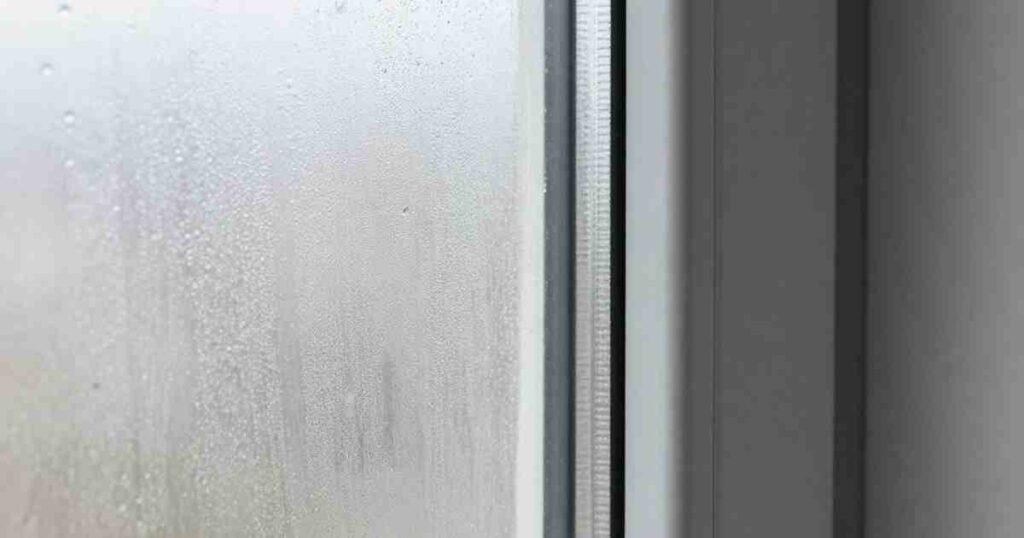
The same idea applies to your windows. When warm, humid air inside your home meets the cold surface of the glass, the moisture in the air turns into liquid. This liquid then collects on the glass.
If your windows are double-paned or triple-paned, this condensation can sometimes appear between the panes themselves.
The Role of Humidity Inside Your Home
Humidity refers to the amount of water vapor in the air. The higher the humidity level in your home, the more moisture is available to condense on cold surfaces. Many everyday activities add moisture to your indoor air.
Things like showering, cooking, doing laundry, and even breathing release water vapor. Plants also release moisture through a process called transpiration.
When the indoor air is very humid and the outdoor temperature is cold, the inside surfaces of your windows become the coldest spots.
The warm, moist indoor air comes into contact with these cold window surfaces. As the air cools down at the window, it releases its moisture.
This moisture then becomes visible as condensation.
Temperature Differences Are Key
The biggest driver for condensation forming is a significant difference in temperature. Specifically, it’s the contrast between the warm, humid air inside your home and the cold surface of your window glass.
This temperature difference creates the conditions needed for water vapor to change into liquid water.
During colder months, the outside air can be very chilly. This makes the exterior surfaces of your windows very cold.
If your indoor heating system is working well, the air inside your home is warm and often contains a good amount of moisture from daily activities.
When this warm, moist indoor air touches the cold inner surface of the window glass, condensation is almost guaranteed to form.
Common Window Types and Condensation
The type of window you have can also affect how likely condensation is to occur. Older single-pane windows are less insulated.
They get colder on the inside surface more easily, making them prone to condensation.
However, condensation appearing between the panes is usually a sign of an issue with sealed, multi-pane windows.
Double-pane and triple-pane windows have gas or a vacuum between the glass layers. This space is designed to insulate your home and prevent condensation. If you see moisture trapped between these panes, it means the seal has failed.
This allows moist outside air to get in and condense.
Causes Of Condensation Between Window Panes
Now we’ll get to the heart of the matter. Why does that moisture sneak between the glass? It’s not magic; it’s usually a clear sign that something has gone wrong with the window itself or the way your home manages moisture.
Failed Window Seals Are The Main Culprit
For modern windows with double or triple panes, the space between the glass is sealed. This seal keeps out moisture and helps the window insulate your home.
It often contains a desiccant material that absorbs any tiny bits of moisture that might get in during manufacturing.
When this seal breaks, the window loses its insulating ability.
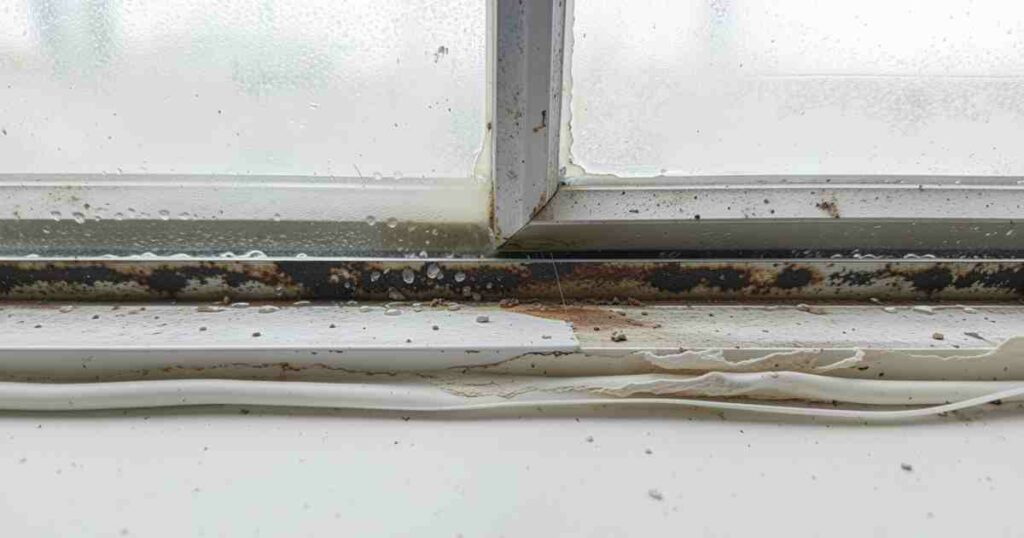
Once the seal is broken, humid air from outside or even from inside your home can leak into the space between the glass panes.
This air contains water vapor. When this moist air encounters the cold glass surfaces within the window unit, the water vapor cools down.
It then turns into liquid water droplets, which you see as condensation.
Moisture Intrusion Into The Window Unit
A compromised seal doesn’t just let air in; it lets moisture in. Over time, tiny cracks or tears can develop in the sealant that holds the glass panes together. Rain, dew, or even high indoor humidity can find its way through these small openings.
This moisture then gets trapped within the sealed unit.
Once moisture is inside the sealed unit, it has nowhere to go. The desiccant material, if present, can only absorb so much. Eventually, the air inside the unit becomes saturated with water vapor.
As temperatures fluctuate throughout the day and night, this trapped moisture will condense on the colder glass surfaces, creating the appearance of condensation between the panes.
Age And Wear On Older Windows
Windows, like anything else, can wear out over time. The materials used to seal them can become brittle, crack, or peel away from the glass or frame.
This is especially true for older windows that may not have had the same quality of sealing technology as newer ones.
When the seals on older windows begin to fail, they lose their ability to keep the insulating gas or air pocket dry.
This allows moist air to enter the space between the panes. The constant exposure to the elements and the passage of time can break down these seals, making condensation between the panes a common problem for many older homes.
Manufacturing Defects In New Windows
While less common, it’s possible for new windows to have manufacturing defects. Sometimes, the seals aren’t applied correctly during the manufacturing process. This can lead to an immediate or early failure of the seal.
If you notice condensation between the panes in a brand-new window, it’s a strong indicator of a defect.
These defects can be hard to spot initially. However, they will eventually lead to the seal breaking. When this happens, moisture enters the insulated glass unit, and condensation appears.
It’s important to address this promptly, as it can affect the window’s performance and potentially lead to further damage.
Real Fixes For Condensation Between Window Panes
Finding condensation between your panes can be frustrating, but there are definite ways to solve it.
The good news is that you don’t always need to replace the entire window, although sometimes that’s the best option.

When A Full Window Replacement Is Necessary
If the condensation is extensive and covers a large area of the glass, or if it’s persistent and doesn’t go away, it usually means the sealed unit has failed beyond repair.
In these cases, replacing the entire window unit is often the most effective and long-term solution. Modern windows are designed for energy efficiency and better insulation.
Replacing a failed window unit not only resolves the condensation issue but also restores the window’s insulating properties.
This can lead to better temperature control in your home and lower energy bills. It also prevents potential mold growth that can occur in damp, trapped spaces.
Defogging And Drying The Window Unit
In some less severe cases, or for very old windows, you might attempt to defog and dry the unit.
This involves drilling small holes in the glass. The goal is to allow the trapped moisture to escape and for the inside to dry out.
After drying, special tubes or vents can be inserted to allow air circulation.
Sometimes, a desiccant material can be placed within the unit through these holes to absorb remaining moisture.
While this method can sometimes temporarily improve the appearance, it’s not always a permanent fix. The original seal is still compromised, and moisture can re-enter.
It’s often a short-term solution compared to replacement.
Repairing Minor Seal Damage (Limited Options)
For very minor, early-stage seal failures, some specialized companies might offer repair services.
These can involve injecting a special sealant or gas into the unit. However, these repairs are not always successful and can be costly.
They are also typically not covered by warranties.
The effectiveness of these repairs depends greatly on the extent of the damage. If the glass itself is not damaged and the moisture hasn’t caused permanent fogging or staining, a repair might be considered.
However, for most significant condensation issues between panes, replacement is generally the recommended route.
Professional Assessment For The Best Solution
When you’re unsure about the best course of action, it’s always wise to get a professional opinion.
Window specialists can assess the damage to your windows. They can tell you if a repair is feasible or if replacement is the better, more cost-effective option in the long run.
They have the tools and expertise to diagnose the problem accurately.
A professional assessment ensures you make the right decision for your home. They can explain the pros and cons of different solutions based on your specific windows and budget.
This prevents you from spending money on a temporary fix when a more permanent solution is needed.
Preventing Condensation Between Window Panes
Keeping your windows clear of that annoying condensation isn't just about fixing it once; it's also about stopping it from coming back.
Here are some smart ways to manage moisture in your home and protect your windows.
Controlling Indoor Humidity Levels
The best way to prevent condensation is to lower the amount of moisture in your indoor air. Use exhaust fans in bathrooms and kitchens when you shower or cook.
These fans vent moist air outside, preventing it from circulating through your home and condensing on windows.
Consider using a dehumidifier, especially in humid climates or during seasons when indoor humidity tends to be high.
Aim to keep your indoor humidity between 30% and 50%. You can buy inexpensive hygrometers (humidity meters) to monitor levels.
Keeping humidity in check is a primary defense.
Ensuring Proper Home Ventilation
Good ventilation is crucial. This means allowing fresh air to circulate through your home. If your home is too tightly sealed, moisture can build up.
Opening windows for a short period each day can help exchange stale, moist air for drier outdoor air.
If you have a whole-house ventilation system, ensure it’s working correctly and is set to appropriate levels.
Proper airflow helps distribute moisture evenly and prevents pockets of high humidity from forming, which reduces the chances of condensation on any surface, including your windows.
Checking Window Maintenance And Seals
Regularly inspect your windows. Look for any signs of wear, damage, or cracks in the sealant around the glass and frames. If you find small issues, you might be able to address them early.
For example, if you see a small crack in the exterior sealant, you could repair it to prevent water from seeping in.
This proactive maintenance can help prolong the life of your window seals and prevent them from failing prematurely, thus avoiding condensation problems down the line.
Using Energy-Efficient Windows Wisely
Modern energy-efficient windows are designed to minimize condensation. However, even these can experience issues if not maintained.
Ensure that any vents on these windows are not blocked and that the frames are properly sealed to the house.
When purchasing new windows, choose high-quality, reputable brands. Look for windows with good U-factor and Solar Heat Gain Coefficient ratings, which indicate better insulation.
Proper installation is also key to their long-term performance and ability to resist condensation.
Case Studies And Real-World Examples
Seeing how others have dealt with condensation can be very helpful. These examples show common scenarios and their outcomes.
Case Study 1 The Historic Home Upgrade
A homeowner in an older house with original single-pane windows noticed significant condensation on the inside of all their windows during winter.
The condensation would drip down and cause water damage to the window sills. After consulting with a window professional, they decided to
Case Study 2 The Newly Built Home Problem
A family moved into a newly constructed home and noticed condensation appearing between the panes of one of their large picture windows within a year.
They contacted the builder, who sent out a window technician. The technician discovered a manufacturing defect in the seal of that specific window unit.
The builder arranged for a warranty replacement of the sealed glass unit, which immediately solved the condensation problem.
Case Study 3 The Apartment Dweller’s Challenge
A renter in an apartment building noticed condensation forming between the panes of their older, double-glazed windows..
They reported it to their landlord. The landlord’s maintenance team investigated and found that the seals on several windows had failed.
Frequently Asked Questions Of Condensation Between Window Panes Causes and Fixes
Question: Can I fix condensation between window panes myself?
Answer: For condensation that appears between the glass panes of a sealed unit, DIY fixes are very limited and often temporary. The best long-term solutions usually involve professional assessment and potential replacement of the sealed glass unit or the entire window.
Question: How can I tell if my window seal has failed?
Answer: The clearest sign is seeing moisture, fog, or streaks trapped between the glass panes of a double or triple-glazed window. This condensation will not wipe away from the inside or outside surface of the glass.
Question: Is condensation between window panes dangerous?
Answer: While the condensation itself isn’t usually dangerous, the trapped moisture can lead to mold and mildew growth within the window unit and on surrounding frames. This mold can affect indoor air quality. The failed seal also means the window is not insulating properly, leading to energy loss.
Question: What is the average cost to replace a window pane or a whole window?
Answer: The cost varies greatly. Replacing just the sealed glass unit (if possible) might range from a few hundred dollars. Replacing an entire new window unit can range from $300 to $1000 or more, depending on size, type, and brand.
Question: Can extreme cold cause condensation between window panes?
Answer: Extreme cold itself doesn’t cause the seal to fail. However, very cold temperatures make the window surfaces colder, which makes any existing moisture trapped between the panes condense more visibly. It exacerbates the problem caused by a failed seal.
Wrap Up
Condensation between window panes is usually a sign of a failed window seal. This allows moist air to get trapped and condense.
Fixing it often means replacing the sealed glass unit or the entire window for a lasting solution.
Controlling indoor humidity and ensuring good ventilation can help prevent this issue in the first place. Keep your windows in good shape for a comfortable home.

![8 Ways To Improve Your Home Espresso Taste[1]](https://creativehouseblog.com/wp-content/uploads/2026/04/8_Ways_To_Improve_Your_Home_Espresso_Taste1-768x448.jpg)
![10 Easy Recipes You Can Make In A Bread Maker[1]](https://creativehouseblog.com/wp-content/uploads/2026/04/10_Easy_Recipes_You_Can_Make_In_A_Bread_Maker1-768x448.jpg)
![How Slow Cooking Works Explained Simply[1]](https://creativehouseblog.com/wp-content/uploads/2026/03/How_Slow_Cooking_Works_Explained_Simply1-768x448.jpg)
![What Does a Food Processor Do Explained Simply[1]](https://creativehouseblog.com/wp-content/uploads/2026/03/What_Does_a_Food_Processor_Do_Explained_Simply1-768x448.jpg)
![7 Common Sandwich Maker Mistakes To Avoid[1]](https://creativehouseblog.com/wp-content/uploads/2026/04/7_Common_Sandwich_Maker_Mistakes_To_Avoid1-768x448.jpg)
![Coffee Maker vs Espresso Machine Explained Simply[1]](https://creativehouseblog.com/wp-content/uploads/2026/03/Coffee_Maker_vs_Espresso_Machine_Explained_Simply1-768x448.jpg)