
To flush a water heater and prevent sediment build, you must periodically drain the tank to remove accumulated mineral deposits. This essential maintenance involves turning off the power or gas, connecting a hose to the drain valve, and emptying the tank until the water runs clear. Performing this simple task annually protects the unit from efficiency loss, overheating, and premature failure.
Many people wonder how to flush your water heater to prevent sediment build because it seems a bit tricky at first.
You might worry about making a mistake or not doing it right. But it’s actually a pretty simple task that can save you a lot of trouble down the road.
We’ll walk you through it step-by-step so you can easily keep your water heater working well. Let’s get started on making this common home maintenance task straightforward.
Key Takeaways
- You will learn the basic steps for flushing a water heater.
- Understand why sediment buildup is a problem for water heaters.
- Discover the tools and materials needed for the job.
- Learn about safety precautions to take before starting.
- Find out how often you should flush your water heater.
- Get tips for troubleshooting common issues during the process.
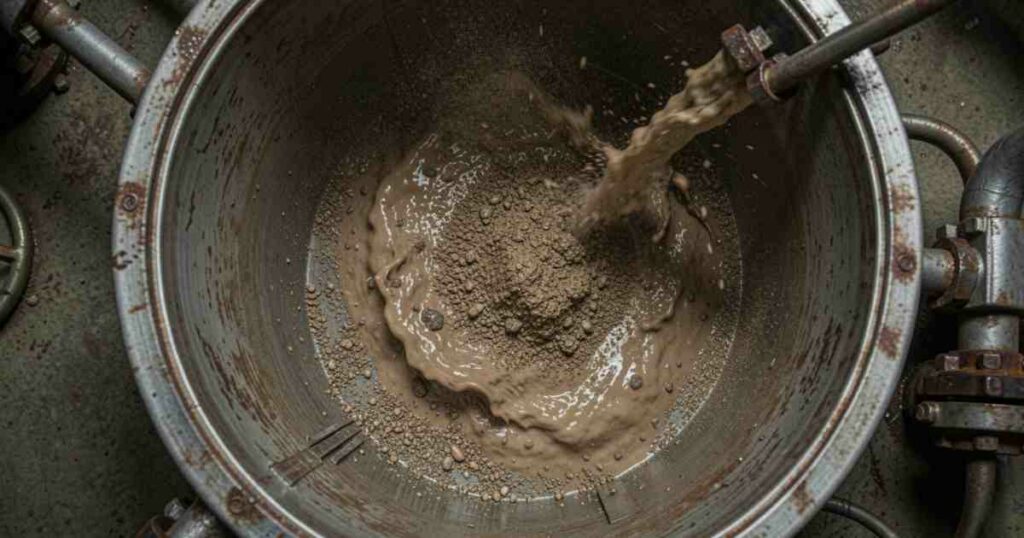
![How to Flush Water Heater Prevent Sediment Build[1]](https://creativehouseblog.com/wp-content/uploads/2026/05/How_to_Flush_Water_Heater_Prevent_Sediment_Build1.jpg)
Why Flushing Your Water Heater is Important
Understanding Water Heater Sediment
Sediment in a water heater comes from minerals in the water supply, like calcium and magnesium.
These minerals can settle at the bottom of your tank over time. Think of it like sand settling at the bottom of a pond.
This buildup isn’t just unsightly; it can cause real problems for your water heater. It can make it work harder to heat your water, use more energy, and even shorten its lifespan. Regularly removing this sediment is key to good performance.
When sediment builds up, it forms a layer at the bottom of the tank. This layer acts as an insulator.
The heating element (in electric heaters) or the burner (in gas heaters) has to heat through this layer of sediment to get to the water.
This means it takes longer to heat your water and uses more electricity or gas. Over time, this increased strain can lead to the heating element or tank itself being damaged.
You might also notice strange noises like popping or rumbling sounds as the sediment heats up and releases trapped water.
The presence of sediment can also lead to corrosion. Minerals in the sediment can react with the metal of your water heater tank, causing it to rust from the inside. This is a major reason why water heaters fail prematurely.
A tank that corrodes can eventually leak, meaning you’ll need a costly replacement. Taking preventive measures like flushing your water heater can significantly extend its life and save you money on energy bills and future repairs. It’s a simple habit for a healthier appliance.
Sources of Sediment
The water you get from your tap isn’t pure. It contains dissolved minerals, and where you live affects what’s in your water. Areas with “hard water” have high levels of calcium and magnesium.
These are the primary culprits for sediment. When the water in your tank is heated, these dissolved minerals can become solid. They then fall out of the water and collect at the bottom.
This process happens in all water heaters, but it’s much faster in homes with very hard water. The type of water heater can also play a role.
For instance, tankless water heaters are less prone to sediment buildup because they heat water on demand and don’t store large volumes.
However, they can still get clogged, especially in the heat exchangers. Traditional tank water heaters are where sediment is most commonly seen.
Even if your water isn’t considered extremely hard, over months and years, enough minerals will accumulate to cause issues.
Municipal water treatment processes can sometimes add other substances, though usually these are filtered out. The main concern remains naturally occurring hard minerals.
Another factor is the age of your plumbing. Older pipes might shed small amounts of rust or debris. This can add to the sediment load in your water heater.
While not as significant as mineral deposits, it’s another reason to keep your water heater clean.
Regularly flushing your system helps remove not just minerals but any other small particles that might get in.
This ensures that only clean water is being heated and distributed throughout your home.
Consequences of Sediment Buildup
One of the most immediate effects of sediment buildup is a reduction in hot water availability.
As the sediment takes up space at the bottom of the tank, it lessens the amount of actual water that can be heated.
You might find yourself running out of hot water sooner than usual, even if your water heater’s capacity should be sufficient.
This is especially noticeable during peak usage times, like when multiple showers are being taken or the dishwasher and washing machine are running.
Another significant consequence is increased energy costs. As mentioned earlier, the insulating layer of sediment forces the heating element or burner to work harder and longer to heat the water. This translates directly into higher electricity or gas bills each month.
The U.S. Department of Energy estimates that sediment can reduce a water heater’s efficiency by up to 15%, leading to substantial wasted energy over time. This is money literally going down the drain due to an inefficient appliance.
Finally, sediment buildup severely shortens the lifespan of your water heater. The constant extra strain on the heating components and the potential for internal corrosion can cause premature failure. A typical water heater might last 10-15 years.
However, with neglect and sediment buildup, this lifespan can be cut in half or even more. Replacing a water heater is a significant expense, often costing hundreds or even thousands of dollars. Preventing sediment is a proactive way to avoid these costly repairs and replacements.
Gathering Your Tools and Materials
Before you start the process of flushing your water heater, it’s essential to have everything you need ready.
This will make the job go smoothly and safely. You don’t want to be halfway through and realize you’re missing a critical item.
Most of the items are common household tools, but a few specific items are necessary for the water heater itself.

First, you’ll need a garden hose. Make sure it’s long enough to reach from your water heater to a drain or outside. A standard 5/8-inch diameter hose is usually suitable.
You’ll also need a wrench to turn off the water supply and to disconnect the hose. A pipe wrench or adjustable wrench will work well for the water inlet valve.
Some people also find it helpful to have a bucket handy to catch any residual water or debris.
For safety, you might want to wear work gloves to protect your hands and safety glasses to protect your eyes from any splashing water or debris. If your water heater has an older drain valve made of plastic, it might be brittle.
In such cases, it’s better to use a brass drain valve adapter to connect the hose securely and avoid damaging the existing valve.
Lastly, you might need a small amount of plumber’s tape or pipe dope to ensure a watertight seal on the hose connection, though many modern hoses have good rubber washers.
Essential Tools
The primary tool you’ll need is a wrench. An adjustable wrench is versatile and can handle various nut sizes. A pipe wrench is also a good option for gripping pipes and valves securely.
You’ll use this to turn off the cold water supply to the heater and to open and close the drain valve at the bottom. Make sure the wrench is in good condition and fits the valves properly to avoid stripping them.
A garden hose is your next crucial item. Ensure it’s in good condition, without any cracks or leaks. A standard 50-foot hose should be sufficient for most homes.
The end of the hose needs to fit securely onto the drain valve of your water heater. Many drain valves have a threaded outlet specifically for a garden hose connection. If yours doesn’t, you might need an adapter, but this is less common on newer models.
You might also find a pair of pliers useful. They can help with gripping small parts or tightening connections if needed.
A bucket is a good idea to place under the drain valve initially, just in case there’s any initial spray before the hose is fully connected.
Some people prefer to have a hose clamp handy to ensure the garden hose stays firmly attached to the drain valve, especially if the connection feels a bit loose.
Supplies for a Smooth Flush
Beyond the basic tools, a few supplies can make the flushing process much easier and more effective. A garden hose is the main supply needed. Ensure it’s clean and doesn’t have any kinks.
The length is important; it needs to reach your chosen drainage point comfortably. Connecting it securely to the drain valve is vital to prevent leaks and messes.
If your water heater is older, the drain valve might be made of plastic and could be prone to cracking or breaking. In such cases, consider using a brass drain valve adapter. This screws onto the existing drain valve and provides a more robust connection for your hose.
It’s a small investment that can prevent a much larger problem. Always check the condition of your drain valve before starting.
You might also consider having some plumber’s tape or pipe dope on hand. While not always strictly necessary, applying a bit of tape or dope to the threads of the drain valve before connecting the hose can ensure a leak-free seal. This is especially helpful if the valve threads are a bit worn.
Lastly, having a towel or rags nearby is always a good idea for wiping up any spills or drips that might occur during the process.
Safety First Before You Begin
Working with water heaters involves both hot water and electricity or gas. It’s crucial to prioritize safety to avoid injuries or damage. Always take a moment to assess the situation and prepare yourself properly.
Simple precautions can prevent serious accidents.
The first and most important step is to turn off the power or gas supply to your water heater. If it's an electric water heater, locate the circuit breaker in your electrical panel and flip it to the OFF position for the water heater circuit.
For a gas water heater, find the gas control valve near the bottom of the tank and turn the knob to the “OFF” position.

This step is non-negotiable and prevents the unit from heating water while you’re working on it, which could cause burns or damage.
Next, you need to shut off the cold water supply to the water heater. There should be a valve on the cold water pipe leading into the top of the tank. Turn this valve clockwise until it’s fully closed.
This stops more water from entering the tank while you drain it. Once the water supply is off and the power/gas is disconnected, you can proceed with draining the tank. Always double-check that these steps have been completed before moving on.
Disconnecting Power or Gas
For electric water heaters, finding the correct circuit breaker is key. It’s usually labeled “Water Heater” or similar in your main electrical panel. Ensure the breaker is in the fully OFF position.
Sometimes, people mistakenly think “on” and “off” are the same as flipping a switch. You need to ensure the power is completely cut to the unit.
You can test this by trying to turn on a hot water faucet; if no hot water comes out (after running the remaining hot water from the tank), the power is likely off.
Gas water heaters have a gas control valve typically located at the bottom of the tank, often with a dial.
This dial usually has settings for “Hot,” “Vacation,” and “Off.” You need to turn the dial to the “Off” position. Some gas valves also have a pilot light.
If your heater has one, you’ll need to ensure the pilot light is extinguished. Follow the manufacturer’s instructions for your specific model if you’re unsure how to safely turn off the gas supply and pilot light.
It’s always a good practice to leave the power or gas off until the flushing is complete and the tank is refilled.
Once you’re ready to turn it back on, you’ll reverse the process. For gas units, you’ll need to relight the pilot light according to the instructions on the water heater itself, usually found on a sticker near the gas valve.
For electric units, simply flip the circuit breaker back to the ON position. Ensuring these safety steps are followed protects you and prevents damage to the appliance.
Shutting Off Water Supply
Locate the cold water inlet pipe on your water heater. This is typically the pipe that enters the top of the tank and is often connected to a valve. The valve handle might be a lever or a round knob.
For lever-style valves, turn it 90 degrees so it’s perpendicular to the pipe. For knob-style valves, turn it clockwise until it stops. This is the universal sign for closing a valve.
Once the cold water supply is shut off, it’s a good idea to open a hot water faucet somewhere in your house, like the kitchen sink or a bathroom tap.
This helps to relieve any pressure in the tank and allows air to enter the tank as it drains, which speeds up the process. Leave this faucet running throughout the draining and flushing.
You should also open the drain valve at the bottom of the water heater slightly to test if the cold water supply is indeed off. If water continues to flow strongly from the drain valve, you haven’t shut off the main supply correctly.
Remember to turn the cold water supply valve back on only after you have completed the flushing and refilled the tank.
If you try to refill the tank with the cold water supply still off, you’ll just be trying to fill an empty, sealed container, which won’t work.
So, paying close attention to the water shut-off valve is a critical step in the preparation phase.
Step-by-Step Guide to Flushing
Now that you’ve gathered your tools and taken safety precautions, you’re ready to flush your water heater.
This process involves draining the tank, flushing out the sediment, and then refilling the tank. Follow these steps carefully for a successful outcome.
First, ensure the power or gas to the water heater is off and the cold water supply is shut. Connect your garden hose to the drain valve at the bottom of the tank.
Make sure the other end of the hose is placed in a suitable drainage location, such as a floor drain, a utility sink, or outside where it won’t cause damage.
Open a nearby hot water faucet to allow air into the tank.
Next, open the drain valve. This may require a wrench or screwdriver depending on the type of valve. Be prepared for hot water to come out.
Once the tank has fully drained, turn on the cold water supply to the tank. Let water flow through the tank for a few minutes to flush out any remaining sediment.
After flushing, close the drain valve, turn off the hot water faucet you opened earlier, and then turn on the cold water supply valve.
Once the tank is completely full of water, turn the power or gas supply back on. For gas units, relight the pilot light following the manufacturer’s instructions. Allow the water to heat up, and then you can enjoy your clean, efficient hot water.
You’ve successfully flushed your water heater!
Draining the Tank
With the cold water supply turned off and a hot water faucet open, it’s time to drain the tank. Locate the drain valve, usually found at the very bottom of the water heater. It often looks like a spigot or has a small handle you can turn.
Attach your garden hose securely to this drain valve. Make sure the other end of the hose is directed to a safe drainage point.
Slowly open the drain valve. You might need a wrench to turn it. Be cautious as the water inside can be very hot.
As the water begins to flow out, you might see sediment or discolored water. This is normal and exactly what you want to remove. Let the water drain completely.
This can take anywhere from 15 minutes to an hour or more, depending on the size of your tank and how much sediment is present.
If the water stops flowing before the tank is empty, it might be because air can’t get into the tank to replace the water.
If you have a secondary way to let air in, like another valve or a small opening, you might need to open it.
However, for most standard residential water heaters, simply having a hot water faucet open somewhere in the house is enough to allow air in.
Patience is key here; let all the water and sediment drain out.
Flushing Out Sediment
Once the tank is empty, you’re ready for the flushing step. This involves running fresh water through the tank to dislodge and wash away any lingering sediment. Turn the cold water supply valve back on to fill the tank.
As it fills, the incoming water will help stir up and push out any sediment that didn’t drain out.
Let the water run through the tank for several minutes. You can periodically open and close the drain valve slightly to help push out more debris. Continue this process until the water coming out of the hose runs clear.
This might take a few cycles of filling and draining a portion of the tank, especially if there was a significant amount of sediment.
Some people recommend partially refilling the tank, then draining it again. Repeat this a few times. This “churning” action helps loosen stubborn sediment deposits.
The goal is to get as much of the loose sediment out of the tank as possible before refilling it completely.
Once the water runs clear from the hose, close the drain valve securely. It’s important to ensure the drain valve is fully closed to prevent leaks.
Refilling and Restarting
After you’ve flushed out the sediment and closed the drain valve, you need to refill the tank with fresh water.
Make sure the cold water supply valve is still open. Open a hot water faucet in your home again.
You should hear the tank filling up. Let the water run from the hot water faucet until you get a steady stream of water, indicating that the tank is full and all the air has been purged.
Once the tank is completely full and you have a steady stream from the hot water faucet, close the faucet.
Now, it’s time to restore power or gas to the water heater. For electric heaters, flip the circuit breaker back to the ON position.
For gas heaters, turn the gas control valve back to the desired temperature setting and relight the pilot light according to the manufacturer’s instructions. Ensure all connections are secure and leak-free.
The water heater will now begin heating the fresh water. This can take some time, depending on the size of the tank and the initial water temperature.
Once the water is heated, you can check for any leaks around the drain valve or connections.
If everything is dry and functioning properly, you’ve successfully completed the process. You’ve taken a great step in maintaining your water heater and ensuring a consistent supply of hot water.
How Often Should You Flush Your Water Heater
The frequency with which you should flush your water heater depends on a few factors. The most important is the hardness of your water. If you have very hard water, you’ll likely need to flush it more often than someone with soft water.
Sediment builds up faster in hard water conditions.
Generally, it’s recommended to flush your water heater at least once a year. This is a good baseline for most households.
If you have noticeably hard water, or if you’ve recently noticed signs of sediment buildup, such as reduced hot water pressure, strange noises, or longer heating times, you might need to flush it every 6 to 9 months.
Conversely, if you have very soft water and no apparent issues, flushing once every 18-24 months might suffice.
Another indicator is your local water quality report. Many municipalities provide information on the mineral content of their water supply.
If your water has a high parts-per-million (PPM) reading for minerals like calcium and magnesium, it’s considered hard, and more frequent flushing is advised.
Paying attention to these factors will help you establish the best flushing schedule for your specific home and water conditions.
Factors Influencing Frequency
The primary factor dictating how often you need to flush your water heater is water hardness. Water hardness is measured in grains per gallon (GPG). Water with 0-3.5 GPG is considered soft.
Moderately hard water is between 3.5 and 7 GPG. Hard water ranges from 7 to 10.5 GPG, and very hard water is above 10.5 GPG. If your water is in the hard or very hard categories, sediment will form more rapidly.
The type of water heater can also play a role. Tankless water heaters, while not storing water, can still have mineral deposits form in their heat exchangers.
However, they often have different maintenance requirements and might not need the same type of draining and flushing as a tank model.
For traditional tank water heaters, the amount of water usage in your household also matters. A larger family that uses more hot water will cause the water to heat and cool more frequently, potentially speeding up the mineral precipitation process.
Age of the plumbing system and the water heater itself can also be considerations. Older tanks might be more susceptible to corrosion, and sediment can exacerbate this.
If you’ve recently had plumbing work done, especially on the main water line, it might have stirred up sediment in the pipes that could end up in your water heater.
Keeping a log of when you last flushed the system can help you stay on track.
Signs Your Water Heater Needs Flushing
You don’t always need a water hardness test to know when it’s time to flush. Your water heater will often give you clues. One common sign is a decrease in the amount of hot water available.
If your family used to have plenty of hot water and now you’re running out quickly, sediment might be taking up valuable space in the tank.
Another noticeable sign is strange noises coming from the water heater. Popping, rumbling, or sizzling sounds often indicate that water is trapped beneath a layer of sediment and is being superheated. This is a clear sign of a sediment problem.
These noises are the water trying to escape from under the mineral buildup.
You might also notice a reduction in water pressure when using hot water, or discolored water coming from your hot water taps.
If your hot water has a metallic taste or smell, it could be a sign of corrosion caused by sediment. These are all indicators that your water heater is struggling due to sediment and would benefit from a good flushing.
Troubleshooting Common Issues
While flushing a water heater is usually straightforward, you might encounter a few hiccups along the way. Knowing how to handle them can save you time and frustration.
One common issue is a stubborn drain valve that won’t open or close properly. If it’s stuck, try gently wiggling it or applying a bit more force with your wrench. If it’s a plastic valve, be very careful not to break it.
If it’s truly seized, you might need to call a plumber. Another problem can be a leaky connection at the drain valve or where the hose attaches.
If you find leaks after refilling and turning the water back on, try tightening the connections. If a leak persists from the valve itself, the valve might need to be
Stuck Drain Valve
If the drain valve on your water heater is difficult to turn, ensure you’re using the right tool and applying pressure correctly.
A pipe wrench provides excellent grip for stubborn valves. Turn the valve counter-clockwise to open it and clockwise to close it.
Apply steady, firm pressure. Avoid jerky movements that could damage the valve or the tank fitting.
If the valve still won’t budge, you can try tapping the handle gently with the handle of your wrench or a small hammer.
This vibration can sometimes help loosen it. For very stubborn valves, some people use a penetrating lubricant, but be sure to wipe away any excess thoroughly before turning the water back on, as it could be flammable or create fumes.
If the valve is old and made of plastic, it might be brittle. If you’re worried about breaking it, consider having a professional plumber replace the valve before you attempt to flush the heater.
A broken drain valve will require immediate attention and will likely prevent you from safely draining and refilling your water heater.
Leaking Connections
Leaks at the hose connection to the drain valve are usually due to a poor seal. Ensure the hose is threaded on tightly.
If your hose has a rubber washer inside the coupling, check that it’s present and in good condition.
Sometimes, sediment or debris on the threads of the valve or the hose coupling can prevent a tight seal.
If you’ve applied plumber’s tape or pipe dope to the valve threads, make sure you haven’t overdone it, as excess material can sometimes interfere with a good seal.
If the leak persists, try removing the hose, cleaning both sets of threads, and reattaching the hose, making sure it’s on straight and snug. A hose clamp can provide extra security on the connection.
If the leak is coming from the drain valve itself, even when it’s fully closed, the valve might be damaged or worn out. In this case, the valve will likely need to be
Frequently Asked Questions Of How to Flush Water Heater Prevent Sediment Build
Question: How long does it take to flush a water heater?
Answer: Flushing a water heater typically takes about 30 minutes to an hour, depending on the size of the tank and how much sediment needs to be removed. The draining process can take the longest.
Question: Can I flush my water heater if I don’t have a garden hose?
Answer: While a garden hose is the easiest way, you might be able to use a large diameter flexible pipe or tubing that fits securely onto the drain valve. Ensure it can handle hot water and is directed to a drain.
Question: Will flushing remove all the sediment?
Answer: Flushing is very effective at removing loose sediment. However, some very hard or caked-on deposits might remain. Regular flushing is the best way to prevent significant buildup.
Question: What if my water heater makes strange noises after flushing?
Answer: If strange noises persist after flushing and refilling, it could indicate damage to the heating element or a more significant issue. It might be time to consult a professional.
Question: Can flushing a water heater damage it?
Answer: If done correctly and with proper safety precautions, flushing is beneficial and does not damage the water heater. The main risks come from improper handling of hot water or electricity/gas, or breaking the drain valve.
Conclusion
Learning how to flush your water heater to prevent sediment build is an achievable DIY task.
By following these steps, you can ensure your water heater runs efficiently, lasts longer, and provides consistent hot water. Regular maintenance like this saves money on energy bills and prevents costly repairs.
You’ve got this!

![How to Find Cold Air Leaks Before Winter Arrives[1]](https://creativehouseblog.com/wp-content/uploads/2026/05/How_to_Find_Cold_Air_Leaks_Before_Winter_Arrives1-768x403.jpg)
![Induction vs Electric Stoves A Simple Guide[1]](https://creativehouseblog.com/wp-content/uploads/2026/03/Induction_vs_Electric_Stoves_A_Simple_Guide1-768x448.jpg)
![10 Foods You Can Dehydrate At Home[1]](https://creativehouseblog.com/wp-content/uploads/2026/04/10_Foods_You_Can_Dehydrate_At_Home1-768x448.jpg)
![What Is a Stand Mixer Used For Explained[1]](https://creativehouseblog.com/wp-content/uploads/2026/03/What_Is_a_Stand_Mixer_Used_For_Explained1-768x448.jpg)
![8 Benefits Of Using A Water Filter At Home[1]](https://creativehouseblog.com/wp-content/uploads/2026/04/8_Benefits_Of_Using_A_Water_Filter_At_Home1-768x448.jpg)
![How to Use a Food Processor Safely[1]](https://creativehouseblog.com/wp-content/uploads/2026/03/How_to_Use_a_Food_Processor_Safely1-768x448.jpg)