
Bitter espresso typically results from one of six common issues: using old beans, incorrect grind size, water that is too hot, over-extraction, overfilling the portafilter, or a dirty machine. To fix this, ensure your beans are fresh, adjust your grind finer for a slower pour, verify your water temperature is between 195-205 degrees Fahrenheit, and regularly clean your equipment. Correcting these specific variables eliminates harsh bitterness and produces a well-balanced, flavorful shot of espresso.
Making good espresso at home can be tricky. Sometimes, your espresso might taste a bit too bitter, which can be a real bummer when you’re just starting out. But don’t worry!
We’ll break down the 6 Reasons Your Espresso Tastes Bitter in a way that’s easy to follow. You’ll get simple tips to fix it. Let’s look at what might be going wrong and how to make your espresso taste just right.
We’ll cover everything you need to know to get a delicious shot every time.
Key Takeaways
- You can learn the common reasons why espresso tastes bitter.
- Proper coffee bean freshness and storage are important for taste.
- Grind size plays a big role in how bitter your espresso is.
- Water temperature needs to be just right for good flavor.
- Extraction time is key to avoiding a bitter taste.
- Cleaning your espresso machine helps a lot with flavor.
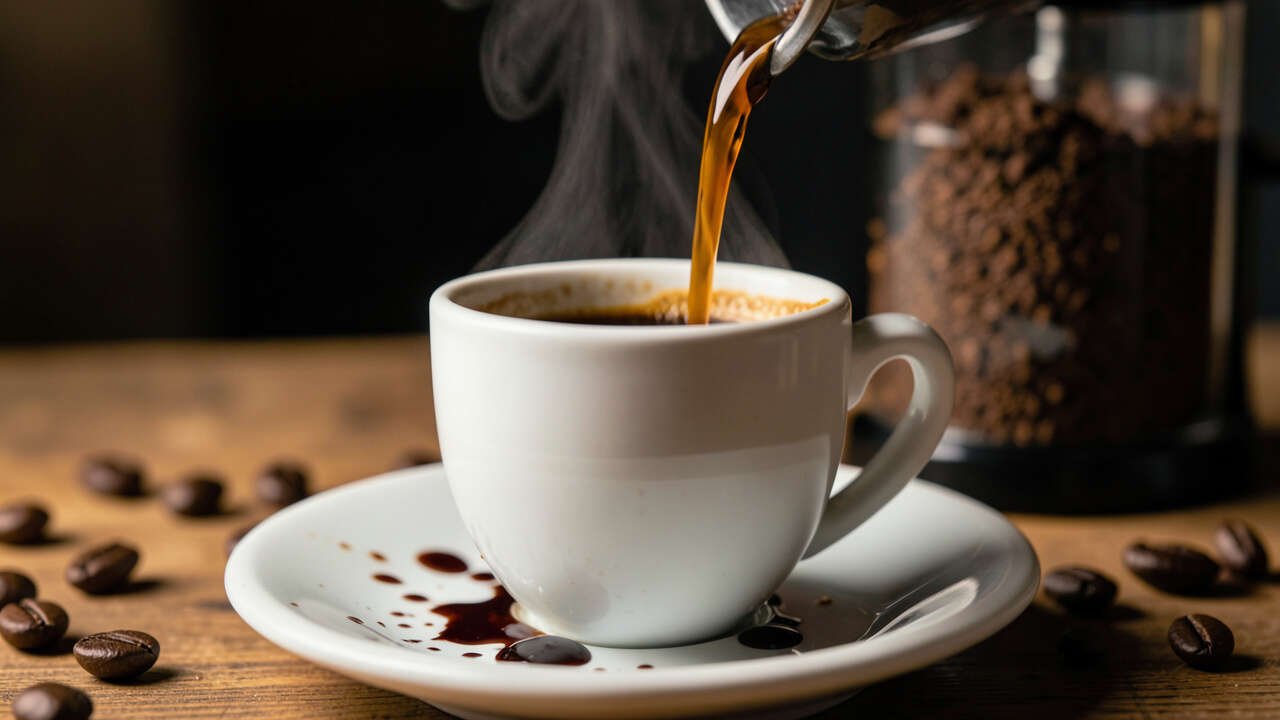
Why Espresso Can Taste Bitter
Getting a perfectly balanced espresso shot is a skill. Many people new to making espresso at home find that their shots come out tasting too bitter. This is a very common issue, and it can be frustrating.
A bitter taste can come from a few different places. The good news is that these are usually easy fixes. We’ll go through the 6 Reasons Your Espresso Tastes Bitter one by one.
1. Old or Stale Coffee Beans
The freshness of your coffee beans is super important for taste. Coffee beans lose their flavor over time. When beans get old, they can start to taste stale and bitter.
This is because the natural oils and compounds that give coffee its good flavors break down. Old beans often lead to an unpleasant, bitter cup.
Think of coffee beans like fresh bread. When it’s baked, it’s wonderful. After a few days, it gets hard and doesn’t taste as good.
Coffee beans are similar. The best flavor is usually within a few weeks of the roast date.
What to do:
- Always buy whole coffee beans.
- Check the roast date on the bag. Try to use beans within 2-4 weeks of roasting.
- Store your beans in an airtight container. Keep them in a cool, dark place, but not in the fridge or freezer.
2. The Grind Size is Wrong
The size of the coffee grounds is a big deal for espresso. If your coffee grounds are too fine, the water will have a hard time passing through them. This can cause the water to sit too long and pull out too many bitter compounds from the coffee.
This process is called over-extraction, and it’s a major cause of bitterness.
On the other hand, if the grounds are too coarse, the water will pass through too quickly. This can lead to an under-extracted shot, which might taste sour or weak, not necessarily bitter. But for bitterness, too fine a grind is the usual suspect.
What to do:
- Use a good quality burr grinder. Blade grinders don’t give a consistent grind.
- Experiment with your grinder settings. You want a grind that feels like fine sand.
- Make small adjustments. If your espresso is too bitter, try making your grind slightly coarser.
3. Water Temperature is Too High
Espresso machines heat water to a specific temperature to brew coffee. This temperature is critical for pulling out the right flavors. If the water is too hot, it can “scorch” the coffee grounds.
This pulls out bitter compounds much faster than it should. It’s like overcooking your food; it burns and tastes bad.
The ideal brewing temperature for espresso is usually between 195°F and 205°F (90.5°C to 96°C). Most good espresso machines will keep the temperature in this range. But sometimes, machines can run a little hotter.
What to do:
- If you have a machine with temperature control, try lowering it slightly.
- If your machine doesn’t have temperature control, you might try letting the machine run a little water through the group head before brewing. This can sometimes cool it down a tiny bit.
- If you consistently get bitter shots and suspect temperature, talk to a barista or check your machine’s manual.
4. Extraction Time is Too Long
Extraction time refers to how long the hot water is in contact with the coffee grounds. For espresso, this is usually a short period, around 25 to 30 seconds. If the water flows through the coffee for too long, it can extract bitter flavors.
This goes back to the idea of over-extraction.
When you pull a shot, you want a nice, even flow. If the shot takes much longer than 30 seconds to produce the desired amount of espresso, it’s likely over-extracting. This is often linked to the grind size being too fine, as mentioned before.
The grind size affects how fast the water flows, which in turn affects the extraction time.
What to do:
- Time your espresso shots. Aim for about 25-30 seconds for a standard double shot (around 1.5 to 2 ounces).
- If your shots are taking too long and are bitter, try making your grind a little coarser.
- If your shots are too fast and taste sour, your grind might be too coarse.
5. Too Much Coffee or Too Tightly Packed Grounds (Tamping)
How much coffee you use and how you pack it down (tamping) both matter. If you use too much coffee for the basket size, it can be hard to get an even extraction. The water might channel, meaning it finds paths of least resistance and doesn’t flow evenly through all the coffee.
This can lead to some parts being over-extracted (bitter) and others under-extracted (sour).
Also, how firmly you tamp your coffee can affect extraction. If you tamp too hard, it can make the coffee puck very dense, which can also lead to channeling or slower water flow, potentially causing bitterness. If you tamp too lightly, the puck can be unstable and lead to uneven extraction.
What to do:
- Use a consistent amount of coffee for your basket size.
- Learn to tamp with firm, even pressure. You don’t need to use all your strength, but it should be firm and level.
- Distribute the coffee evenly in the basket before tamping. A WDT tool (Weiss Distribution Technique) can help with this.
6. A Dirty Espresso Machine
Coffee oils build up in your espresso machine over time. These oils can go rancid and impart a bitter, unpleasant taste to your coffee. If you don’t clean your machine regularly, these old coffee residues can mix with your fresh espresso and make it taste bitter.
This includes the portafilter, shower screen, and group head. Regular cleaning is essential for good-tasting espresso, just like keeping your dishes clean after a meal.
What to do:
- Clean your portafilter and basket after every use.
- Backflush your machine regularly with water.
- Perform a deeper clean with espresso machine cleaner every few weeks, depending on how often you use it.
- Clean the shower screen and group head area often.
Frequently Asked Questions
Question: What is the main cause of bitter espresso?
Answer: The most common causes of bitter espresso are over-extraction, which happens when the coffee grounds are too fine, the water is too hot, or the extraction time is too long. Stale coffee beans and a dirty machine can also contribute to bitterness.
Question: How can I make my espresso less bitter?
Answer: To make your espresso less bitter, try adjusting your grind size to be slightly coarser, ensure your water temperature is correct (around 195-205°F), and time your shots to be between 25-30 seconds. Also, use fresh coffee beans and keep your machine clean.
Question: Does stale coffee taste bitter?
Answer: Yes, stale coffee beans can often taste bitter. As coffee ages, the oils and compounds that create flavor can break down and turn rancid, leading to a bitter taste.
Question: How long should an espresso shot pull for?
Answer: A standard double espresso shot should ideally take between 25 and 30 seconds to pull from the moment you start the pump. If it takes much longer, it’s likely over-extracting and will taste bitter.
Question: Is it okay to use beans that are more than a month old?
Answer: While you can technically use beans that are over a month old, their peak flavor will have passed. They are more likely to taste stale and contribute to bitterness in your espresso.
Final Thoughts
Fixing bitter espresso is totally doable! By checking your beans, grind size, water temperature, and how long you brew, you can make a big difference. Always keep your machine sparkling clean.
These simple steps help you get delicious espresso. You’ve got this!

![How to Clean Your Coffee Maker Easily[1]](https://creativehouseblog.com/wp-content/uploads/2026/03/How_to_Clean_Your_Coffee_Maker_Easily1-768x448.jpg)
![8 Indoor Grill Cleaning Hacks That Actually Work[1]](https://creativehouseblog.com/wp-content/uploads/2026/04/8_Indoor_Grill_Cleaning_Hacks_That_Actually_Work1-768x448.jpg)
![9 Drinks You Can Make With A Milk Frother[1]](https://creativehouseblog.com/wp-content/uploads/2026/04/9_Drinks_You_Can_Make_With_A_Milk_Frother1-768x448.jpg)
![Home Maintenance Mistakes Cost Homeowners Yearly[1]](https://creativehouseblog.com/wp-content/uploads/2026/05/Home_Maintenance_Mistakes_Cost_Homeowners_Yearly1-1-768x403.jpg)
![What Is a Blender Used For in the Kitchen[1]](https://creativehouseblog.com/wp-content/uploads/2026/03/What_Is_a_Blender_Used_For_in_the_Kitchen1-768x448.jpg)
![Fixing Common Toaster Problems Simply[1]](https://creativehouseblog.com/wp-content/uploads/2026/03/Fixing_Common_Toaster_Problems_Simply1-768x448.jpg)