
Avoiding common electric kettle mistakes such as overfilling, underfilling, or neglecting regular cleaning is crucial for optimal performance and safety. These errors can lead to reduced appliance lifespan, inefficient operation, and potential electrical hazards. By mastering proper filling levels and consistent maintenance, users ensure faster boiling, better-tasting water, and prolonged durability for their kettle.
Using a new electric kettle might seem super simple, but some little things can trip up beginners. Don’t worry, though! We’ll walk you through the 7 Electric Kettle Mistakes You Should Avoid in a way that’s easy to follow.
You’ll be making perfect hot drinks in no time. Let’s get started by looking at what not to do so you can get it right from the start.
Key Takeaways
- You’ll learn how to properly fill your electric kettle to avoid damage.
- Discover the importance of using the right amount of water.
- Understand why cleaning your kettle regularly is essential for its life and your drinks.
- Learn how to avoid common electrical issues with your kettle.
- See why unplugging your kettle when not in use is a smart habit.
- Find out how to prevent limescale buildup for better taste and performance.
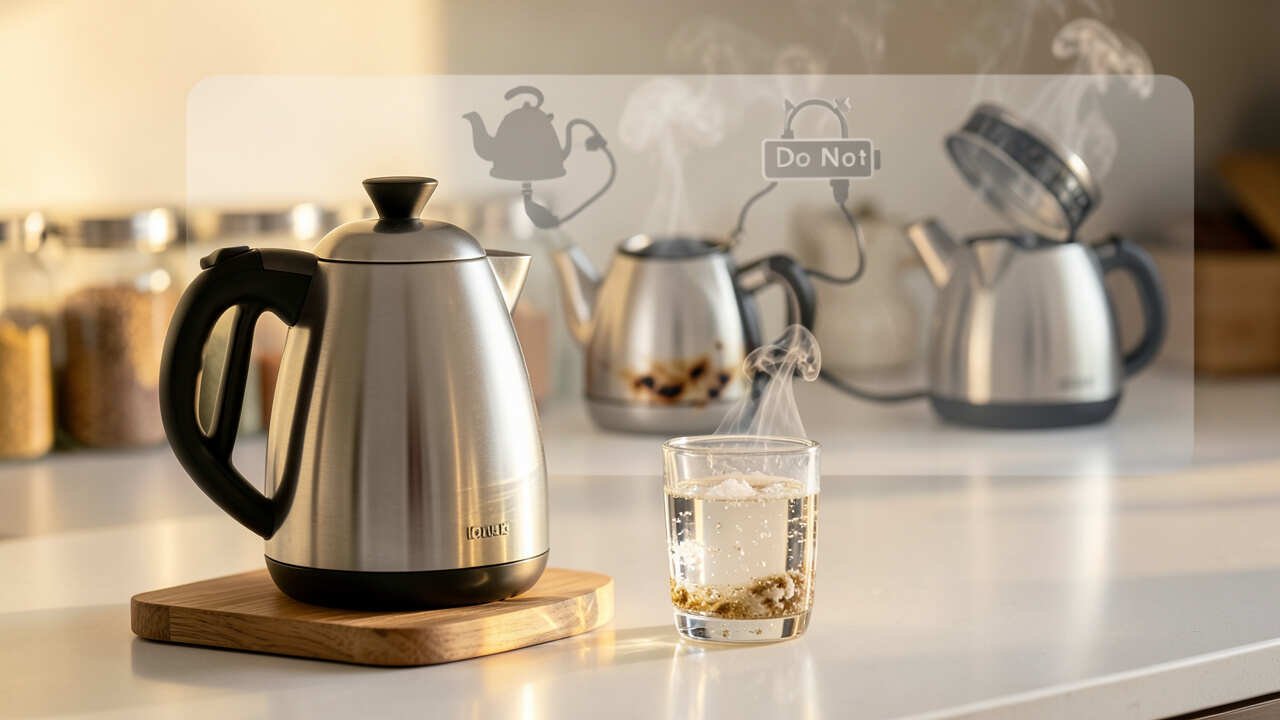
Making the Most of Your Electric Kettle: Avoiding Common Pitfalls
Electric kettles are kitchen heroes. They boil water fast for tea, coffee, and even cooking. But even with these handy gadgets, people sometimes make simple mistakes.
These errors can shorten your kettle’s life, make your drinks taste funny, or even be a bit unsafe. Knowing these common slip-ups helps you use your kettle better and keep it working well for ages.
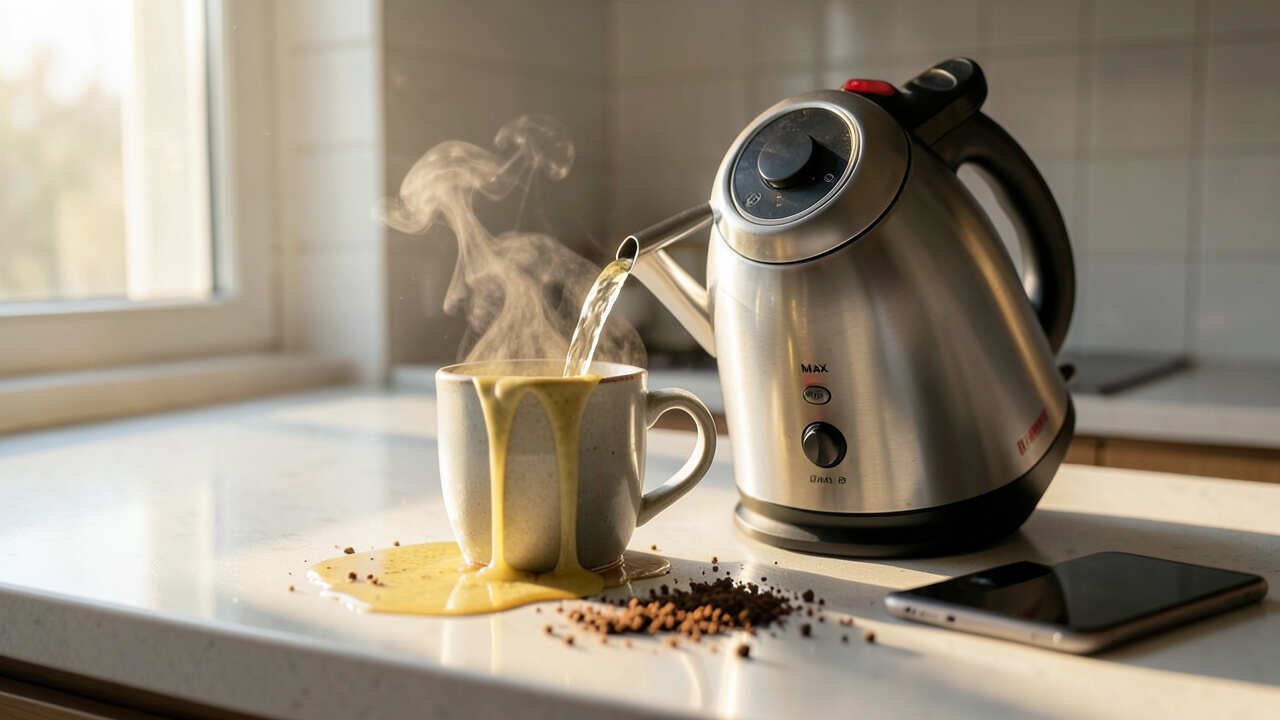
Mistake 1: Overfilling Your Electric Kettle
Why it’s a Problem
One of the most common errors is filling the kettle too full. Most kettles have a “max” line inside. If you go over this line, boiling water can spill out when it gets hot.
This can splash onto your countertop or even your hands, causing burns. It also puts extra strain on the heating element, which might not be designed to handle that much water heating up at once.
How to Get it Right
Always look for the fill lines inside your kettle. These are usually marked with “min” and “max.” Fill the water between these two marks. If you can’t see the lines clearly, it’s better to err on the side of caution and not fill it all the way to the top.
Just enough for your needs is perfect.
Mistake 2: Underfilling Your Electric Kettle
Why it’s a Problem
On the flip side, not putting enough water in your kettle is also a mistake. Most electric kettles have a minimum water level they need to operate safely. If you try to boil water with too little, the heating element might get too hot without enough water to cool it.
This can cause the element to overheat, potentially damaging it or even causing a safety hazard. Some kettles will also automatically shut off if they detect a low water level, but it’s still not ideal for the appliance.
How to Get it Right
Check for that “min” line inside your kettle. Make sure the water level is at least at this mark before you turn it on. If you only need a small amount of hot water, a mini electric kettle or a stovetop kettle might be a better option if you’re worried about using too much water in a larger electric one.
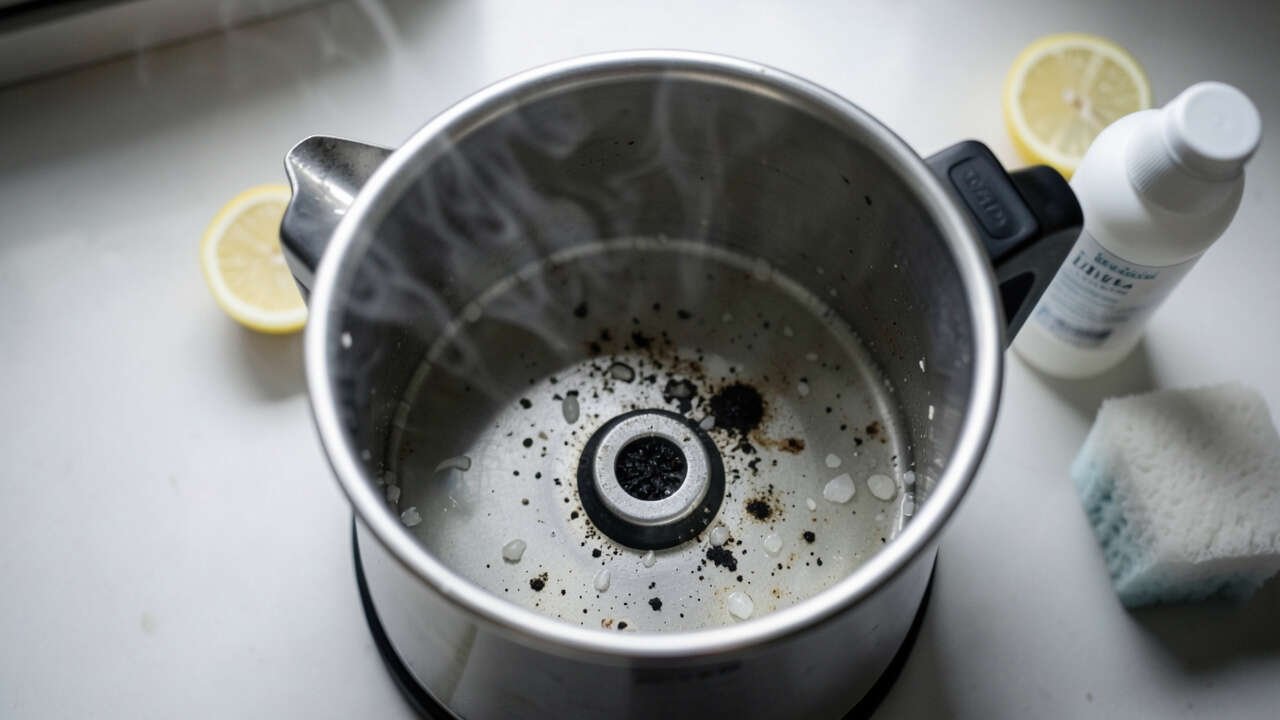
Mistake 3: Not Cleaning Your Kettle Regularly
Why it’s a Problem
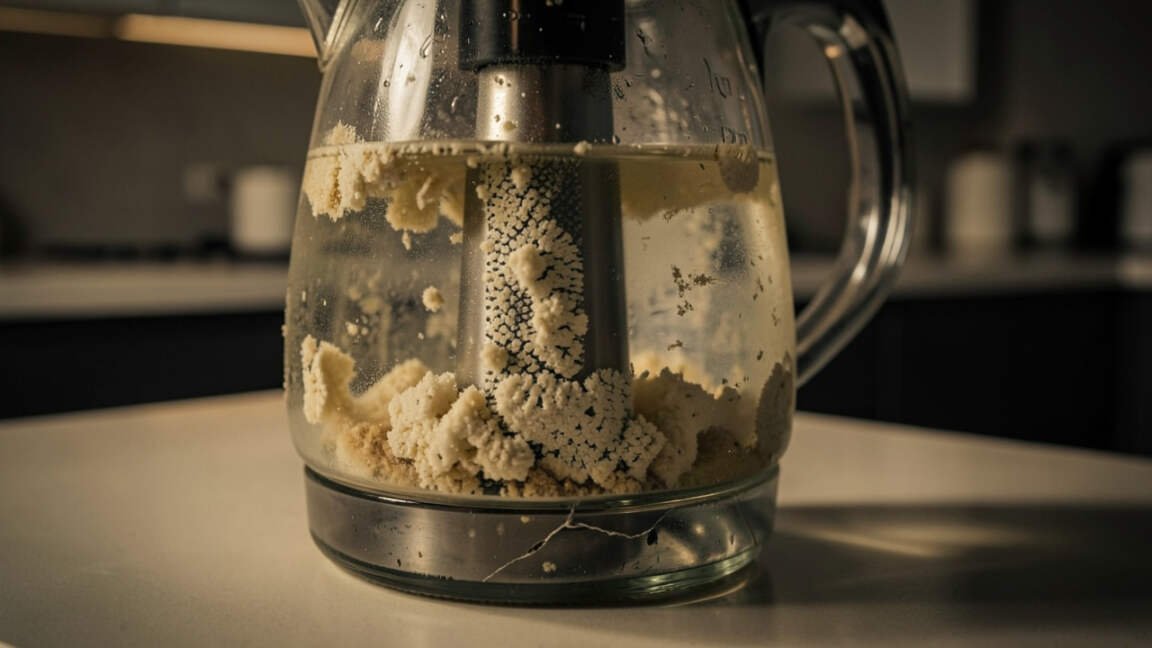
Over time, mineral deposits from tap water, called limescale, build up inside your kettle. This is more common in areas with hard water. Limescale looks like white, chalky flakes and can make your water taste funny, affecting the flavor of your tea or coffee.
It also makes your kettle less efficient, meaning it takes longer to boil water and uses more energy. In severe cases, it can even clog the heating element.
How to Get it Right
Clean your kettle often, at least once a month, or more if you have hard water. You can use a vinegar and water solution to descale it. Mix equal parts white vinegar and water, fill the kettle, and let it sit for about an hour (or overnight for tough limescale).
Then, boil the mixture, discard it, and rinse the kettle thoroughly. Boil a kettle of plain water afterward and discard it to remove any vinegar taste.
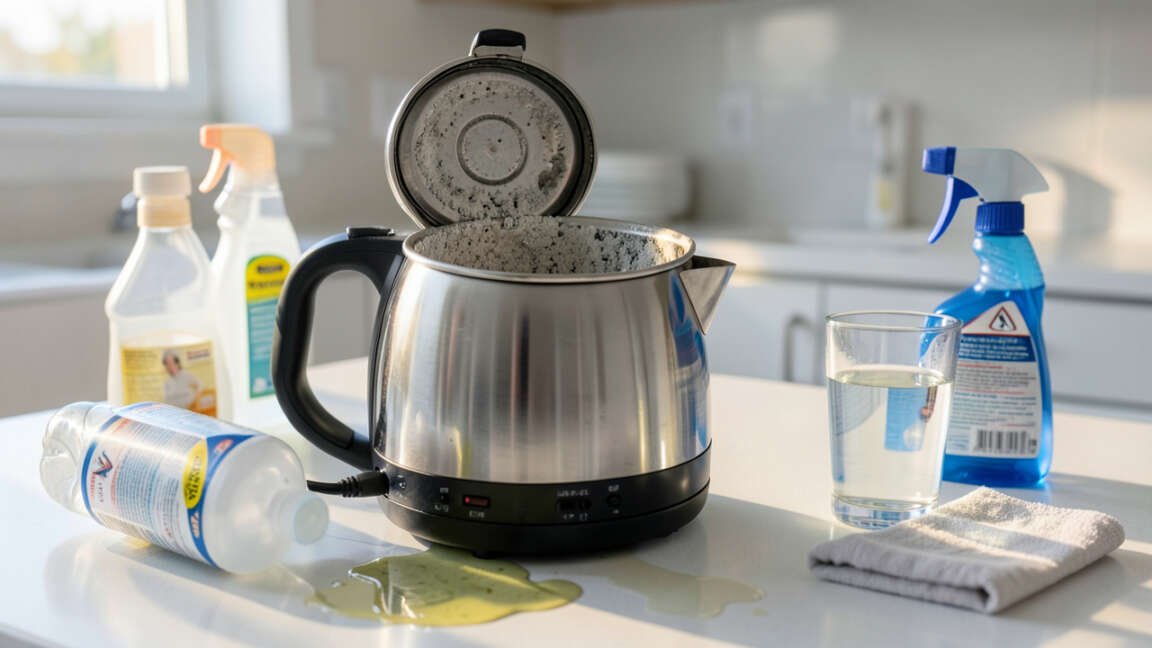
Mistake 4: Using the Wrong Cleaning Agents
Why it’s a Problem
While cleaning is vital, using the wrong stuff can damage your kettle. Harsh chemicals, abrasive scrubbers, or steel wool can scratch the interior, damage the heating element, or leave behind harmful residues. These residues can then end up in your drinking water.
How to Get it Right
Stick to simple, food-safe methods. White vinegar and water is usually the best option for limescale. For general cleaning, a soft cloth and mild dish soap can work, but make sure to rinse very well.
Always check your kettle’s manual for specific cleaning recommendations from the manufacturer.
Mistake 5: Forgetting to Unplug It
Why it’s a Problem
Many electric kettles have an automatic shut-off feature, meaning they turn off once the water boils. However, leaving the kettle plugged in all the time, even when not in use, can still be a small safety risk. It uses a tiny bit of energy (phantom load) and, in rare cases, a faulty appliance left plugged in could pose a fire hazard.
How to Get it Right
Make it a habit to unplug your electric kettle when you’re done using it for the day. This is especially important if you’re going on vacation or will be away for an extended period. It’s a simple step that adds an extra layer of safety and can even save a little on your electricity bill.
Mistake 6: Allowing Limescale to Build Up Excessively
Why it’s a Problem
We touched on cleaning, but letting limescale get really bad is a major issue. When the heating element is covered in a thick layer of limescale, it can’t transfer heat to the water as efficiently. This means your kettle will take much longer to boil, using more electricity.
Eventually, the element can overheat because it’s struggling to do its job, which can lead to it breaking down completely.
How to Get it Right
Be proactive with descaling. If you notice any white build-up, tackle it right away. Regular cleaning prevents thick layers from forming.
If you have very hard water, consider using filtered water in your kettle. This can significantly reduce how often you need to descale.
Mistake 7: Using it for Something Other Than Water
Why it’s a Problem
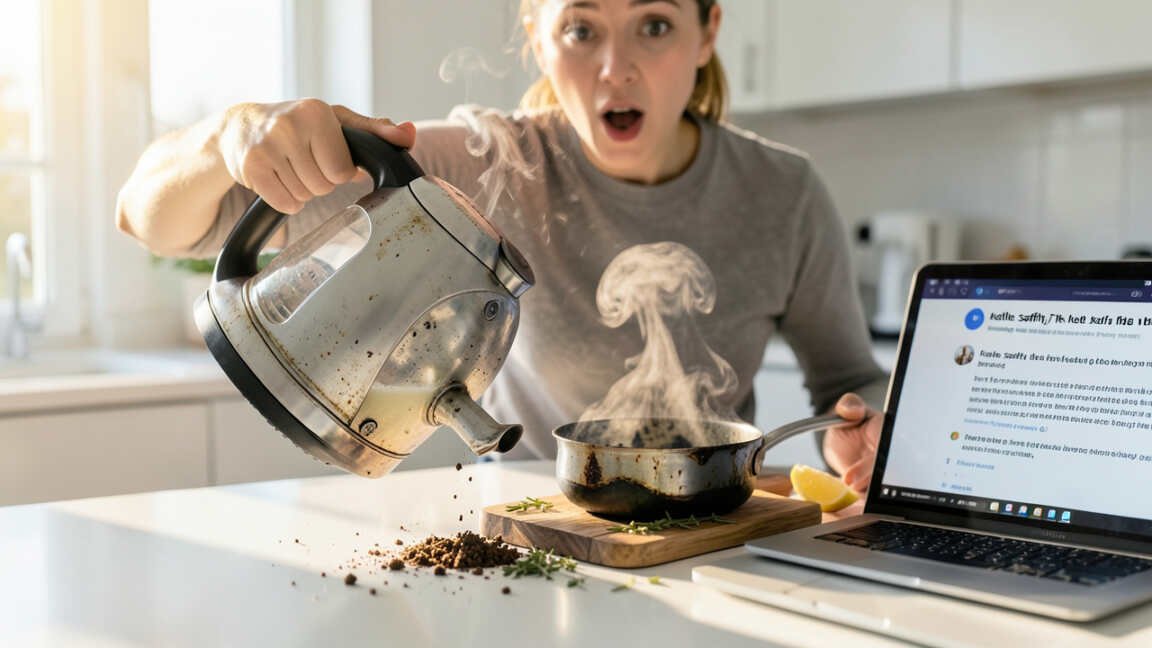
Electric kettles are designed specifically for heating water. Trying to boil other liquids, like milk, soup, or anything with solids, can cause big problems. These substances can burn onto the heating element, making it very difficult to clean and potentially damaging it.
They can also leave residue that affects the taste of future water, and some liquids could be a fire hazard when heated in this way.
How to Get it Right
Keep it simple. Use your electric kettle only for boiling water. If you want to heat milk or make soup, use a saucepan on the stove or a microwave.
Stick to the kettle’s intended purpose to keep it working well and safely.
Frequently Asked Questions
Question: How often should I clean my electric kettle?
Answer: It’s a good idea to clean your electric kettle at least once a month. If you have hard water, you might need to clean it more often, perhaps every two to three weeks.
Question: Can I use my electric kettle to heat up other drinks like tea bags directly?
Answer: No, electric kettles are only meant for boiling water. Adding tea bags or other ingredients can damage the kettle and affect the taste of future water.
Question: What should I do if I accidentally overfill my kettle and it spills?
Answer: If water spills, immediately unplug the kettle and carefully wipe away any excess water from the exterior and the base. Let it dry completely before plugging it back in.
Question: Is it safe to leave my electric kettle plugged in all the time?
Answer: While most modern kettles have safety features, it’s best practice to unplug them when not in use. This saves a small amount of energy and adds an extra safety measure.
Question: My kettle has white bits in it. Is it broken?
Answer: Those white bits are likely limescale. It’s a buildup from minerals in the water. You can usually remove it by descaling your kettle with vinegar and water.
It doesn’t mean the kettle is broken.
Final Thoughts
Avoiding common issues with your electric kettle is simple. Always fill it with the right amount of water, between the min and max lines. Keep it clean by descaling it regularly to prevent limescale buildup.
Only use it to boil water, and unplug it when you’re done. These easy steps will help your kettle last longer and work better. You can enjoy hot drinks without worry.

![What Can You Make With a Blender[1]](https://creativehouseblog.com/wp-content/uploads/2026/03/What_Can_You_Make_With_a_Blender1-768x448.jpg)
![What Is a Blender Used For in the Kitchen[1]](https://creativehouseblog.com/wp-content/uploads/2026/03/What_Is_a_Blender_Used_For_in_the_Kitchen1-768x448.jpg)
![Food Processor Attachments Explained Simply[1]](https://creativehouseblog.com/wp-content/uploads/2026/03/Food_Processor_Attachments_Explained_Simply1-768x448.jpg)
![6 Reasons Your Juice Tastes Bad[1]](https://creativehouseblog.com/wp-content/uploads/2026/04/6_Reasons_Your_Juice_Tastes_Bad1-768x448.jpg)
![6 Reasons Your Indoor Grill Is Smoking Too Much[1]](https://creativehouseblog.com/wp-content/uploads/2026/04/6_Reasons_Your_Indoor_Grill_Is_Smoking_Too_Much1-768x448.jpg)
![High Speed Versus Regular Blenders Explained[1]](https://creativehouseblog.com/wp-content/uploads/2026/03/High-Speed_Versus_Regular_Blenders_Explained1-768x448.jpg)