
Building a sustainable home maintenance routine requires creating a structured plan that breaks essential tasks into manageable weekly, monthly, and seasonal schedules. A core principle is to start by identifying high-impact tasks for your specific property and then assigning them to a realistic calendar. Consistently following this organized approach prevents overwhelm, reduces costly repairs, and ensures your home remains in optimal condition.
Many people know home maintenance is important, but starting can feel overwhelming. It’s tough to figure out where to begin or how to make tasks stick. You might feel lost with all the different things a house needs.
Don’t worry! This guide breaks down How to Build a Home Maintenance Routine That You’ll Stick To into simple steps. We’ll show you how to make a plan that works for you and your home.
Key Takeaways
- Learn to identify essential home maintenance tasks.
- Discover simple ways to schedule tasks so they fit your life.
- Understand how to make home upkeep less of a chore.
- Find methods to track your progress and stay motivated.
- Get tips for preventing common household problems before they start.
- See how a good routine saves you time and money in the long run.
![How to Build a Home Maintenance Routine You’ll Love[1]](https://creativehouseblog.com/wp-content/uploads/2026/05/How_to_Build_a_Home_Maintenance_Routine_Youll_Love1.jpg)
Starting Your Home Maintenance Plan
Creating a Home Maintenance Schedule
Setting up a home maintenance schedule is the first big step. It means looking at your home and listing what needs regular care.
Think about things like cleaning gutters, checking smoke detectors, and changing air filters.
You don’t need to do everything at once. Spreading tasks out makes it much more manageable. A good schedule helps you stay on top of things without feeling stressed.
It’s like having a helpful to-do list for your house. This way, you prevent big problems by handling small ones first.
Seasonal Tasks
Some home jobs depend on the time of year. For example, cleaning out your heating vents is key before winter. In the spring, you might want to wash your windows and check your roof for damage from ice.
Fall is a good time to rake leaves and prepare your outdoor faucets for freezing temperatures.
Planning these seasonal jobs in advance helps you get ready for changing weather. It keeps your home safe and comfortable all year.
Think of it as giving your house a check-up when it needs it most.
Spring Cleaning and Checks
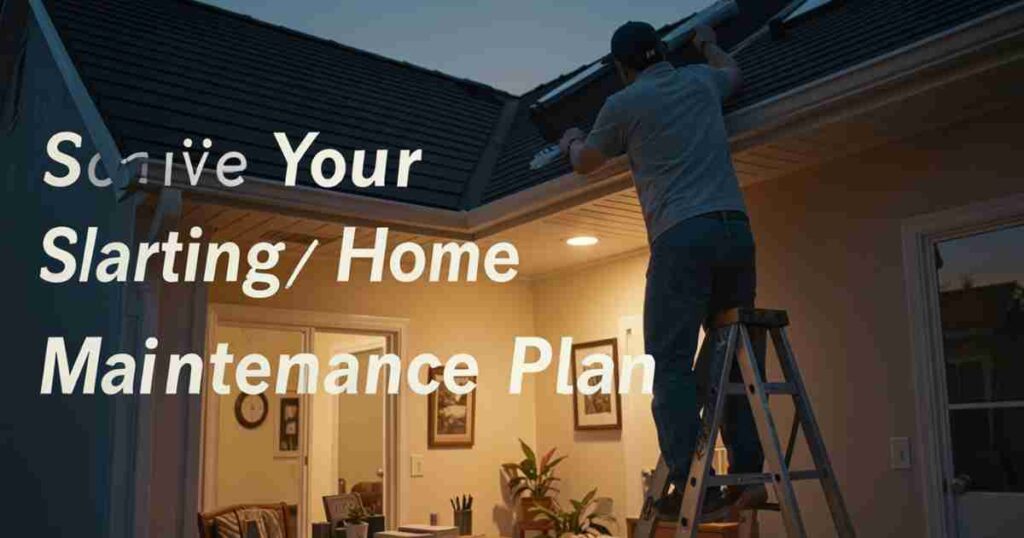
When spring arrives, it’s a great time for a home refresh. You can start by cleaning your gutters to prevent water damage. Check your roof for any loose or missing shingles that might have happened over winter.
Inspect your home’s exterior for any cracks or peeling paint that need fixing. Inside, it’s a good time to deep clean your carpets and wash your windows to let in more sunlight. Changing your air filters also helps improve air quality as you spend more time indoors.
This season is all about getting your home ready for warmer weather and ensuring it’s in good shape.
Summer Preparedness
Summer brings warmer days and more outdoor activities. Before it gets too hot, make sure your air conditioning system is working well. Get it serviced to ensure it runs efficiently and doesn’t break down when you need it most.
Check your outdoor deck or patio for any repairs needed before you start using it regularly. Clean your grill and outdoor furniture for enjoyable gatherings. Also, consider any landscaping tasks like trimming trees or weeding flower beds.
Keeping up with these summer tasks makes the season more enjoyable and prevents issues.
Autumnal Upkeep
As the leaves begin to fall, your home needs a different kind of attention. It’s crucial to clear your gutters of leaves and debris to prevent clogs. This stops water from backing up and potentially damaging your roof or foundation.
Inspect your roof for any loose or damaged shingles that might have been missed earlier. Make sure your heating system is ready for the colder months by having it serviced.
Seal any drafts around windows and doors to keep your home warm and save on energy bills.
Preparing your home in the fall makes winter much more comfortable.
Winterizing Your Home
Winter requires specific steps to protect your home. One of the most important tasks is to protect your pipes from freezing. You can do this by insulating exposed pipes and letting faucets drip slightly during very cold spells.
Shut off and drain any outdoor hoses and water lines. Cover or board up windows that are not in use. Test your smoke and carbon monoxide detectors to ensure they are working properly.
Keeping your home safe and warm during winter is essential. This preventative care saves you from costly repairs later.
Monthly Tasks
Some home upkeep jobs are best done every month. These tasks are usually quick and help keep things running smoothly. Changing your furnace filter is a prime example.
Doing this monthly improves your home’s air quality and helps your heating system work better.
You can also take time to clean out your refrigerator and check for expired food. Wiping down kitchen and bathroom surfaces regularly prevents buildup and keeps these areas fresh.
These small monthly actions add up to a cleaner, healthier home and catch small issues before they become big problems.
Appliance Checks
Your home has many appliances that need occasional attention. Looking at your dishwasher, for instance, you might need to clean its filter. This stops food particles from clogging it and making it less effective.
For your washing machine, check the hoses for any signs of wear or leaks. This prevents water damage. Your refrigerator needs its coils cleaned about twice a year to run more efficiently.
Keeping these appliances in good shape means they last longer and work better, saving you money and hassle. It’s about giving them a little love to keep them going strong.
Plumbing and Fixture Checks
Taking a moment each month to look at your faucets and toilets can save a lot of trouble. Check all your faucets for leaks. Even a small drip can waste a lot of water over time.
A dripping faucet can often be fixed by replacing a worn-out washer. Look at your toilets to make sure they aren’t running constantly. A running toilet wastes water and can signal a problem with the tank’s components.
Testing your water heater pressure relief valve is also a good monthly task. It’s a safety measure to ensure it functions correctly. Keeping an eye on these simple things prevents bigger water issues.
Weekly Tasks
Daily and weekly tasks are the foundation of a clean and well-kept home. These are the things that make a big difference in how your living space feels. Vacuuming or sweeping floors helps keep dust and dirt under control.
Cleaning kitchen counters and sinks after use prevents grime buildup. Taking out the trash and recycling regularly keeps your home smelling fresh.
Even small things like wiping down mirrors and doorknobs contribute to a tidier environment.
These quick tasks make your home more pleasant to live in and are easy to fit into your routine.
Surface Cleaning
Keeping surfaces clean is one of the easiest ways to maintain a tidy home. This includes things like your kitchen countertops, bathroom sinks, and tables. Wiping these down each day after meals or use helps prevent sticky messes and germ buildup.
In the bathroom, cleaning the sink and mirror regularly makes the space feel much brighter.
For kitchens, it’s important to wipe down appliances like your microwave and stovetop to remove splatters. These quick cleanings keep your home looking good and feeling fresh.
They are also great opportunities to spot any minor wear or tear.
Flooring Care
Your floors get a lot of use, so a little regular care goes a long way. Vacuuming carpets weekly removes dust, dirt, and allergens. This also helps prevent carpets from wearing down too quickly.
For hard floors like tile or wood, sweeping or dry mopping removes surface dirt. This prevents scratches and keeps them looking shiny. In high-traffic areas, you might want to spot clean spills immediately.
This stops stains from setting in. Keeping floors clean makes your entire home feel more welcoming. It also contributes to better indoor air quality.
Making Maintenance Stick

Setting Realistic Goals
When you start a home maintenance routine, it’s important to be realistic. Don’t try to do too much too soon. If you’re new to this, begin with just a few simple tasks.
For example, commit to changing your air filter every three months. Or, vow to check your smoke detectors every six months. Setting small, achievable goals makes the process less intimidating.
As you get used to these, you can gradually add more tasks. Celebrating small wins, like completing a task on your list, keeps you motivated. This approach builds confidence and makes the routine sustainable.
Breaking Down Big Tasks
Some home maintenance jobs can seem huge, like cleaning out the garage or organizing the attic.
The key to tackling these is to break them down into smaller, manageable steps. Instead of saying “clean the garage,” try “organize the tool area this weekend.” Next week, you can focus on sorting through old paint cans.
For attic cleanup, you might decide to tackle one corner at a time. This approach makes daunting tasks feel less overwhelming. Each small step you complete is progress.
It builds momentum and makes the final goal achievable without burnout.
Example: Cleaning Gutters
Cleaning your gutters might sound like a big job, but it can be broken down. First, gather your tools: gloves, a ladder, a trowel, and a bucket or trash bags. Decide which section of the house you’ll start with, maybe just one side.
Spend an hour removing leaves and debris from that section. Then, rinse the gutters with a hose to clear any remaining dirt. You can then move to the next section the following weekend.
This step-by-step method turns a large chore into a series of quick, achievable tasks over time.
Scheduling Wisely
Finding time for home maintenance can be tricky. The best way to make it stick is to schedule it like any other important appointment. Look at your calendar and block out specific times for tasks.
If you can’t dedicate a whole weekend, break it down. Maybe you can spend 30 minutes on a Saturday morning. Or, perhaps you can do a small task during your lunch break on a weekday.
Linking tasks to existing habits also works well. For instance, check your smoke detectors every time you change your clocks for daylight saving. This integration makes it easier to remember and do.
Time Blocking
Time blocking is a powerful technique for making sure home maintenance gets done. It means assigning specific blocks of time in your schedule for certain tasks.
For example, you might block out the first Saturday of each month from 9 AM to 10 AM for general house checks.
Or, you could dedicate 15 minutes every Sunday evening to review your to-do list for the week. This intentional approach ensures that maintenance isn’t left to chance. It makes it a priority.
By setting aside this time, you are making a commitment to your home’s upkeep.
Linking to Habits
One of the simplest ways to build a routine is to link new tasks to habits you already have. Think about something you do every day or week without fail. For instance, after you brush your teeth, you could check the water pressure in your sinks.
Or, before you sit down for your morning coffee, you could quickly inspect the seal around your front door for drafts.
When you perform your weekly grocery shopping, you could add “check refrigerator seals” to your list.
These small connections make new tasks feel natural and easier to remember, reducing the need for constant reminders.
Using Tools and Technology
Modern tools and technology can make home maintenance much easier. There are apps designed specifically for tracking home repairs and schedules. You can set reminders for tasks like changing filters or inspecting your water heater.
Smart home devices can also alert you to potential issues, like a water leak or a change in temperature.
Even simple tools like a good toolbox or a reliable ladder can make tasks go more smoothly. Investing in the right gear and using technology can save you time and frustration.
It also helps you stay organized and on track.
Maintenance Apps
Several apps are available to help you manage your home maintenance. These apps allow you to create a detailed list of all your home’s components and schedule regular tasks for each. You can input information about your appliances, HVAC system, and more.
The app will then send you reminders when it’s time for maintenance, like changing your air filter or cleaning your dryer vent. Some apps even allow you to track expenses related to home upkeep.
This digital assistant can be incredibly helpful in staying organized and ensuring no task is forgotten.
Smart Home Devices
Smart home technology offers new ways to keep an eye on your home. Smart thermostats can help you save energy and can alert you if they detect unusual temperature drops. Leak detectors can be placed near water heaters, washing machines, or under sinks.
If they sense moisture, they’ll send an alert to your phone. Smart smoke and carbon monoxide detectors can also send notifications to your mobile device, even when you’re away from home.
These devices add an extra layer of protection and awareness, helping you catch problems early.
Benefits of a Routine
Saving Money and Preventing Damage
Regular home maintenance is a smart way to save money. Many small issues, if ignored, can turn into expensive repairs.
For example, a tiny roof leak might seem minor, but it can lead to major water damage inside your walls and attic.
This could mean thousands of dollars in repair costs. Similarly, a well-maintained HVAC system runs more efficiently, lowering your energy bills.
Regularly cleaning your appliances also extends their lifespan, delaying the need for costly replacements.
Think of maintenance as an investment that protects your home and your wallet.

Preventing Costly Repairs
The most significant financial benefit of a maintenance routine is preventing expensive problems. Imagine a small crack in a foundation.
Left unchecked, it can widen over time, leading to structural issues that are extremely costly to fix.
A yearly inspection of your roof and siding can catch minor damage before it becomes a major leak.
Similarly, a slow drain can indicate a clog that, if ignored, might require digging up pipes. By addressing these issues when they are small, you avoid much larger bills down the road.
It’s about being proactive rather than reactive.
Example: Roof Maintenance
A neglected roof can lead to a cascade of expensive problems. Loose or missing shingles, often caused by wind or aging, allow water to seep into the attic.
This moisture can damage insulation, warp wooden beams, and even lead to mold growth.
Mold remediation can be very costly. Over time, water damage can spread to ceilings and walls, requiring extensive repairs to drywall and paint.
A simple annual roof inspection and prompt repair of any damaged shingles can prevent all of this, saving homeowners potentially tens of thousands of dollars.
Improving Energy Efficiency
Keeping your home in good shape also makes it more energy-efficient. A clean HVAC filter allows your heating and cooling system to work with less effort. This means it uses less electricity or gas, lowering your utility bills.
Sealing air leaks around windows and doors prevents conditioned air from escaping. This keeps your home warmer in winter and cooler in summer without overworking your systems.
Insulating your water heater can reduce heat loss, meaning less energy is needed to keep your water hot.
These efficiency improvements are good for your budget and the environment.
HVAC System Efficiency
Your heating, ventilation, and air conditioning (HVAC) system is a major energy user in most homes.
Regularly changing the air filter is one of the easiest ways to improve its efficiency. A dirty filter restricts airflow, making the system work harder and use more energy.
Professional tune-ups for your HVAC system twice a year can ensure all parts are clean and functioning correctly.
This includes checking refrigerant levels in air conditioners and cleaning the burner assembly in furnaces. A well-maintained HVAC system can lead to energy savings of up to 30% annually.
Extending Home Lifespan
A well-maintained home simply lasts longer. Regular care protects the building materials from premature wear and tear. For instance, keeping siding clean and sealed prevents moisture damage and rot.
Protecting your deck or patio with regular sealing and repairs stops the wood from deteriorating.
Even simple tasks like touching up chipped paint can prevent rust and corrosion. Over the years, these actions add up, preserving your home’s structure and appearance.
This means you get more years out of your investment and avoid the need for major renovations or rebuilding.
Protecting Exterior Surfaces
The exterior of your home is constantly exposed to the elements. Rain, sun, wind, and snow can all take a toll.
Regularly cleaning your siding removes dirt and grime that can become embedded and damage the finish.
Applying a fresh coat of paint or stain every few years protects the material from moisture and UV rays.
Checking and sealing any cracks in the siding or around windows and doors prevents water from entering the walls.
Protecting these exterior surfaces helps maintain your home’s curb appeal and structural integrity for decades.
Making it a Habit You Enjoy
Finding Motivation
Staying motivated with home maintenance can be a challenge. One effective way is to focus on the positive results. Notice how much cleaner your kitchen feels after wiping down the counters.
Appreciate the quiet hum of your HVAC system after its tune-up. Visualizing the benefits, like a comfortable home or savings on bills, can be a powerful motivator. Another tip is to find a maintenance buddy.
This could be a spouse, a friend, or even an online community. Sharing goals and progress can make the tasks more enjoyable and help you stay accountable. Remember, each completed task is a win.
Focusing on Benefits
When you’re feeling unmotivated, take a moment to think about why you’re doing this. Is it to have a more comfortable living space? Is it to save money for a family vacation?
Or perhaps it’s to ensure your home is safe for your loved ones. Focusing on these positive outcomes can provide the push you need to get started. Seeing a clean, well-functioning home is rewarding in itself.
It brings a sense of pride and accomplishment. Remind yourself that these tasks are an investment in your comfort and security.
Example: A Cleaner Home
Imagine walking into a home that feels fresh and organized. The floors are clean, the surfaces gleam, and there’s a pleasant scent in the air. This feeling of comfort and order is a direct result of regular maintenance.
When you vacuum your carpets, you’re not just cleaning; you’re creating a healthier environment free from dust and allergens.
When you wipe down your kitchen counters, you’re making the heart of your home more inviting.
This sense of accomplishment and well-being is a key motivator for continuing your maintenance routine.
Making it Fun
Who says home maintenance has to be boring? You can make it more enjoyable by turning it into something fun. Listen to your favorite music or a podcast while you work.
If you’re tackling a bigger project, make it a family affair. Offer rewards for completing tasks, like a special movie night or a favorite treat.
You can also set small challenges for yourself, like seeing how quickly you can clean a certain area.
If you’re working on a task outdoors, invite a friend over to help and then enjoy a picnic afterward. Injecting some fun can change your whole perspective.
Music and Podcasts
Listening to music or engaging podcasts can transform a tedious chore into an enjoyable experience. Create a playlist of your favorite upbeat songs to energize you. Or, catch up on an interesting podcast series while you’re cleaning or organizing.
The content you consume can distract you from the monotony of the task and make time fly by.
This simple addition can make you look forward to your maintenance sessions instead of dreading them. It’s a great way to multitask by getting things done while also being entertained or informed.
Celebrating Progress
It’s important to acknowledge and celebrate your achievements, no matter how small. Completed a task on your maintenance list? Give yourself a pat on the back!
Finished a larger project? Treat yourself to something you enjoy, like a nice meal out or a new book. Seeing tangible results, like a sparkling clean bathroom or a smoothly running appliance, is its own reward.
But actively celebrating these milestones reinforces positive behavior and makes you more likely to stick with your routine. It shows you that your efforts are valuable and worth recognizing.
Frequently Asked Questions Of How to Build a Home Maintenance Routine You’ll Love
Question: How often should I change my HVAC air filter
Answer: It’s generally recommended to change your HVAC air filter every one to three months. The exact frequency can depend on the type of filter you use, whether you have pets, and how often your system runs.
Question: What is the most important home maintenance task
Answer: While many tasks are important, checking and testing your smoke and carbon monoxide detectors regularly is crucial for safety. Also, preventing water leaks and ensuring your roof is in good condition are vital for protecting your home.
Question: How do I start a home maintenance routine if I’m overwhelmed
Answer: Start small. Pick just one or two simple tasks to do each month. For example, commit to cleaning out your refrigerator and checking your smoke detectors.
As you get comfortable, you can add more tasks to your routine.
Question: Can regular maintenance really save me money
Answer: Yes, absolutely. Many small issues, if ignored, can turn into expensive repairs. Regular maintenance also improves energy efficiency, leading to lower utility bills and extends the life of appliances and your home’s systems.
Question: How can I track my home maintenance tasks
Answer: You can use a simple notebook, a spreadsheet, or dedicated home maintenance apps. Many apps allow you to schedule tasks, set reminders, and even log expenses, making it easy to stay organized.
Conclusion
Building a home maintenance routine you’ll stick to is achievable. Focus on simple steps and realistic goals. Schedule tasks wisely and use tools that help.
Remember the benefits of saving money and protecting your home. Find ways to make it enjoyable and celebrate your progress. You can create a system that works for you.

![How to Spot Minor Home Problems Before They Get Costly[1]](https://creativehouseblog.com/wp-content/uploads/2026/05/How_to_Spot_Minor_Home_Problems_Before_They_Get_Costly1-1-768x403.jpg)
![Air Fryer Size Guide for Families[1]](https://creativehouseblog.com/wp-content/uploads/2026/03/Air_Fryer_Size_Guide_for_Families1-768x448.jpg)
![What Foods Should Not Go in a Food Processor[1]](https://creativehouseblog.com/wp-content/uploads/2026/03/What_Foods_Should_Not_Go_in_a_Food_Processor1-768x448.jpg)
![Can A Stand Mixer Replace A Food Processor[1]](https://creativehouseblog.com/wp-content/uploads/2026/03/Can_A_Stand_Mixer_Replace_A_Food_Processor1-768x448.jpg)
![How To Unblock Drains Without Chemicals[1]](https://creativehouseblog.com/wp-content/uploads/2026/05/How_To_Unblock_Drains_Without_Chemicals1-768x403.jpg)
![7 Juicing Mistakes That Waste Ingredients[1]](https://creativehouseblog.com/wp-content/uploads/2026/04/7_Juicing_Mistakes_That_Waste_Ingredients1-768x448.jpg)