
Regularly cleaning your HVAC air filter is a critical maintenance task that ensures proper airflow and system efficiency. A clean filter improves indoor air quality, reduces energy costs by up to 15%, and prevents unnecessary strain on your heating and cooling equipment. Performing this simple maintenance routinely can extend the lifespan of your HVAC system and maintain optimal performance throughout the seasons.
Many folks wonder about How to Clean Air Filters So Your HVAC Runs Properly. It sounds simple, but sometimes the steps can feel a bit confusing when you’re just starting out. Don’t worry, though!
We’re here to make it super easy. We’ll walk you through each step clearly so you can get your air filter clean and your heating and cooling system working its best. Let’s get your home feeling comfortable again without any fuss.
Key Takeaways
- You will learn why keeping your HVAC air filter clean is important for your home’s comfort and system health.
- This post will guide you through identifying different types of air filters.
- You will discover the simple, step-by-step process for cleaning most common air filters.
- We will explain how often you should clean or replace your air filters.
- You will understand the benefits of a clean air filter for your HVAC system’s efficiency and lifespan.
![How to Clean Air Filters So Your HVAC Runs Properly[1]](https://creativehouseblog.com/wp-content/uploads/2026/05/How_to_Clean_Air_Filters_So_Your_HVAC_Runs_Properly1.jpg)
Why Cleaning Your HVAC Air Filter Matters
Keeping your home’s air clean is a big deal, and a big part of that is your HVAC system’s air filter.
This filter is like the lungs of your heating and cooling setup. It catches dust, dirt, pollen, and other tiny bits floating around in your air.
When this filter gets clogged up with all that gunk, it makes your HVAC system work much harder.
This means it uses more energy, costs you more money on bills, and can even break down sooner.
So, learning How to Clean Air Filters So Your HVAC Runs Properly is really important for keeping your home comfy and your system running smoothly.
It’s a simple task that makes a huge difference.
Understanding Your Air Filter Type
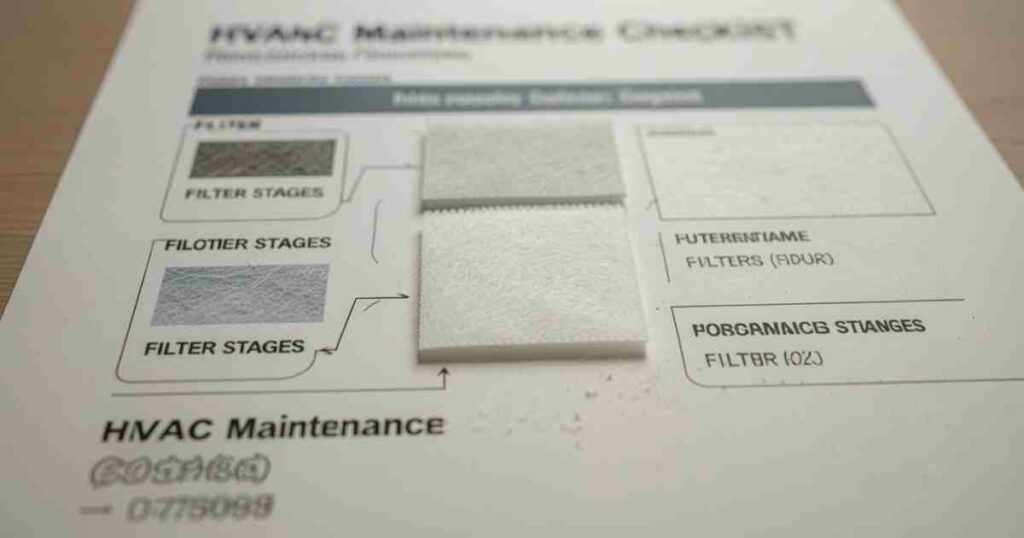
Air filters come in a few main types, and knowing which one you have is the first step to cleaning it correctly.
The most common ones you’ll encounter at home are disposable fiberglass filters, washable pleated filters, and electrostatic filters.
Disposable filters are the easiest – you just swap them out for a new one when they get dirty.
Washable filters, on the other hand, are designed to be cleaned and reused. Electrostatic filters use static electricity to grab onto particles and can also be cleaned. Each type has its own way of getting cleaned or when it needs replacing.
For instance, a basic fiberglass filter is usually marked with its size and MERV rating (Minimum Efficiency Reporting Value).
These are cheap but can’t be washed; they are meant for single use only. Pleated filters, often made of synthetic materials, are more durable and have a higher MERV rating, meaning they catch smaller particles.
They might look tough, but they are often washable. Electrostatic filters are usually made of a strong plastic material and work by creating a static charge. They are designed for long-term use after cleaning.
Knowing your filter type helps you avoid damaging it and ensures you’re doing the right thing for your HVAC system.
Disposable Filters
Disposable air filters are the most common type found in homes. They are designed to be used once and then thrown away.
You’ll typically see them made of a thin layer of fiberglass or a pleated synthetic material.
They come in standard sizes like 16x20x1, 20x20x1, or 20x25x1. The main goal of these filters is to protect your HVAC equipment from larger dust particles and debris.
They are not meant to be cleaned because attempting to wash them can damage the filter media, making it less effective or even causing it to break apart.
When you buy a disposable filter, pay attention to its MERV rating. A higher MERV rating means the filter can trap smaller particles, like pollen and pet dander.
For most homes, a MERV rating between 8 and 13 is a good balance between air cleaning and airflow.
A filter with too high a MERV rating can restrict airflow too much, making your HVAC system work harder and potentially leading to problems.
The cost of these filters is usually low, making them an easy and regular part of home maintenance.
For example, if you have allergies, you might choose a higher MERV filter to capture more airborne irritants.
Washable Filters
Washable air filters are a more eco-friendly and cost-effective option in the long run. These filters are built to last and can be cleaned multiple times.
They are usually made from synthetic fibers or a metal mesh frame with a washable filter material.
Unlike disposable filters, these are designed to be rinsed and reused. This means you don’t have to buy new filters every month or two.
While they might have a slightly higher upfront cost, they save you money over time by eliminating the need for regular
Electrostatic Filters
Electrostatic air filters work a bit differently than other types. They use static electricity to attract and capture airborne particles like dust, pollen, and smoke. This makes them very effective at cleaning the air.
These filters are usually made from specialized materials that build up an electrostatic charge as air passes through them. Because they use static, they don’t typically require
The Simple Steps for Cleaning Your Air Filter
Now that you know the different types of filters, let’s get to the actual cleaning. The process is generally quite straightforward, but it depends a little on whether you have a washable filter or an electrostatic one. For disposable filters, remember, you can’t clean them – you just replace them.
But for the reusable ones, follow these simple steps. It’s a quick task that keeps your HVAC system happy. The first thing you always need to do is turn off your HVAC system.
This is for your safety and to make sure the filter doesn't get sucked into the system or damaged while you're working on it.
Locate the air filter, which is usually in the return air duct, often in a wall, ceiling, or the furnace itself. Once you have it out, you can begin the cleaning process.
Cleaning Washable Air Filters
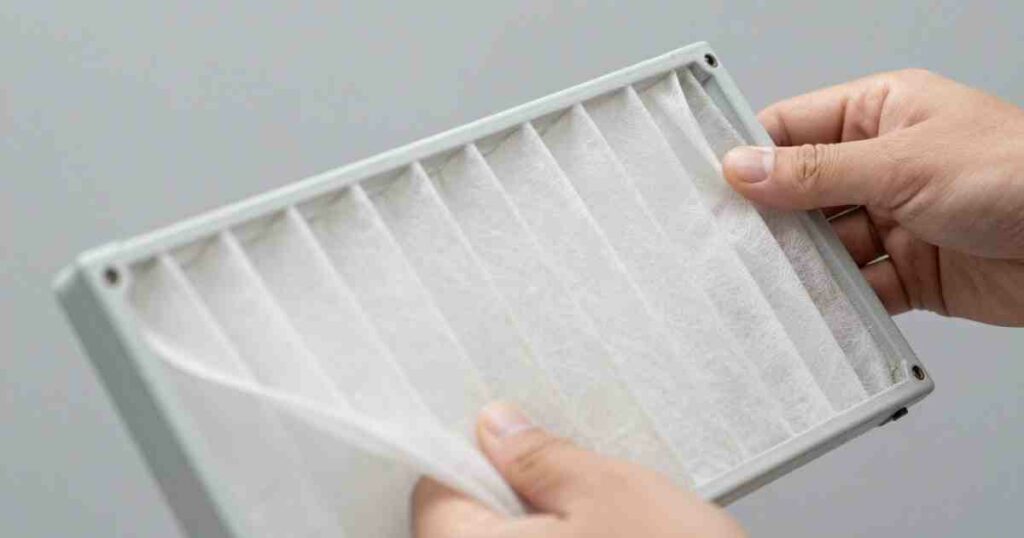
If you have a washable filter, the cleaning process is quite manageable. First, gently remove the filter from its housing. You might need to unclip or unscrew a cover to access it.
Once it’s out, take it outside to a hose or a large sink. Start by rinsing it thoroughly with cool or lukewarm water to remove loose dust and debris.
Hold the filter so the dirty side faces the water stream, and move the water across the filter surface.
If the filter is still quite dirty, you can use a mild dish soap or a specialized filter cleaner. Apply a small amount and gently scrub the filter material with a soft brush or cloth. Be careful not to scrub too hard, especially if the filter material is delicate.
After washing, rinse it again very well to ensure all soap residue is gone. Soap left on the filter can attract dirt later. The most critical step is drying.
You need to let the filter air dry completely. You can stand it up against a wall in a sunny spot or use a fan to speed up the process. Make sure no moisture remains before putting it back.
A real-life example of this could be a homeowner who cleans their washable filter every month.
They take it outside, rinse it, use a bit of soap on a particularly dusty one, rinse again, and then let it dry on their patio table for a few hours.
By the time they need to put it back, it’s perfectly dry and ready to go, keeping their air fresh.
Cleaning Electrostatic Air Filters
Electrostatic filters are also designed for cleaning, and the process is quite similar to washable filters.
Begin by turning off your HVAC system and carefully removing the filter from its slot. Take it to an area where you can clean it without making a mess, like outdoors or a utility sink.
You’ll typically rinse the filter with plain water. Use a gentle stream of cool or lukewarm water to wash away accumulated dust and particles.
For stubborn grime or dirt, a mild, non-foaming cleaner might be recommended by the manufacturer.
If you use a cleaner, make sure to rinse the filter exceptionally well. Any remaining cleaner can affect the filter’s performance or even damage your HVAC system over time. The most important part of cleaning an electrostatic filter is ensuring it’s completely dry.
Moisture can hinder its electrostatic properties and potentially lead to mold growth. You can let it air dry, preferably in a well-ventilated area or use a fan. Never use heat to dry it, as this could warp the filter material.
For instance, someone with significant allergies might find that cleaning their electrostatic filter every two weeks helps significantly reduce airborne allergens in their home.
They follow the rinsing and drying steps precisely to ensure the filter’s effectiveness is maintained, leading to cleaner air and fewer allergy symptoms.
Benefits of a Clean Air Filter
The benefits of keeping your HVAC air filter clean are numerous and directly impact your home’s comfort, your health, and your wallet. A clean filter ensures that air can flow freely through your HVAC system.
This free flow means your system doesn’t have to strain to push air out, leading to better performance and efficiency.
This efficiency translates into lower energy bills, as your system won’t be working overtime to achieve the desired temperature.
Beyond energy savings, a clean filter plays a significant role in improving your indoor air quality. It effectively traps dust, pollen, pet dander, mold spores, and other airborne irritants.
This can lead to a healthier living environment, especially for those with allergies, asthma, or other respiratory issues.
Cleaner air means less dust settling on your furniture and surfaces, reducing the need for frequent dusting and cleaning. Furthermore, a clean air filter helps extend the lifespan of your HVAC system.
When a filter is clogged, it forces the fan motor and other components to work harder. This added strain can cause premature wear and tear, potentially leading to costly repairs or early system
Improved Airflow and System Efficiency
When your air filter is clean, air can pass through it without much resistance. This allows your HVAC system’s fan to move air smoothly and efficiently throughout your home. Imagine trying to breathe through a thick blanket; it’s hard work!
That’s what a dirty filter does to your HVAC system. With a clean filter, the air moves freely, so your furnace or air conditioner doesn’t have to work as hard to circulate conditioned air. This reduced strain means your system uses less electricity.
For example, if your filter is heavily clogged, your system might run for much longer periods to try and reach the set temperature.
This is because less air is actually getting through. With a clean filter, the system reaches the desired temperature faster and can cycle off sooner, saving energy.
This improved efficiency is one of the most immediate and noticeable benefits of regular filter maintenance.
Better Indoor Air Quality
A primary job of your air filter is to remove particles from the air you breathe inside your home.
When it’s clean, it does this job very well. It traps dust, pollen, pet dander, mold spores, and even some bacteria.
This means the air you inhale is cleaner and healthier. For people who suffer from allergies or asthma, this can make a huge difference. Less exposure to these airborne irritants means fewer allergy flare-ups and easier breathing.
Think about the dust you see settling on surfaces. A lot of that dust starts as tiny particles in the air.
A clean filter captures many of these before they can land on your furniture, floors, and other items.
This not only improves the air you breathe but also helps keep your home cleaner with less effort. For example, a family with a new baby might prioritize clean air, and a clean filter is the first line of defense against airborne germs and allergens.
Reduced Risk of HVAC System Problems
A clogged air filter doesn’t just affect airflow; it can cause serious problems for your entire HVAC system.
The extra effort required to push air through a dirty filter puts a lot of stress on the fan motor. Over time, this can lead to the motor overheating or burning out, requiring expensive repairs.In some cases, the system might overheat and shut down entirely to prevent damage. Furthermore, a dirty filter can cause the evaporator coil in your air conditioner to freeze up.
This happens because the reduced airflow prevents warm air from circulating over the coil, causing it to get too cold.
A frozen coil can lead to poor cooling performance, water damage, and a costly repair. By simply cleaning or replacing your air filter regularly, you significantly reduce the risk of these expensive issues and keep your HVAC system running smoothly for longer.
When to Consider Replacing Instead of Cleaning
While cleaning washable and electrostatic filters can save you money and effort, there are times when
Signs Your Filter Needs Replacement
You can usually tell if your filter needs replacing by looking at it. The most obvious sign is if it’s covered in a thick layer of dust and debris.
If you can’t see light through it, or if it looks gray and matted, it’s definitely time for a new one.
For disposable filters, this visual cue is often all you need to know it’s time to swap it out. Beyond visible dirt, pay attention to your HVAC system’s performance.
If you notice a significant drop in airflow from your vents, that’s a strong indicator of a clogged filter, whether disposable or reusable.
Your home may also start feeling warmer or cooler than you set the thermostat, or it might take much longer to reach the desired temperature.
These are signs that the system is struggling because of restricted airflow. Another subtle sign can be an increase in dust around your home.
If you find yourself dusting more frequently, it might mean your filter isn’t trapping particles as effectively as it should.
Lastly, listen to your HVAC system. If it’s making more noise than usual, especially the fan motor, it could be working harder than it should due to a dirty filter.
For example, if your monthly filter check reveals it’s so clogged that the paper material is starting to sag, it’s a clear sign for immediate replacement.
When Cleaning Isn’t Enough
Sometimes, even with regular cleaning, a filter might not perform as well as it used to. Washable and electrostatic filters are durable, but they aren’t indestructible. If you have an older filter that has been cleaned many times, the material might start to lose its effectiveness.
It might not trap particles as efficiently as it did when it was new. This is especially true for electrostatic filters; their ability to hold a charge can diminish over time. The structure of the filter is also important.
Over many cleaning cycles, the pleats on a pleated filter could become less defined, or the frame might start to crack.
If you notice any physical damage, like tears in the filter media or a compromised frame, it’s best to
HVAC System Care Tips
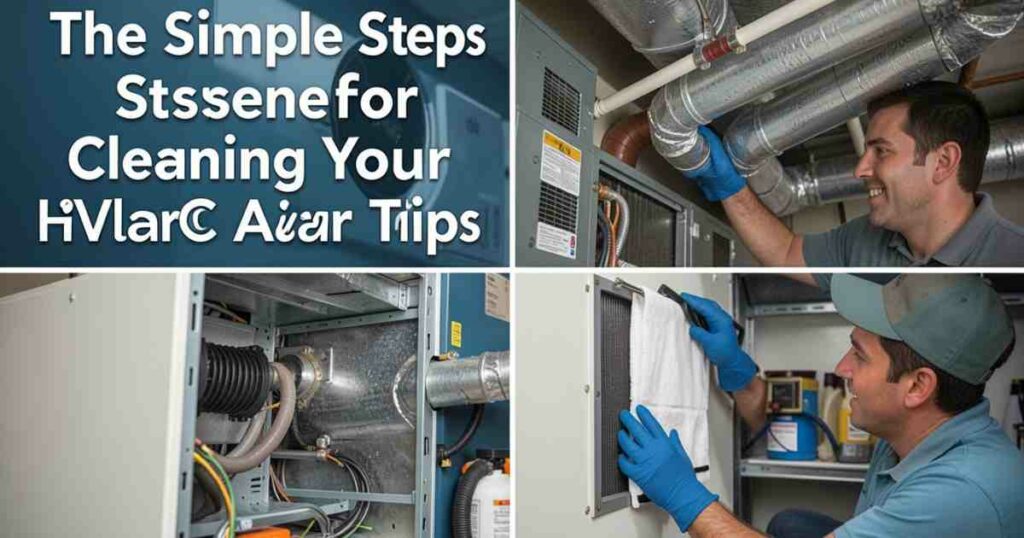
Taking care of your HVAC system goes beyond just cleaning the air filter. Regularly inspecting and maintaining other parts of your system can help it run more efficiently and last longer. Think of it like regular check-ups for your car; it helps prevent bigger problems down the road.
Simple actions can make a big difference in keeping your home comfortable and your energy bills manageable throughout the year.
One important aspect is ensuring that the area around your outdoor unit for your air conditioner is kept clear. Remove any leaves, grass clippings, or debris that might accumulate around it.
This helps with proper airflow and prevents the unit from overheating. Similarly, make sure vents inside your home are not blocked by furniture or curtains, as this restricts airflow. Another helpful tip is to get your HVAC system professionally serviced at least once a year.
A qualified technician can perform a thorough inspection, clean crucial components, and identify any potential issues before they become major problems.
This includes checking refrigerant levels, inspecting electrical connections, and ensuring the system is operating at peak performance. Here are a few more tips to keep your system in top shape:
- Check and Clear Your Condensate Drain Line: In humid climates, the AC produces a lot of condensation.
This water drains away through a pipe. If this pipe gets clogged with algae or debris, water can back up and cause leaks or damage. You can often clear minor clogs yourself by pouring a cup of bleach or vinegar down the line, or by using a wet-vac to suck out blockages.
- Inspect Ductwork for Leaks: Leaky air ducts can lose a significant amount of heated or cooled air before it reaches your rooms.
You can sometimes spot obvious leaks where ducts connect or where they run through unconditioned spaces like attics or crawl spaces. Sealing these leaks with mastic sealant or metal-backed tape can improve efficiency.
- Keep Registers and Vents Clean: Besides ensuring they aren’t blocked, periodically vacuum or wipe down your air registers and return air grilles. Dust and pet hair can accumulate on the grilles, restricting airflow and looking unsightly.
Professional HVAC Maintenance
While DIY tasks like cleaning air filters are essential, professional HVAC maintenance is also critical for the long-term health of your system.
HVAC technicians have the tools, knowledge, and experience to perform in-depth checks that homeowners often can’t.
They can spot minor issues that might be hard for a layperson to notice, preventing them from becoming major, expensive repairs.
During a professional tune-up, technicians typically inspect all the major components of your heating and cooling system.
This includes checking the heat exchanger for cracks (for furnaces), ensuring the refrigerant charge is correct (for air conditioners), lubricating moving parts, inspecting electrical connections, and cleaning coils. They also check for proper operation and safety controls.
For example, a technician might notice that your furnace’s ignition system is showing early signs of wear and suggest replacing a component before it fails during the coldest part of winter.
The U.S. Department of Energy recommends annual professional maintenance for both heating and cooling systems.
This service can help maintain efficiency, improve safety, and extend the life of your equipment.
Many service companies offer maintenance plans that include regular check-ups at a reduced cost, which can be a good investment for consistent care of your HVAC system.
Seasonal HVAC Checks
Your HVAC system works harder during certain times of the year, so it’s smart to give it a little extra attention before those seasons begin.
For example, before the hot summer months arrive, it’s a good idea to have your air conditioning system checked.
This helps ensure it’s ready to handle the load and won’t break down when you need it most.
A technician can check refrigerant levels, clean the outdoor unit, and ensure all parts are working correctly. Similarly, before winter sets in, it’s time to get your heating system inspected.
This usually involves checking the furnace for any safety issues, ensuring the pilot light or igniter is working properly, and cleaning the burners and heat exchanger.
For heat pumps, both heating and cooling components need to be checked before their respective peak seasons.
These seasonal checks are not just about preventing breakdowns; they are also about optimizing performance.
A system that’s been checked and serviced before its peak season will run more efficiently, saving you money on energy bills.
For example, cleaning the evaporator and condenser coils on your air conditioner can improve its cooling capacity by up to 30%, according to some industry estimates.
This proactive approach ensures your system operates at its best when you rely on it the most.
Frequently Asked Questions Of How to Clean Air Filters So Your HVAC Runs Properly
Question: Can I really just rinse and reuse my air filter?
Answer: Yes, if you have a washable or electrostatic air filter, you can rinse them with water to clean them. Make sure to dry them completely before putting them back in your HVAC system.
Question: How do I know which size air filter to buy?
Answer: Air filters are usually labeled with their size, like 16x20x1 or 20x25x1. You can also measure the old filter or the filter slot in your HVAC system to be sure.
Question: Will cleaning my air filter actually save me money?
Answer: Yes, a clean air filter helps your HVAC system run more efficiently. This means it uses less energy, which can lead to lower electricity bills.
Question: My filter looks very dirty. Can I just wash it with strong soap?
Answer: It’s best to use only mild soap or detergent, and only if recommended by the filter manufacturer. Harsh chemicals can damage the filter material and reduce its effectiveness.
Question: How often should I replace a disposable air filter?
Answer: For most disposable filters, you should replace them every 1 to 3 months. However, if you have pets or allergies, you might need to replace them more often.
Summary
Learning How to Clean Air Filters So Your HVAC Runs Properly is a simple yet impactful home maintenance task.
By understanding your filter type, following the correct cleaning steps, and knowing when to replace it, you ensure better airflow, improved indoor air quality, and a healthier, more efficient HVAC system. This saves you money and keeps your home comfortable year-round.

![Air Fryer Size Guide for Families[1]](https://creativehouseblog.com/wp-content/uploads/2026/03/Air_Fryer_Size_Guide_for_Families1-768x448.jpg)
![Electrical Safety Checks Every Homeowner Should Know[1]](https://creativehouseblog.com/wp-content/uploads/2026/05/Electrical_Safety_Checks_Every_Homeowner_Should_Know1-768x403.jpg)
![9 Reasons Your Ice Maker Isn’T Working Properly[1]](https://creativehouseblog.com/wp-content/uploads/2026/04/9_Reasons_Your_Ice_Maker_IsnT_Working_Properly1-768x448.jpg)
![6 Reasons Your Fried Food Turns Out Too Greasy[1]](https://creativehouseblog.com/wp-content/uploads/2026/04/6_Reasons_Your_Fried_Food_Turns_Out_Too_Greasy1-768x448.jpg)

![10 Tips To Get Perfect Crispy Pizza At Home[1]](https://creativehouseblog.com/wp-content/uploads/2026/04/10_Tips_To_Get_Perfect_Crispy_Pizza_At_Home1-768x448.jpg)