
Common home maintenance oversights, such as ignoring small leaks or skipping HVAC filter changes, lead to significant yearly expenses for homeowners. Failing to address issues like neglected gutters, deferred pest control, and skipped roof inspections results in compounding damage that far exceeds the cost of routine upkeep. Consistent, proactive inspections and simple maintenance tasks are the most effective strategies to prevent these expensive, avoidable repairs.
It’s easy for new homeowners to miss a few things when it comes to keeping their house in tip-top shape.
Life gets busy, and sometimes the small tasks can slip through the cracks. This can lead to bigger problems down the road, costing you more money and headaches.
But don’t worry, dealing with Home Maintenance Mistakes That Cost Homeowners Every Year doesn’t have to be hard.
We’ll walk through it simply, step-by-step, so you can take care of your home without feeling overwhelmed. Let’s find out what these common slip-ups are and how to avoid them.
Key Takeaways
- Learn about common home maintenance oversights.
- Understand how these mistakes lead to unexpected expenses.
- Discover simple checks to prevent costly repairs.
- Find out how regular upkeep saves money in the long run.
- Gain confidence in managing your home’s needs.
- Get practical tips for year-round home care.
![Home Maintenance Mistakes Cost Homeowners Yearly[1]](https://creativehouseblog.com/wp-content/uploads/2026/05/Home_Maintenance_Mistakes_Cost_Homeowners_Yearly1-1.jpg)
Avoid These Costly Home Maintenance Mistakes
Keeping up with your home’s maintenance is like taking care of your own health. Little things done often can prevent big, expensive problems later. Many homeowners, especially those new to owning a place, often overlook simple tasks.
This can turn small issues into major repair bills that drain your savings. This section will highlight these common slip-ups and show you how easy it is to sidestep them. We’ll focus on practical, everyday actions that make a huge difference.
By spotting these potential pitfalls early, you can protect your investment and enjoy a comfortable home without constant worry.
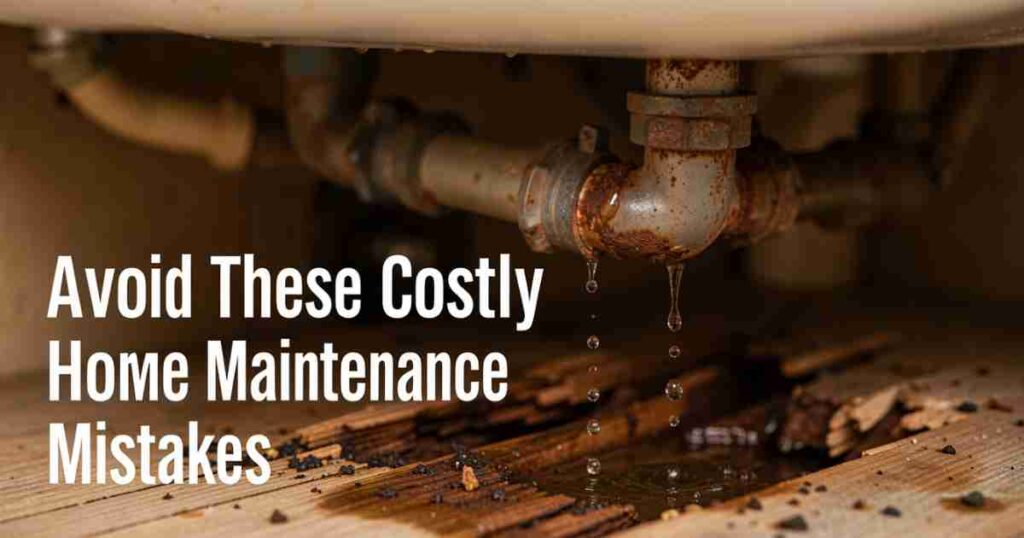
Ignoring Small Leaks
A tiny drip from a faucet or pipe might seem like no big deal. You might think it’s just a little water and not worth the effort to fix right away. However, even a slow leak can waste a lot of water over time, increasing your utility bills.
More importantly, that small drip can damage your walls, floors, or cabinets. Water can seep into wood, causing rot, or create a breeding ground for mold.
Both of these can lead to very expensive repairs that are much harder to deal with than fixing a simple washer in a faucet.
- The Problem with Dripping Faucets
- A dripping faucet might sound annoying, but it’s also a constant waste of water. Over a year, a faucet dripping just once every second can waste thousands of gallons of water. This directly adds to your water bill and is bad for the environment.
- It also signals that the internal parts of your faucet, like washers or O-rings, might be worn out and need replacing.
- Pipe Leaks and Water Damage
- Leaky pipes, especially those hidden in walls or under sinks, are even more serious. They can go unnoticed for a long time, allowing water to slowly soak into your home’s structure. This can weaken wood, cause drywall to sag, and encourage mold growth.
- Mold can affect your home’s air quality and lead to health problems. Repairing extensive water damage and mold remediation can cost thousands of dollars.
- Simple Fixes Save Big Money
- The good news is that most minor leaks are easy and inexpensive to fix. Often, it’s just a matter of replacing a worn-out washer, tightening a fitting, or using plumber’s tape. Many DIY guides can show you how.
- If you’re not comfortable doing it yourself, a plumber can usually fix a small leak in under an hour for a reasonable fee.
Neglecting Gutters and Downspouts
Your home’s gutters might not be the most exciting part of maintenance, but they are incredibly important.
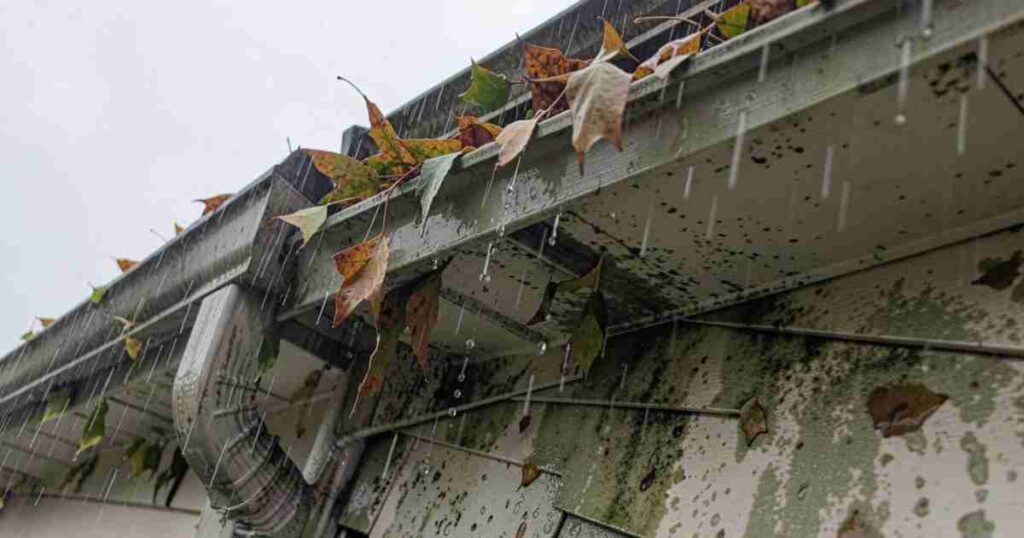
Their job is to catch rainwater and direct it away from your home’s foundation. When they get clogged with leaves, dirt, and debris, water can’t flow freely.
This can cause water to back up and spill over the sides, landing right next to your house.
- Foundation Damage Risks
- When water pools around your foundation, it can seep into the soil. This can cause the soil to expand and contract, putting stress on your foundation walls. Over time, this can lead to cracks, which can be very costly to repair.
- In severe cases, foundation problems can affect the stability of your entire house.
- Roof and Wall Issues
- Clogged gutters can also cause water to back up under your roof shingles. This can lead to leaks in your attic or ceilings. Water can also run down the sides of your house, damaging siding, paint, and even causing rot in window frames and doors.
- This means more repairs and potential replacement of these exterior elements.
- Pest Problems
- Standing water in clogged gutters can also become a breeding ground for mosquitoes and other insects. Decaying leaves and debris can attract rodents and other pests looking for a damp place to live. This can lead to infestations inside or around your home.
- Easy Cleaning Schedule
- Cleaning your gutters should be done at least twice a year, usually in the spring and fall. It’s a task that often takes less than an hour. You can use a ladder, gloves, and a trowel or a specialized gutter cleaning tool.
- If you have a lot of trees or steep roofs, consider hiring a professional to do it.
Skipping HVAC Filter Changes
Your heating and cooling system (HVAC) works hard to keep your home comfortable. The air filter is a crucial part of this system.
It catches dust, pollen, and other particles before they enter your furnace or air conditioner.
If you don’t change this filter regularly, it gets clogged.
- Reduced Efficiency and Higher Bills
- A dirty filter makes your HVAC system work much harder to pull air through it. This means it uses more energy, leading to higher electricity or gas bills. The system also won’t cool or heat your home as effectively.
- You might find yourself constantly adjusting the thermostat, trying to get the desired temperature.
- System Wear and Tear
- When the filter is clogged, dust and debris can bypass it and get into the internal parts of your system. This can cause components like the fan motor or evaporator coil to get dirty and wear out faster. Over time, this can lead to expensive breakdowns and shorten the lifespan of your entire HVAC unit.
- Poor Indoor Air Quality
- A dirty filter also means less clean air is circulating in your home. More dust, allergens, and pollutants can float around your living spaces. This can be bad for people with allergies, asthma, or other respiratory issues.
- It can also make your home feel generally dusty and less pleasant.
- Simple Filter Replacement
- Most HVAC filters should be changed every 1-3 months, depending on the type of filter and how much you use your system. It’s a quick and easy task that most homeowners can do themselves. Just turn off your system, remove the old filter, slide in the new one, and turn the system back on.
- Always check the size and type of filter your system needs.
Ignoring Pest Control
Pests like termites, ants, rodents, and cockroaches can cause significant damage to your home.
They can also spread germs and cause health problems. Many homeowners wait until they see a full-blown infestation before taking action.
This delay can make the problem much harder and more expensive to solve.
- Structural Damage by Pests
- Termites are particularly destructive. They eat away at the wooden structures of your home, weakening walls, floors, and support beams. A serious termite infestation can compromise the structural integrity of your entire house, leading to costly repairs that might involve replacing large sections of your home.
- Rodents can also gnaw on wires, posing fire hazards, and can damage insulation.
- Health Risks and Contamination
- Pests can carry and spread diseases. Cockroaches and rodents can contaminate food preparation surfaces with bacteria. Droppings from mice and rats can trigger allergies and asthma.
- The presence of pests can also create unsanitary living conditions that are unpleasant and unhealthy for everyone in the home.
- Preventative Measures Are Key
- Regular pest control, even if you don’t see any pests, can prevent future problems. This often involves sealing entry points around your home, keeping food stored properly, and managing moisture. Hiring a pest control service for regular check-ups can identify early signs of trouble before they become major issues.
- They can apply treatments safely and effectively.
- Professional vs. DIY Pest Control
- For minor ant or spider issues, DIY methods might work. However, for termites, rodents, or large infestations, professional pest control is usually necessary. Professionals have the knowledge, tools, and access to stronger treatments that are safe and effective.
- They can also offer ongoing service plans to keep pests away.
Forgetting Exterior Paint and Sealing
The paint on the outside of your home does more than just make it look good. It acts as a protective barrier against the elements. Rain, sun, wind, and snow can all take a toll on your home’s exterior.
If the paint peels, cracks, or fades, it leaves the underlying materials exposed to damage.
- Wood Rot and Deterioration
- For homes with wood siding, trim, or decks, faded or damaged paint allows moisture to penetrate the wood. This can lead to rot, warping, and decay. Repairing or replacing rotted wood is a labor-intensive and expensive job.
- It also opens the door for pest infestations.
- Siding and Material Damage
- Even homes with vinyl or other siding materials can suffer. Constant sun exposure can fade and degrade the material over time. Cracks or gaps that develop due to poor sealing can allow water to get behind the siding, causing damage to the structure underneath.
- Window and Door Issues
- The paint and sealant around windows and doors are critical for preventing drafts and water intrusion. When this wears away, you can experience higher energy bills as heated or cooled air escapes. Water can also seep in, causing damage to window frames and potentially leading to mold growth inside your walls.
- Cost of Repainting vs. Repairing
- While repainting your home can be a significant expense, it is far less costly than repairing extensive water damage, wood rot, or replacing siding. Regular inspections and touch-ups can extend the life of your paint job and prevent the need for major renovations. Consider resealing decks and other wood features periodically too.
Ignoring Appliance Maintenance
Your appliances are some of the most expensive items in your home. Treating them well with regular maintenance can extend their life and prevent sudden, costly breakdowns. Many people only think about their appliances when they stop working.
- Refrigerator Efficiency
- The coils on the back or bottom of your refrigerator can get covered in dust. This makes the unit work harder to stay cool, using more energy and leading to higher electricity bills. Cleaning these coils a couple of times a year can improve efficiency and prolong the life of the compressor.
- Also, check door seals for leaks.
- Washing Machine and Dryer Lifespan
- For washing machines, ensure you’re not overloading them, as this can strain the motor and drum. Regularly clean the detergent dispenser and check the hoses for any signs of wear or bulging. For dryers, cleaning the lint trap after every use is vital for efficiency and fire prevention.
- Also, check the dryer vent hose for blockages.
- Dishwasher and Oven Care
- Dishwashers can get clogged filters that prevent proper cleaning and can lead to odors. Running a cleaning cycle with vinegar or a specialized cleaner can help. For ovens, regular self-cleaning cycles can be helpful, but ensure proper ventilation.
- Also, check door seals for energy loss.
- Read Your Manuals
- Your appliance manuals are full of helpful information about recommended maintenance. They often outline simple tasks you can do yourself to keep your appliances running smoothly and efficiently. Following these guidelines can save you a lot of money on repairs and replacement costs.
Failing to Inspect the Roof
Your roof is your home’s first line of defense against the weather. It protects everything inside from rain, snow, sun, and wind. Small issues on the roof, like a few missing shingles or damaged flashing, can quickly turn into major problems if ignored.
- Roof Leaks and Water Damage
- Missing or damaged shingles allow water to get underneath your roofing material. From there, it can seep into the attic, insulation, and ceiling. This leads to water stains, mold growth, and potential structural damage to your roof decking and the framing of your house.
- Repairing this can be very expensive.
- Damaged Flashing and Sealants
- Flashing is the metal material used to waterproof areas where the roof meets walls, chimneys, or vents. If the flashing is loose, cracked, or rusted, water can easily enter your home. Sealants around these areas can also degrade over time and need to be reapplied to maintain their waterproof seal.
- Debris and Clogs
- Leaves, branches, and other debris can accumulate on your roof, especially in valleys or around chimneys. This debris can trap moisture, leading to faster deterioration of roofing materials. It can also clog gutters and downspouts, causing water to pool on the roof itself.
- Regular Roof Inspections
- It’s a good idea to visually inspect your roof from the ground a couple of times a year, especially after severe weather. Look for missing, cracked, or curled shingles, or any signs of debris accumulation. If you see anything concerning, or if your home is older, consider hiring a professional roofer for an annual inspection.
- They can spot issues you might miss and recommend necessary repairs before they become emergencies.
Home Maintenance Mistakes That Cost Homeowners Every Year Statistics
Understanding the financial impact of neglecting home maintenance can be eye-opening. Many homeowners do not realize how quickly small issues escalate into major expenses.
For instance, according to HomeAdvisor, the average cost to repair a leaky roof can range from $330 to $720, but this is for minor repairs.
Major roof replacements can cost upwards of $10,000.
| Type of Problem | Average Repair Cost (Low End) | Average Repair Cost (High End) | Potential Cost if Ignored |
|---|---|---|---|
| Leaky Faucet | $10 (DIY Washer) | $150 (Plumber) | $1,000+ (Water Damage, Mold) |
| Clogged Gutters | $20 (DIY Tools) | $200 (Professional Cleaning) | $5,000+ (Foundation Repair) |
| HVAC Filter Replacement | $5 (DIY Filter) | $50 (Professional) | $2,000+ (System Breakdown) |
| Minor Roof Repair | $330 | $720 | $10,000+ (Full Roof Replacement) |
These figures highlight that addressing Home Maintenance Mistakes That Cost Homeowners Every Year is not just about convenience, but also about significant financial savings.
A study by the National Association of Home Builders found that about 1% of a home’s value should be spent on maintenance and repairs annually to keep it in good condition.
For a $300,000 home, this amounts to $3,000 per year, a far cry from the thousands spent on emergency repairs due to neglect.
Frequently Asked Questions Of Home Maintenance Mistakes Cost Homeowners Yearly
Question: How often should I check my home for potential maintenance issues?
Answer: It’s a good idea to do a quick visual check of your home’s exterior and interior about once a month. More thorough inspections, like checking your roof or cleaning gutters, are best done seasonally, typically in spring and fall.
Question: What is the most common home maintenance mistake that costs the most money?
Answer: While many mistakes are costly, ignoring roof issues or foundation problems due to water damage from neglected gutters often results in the highest repair bills, sometimes costing tens of thousands of dollars.
Question: Is it better to fix small problems myself or hire a professional?
Answer: For simple tasks like changing an air filter or fixing a dripping faucet, DIY is often cost-effective. For more complex or potentially dangerous jobs, like roof repairs or significant plumbing issues, hiring a qualified professional is safer and often more efficient.
Question: How can I avoid costly home maintenance mistakes when I’m busy?
Answer: The best way is to create a simple maintenance schedule. Break down tasks into small, manageable steps and assign them to specific times of the year. Even dedicating an hour a month to a small task can prevent bigger issues.
Question: What should I do if I discover a major repair is needed?
Answer: Stay calm. Get multiple quotes from reputable contractors. Ask for references and check reviews.
Understand the scope of work and get a written contract before any work begins. Prioritize repairs based on urgency and impact on your home’s safety and structure.
Conclusion
Preventing Home Maintenance Mistakes That Cost Homeowners Every Year is about being proactive.
Simple, regular checks and tasks can save you immense amounts of money and stress. Addressing leaks, cleaning gutters, changing filters, managing pests, maintaining exteriors, and caring for appliances are all achievable steps.
Keep your home in good shape, and it will serve you well for years to come.

![Summer Home Maintenance Tasks You Should Do[1]](https://creativehouseblog.com/wp-content/uploads/2026/05/Summer_Home_Maintenance_Tasks_You_Should_Do1-768x403.jpg)
![How to Maintain Double Glazing So It Stays Efficient[1]](https://creativehouseblog.com/wp-content/uploads/2026/05/How_to_Maintain_Double_Glazing_So_It_Stays_Efficient1-768x403.jpg)
![How Powerful Should a Stand Mixer Be[1]](https://creativehouseblog.com/wp-content/uploads/2026/03/How_Powerful_Should_a_Stand_Mixer_Be1-768x448.jpg)
![10 Sweet & Savoury Crepe Variations[1]](https://creativehouseblog.com/wp-content/uploads/2026/04/10_Sweet__Savoury_Crepe_Variations1-768x448.jpg)
![Are Induction Cooktops Energy Efficient[1]](https://creativehouseblog.com/wp-content/uploads/2026/03/Are_Induction_Cooktops_Energy_Efficient1-768x448.jpg)
![8 Cleaning Hacks For Limescale Removal[1]](https://creativehouseblog.com/wp-content/uploads/2026/04/8_Cleaning_Hacks_For_Limescale_Removal1-768x448.jpg)