
Effective indoor grill cleaning can be achieved using simple, non-abrasive methods and common household items. The most effective hacks utilize ingredients like vinegar, baking soda, and soapy water to dissolve grease and lift burnt food without damaging surfaces. These techniques provide a safe and thorough way to maintain your grill, ensuring it is ready for its next use with minimal effort.
Keeping your indoor grill clean can feel like a big chore, especially when you first start. You might worry about scratching it or using the wrong cleaners. But don’t worry!
This guide will show you simple ways to get your grill sparkling clean. We’ll go over 8 Indoor Grill Cleaning Hacks That Actually Work. Get ready to learn easy tips and tricks that make cleaning quick and easy.
Key Takeaways
- You will learn how to easily clean your indoor grill without harsh chemicals.
- Discover simple tricks to remove stuck-on food and grease.
- Find out how to protect your grill’s surfaces while cleaning them.
- Learn about everyday items that work wonders for grill cleaning.
- Get your grill ready for its next use with minimal effort.

Why Indoor Grill Cleaning Matters
An indoor grill is a fantastic tool for making healthy and tasty meals year-round. But like any cooking surface, it needs cleaning to work its best. Food bits and grease can build up, affecting how your grill cooks and even its taste.
A clean grill is a safe grill, too, as old grease can be a fire hazard.
The Challenge for Beginners
For someone new to indoor grilling, cleaning can seem tricky. You might not know what cleaners are safe. You might also worry about damaging the grill plates or heating elements.
There are so many different grill models, and each one might seem a bit different to clean. It’s easy to feel overwhelmed by the thought of scrubbing away at burnt-on food.
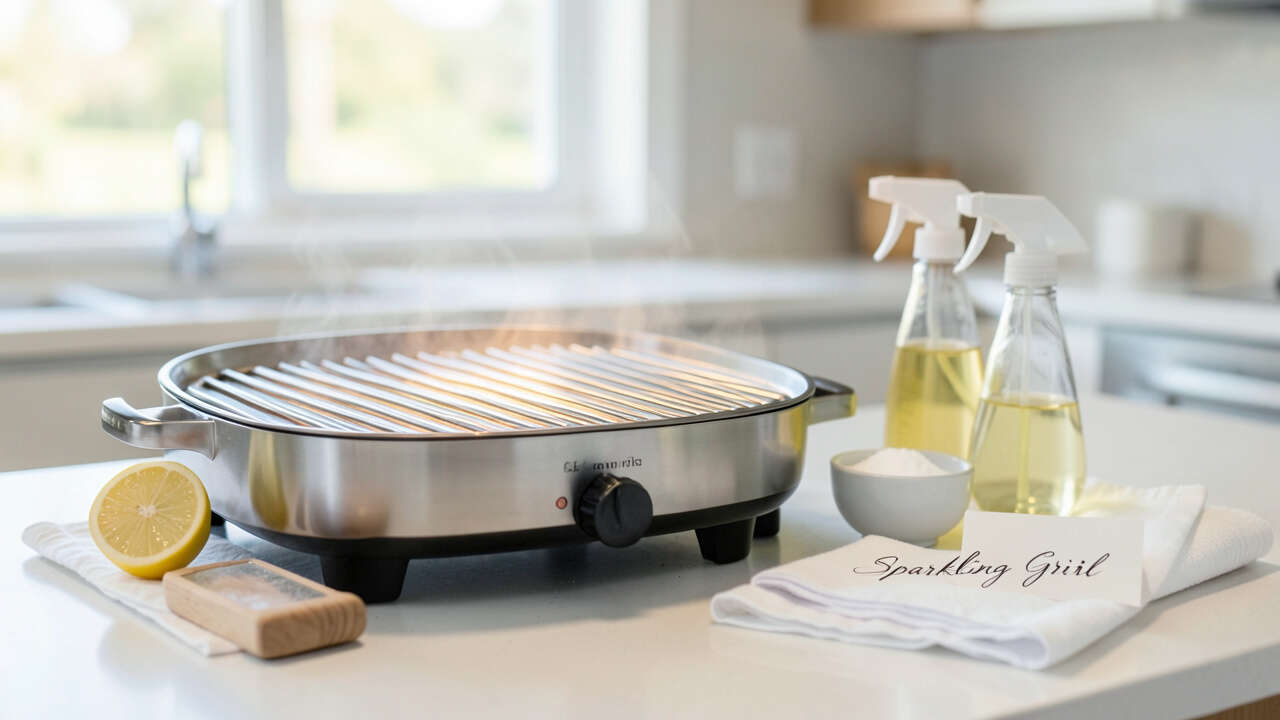
Simple Steps to a Sparkling Grill
The good news is that cleaning your indoor grill doesn’t have to be hard. With the right tools and a few simple tricks, you can have your grill looking and working like new. We’ll walk through some easy methods.
These hacks use common household items and gentle techniques.
Hack 1: Warm Water and Dish Soap
This is the most basic cleaning method, but it’s often the most effective for light messes. After you’ve finished grilling and the grill has cooled down a bit (but is still warm), unplug it. Mix some warm water with a few drops of mild dish soap.
Use a soft cloth or sponge dipped in this mixture to wipe down the grill plates and exterior. Make sure the grill is cool enough to touch safely. Rinse your cloth often and wipe again until all soap and grease are gone.
Dry it thoroughly with a clean towel.
Why This Works
Warm water helps to loosen grease and food particles. Dish soap is designed to cut through grease. This combination is gentle enough not to damage non-stick surfaces.
It’s also a safe and easy way to clean up after every use.
Hack 2: The Power of Vinegar
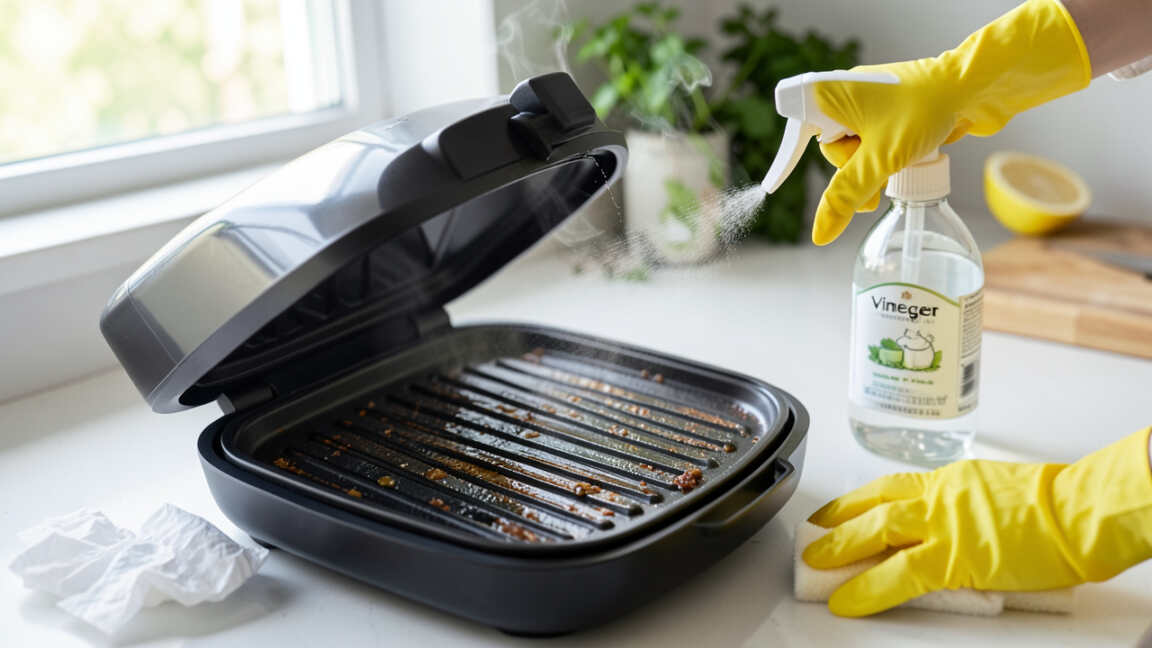
Vinegar is a natural wonder cleaner. For tougher spots or a deeper clean, a vinegar solution can be very helpful. Mix equal parts white vinegar and water in a spray bottle.
After the grill has cooled, lightly spray the grill plates. Let it sit for about 5-10 minutes. The acidity in the vinegar helps break down grease and grime.
Then, wipe clean with a damp cloth. For really stubborn bits, you might need to scrub gently with a soft-bristled brush.
Why This Works
Vinegar’s acetic acid is a great degreaser. It can also help to disinfect surfaces. Using it with water makes it safe for most grill materials.
It leaves your grill smelling fresh, too.
Hack 3: Baking Soda Paste for Stubborn Stains
When you have burnt-on food that just won’t budge, baking soda is your friend. Make a paste by mixing baking soda with a little bit of water. The consistency should be like toothpaste.
Apply this paste directly to the stubborn stains. Let it sit for about 15-20 minutes. Baking soda is a mild abrasive that can scrub away tough grime without scratching.
After it has sat, gently scrub the area with a soft sponge or cloth. Wipe away the paste and rinse thoroughly.
Why This Works
Baking soda is alkaline, which helps to break down acidic grease. Its fine, gritty texture provides gentle scrubbing power. It’s a non-toxic alternative to harsh chemical cleaners.

Hack 4: Lemon Juice for Shine and Deodorizing
Did you know that lemon juice can help clean and freshen your grill? The citric acid in lemon juice can help cut through grease. It also leaves a pleasant, fresh scent.
Cut a lemon in half and rub it over the warm grill plates. You can also squeeze some lemon juice onto a cloth and wipe the plates. For a deeper clean, let the juice sit for a few minutes before wiping it off.
Always rinse well with a damp cloth afterward.
Why This Works
Lemon juice’s natural acidity acts as a mild degreaser. Its scent helps to eliminate any lingering cooking odors. It’s a natural and safe way to add a little extra cleaning power.
Hack 5: The Steam Clean Method
Steam is a powerful cleaning agent. You can use it to loosen up even the toughest grime on your indoor grill. First, ensure the grill is unplugged and cooled down.
Place a heat-safe bowl or dish filled with water on the grill plates. Close the lid and plug in the grill for a few minutes until steam starts to form. Unplug the grill, let it cool slightly, and then carefully remove the hot water bowl.
The steam should have softened any caked-on food. Wipe down the grill plates with a damp cloth. Be careful, as the grill will still be hot.
Why This Works
Heat and moisture are excellent for breaking down burnt food and grease. The steam penetrates dried-on messes, making them much easier to remove with a simple wipe.
Hack 6: Using Old Toothbrushes for Tight Spots
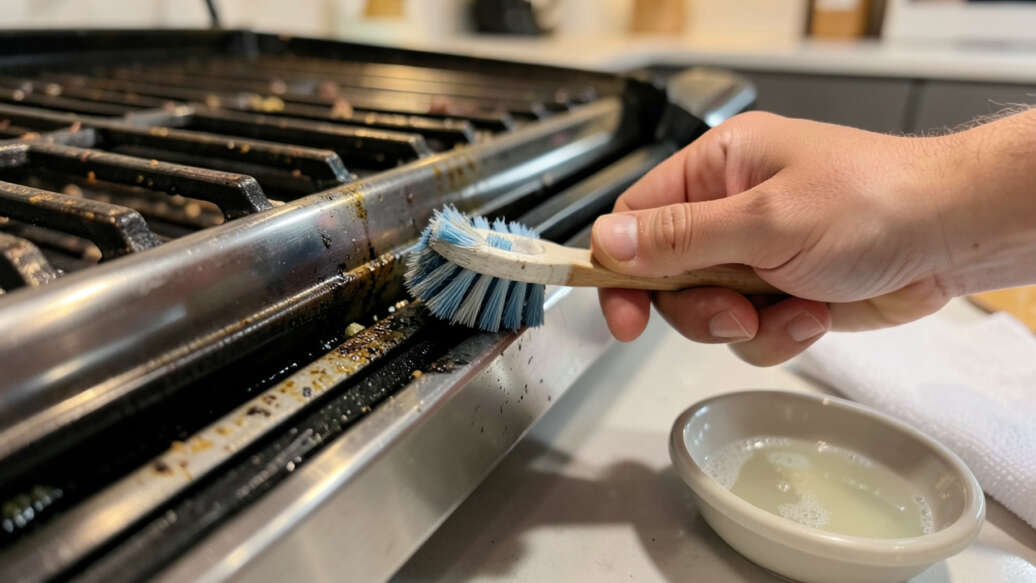
Indoor grills often have nooks and crannies that are hard to reach with a cloth or sponge. An old toothbrush is perfect for getting into these tight spaces. Use it with your chosen cleaning solution (like dish soap and water, or vinegar spray) to scrub away grime from around the edges of the plates, the hinge area, and any other hard-to-reach spots.
Once you’ve scrubbed, wipe the area clean with a damp cloth.
Why This Works
The small bristles of a toothbrush can effectively clean narrow gaps and corners that larger cleaning tools miss. It’s an eco-friendly way to reuse an item you’d otherwise throw away.
Hack 7: The Paper Towel Trick for Grease
After grilling and when the grill is still slightly warm, you can use paper towels to soak up excess grease. Lay a few layers of paper towels over the grill plates and close the lid for a minute or two. The heat will help melt the grease, and the paper towels will absorb it.
This step is great for maintenance cleaning and preventing large grease buildup.
Why This Works
Paper towels are absorbent and can wick away melted grease efficiently. Doing this while the grill is warm makes the grease more liquid and easier to remove before it hardens.

Hack 8: Gentle Scrubbing Tools
When you need a little more scrubbing power, choosing the right tool is key. Avoid steel wool or abrasive scrub pads, as they can scratch your grill’s surface, especially if it has a non-stick coating. Instead, opt for soft-bristled nylon brushes, silicone scrubbers, or even a microfiber cloth.
These tools can provide enough friction to remove grime without causing damage. Always test a small, inconspicuous area first if you’re unsure.
Why This Works
Using the right tools protects your grill’s finish, extending its lifespan and ensuring it continues to cook evenly. Gentle tools get the job done without damaging the cooking surface.
Frequently Asked Questions
Question: How often should I clean my indoor grill?
Answer: It’s best to clean your indoor grill after every use, especially the grill plates, to prevent food buildup. A quick wipe down when it’s still warm is ideal.
Question: Can I use a metal spatula to clean my grill?
Answer: It’s generally not recommended to use metal spatulas for cleaning, as they can scratch non-stick coatings. Opt for silicone or plastic utensils.
Question: What if my grill has a removable drip tray?
Answer: Removable drip trays are usually dishwasher safe or can be washed with warm, soapy water. Make sure to empty and clean it regularly to avoid overflow and odors.
Question: Is it okay to soak my indoor grill plates?
Answer: Most indoor grill plates are not designed to be fully submerged in water. Check your grill’s manual. If they are removable and dishwasher safe, that’s one thing, but generally, avoid soaking the main unit.
Question: Can I use oven cleaner on my indoor grill?
Answer: No, oven cleaner is usually too harsh for indoor grill surfaces and can damage the non-stick coating or other materials. Stick to the gentle methods discussed.
Final Thoughts
Keeping your indoor grill clean is simple with these eight helpful hacks. You’ve learned how to use everyday items like vinegar, baking soda, and lemons to tackle grease and grime. Gentle scrubbing with the right tools and steam cleaning will keep your grill in top shape.
These easy methods mean less time scrubbing and more time enjoying delicious grilled meals. Your grill will look great and perform even better!

![What Foods Should Not Go in a Food Processor[1]](https://creativehouseblog.com/wp-content/uploads/2026/03/What_Foods_Should_Not_Go_in_a_Food_Processor1-768x448.jpg)
![Food Processor Versus Blender A Simple Guide[1]](https://creativehouseblog.com/wp-content/uploads/2026/03/Food_Processor_Versus_Blender_A_Simple_Guide1-768x448.jpg)
![8 Ways To Clean A Panini Press Without Damaging It[1]](https://creativehouseblog.com/wp-content/uploads/2026/04/8_Ways_To_Clean_A_Panini_Press_Without_Damaging_It1-768x448.jpg)
![7 Mistakes To Avoid When Using A Hot Plate[1]](https://creativehouseblog.com/wp-content/uploads/2026/04/7_Mistakes_To_Avoid_When_Using_A_Hot_Plate1-768x448.jpg)
![How To Clean Your Toaster Safely[1]](https://creativehouseblog.com/wp-content/uploads/2026/03/How_To_Clean_Your_Toaster_Safely1-768x448.jpg)
![How to Prevent Ice Dams on Your Roof in Winter[1]](https://creativehouseblog.com/wp-content/uploads/2026/05/How_to_Prevent_Ice_Dams_on_Your_Roof_in_Winter1-768x403.jpg)