
The most critical tasks for new homeowners in the first 30 days are immediate safety and system checks, including verifying smoke and carbon monoxide detectors, securing all entry points, and inspecting for active water leaks. Essential system evaluations involve testing all water fixtures, checking the electrical panel for hazards, identifying GFCI outlets for protection, and performing basic HVAC maintenance to ensure efficiency and air quality. Prioritizing these inspections prevents potential hazards and establishes a safe, functional baseline for your new property, knowing when to call a professional for complex repairs is also key.
Buying a new home is super exciting, but it can also feel a bit overwhelming, especially when it comes to figuring out what needs attention right away.
You might be wondering, What New Homeowners Should Fix in Their First 30 Days? It’s a common question because there’s a lot to learn about your new place!
But don’t worry, we’ve got a simple plan to help you tackle the most important tasks. This guide will walk you through it, step by step, so you can feel confident and comfortable in your new home.
Key Takeaways
- Understand immediate safety checks for new homes.
- Learn about essential plumbing and electrical system inspections.
- Discover the importance of HVAC maintenance for comfort and efficiency.
- Identify key areas for quick cosmetic fixes that make a big difference.
- Know when to call in professional help for repairs.
![What New Homeowners Should Fix First 30 Days[1]](https://creativehouseblog.com/wp-content/uploads/2026/05/What_New_Homeowners_Should_Fix_First_30_Days1-1.jpg)
Essential Safety Checks For Your New Home
When you first move into a new house, the most important thing is to make sure it’s safe for you and your family.
This means looking for potential hazards that could cause harm or serious damage if not addressed quickly.
Think of these as your home’s health check, ensuring everything is working as it should from the start.

Smoke and Carbon Monoxide Detectors
Your home’s detectors are tiny heroes that save lives. It’s vital to check that every smoke alarm and carbon monoxide detector is working properly. This means pressing the test button on each one to ensure it chirps loudly.
If any don’t work, or if the batteries are old, replace them immediately. Most experts suggest replacing batteries at least once a year, but in a new home, it’s wise to do it on day one.
Consider installing smart detectors that can send alerts to your phone if there’s an issue. This adds an extra layer of security, especially when you’re not home. The cost is usually minimal compared to the peace of mind they offer.
A simple check of these devices is one of the easiest and most impactful tasks you can do.
Secure Your Entry Points
Making sure your doors and windows are secure is a top priority. You’ll want to check that all locks function correctly and that there are no loose hinges or frames.
For added security, especially on the main entry doors, consider installing deadbolts if they aren’t already present.
A quick walk around the exterior can reveal any potential vulnerabilities.
Also, take a moment to assess the condition of your garage door. Ensure it opens and closes smoothly and that its automatic opener works reliably.
If you have a smart home system, integrating your locks can give you remote access and better control over who enters your home.
Securing your home’s entry points is fundamental to feeling safe and protected.
Inspect for Water Leaks
Water damage can be one of the most costly and destructive problems a homeowner can face. In your first 30 days, it's smart to do a thorough check for any signs of leaks.
Look under sinks, around toilets and bathtubs, and behind appliances like dishwashers and washing machines.
Also, check the basement or crawl space for any dampness or visible drips.
A small drip might seem minor, but it can quickly lead to mold growth and structural damage.
If you find any leaks, no matter how small, it’s best to fix them promptly. This could involve tightening a pipe fitting or replacing a worn seal.
If you’re unsure, it’s always better to call a plumber to assess the situation. Catching leaks early saves money and prevents bigger headaches down the road.
Essential Plumbing and Electrical System Checks
Beyond immediate safety, understanding your home’s core systems is crucial. Plumbing and electrical systems are complex and vital for daily living.
Getting familiar with them early on will prevent surprises and ensure everything runs smoothly.
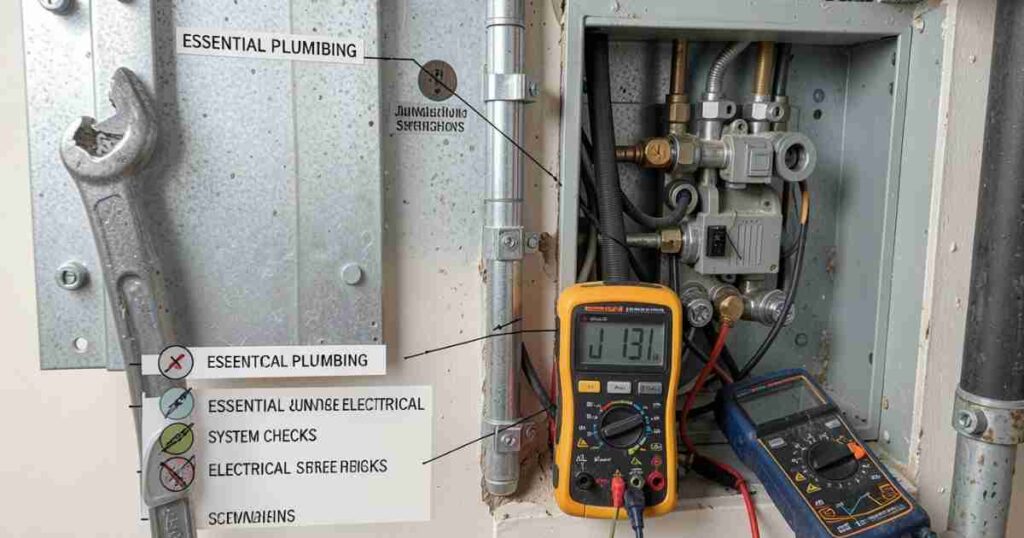
Test All Water Fixtures
Turn on every faucet and showerhead in the house. Check the water pressure, and look for any unusual noises like banging or whistling. Ensure hot water is readily available from all taps.
If you notice slow drainage or standing water after using a fixture, this could indicate a partial clog that needs attention.
Pay special attention to your water heater. Listen for strange sounds and check its age if possible, as older units may need replacement soon. If you have a water softener or filter system, check its status and make sure it’s functioning.
Understanding your home’s water flow and pressure is key to preventing future plumbing issues.
Check Your Electrical Panel
Your electrical panel is the heart of your home’s power system. Locate it, usually in a basement, garage, or utility closet. Open it carefully and look for any signs of damage, burnt smells, or loose wires.
Make sure all the circuit breaker switches are clearly labeled. This will make it easier to identify which breaker controls which part of your house.
If any breakers are tripped, try resetting them. However, if a breaker trips repeatedly, it signals a problem that needs professional inspection.
It’s also a good idea to know where your main shut-off valve is for the electricity in case of an emergency.
A basic understanding of your electrical panel contributes significantly to home safety.
Identify GFCI Outlets
Ground Fault Circuit Interrupter (GFCI) outlets are essential safety devices, especially in areas where water is present, like kitchens, bathrooms, and outdoor spaces.
These outlets are designed to quickly shut off electricity if they detect an imbalance, preventing electrical shock. You can identify them by the “Test” and “Reset” buttons on their face.
Test each GFCI outlet by pressing the “Test” button. The outlet should click, and any connected appliances should lose power. Then, press the “Reset” button to restore power.
If a GFCI outlet doesn’t work correctly, it needs to be replaced by an electrician. Ensuring these are functional is a vital step for electrical safety.
HVAC System Maintenance
Your heating, ventilation, and air conditioning (HVAC) system is responsible for your home’s comfort. Regular checks and maintenance can prevent costly breakdowns, especially when seasons change.
Change Air Filters
The air filter in your HVAC system traps dust, pollen, and other allergens, keeping your indoor air clean.
A clogged filter makes your system work harder, reducing efficiency and potentially causing damage. In your first month, locate your furnace or air handler and
The type of filter you need depends on your system. Check your owner’s manual or the old filter for the correct size and MERV (Minimum Efficiency Reporting Value) rating. It’s a good practice to mark the date of replacement on the new filter.
Aim to change filters every 1-3 months, depending on usage and filter type.
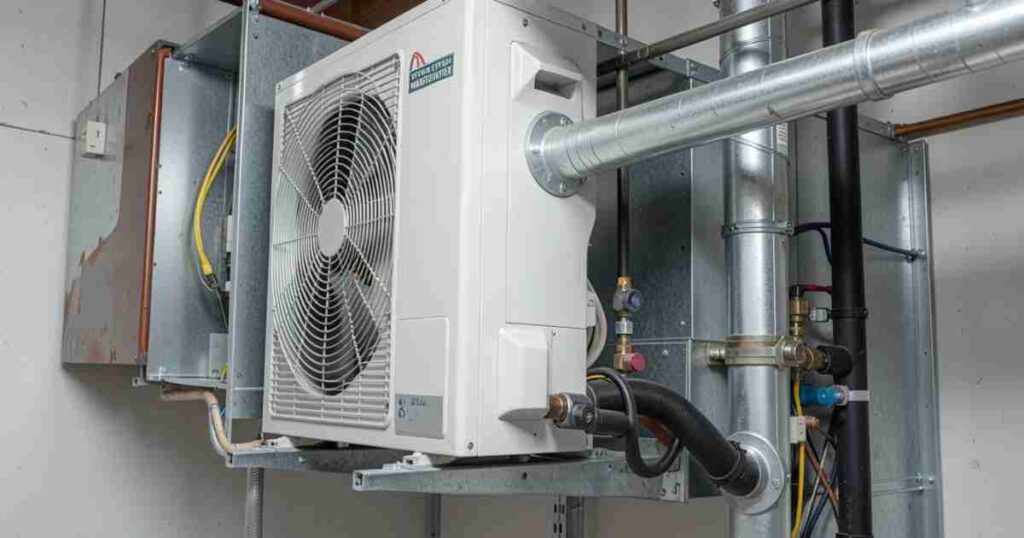
Inspect Vents and Registers
Walk through your home and check that all heating and cooling vents are open and unobstructed.
Furniture, rugs, or curtains can block airflow, leading to uneven temperatures in different rooms. Ensure there are no visible cracks or leaks around the vents themselves.
If you notice dust buildup around the vents, it’s a good time to clean them. A vacuum cleaner with a brush attachment can help. Proper airflow is critical for your HVAC system to function effectively.
This simple check ensures that the conditioned air reaches all parts of your home.
Schedule Professional HVAC Inspection
While you can do some basic checks yourself, it’s wise to have a professional inspect your HVAC system annually, or at least in your first few months of ownership.
They can perform a thorough check of your furnace, air conditioner, and ductwork. This includes cleaning, lubricating moving parts, and testing for any potential issues.
A professional inspection can identify problems before they become major breakdowns. They can also advise on the lifespan of your system and recommend any necessary repairs or upgrades.
Investing in this early check can save you money on energy bills and prevent a cold or hot house during critical times.
Many service companies offer a “tune-up” special for new homeowners.
Quick Cosmetic Fixes For Immediate Impact
Beyond safety and systems, making small cosmetic changes can instantly make your new house feel more like your home.
These are typically less about urgent repairs and more about personalizing your space and improving its look and feel.
Fresh Coat of Paint
Paint is one of the most effective and affordable ways to transform a room. If the walls are a color you dislike or show signs of wear, consider a fresh coat of paint. Choose neutral colors for a clean slate, or go bold with accent walls to express your style.
This is a project you can often do yourself over a weekend.
Before painting, ensure surfaces are clean and any holes or cracks are filled. Proper preparation ensures a smooth, professional-looking finish. Painting the trim and doors can also make a significant difference.
A freshly painted home not only looks better but can also smell cleaner, adding to that new home feeling.
Replace Hardware
Cabinet knobs, drawer pulls, and door handles are small details that can have a big impact.
If the existing hardware is outdated or doesn’t match your style, replacing it is a simple and quick upgrade. You can find a wide variety of styles and finishes at hardware stores or online.
This change is particularly effective in kitchens and bathrooms, where hardware is highly visible.
When choosing new hardware, consider the overall style of your home. For example, sleek brushed nickel might suit a modern home, while ornate bronze could be perfect for a more traditional space.
Ensure you measure the existing hole spacing before purchasing to guarantee a perfect fit.
Deep Clean and Declutter
Before you even start unpacking everything, give your new home a thorough deep clean. This is your chance to get into every nook and cranny. Scrub bathrooms and kitchens, clean out cabinets and drawers, and wash windows.
A clean home feels more welcoming and allows you to start fresh.
As you clean, take the opportunity to declutter. Get rid of anything that doesn’t serve a purpose or that you don’t love.
This is also a good time to assess your storage needs and identify areas where you might want to add shelving or organization solutions.
A clean and organized space is essential for comfort and peace of mind.
When to Call a Professional
While many initial fixes can be DIY projects, some issues require the expertise of a professional. Knowing your limits is key to avoiding bigger problems and ensuring tasks are done correctly and safely.
Major Structural Issues
If during your initial walkthrough or checks, you discover signs of significant structural problems like cracked foundation walls, sagging floors, or serious roof damage, do not attempt to fix these yourself.
These are complex issues that require the assessment and repair skills of a structural engineer or a specialized contractor. Early detection and professional repair are crucial to maintaining your home’s integrity.
Ignoring major structural problems can lead to extensive damage, safety hazards, and a significant decrease in your home’s value.
It’s always better to err on the side of caution and consult with experts when you suspect a serious structural concern. They can provide a thorough assessment and outline the necessary steps for repair.
Complex Electrical or Plumbing Problems
While you might be able to fix a leaky faucet or replace a light switch, complex electrical or plumbing issues are best left to the pros.
This includes recurring breaker trips, multiple outlets not working, persistent sewage smells, or significant leaks that you can’t easily locate and stop. These systems involve safety risks and intricate knowledge to repair correctly.
A qualified electrician or plumber has the tools, knowledge, and experience to diagnose and fix these problems safely and efficiently.
Attempting to fix them yourself could result in electrical shock, water damage, or further damage to the system, leading to more expensive repairs down the line. Always prioritize safety and professional expertise for these matters.
Pest Infestations
Discovering pests, whether it’s ants, rodents, or termites, can be unsettling. While a few ants might be manageable with DIY solutions, a widespread infestation often requires professional pest control.
Termites, in particular, can cause severe damage to your home’s structure and need immediate, expert attention.
Professional pest control services have access to effective treatments and strategies to eliminate pests and prevent their return.
They can also identify the source of the infestation and advise on ways to make your home less attractive to pests in the future. Protecting your home from damaging pests is a crucial part of home maintenance.
Frequently Asked Questions Of What New Homeowners Should Fix First 30 Days
Question: What is the most critical fix for a new homeowner in the first 30 days
Answer: The most critical fix is ensuring all smoke and carbon monoxide detectors are working properly to guarantee immediate safety for everyone in the house.
Question: Should I worry about cosmetic fixes before safety checks
Answer: No, safety checks and essential system inspections should always come first. Cosmetic fixes can wait until you are sure your home is safe and functional.
Question: How often should I change my home’s air filters
Answer: You should typically change air filters every 1 to 3 months, depending on the type of filter and how much you use your HVAC system.
Question: What if I find a small water leak
Answer: Even small leaks should be addressed promptly. Tighten fittings if you can, or call a plumber to prevent potential water damage and mold growth.
Question: Is it okay to paint a new home right away
Answer: Yes, painting can be a quick and easy cosmetic fix to personalize your new space, as long as all essential safety and system checks have been completed.
Summary
Focusing on safety, essential systems, and a few key cosmetic upgrades in your first 30 days sets a strong foundation for your new home.
Addressing these items will make your home more comfortable and secure. Enjoy making your new house your own!

![7 Foods That Taste Better In A Steam Oven[1]](https://creativehouseblog.com/wp-content/uploads/2026/04/7_Foods_That_Taste_Better_In_A_Steam_Oven1-768x448.jpg)
![9 Foods That Last Longer With Vacuum Sealing[1]](https://creativehouseblog.com/wp-content/uploads/2026/04/9_Foods_That_Last_Longer_With_Vacuum_Sealing1-768x448.jpg)
![6 Reasons Your Espresso Tastes Bitter[1]](https://creativehouseblog.com/wp-content/uploads/2026/04/6_Reasons_Your_Espresso_Tastes_Bitter1-768x448.jpg)
![6 Reasons Your Waffles Stick To The Maker[1]](https://creativehouseblog.com/wp-content/uploads/2026/04/6_Reasons_Your_Waffles_Stick_To_The_Maker1-768x448.jpg)
![9 Foods That Taste Better With Sous Vide Cooking[1]](https://creativehouseblog.com/wp-content/uploads/2026/04/9_Foods_That_Taste_Better_With_Sous_Vide_Cooking1-768x448.jpg)
![How to Service Your HVAC System Before Each Season[1]](https://creativehouseblog.com/wp-content/uploads/2026/05/How_to_Service_Your_HVAC_System_Before_Each_Season1-768x403.jpg)