
Essential summer home maintenance tasks include an air conditioner tune-up, roof and gutter inspection, exterior checks, and testing smoke and carbon monoxide detectors. Performing these annual chores prevents costly future repairs and ensures your home’s safety and efficiency. Addressing these items during warmer weather simplifies the process and helps maintain your property’s value.
Keeping your home in good shape can feel like a lot, especially when summer arrives. Many people find that remembering all the Summer Home Maintenance Tasks You Should Do Every Year can be a bit tricky. You might wonder where to start or what’s most important.
Don’t worry, we’re here to make it simple! This guide will walk you through everything step by step, so you can keep your home happy and healthy all summer long. Get ready to learn some easy tips and tricks!
Key Takeaways
- Regularly check your air conditioner to keep it running efficiently.
- Inspect your roof and gutters for any damage or blockages.
- Test your smoke and carbon monoxide detectors for safety.
- Maintain your lawn and landscaping to protect your home’s exterior.
- Look for any signs of pests and take action if needed.
- Inspect your home’s exterior for cracks or damage that need repair.
![Summer Home Maintenance Tasks You Should Do[1]](https://creativehouseblog.com/wp-content/uploads/2026/05/Summer_Home_Maintenance_Tasks_You_Should_Do1.jpg)
Essential Summer Home Maintenance Tasks
Summer is a great time to get ahead on home maintenance. The weather is usually nice, which makes it easier to work outside. Doing these tasks every year helps prevent bigger problems later on.
It saves you money and keeps your home safe and comfortable. Think of it like giving your house a check-up. This section covers the most important things to look at.

Air Conditioner Tune-Up
Your air conditioner works hard all summer. Giving it a little attention can make a big difference. A clean unit cools your home better and uses less energy.
This can help lower your electricity bills.
- Clean or replace the air filter. A dirty filter makes your AC work harder and blows less cool air. Check it monthly during peak season.
- Ensure the outdoor unit is clear of debris. Leaves, grass clippings, and dirt can block airflow. Gently clear away anything blocking the fins.
- Check the drain line. This line removes moisture. If it gets clogged, water can back up and cause damage or mold.
When your air conditioner filter is clogged, it restricts airflow. This forces the unit to run longer and more powerfully to achieve the desired temperature. Over time, this strain can lead to premature wear and tear on the motor and other components, potentially causing costly repairs.
Regularly changing or cleaning the filter, usually every one to three months depending on usage and air quality, is a simple yet effective way to maintain efficiency and prolong the lifespan of your AC system.
Many homeowners often overlook this simple step, thinking it’s not a big deal, but the impact on performance and energy consumption is significant.
The outdoor unit, often called the condenser, needs clear space around it. Plants, furniture, or even tall grass can prevent air from circulating properly. This is crucial for the heat exchange process that cools your home.
Think of it like trying to breathe through a thick scarf; it’s much harder. Keeping the area around the condenser unit clear, typically at least two feet, allows it to operate at its best.
Inspecting for any physical damage to the unit itself, like bent fins from a stray ball or debris, is also a good idea.
Gentle cleaning with a hose can remove dust and grime without damaging the delicate metal fins.
Roof and Gutter Inspection
Your roof protects your whole house from the weather. Gutters direct rain away from your foundation. Checking them in the summer can catch small issues before they become big leaks.
- Clear out leaves and debris from gutters and downspouts. Clogged gutters can cause water to overflow and damage your home’s siding and foundation.
- Look for any missing or damaged shingles on your roof. Loose or cracked shingles can let water seep in.
- Check for any signs of sagging on the roof. This could indicate structural problems underneath.
Gutters act as a vital drainage system for your home. When they become clogged with leaves, twigs, and other debris, water has nowhere to go but over the sides.
This overflow can pool around your foundation, leading to water damage, basement flooding, and even cracks in the concrete over time.
In freezing temperatures, this trapped water can freeze and expand, further damaging the gutters and fascia boards.
Regularly cleaning your gutters, typically at least twice a year, is a preventative measure that costs very little but saves a lot in potential repair costs.
Many homeowners prefer to hire professionals for this task due to safety concerns or simply lack of time.
A visual inspection of your roof from the ground using binoculars can reveal a lot. Look for shingles that are curling, cracked, or have lost their protective granules. Missing shingles are an obvious sign of damage that needs immediate attention.
If you can safely access your attic, check for any water stains or damp spots on the rafters or insulation, which could indicate a leak originating from the roof.
Sagging areas on the roof might suggest that the underlying structure is compromised due to water damage or old age.
Addressing these issues promptly can prevent extensive water damage to your attic, ceilings, and walls, which can be very expensive to repair.
Exterior Check-Up
The outside of your home is the first line of defense. Keeping it in good shape means your home stays sound.
- Inspect siding for cracks, holes, or peeling paint. Seal any gaps to prevent water and pests from entering.
- Examine window and door frames for signs of rot or wear. Weatherstripping can often be replaced easily to improve insulation.
- Check your deck or patio for loose boards or splinters. Repair them to ensure safety and longevity.
Cracks in siding, no matter how small, can be entry points for water and insects. Water infiltration can lead to wood rot, mold growth, and structural damage.
Pests like ants, termites, and rodents can easily find their way into your home through tiny openings.
Sealing these gaps with caulk or appropriate sealant is a simple DIY task that offers significant protection.
For painted surfaces, peeling or bubbling paint not only looks unsightly but can also indicate underlying moisture problems.
Addressing these issues with proper cleaning, priming, and repainting can restore your home’s curb appeal and protect its exterior.
Wooden elements like decks and patios are constantly exposed to the elements. The sun can dry them out, leading to cracks and splinters, while moisture can cause rot and mildew.
Regularly inspecting these structures for loose railings, wobbly steps, or any decking boards that are lifting or feel soft is important for safety.
Splinters can be a common nuisance, but more serious structural issues like rot can pose a significant hazard.
Cleaning and sealing your deck or patio annually can help protect the wood, prevent water damage, and keep it looking its best for years to come. Consider applying a sealant or stain that offers UV protection and water repellency.
Safety First Summer Checks
Safety in your home is super important, and summer is a good time to double-check everything. You want to make sure your family is protected.

Smoke and Carbon Monoxide Detectors
These devices are lifesavers. Testing them regularly ensures they will work when you need them most.
- Test all smoke and carbon monoxide detectors. Press the test button to make sure the alarm sounds.
- Replace batteries in all detectors. It’s best to do this at least once a year.
- Check the expiration date on each detector. Most detectors need to be replaced every 7-10 years.
Smoke and carbon monoxide detectors are essential safety devices that provide early warning in case of fire or dangerous gas leaks.
Their effectiveness relies on functioning batteries and the operational status of the sensor itself. Many people forget to test these devices until it's too late.
A simple monthly test by pressing the “test” button is a quick way to ensure the internal alarm mechanism is working. If the alarm doesn’t sound, it’s time to
Beyond batteries, smoke and carbon monoxide detectors have a limited lifespan. The sensors inside degrade over time, making them less effective. Manufacturers typically print an expiration date on the back or side of the unit.
It is critical to adhere to these dates and replace detectors when they expire, even if they appear to be working fine.
Ignoring expiration dates can leave your home vulnerable. Think of it like a food expiration date; it’s there for a reason.
Having up-to-date detectors significantly increases the chances of a safe evacuation in an emergency. Many newer models offer sealed batteries that last up to 10 years, simplifying maintenance.
Outdoor Lighting and Security
Good lighting outside your home can deter intruders and make your property safer at night.
- Check all outdoor lights are working. Replace any burnt-out bulbs.
- Ensure porch lights and pathway lights are functional. These are important for safety.
- Inspect any security cameras or systems. Make sure they are recording and visible.
Outdoor lighting serves both practical and security purposes. Well-lit pathways prevent trips and falls, especially during evening hours.
Motion-activated lights can startle potential intruders and alert you to activity around your home.
Regularly checking that all bulbs are working and replacing those that have burned out is a simple maintenance task.
If you have solar-powered lights, ensure the panels are clean so they can charge effectively.
For more advanced systems, periodically check the settings and functionality to ensure they are operating as intended and providing the desired coverage.
If you have security cameras, it’s important to ensure they are still functioning correctly and are not obstructed by growing branches or debris.
Check that the camera lenses are clean for clear footage. Also, verify that your recording system is properly storing footage.
For any alarm systems or smart home security devices, ensure they are armed and connected to your network if applicable.
Regular checks, even just a quick visual inspection of the camera feeds on your phone or computer, can provide peace of mind and ensure your home is protected.
Some systems may require software updates or battery replacements, so it’s wise to consult your system’s manual.
Yard Work and Pest Control
Your yard is part of your home. Keeping it neat and free from pests protects your home’s structure and your family’s health.
Lawn and Garden Care
A well-maintained yard looks good and helps protect your home.
- Mow your lawn regularly. Keep grass at a healthy height to discourage pests and retain moisture.
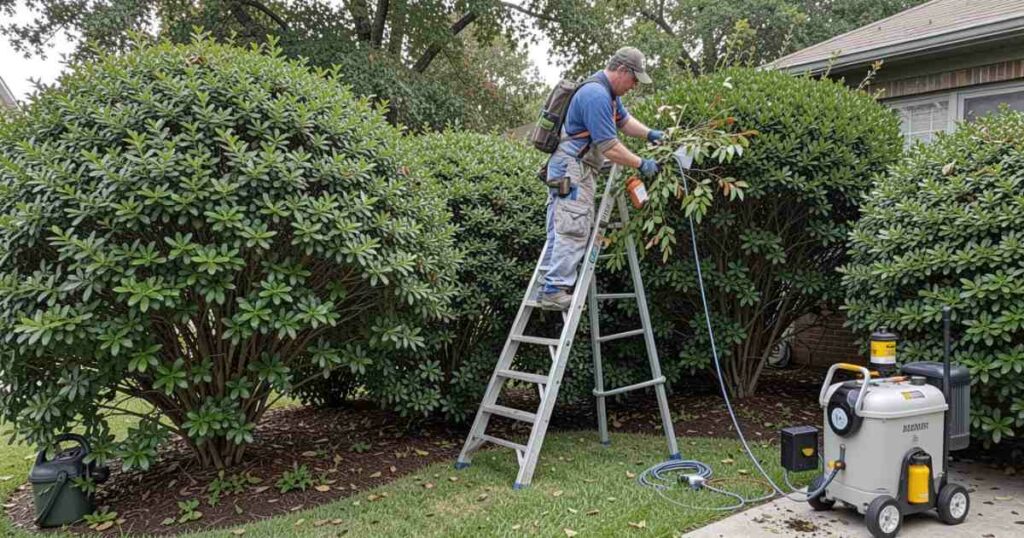
- Trim bushes and trees away from your house. Branches touching the siding can cause damage and provide entry for pests.
- Weed garden beds. Healthy plants are less susceptible to disease.
Regular lawn mowing at the appropriate height is crucial for a healthy yard. Cutting grass too short can stress the roots, making it more vulnerable to drought and weeds.
Conversely, letting grass grow too long can create a breeding ground for pests and make it harder to spot potential problems.
Aim for a height that suits your grass type and local climate. A thick, healthy lawn also helps to prevent soil erosion and keeps your yard looking tidy.
This simple task contributes significantly to the overall health and appearance of your property.
Overgrown bushes and trees can cause a variety of problems. Branches rubbing against your siding can wear away paint and even damage the material over time.
They can also create shaded, damp areas near your foundation, which can encourage mold and mildew growth.
Furthermore, branches that reach your roof can provide easy access for rodents and other pests to get into your attic or crawl spaces.
Pruning these plants back, ensuring there’s a clear gap between the foliage and your home, is a vital preventative measure. This also allows for better air circulation around your house, reducing moisture buildup.
Pest Prevention and Inspection
Pests can cause damage and spread diseases. Early detection is key.
- Inspect the exterior of your home for any signs of pest activity. Look for droppings, nests, or damaged wood.
- Seal any cracks or holes in your foundation or walls. This blocks entry points for insects and rodents.
- Keep trash cans sealed and clean. This reduces attractants for pests like rodents and insects.
Common pests like ants, termites, and rodents can cause significant structural damage to your home if left unchecked.
Termites, for instance, can eat away at wooden beams and supports, weakening the entire structure.
Ants can infest kitchens and other areas, while rodents can chew through electrical wires, creating fire hazards.
Regularly inspecting the perimeter of your home, especially around the foundation, decks, and any wooden structures, can help you spot early signs of infestation.
Look for small holes in the ground, sawdust-like debris (frass) indicating termites, or actual droppings from rodents.
Sealing entry points is a fundamental pest control strategy. Pests are always looking for a way in.
Tiny cracks in concrete foundations, gaps around pipes or utility lines, and even small holes in siding can be an invitation for unwanted guests.
Using appropriate sealants, such as caulk for small gaps or expanding foam for larger ones, can effectively block these pathways.
Pay close attention to areas where different building materials meet, as these can be common spots for cracks to develop.
Keeping your home’s exterior clean and free from standing water also helps reduce the attractiveness to many types of pests.
Internal Home Checks
Don’t forget the inside of your home! Some quick checks can save you trouble.
Plumbing and Water Systems
Summer can sometimes bring heavy rains or extended dry spells, both of which can affect your plumbing.
- Check for any signs of leaks under sinks or around toilets. Small drips can lead to big problems.
- Flush out your water heater. This removes sediment and improves efficiency.
- Test your sump pump if you have one. Make sure it activates when water is present.
Leaky faucets or pipes can waste a surprising amount of water and lead to mold growth or water damage.
Regularly inspecting visible plumbing connections, especially under sinks and around toilets, is a good habit. Look for water stains, dampness, or the presence of mold.
Addressing minor leaks promptly is much easier and cheaper than repairing extensive water damage later.
Many homeowners overlook these areas until a problem becomes obvious, but a few minutes spent checking can prevent significant issues.
Sediment can build up in the bottom of your water heater over time. This buildup can reduce the heater’s efficiency, meaning it has to work harder and use more energy to heat your water. It can also lead to noises like popping or rumbling.
Flushing the tank annually helps remove this sediment. This process typically involves draining the tank for a short period.
If you have a sump pump, its job is to remove excess water from your basement or crawl space.
Testing it by pouring a bucket of water into the pit ensures it turns on and pumps the water out. A malfunctioning sump pump can lead to serious flooding.
Appliance and Electrical Checks
Your appliances work hard. A quick look can ensure they are safe and efficient.
- Clean refrigerator coils. This helps your fridge run more efficiently and last longer.
- Check the dryer vent for lint buildup. A clogged vent is a fire hazard.
- Test GFCI outlets. These are important for safety in wet areas.
The coils on the back or bottom of your refrigerator help dissipate heat. When they are covered in dust and debris, the refrigerator has to work harder to stay cool. This uses more energy and can shorten the appliance’s lifespan.
Gently cleaning these coils with a vacuum cleaner attachment or a soft brush can significantly improve efficiency.
This is a task that is often overlooked but has a noticeable impact on your electricity bill and the performance of your fridge.
Lint buildup in your dryer vent is a serious fire risk. The heat from the dryer combined with flammable lint can easily ignite.
Regularly cleaning out the lint trap is crucial, but it’s also important to inspect the entire vent hose that runs from the dryer to the outside of your home.
Disconnect the hose and carefully remove any accumulated lint. Make sure the exterior vent flap is also clear of obstructions and opens properly when the dryer is running. This simple maintenance task greatly reduces the risk of a house fire.
Ground Fault Circuit Interrupter (GFCI) outlets are designed to protect you from electric shock in areas where water is present, such as kitchens, bathrooms, and outdoor outlets. They quickly cut off power if they detect an imbalance in the electrical current.
Every few months, you should test these outlets using the “test” and “reset” buttons on the outlet itself.
If the outlet doesn’t shut off power when the test button is pushed, or if it doesn’t reset, it needs to be replaced by a qualified electrician. Ensuring these safety devices are functional is paramount.
Frequently Asked Questions Of Summer Home Maintenance Tasks You Should Do
Question: What is the most important summer home maintenance task?
Answer: While many tasks are important, ensuring your air conditioner is functioning efficiently is often considered critical for comfort and energy savings during the summer months.
Question: How often should I check my smoke detectors?
Answer: You should test your smoke and carbon monoxide detectors monthly and replace the batteries at least once a year, or when the low battery warning chirps.
Question: Can I clean my roof myself?
Answer: Inspecting your roof from the ground is generally safe. Cleaning it thoroughly may require professional help due to safety risks involved with working at heights.
Question: What should I do if I find pests around my home?
Answer: For minor issues, sealing entry points and keeping the area clean can help. For significant infestations, it’s best to contact a professional pest control service.
Question: Why is gutter cleaning important in the summer?
Answer: Summer storms can be intense. Clean gutters ensure rainwater is directed away from your home’s foundation, preventing water damage and basement flooding.
Summary
Tackling these yearly summer home maintenance tasks ensures your house stays safe, comfortable, and in great shape.
From A/C checks to pest prevention, simple actions now prevent bigger headaches later. Your home will thank you for it.

![7 Mistakes That Ruin Wine Storage At Home[1]](https://creativehouseblog.com/wp-content/uploads/2026/04/7_Mistakes_That_Ruin_Wine_Storage_At_Home1-768x448.jpg)
![8 Cleaning Hacks For Limescale Removal[1]](https://creativehouseblog.com/wp-content/uploads/2026/04/8_Cleaning_Hacks_For_Limescale_Removal1-768x448.jpg)
![How to Maintain Your Boiler So It Lasts Much Longer[1]](https://creativehouseblog.com/wp-content/uploads/2026/05/How_to_Maintain_Your_Boiler_So_It_Lasts_Much_Longer1-768x403.jpg)
![Is Pressure Cooking Healthy For You[1]](https://creativehouseblog.com/wp-content/uploads/2026/03/Is_Pressure_Cooking_Healthy_For_You1-768x448.jpg)
![How to Reglaze a Window Pane Without Professional Help[1]](https://creativehouseblog.com/wp-content/uploads/2026/05/How_to_Reglaze_a_Window_Pane_Without_Professional_Help1-768x403.jpg)
![Air Fryer Cooking Science Explained[1]](https://creativehouseblog.com/wp-content/uploads/2026/03/Air_Fryer_Cooking_Science_Explained1-768x448.jpg)