In a busy home, outdoor coffee tables typically need replacement every three to five years for wood and wicker materials, while metal and teak can last seven to ten years with proper care. For high-traffic households, aluminum or poly lumber offer the best durability and longevity. Watch for rust, rot, or structural wobble as key signals that replacement is necessary to maintain safety and avoid unexpected costs.
Is your outdoor coffee table starting to warp, rust, or wobble after just a couple of years?
This guide covers exact replacement timelines for every material and household type so you know when it is time to buy a new one.
Quick Verdict: In short, most outdoor coffee tables in busy homes need replacement every 3 to 5 years for wood and wicker materials. Metal and teak tables can last 7 to 10 years with proper care. The best material for high-traffic families is aluminum or poly lumber. Always watch for rust, rot, and structural wobble as your main replacement signals.
When you run a busy household with children, pets, and regular outdoor entertaining, your outdoor coffee table takes more abuse than a table in a quiet adult home. According to, most U.S. families use their outdoor living spaces more than 120 days per year. That is four months of sun, rain, spills, and daily activity. Understanding how often you should replace your coffee table helps you budget better and keep your patio safe.
Tip: Keep a simple log of when you bought your table and what maintenance you do each season. This record helps you spot lifespan patterns and plan replacements before the table becomes unsafe.
Key Takeaways
- Wood and wicker outdoor coffee tables last 3 to 5 years in busy homes before showing visible wear and safety issues.
- Metal and teak tables can last 7 to 10 years if you clean them regularly and use protective covers when not in use.
- Signs like rust stains that flake metal, wood rot that feels spongey, or leg wobble that bolts cannot fix mean replacement is overdue.
- Using furniture covers and storing cushions indoors can add 2 to 3 full years to your table’s usable lifespan.
- Aluminum and poly lumber offer the best balance of durability, low maintenance, and cost for active family households.
What Is the Typical Lifespan by Material
The material you pick determines how often you need to replace your outdoor coffee table. Each material handles sun, rain, and daily use in a different way. Some materials break down fast in direct sunlight. Others resist water and scratches well. Here is a full breakdown of the most common options and their real-world lifespans.
| Material | Average Lifespan | Busy Home Lifespan | Maintenance Level | Best Use Case |
|---|---|---|---|---|
| Teak wood | 10 to 15 years | 7 to 10 years | Low | Long-term investment for covered patios |
| Aluminum | 10 to 15 years | 8 to 12 years | Very low | Best for busy families with kids |
| Wicker / resin | 3 to 5 years | 2 to 4 years | Moderate | Budget-friendly option for occasional use |
| Steel / iron | 5 to 8 years | 3 to 6 years | High | Covered patios in dry climates only |
| Poly lumber | 15 to 20 years | 12 to 15 years | None | Coastal, wet, or high-humidity areas |
| Eucalyptus | 5 to 8 years | 3 to 5 years | Moderate | Eco-friendly choice for shaded decks |
According to, aluminum frames are the top recommendation for outdoor furniture because they do not rust, warp, or splinter. Teak wood, when left unsealed, develops a silver-gray patina but stays structurally strong for over a decade. The reports that aluminum outdoor furniture is the fastest-growing category for households with children because of its durability and simple care requirements.
Teak: The Gold Standard for Outdoor Wood
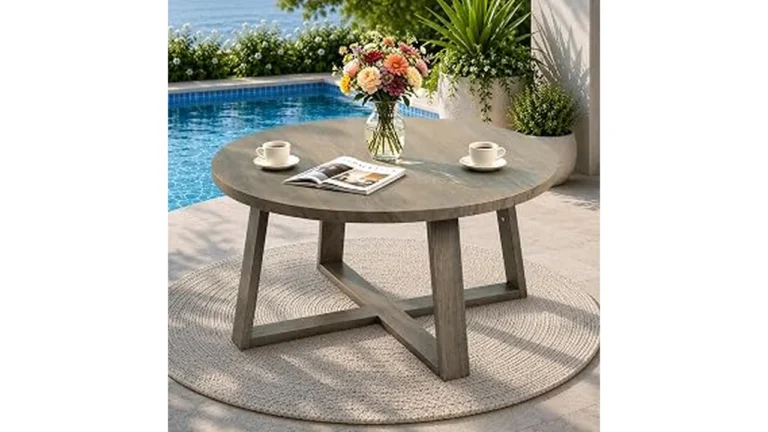
Teak contains natural oils that repel water and insects. This makes it one of the best materials for outdoor use. In a busy home, a teak coffee table can last 7 to 10 years before it needs replacement. You do not need to stain or seal it. The wood will turn gray over time, but that is normal and does not affect strength. If the gray bothers you, you can sand the surface lightly and apply teak oil to restore the golden hue. Grade A teak, sourced from mature trees, has the highest oil content and the longest lifespan. Grade B teak has less oil and will weather faster. Always check the grade before you buy.
Aluminum: The Top Choice for Active Households
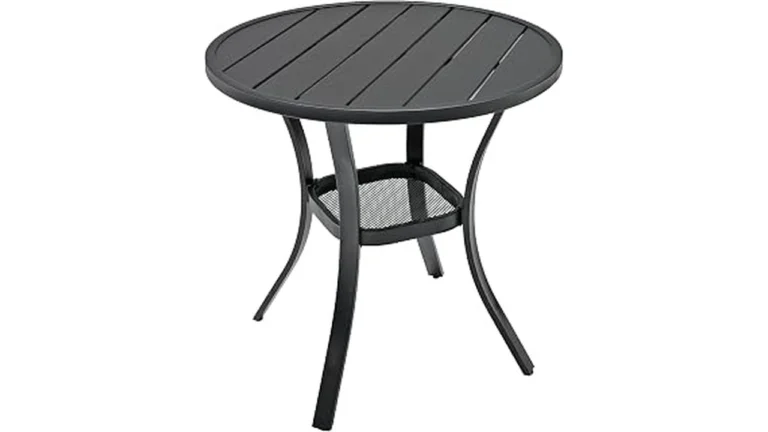
Aluminum is lightweight, rust-proof, and easy to maintain. A powder-coated aluminum coffee table can handle kids climbing on it, spilled drinks, and rain without damage. It does not absorb moisture, so mold and mildew are not issues. The main risk is scratching the powder coating. If you see a scratch, touch it up with matching paint to prevent further wear. Wrought aluminum, which is cast, is stronger than extruded aluminum tube frames. For a busy home, look for cast aluminum or reinforced tube frames with a minimum 2-inch diameter.
Tip: When shopping for an aluminum table, lift it. A lightweight table made of thin tubes will bend under heavy use. A high-quality cast aluminum table should feel substantial and not flex when you press on the frame.
Wicker and Resin: Attractive but Short-Lived
Wicker looks classic and inviting, but it does not last long in busy homes. Natural wicker is made from plant fibers and will rot quickly in rain. Resin wicker, also called all-weather wicker, holds up better to UV rays and moisture. Even so, both types face the same problem: the fibers become brittle over time and start to crack. Expect 2 to 4 years in a busy home. The cushions and fabric strapping often wear out first. Check those parts before deciding to replace the whole table. If the frame is still solid, you may only need new cushions.
Steel and Iron: Heavy but Prone to Rust
Steel and iron tables are heavy and stable, which is good for windy patios. But they rust fast, especially in humid climates or near the coast. Powder coating helps, but once the coating chips, rust spreads quickly. In a busy home with frequent table movement, expect 3 to 6 years before rust becomes a problem. If you live in a dry area and keep the table covered, steel can last longer. For coastal homes, skip steel entirely and choose aluminum or poly lumber instead.
Poly Lumber: The Modern Alternative
Poly lumber, also called HDPE furniture, is made from recycled plastic. It does not rot, rust, splinter, or fade. It resists mold and mildew. In busy homes, poly lumber coffee tables last 12 to 15 years with almost no maintenance. You can clean them with soap and water. They do not need painting, staining, or sealing. The downsides are upfront cost and weight. Poly lumber tables cost more than wood or metal initially, but they save money over time because you replace them less often. According to, one of the largest manufacturers, their furniture is tested to withstand 120 mile per hour winds and temperatures from -40 to 140 degrees Fahrenheit.
How Does a Busy Home Affect Replacement Timing
A busy home is different from a quiet adult household. Children, pets, parties, and daily use all shorten the life of your outdoor coffee table. Each activity type causes specific kinds of damage. Here are the main factors that speed up wear and reduce replacement intervals.
- Children climb on tables, which stresses leg joints and can crack frames. A child who stands on the tabletop can bend aluminum tubes or snap wicker strands.
- Pets scratch surfaces with their claws, especially on wood and wicker. Pet fur also traps moisture against the finish, speeding up rot.
- Spills from food and drinks stain wood finishes and corrode metal coatings over time. Acidic drinks like soda and lemonade are especially damaging.
- Frequent moving and dragging the table loosens screws, bolts, and glue joints. Dragging on concrete grinds down leg caps and exposes metal to moisture.
- Direct sunlight in uncovered patios causes UV breakdown of paint, plastic, and wood fibers. Fading is the first sign, but the real damage is material weakening.
The notes that outdoor living spaces are used more than 120 days per year in most U.S. households. Each season of heavy use reduces the table lifespan by roughly one year compared to occasional use. A table that would last 8 years in a quiet home may last only 4 years in a home with two children and a large dog.
Warning: Do not assume a wobbly table just needs bolts tightened. If the frame has cracks, rust holes, or broken welds at the joints, replacement is safer than repair. A table that collapses under a heavy tray of drinks can hurt someone and break glassware.
What Are the Signs You Need to Replace
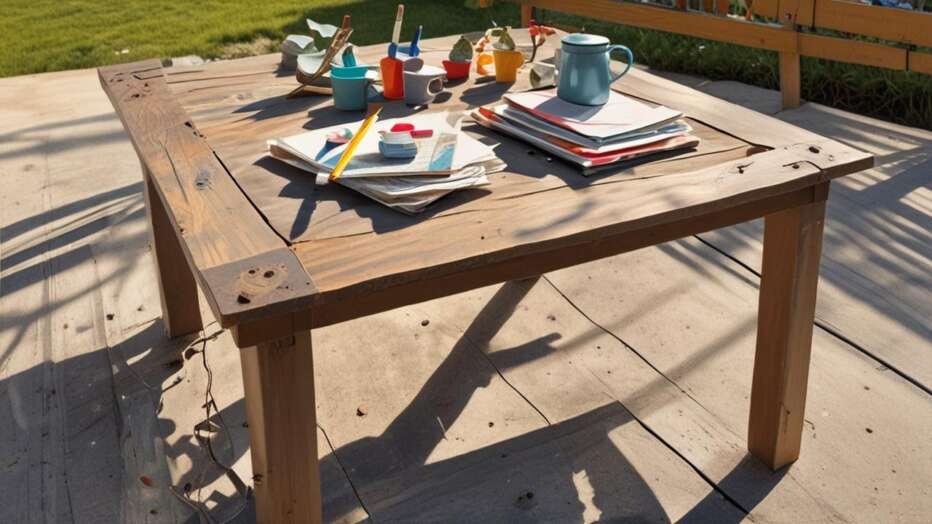
You do not need to wait for a specific number of years on the calendar. Your table will show clear visible signs that it is time to replace it. Check your table at the start of each season. Look for these indicators.
- Structural wobble that bolts cannot fix – if the legs shake even after you tighten every screw and bolt, the frame has worn out at the joints. This is a safety hazard.
- Rust or corrosion that flakes metal – small surface rust spots can be sanded and painted. But rust that has eaten through the metal, creating holes or thin spots, requires a full replacement.
- Rot or splintering in wood – wood that flakes off easily, feels spongey, or has visible soft spots has lost its strength. Rot spreads inside the wood, so what you see is only part of the damage.
- Cracking or brittleness in wicker – when resin wicker strands break under light pressure, the material has degraded from UV exposure. Cracks allow water inside, which leads to mold and frame rust.
- Mold or mildew that does not clean off – if scrubbing with soap and bleach does not remove mold, the material has absorbed moisture deep into its pores. The table will continue to degrade.
- Broken glass or cracked tabletops – replacement glass for outdoor tables often costs more than a new table. Custom sizes can be expensive to order. Check replacement cost before deciding to repair.
If you see two or more of these signs, it is time to shop for a replacement. Waiting can make your patio look unkempt and reduce your home’s curb appeal. According to, outdoor living spaces with well-maintained furniture increase a home’s perceived value for potential buyers.
How to Make Your Outdoor Coffee Table Last Longer
You can add years to your table’s life with simple daily and seasonal habits. Here are the most effective methods for busy households.
Use High-Quality Furniture Covers
Cover your table when you are not using it, especially during rain, snow, and the hottest part of summer. A good cover blocks UV rays, prevents water from pooling, and keeps dust and pollen away. According to, using a cover consistently can double the lifespan of both cushions and tabletops. Look for covers made of solution-dyed polyester or vinyl, which resist cracking and UV damage. Make sure the cover fits snugly but has vents to prevent moisture buildup underneath.
Store Cushions and Pillows Indoors
Never leave cushions outside overnight when humidity is high or rain is expected. Moisture soaks into foam and fabric, causing mold, mildew, and fabric breakdown. Store cushions in a dry shed, garage, or indoor closet when not in use. If you cannot store them indoors, use waterproof cushion storage bags. Rotate cushions every few weeks to distribute wear evenly.
Clean Regularly with the Right Products
Wipe down your table every week with mild soap and water. Remove spills right away, especially acidic drinks like lemonade, wine, or tomato juice. For wood tables, use a cleaner made specifically for outdoor teak or eucalyptus. For metal tables, use a non-abrasive cleaner to avoid scratching the powder coating. For poly lumber, a simple hose rinse is usually enough. For wicker, use a soft brush to get dirt out of the weave.
Important: Never use bleach or ammonia-based cleaners on outdoor furniture unless the manufacturer specifically recommends them. Harsh chemicals can strip protective coatings, fade colors, and weaken fibers.
Tighten Hardware at the Start of Each Season
Check all screws, bolts, and nuts at the beginning of spring, summer, and fall. Tighten any loose parts with a screwdriver or wrench. This simple step prevents small wobbles from becoming structural damage. For tables that go through winter, bring them inside or at least store them under a heavy-duty cover. If the table has metal glides on the legs, check them for wear. Replace worn glides to prevent scratching your deck or patio floor.
Apply Protective Coatings as Needed
For wood tables, apply a sealant or oil every 12 to 24 months, depending on sun exposure. For metal tables, inspect the powder coating for chips. Touch up any bare spots with matching outdoor-grade paint to prevent rust from starting. For poly lumber tables, no coating is needed. Just rinse with a hose every few weeks. For steel and iron tables, a fresh coat of rust-inhibiting paint every few years can extend their life significantly.
Tip: Use a mix of one part white vinegar and three parts warm water to clean mold and mildew from outdoor furniture. This natural solution works well without harsh chemicals. Rinse thoroughly with a hose after cleaning.
Common Myths About Outdoor Coffee Table Replacement
Many homeowners hold onto tables longer than they should because of common misconceptions. Here are three myths and the real facts.
Myth 1: All wood outdoor tables last the same length of time
Not true at all. Softwoods like pine and cedar rot within 2 to 3 years outdoors, even with sealing. Hardwoods like teak and eucalyptus last 5 to 15 years because they contain natural oils and denser fibers. The wood species changes everything about lifespan.
Myth 2: Rust can always be sanded and painted over
Surface rust on a small area can be sanded and painted. But rust that has caused flaking, pitting, or structural thinning cannot be fixed with paint. The metal has lost its strength. If rust has eaten through the frame at joints or legs, replace the table. Painting over compromised metal is a safety risk.
Myth 3: Expensive tables never need replacement in busy homes
Even high-end outdoor tables wear out in active households. A premium teak table from a top brand may last 15 years in a quiet setting, but constant kids, pets, and daily use can cut that down to 7 or 8 years. Price does not prevent physical wear from use and weather exposure.
Pro Tips for Busy Homeowners
These tips come from furniture dealers and contractors who see worn outdoor tables every day. Use them to get the most value from your purchase.
- Buy a slightly smaller table – a smaller coffee table is easier to move, cover, and store when needed. It also leaves more walk space around your patio seating, which reduces the chance of accidental bumps and scratches.
- Choose rounded edges and corners – square corners crack and splinter faster in high-traffic areas. Rounded edges are safer for children and last longer because there are no sharp angles to chip or break.
- Use trays, coasters, and placemats – hot mugs, cold glasses, and wet bottles all cause damage to tabletops over time. Trays protect the surface, catch spills, and make cleanup faster. This is the single easiest habit to extend table life.
- Pick neutral or earth-tone colors – fading shows less on gray, brown, tan, and dark green finishes. White and bright colors show every stain, scratch, and UV fade. For busy homes, neutral colors look presentable longer between cleanings.
- Buy from brands that sell replacement parts – brands like and offer individual slats, legs, and hardware. When one part breaks, you can replace just that piece instead of buying a whole new table. This saves money and reduces waste.
Resources and Tools
These products, brands, and resources help you maintain your current table and choose the right replacement when the time comes.
- Polywood – Made from recycled plastic, these tables last up to 20 years with zero maintenance. No painting, staining, or sealing needed.
- Hanamint – Cast aluminum tables with commercial-grade powder coating designed for high-use outdoor spaces. Replacement parts available for most models.
- Tropitone – Premium outdoor furniture brand known for durable frames and long warranties. Many models have replaceable straps and cushions.
- Covercraft – Maker of custom-fit furniture covers that block 98 percent of UV rays and resist water and mildew.
- Restore-A-Deck – A wood cleaner and brightener made specifically for outdoor teak, eucalyptus, and cedar furniture. Safe for plants and pets.
Frequently Asked Questions
How often should I replace my outdoor coffee table in a busy home?
Most busy homes with children and pets need to replace wood and wicker tables every 3 to 5 years. Metal and teak tables last 7 to 10 years with proper care. If you see rust, rot, or structural wobble, replace it sooner regardless of age.
Can I repair a wobbly outdoor coffee table instead of buying a new one?
You can tighten loose bolts, replace worn leg glides, and reinforce loose joints with metal brackets. But if the frame itself has cracks, broken welds, or deep rust, repair is not safe. The table will fail again. Replace it to avoid accidents.
What is the best material for an outdoor coffee table in a home with kids and pets?
Aluminum is the top choice for busy homes. It does not rust, it is lightweight enough to move, and it can handle daily use without damage. Poly lumber is another excellent option, especially for coastal or high-humidity areas where rust is a problem.
Does using a furniture cover really make the table last longer?
Yes, consistently using a quality cover can add 2 to 3 years to your outdoor coffee table lifespan. According to, covers protect against UV rays, rain, snow, dust, and bird droppings, all of which cause material breakdown over time.
How do I know if my outdoor coffee table is beyond repair?
Look for structural rust that flakes metal, wood rot that feels spongey, frame cracks that cause wobble, or a broken glass top that costs more to replace than the whole table. If any of these are present, it is time to replace rather than repair.
Final Thoughts
Outdoor coffee tables in busy homes typically need replacement every 3 to 5 years for wood and wicker materials, while teak and aluminum can last 7 to 10 years. Watch for rust, rot, and wobble as your main signals to shop for a new table. Choosing the right material for your household and using covers and regular cleaning will give you the most value from your investment.