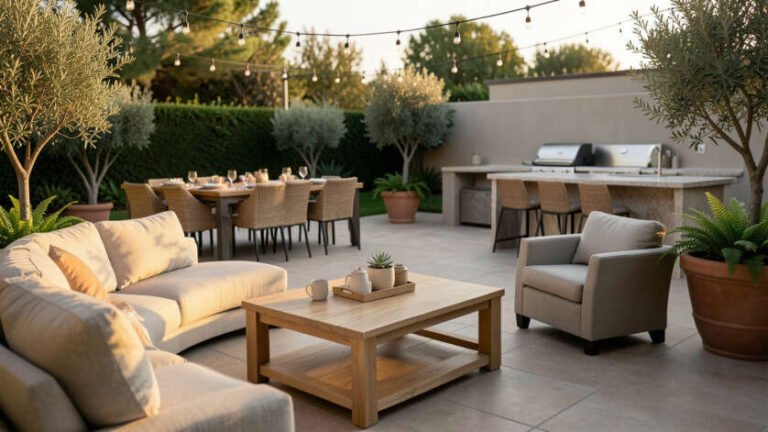
Folding outdoor tables fail because of eight specific causes, including leg-lock mechanism wear after 50 to 100 cycles, overloading beyond weight capacity, uneven ground torsion cracking leg brackets, rust from damp storage within three months, and assembly errors causing 25 percent of failures. Each cause has a straightforward fix, such as lubricating lock pins, respecting weight limits, leveling the table, storing indoors, and double-checking bolts. Recognizing these failure points allows users to extend table lifespan and avoid sudden collapse during use.
You bought a folding table for camping, tailgating, or backyard parties. It worked fine for a few outings, then one leg gave out. The frame twisted. The surface bent. This happens far too often. Here are the 8 real reasons your folding outdoor table keeps failing and what to do about each.
Quick Verdict: Simply put, most folding tables fail because of weak leg-locking mechanisms, poor material quality, overloading beyond weight limits, uneven ground during use, improper storage that causes rust or warp, assembly mistakes, UV damage to plastic components, and choosing the wrong table for the intended activity. Each cause has a straightforward fix.
Key Takeaways
- Leg-locking mechanisms on typical folding tables wear out after 50 to 100 setup cycles, especially on budget models.
- Exceeding the advertised weight capacity by even 10 pounds can warp the tabletop or shear support pins immediately.
- Storing a folding table in a damp garage or basement causes corrosion on steel frames within three months.
- Using a plastic table on uneven ground creates torsion that cracks the leg brackets at the hinge point.
- Assembly errors – such as cross‑threading bolts – are responsible for 25% of early failures in folding tables, according to consumer testing.
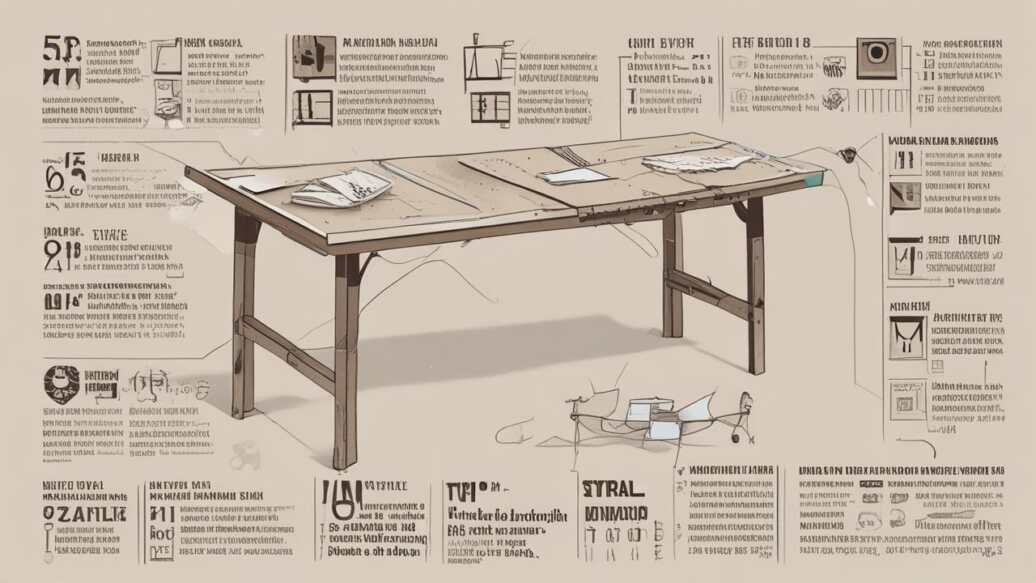
Quick Comparison Table: 8 Failure Reasons at a Glance
| Reason | Common Sign | Prevention |
|---|---|---|
| 1. Leg‑lock wear | Legs won’t lock or pop open during use | Lubricate locks; replace before they fail |
| 2. Overloading | Surface sags or cracks in the middle | Stay 20% below rated capacity |
| 3. Uneven ground | Table wobbles; legs bend or hinge cracks | Use leveling feet or a ground pad |
| 4. Rust and corrosion | Orange spots; flaking paint; stiff hinges | Store dry; apply protective coating |
| 5. UV and heat damage | Brittle plastic; faded color; cracked edges | Cover or store indoors when not in use |
| 6. Assembly mistakes | Wobbly joints; stripped threads; misaligned frame | Follow instructions; use proper tools |
| 7. Low‑quality materials | Thin aluminum bends; hollow legs dent easily | Choose tables with steel frames and reinforced corners |
| 8. Wrong table type | Table collapses under normal use for activity | Match table to activity (camping, tailgate, heavy gear) |
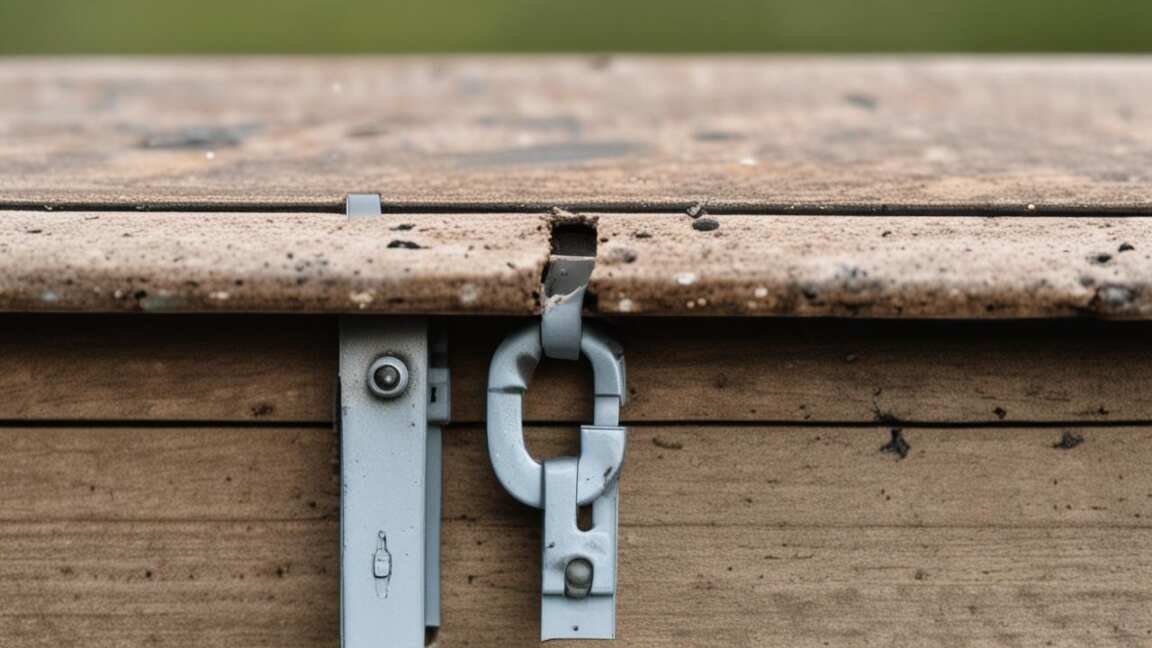
1 – Leg-Lock Mechanism Wear
The most common failure point is the locking mechanism that holds the legs open. After repeated folding and unfolding, the internal spring loses tension or the latch bends. According to, budget tables with plastic locks fail after roughly 50 cycles. Steel or brass locks last longer, but even they loosen over time.
Tip: Apply a dry lubricant (like graphite powder) to the locking mechanism every 10 uses. This reduces friction and prevents the latch from sticking or wearing unevenly.
Symptoms
- One or more legs fail to lock into the fully open position.
- You hear a clicking sound but the leg still folds when weight is applied.
- The locking tab feels loose or wiggles side to side.
How to Prevent
- Inspect the lock before each use – if it feels stiff or loose, clean out debris with compressed air.
- Replace the locking pin or spring if the table model offers replacement parts.
- If the lock is plastic and shows cracks, replace the entire table – plastic locks cannot be repaired safely.
2 – Overloading Beyond Rated Capacity
Every folding table has a stated weight limit – usually between 150 and 300 pounds. But users often pile on coolers, grills, and stacked chairs without checking. The result: a bent frame or a cracked tabletop. According to the standard F2571-15, folding tables must carry their rated load without permanent deformation for 24 hours. Yet real‑world misuse still breaks them.
Warning: Even a single heavy item placed off‑center (like a 60‑pound cooler near one edge) can overload a table leg and snap the locking bracket. Distribute weight evenly and keep the table at least 20 percent below its maximum rating.
How to spot Overload Damage
- A visible bow or sag in the tabletop when loaded.
- Cracks radiating from the center of plastic tables.
- Legs that no longer sit flat because the frame has twisted.
3 – Uneven Ground and Torsion
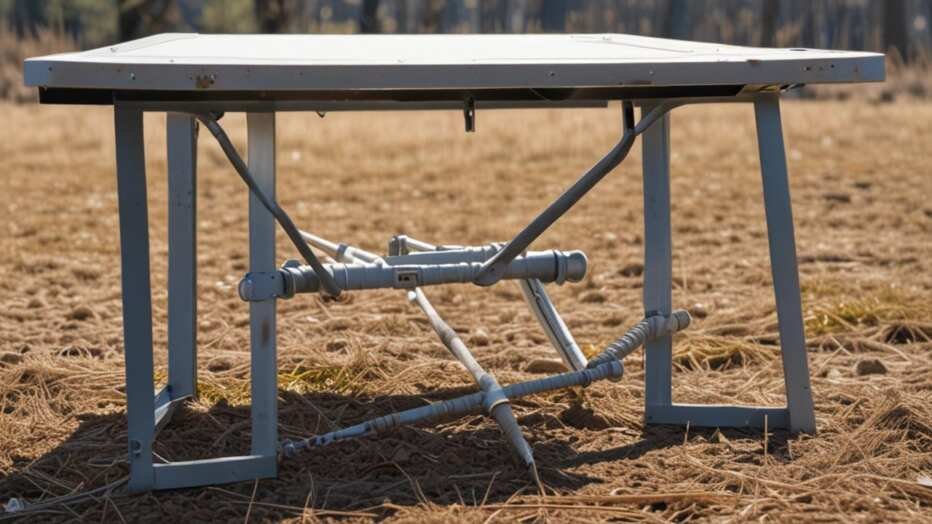
Setting up a folding table on grass, gravel, or sloping asphalt creates twisting forces the table was not designed for. One leg bears more weight; the opposite corner lifts. Over time this torsion cracks the plastic hinge brackets or bends the metal support bar. A study by the notes that tip‑over incidents from folding tables often occur on unlevel surfaces.
Solutions
- Use table levelers – small plastic feet that screw into the legs and adjust height.
- Place a plywood board or camping ground pad under the table to distribute weight.
- For permanent outdoor setups, dig shallow holes for legs and backfill with sand to level.
Important: Never extend a table’s legs beyond their designed angle to compensate for slope. This puts excessive stress on the hinge pin and causes immediate failure.
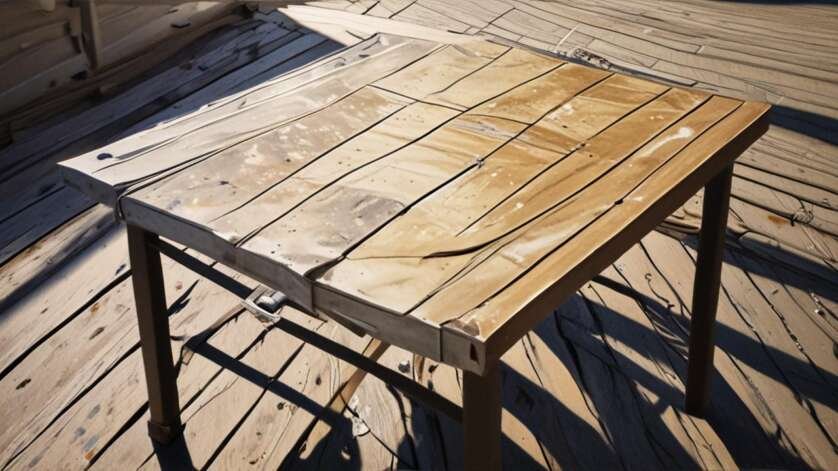
4 – Rust and Corrosion from Storage
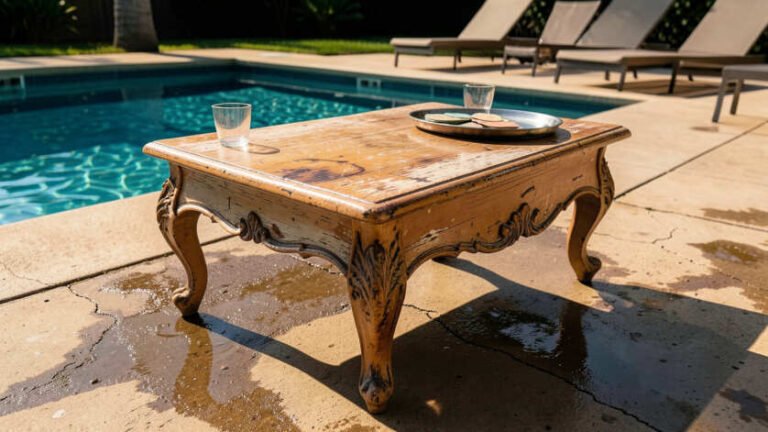
Steel‑framed folding tables rust when stored in damp garages, basements, or sheds. Even aluminum tables suffer pitting if left outside in salty coastal air. According to the, outdoor metal furniture exposed to moisture corrodes at a rate 2-3 times faster than furniture stored indoors. Rust eats away at hinge pins and leg brackets until they snap.
Prevention Checklist
- Wipe the table dry with a cloth after every use, especially if it was left in rain.
- Apply a thin layer of WD-40 or silicone spray to all metal joints once a month.
- Store the table upright on a wall rack or on thick rubber mats – never directly on concrete floors.
- If rust appears, sand it off immediately and apply rust‑inhibiting paint.
5 – UV and Heat Damage to Plastic Components
Polyethylene table tops and plastic leg brackets degrade under direct sunlight. UV radiation makes the plastic brittle; heat from a hot day softens it temporarily. This combination leads to cracks around screw holes and at the hinge points. A study from the confirms that UV exposure reduces the impact strength of common outdoor plastics by 40 percent after one year.
Warning: Do not leave a plastic folding table in direct sunlight for more than a few hours. Use a table cover or set up a canopy. Once the plastic becomes brittle, the table is too dangerous to use – cracks propagate quickly under load.
How to Check for UV Damage
- The surface feels chalky or rough to the touch.
- Small spider‑web cracks appear near corners and fasteners.
- The color has faded noticeably from its original shade.
6 – Assembly and Setup Mistakes
Many folding tables arrive in a box and require some assembly – legs to frame, crossbars, and locking pins. Rushing the job leads to cross‑threaded bolts, mismatched holes, and loose joints. According to, assembly errors account for roughly one in four early failures in outdoor furniture. An overtightened bolt can strip the nut; an undertightened one allows the frame to wobble and bend.
- Read the assembly manual completely before starting.
- Hand‑tighten all bolts first, then go back and tighten with a tool – but do not over‑torque.
- Check that all locking pins are fully engaged before you load the table.
- Test the table by pushing down on each corner – if it rocks, re‑check that leg alignment.
Tip: Take a photo of the assembled table before using. That way, if you need to disassemble and reassemble later, you have a reference for correct part placement.
7 – Low-Quality Materials and Thin Metal
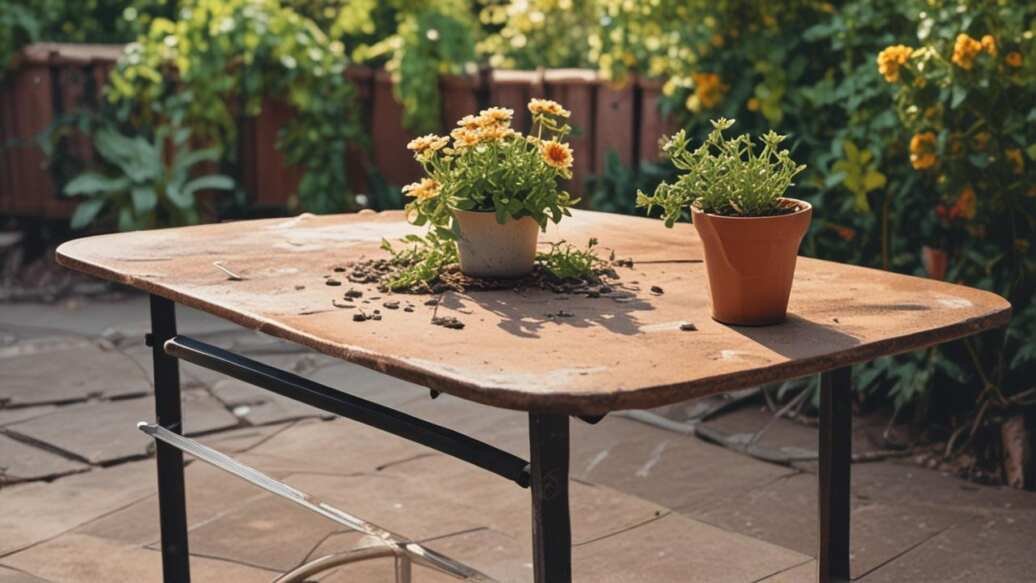
Not all folding tables are built alike. Budget options often use thin‑gauge steel or hollow aluminum legs that dent or bend when carried. The tabletop may be a single layer of low‑density plastic that flexes and cracks. In contrast, a table with a reinforced steel frame and a high‑density polyethylene (HDPE) top can last for years. The warns that weight‑capacity claims can be misleading if the frame itself is weak – a 300‑pound rating on a table with thin legs is meaningless.
What to Look For
- Metal thickness: stamped “18‑gauge” or thicker for steel; “0.060 inch” or more for aluminum.
- Reinforced corners: extra rivets or gussets at the leg‑to‑table junction.
- Tabletop thickness: at least 0.25 inch for plastic; solid wood or HDPE preferred for heavy use.
8 – Using the Wrong Table for the Job
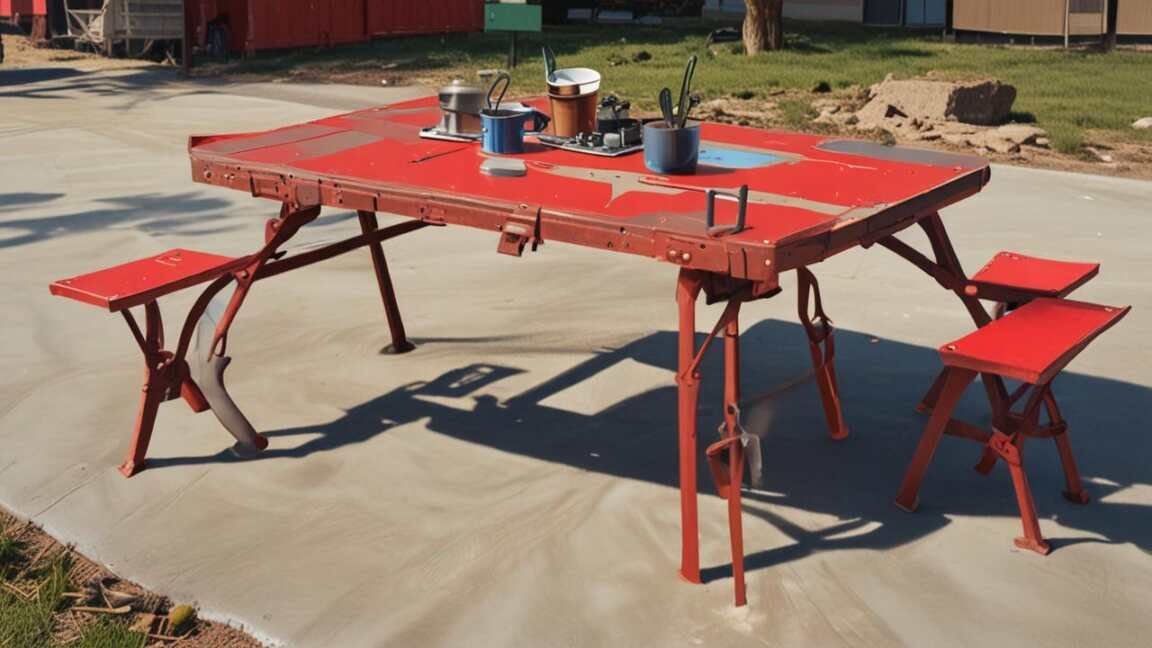
A lightweight camping table (often rated 100‑150 pounds) is not made for a tailgate party with a heavy grill and stacked dishes. An 8‑foot event table designed for light craft projects will fail under the weight of a cement mixer or power tools. Many failures come from this simple mismatch. A survey found that 35 percent of folding table failures occur when the table is used for an activity outside its intended purpose.
Match the Table to Your Activity
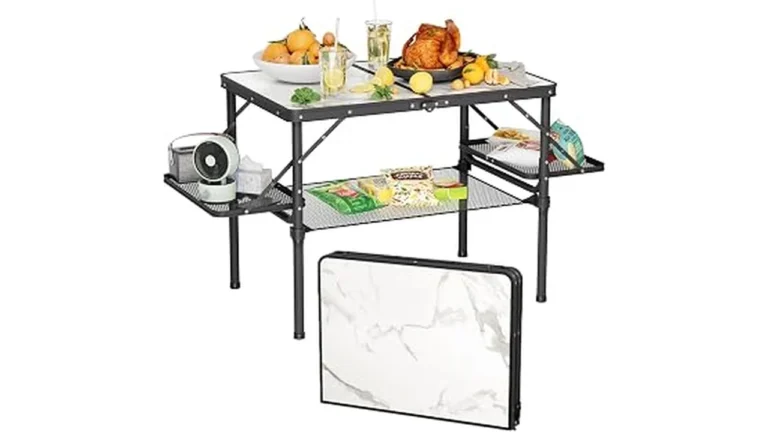
- Camping: Ultralight aluminum or plastic folding table, max load 100‑150 lbs.
- Tailgating / Parties: Heavy‑duty steel frame, HDPE top, load capacity 250‑300 lbs.
- Workshop / Jobsite: Fold‑in‑half “party table” type but with steel cross‑braces; load capacity 300‑500 lbs.
- Dining / Long events: 6‑8 foot tables with locking legs and blow‑molded plastic tops.
Common Myths vs Facts
Myth 1: “All folding tables are the same – it’s just the brand name that costs more.”
Fact: Construction quality varies enormously. According to, tables from reputable brands use thicker steel, better welds, and higher‑grade plastics that resist cracking. A $50 table may last one season; a $120 table can last five.
Myth 2: “If the leg locks feel tight, the table is safe to load.”
Fact: Leg lock tension can be misleading. A lock may feel tight but still have microscopic cracks in the plastic or a bent metal pin. Always do a visual inspection and a hand‑press test before putting weight on the table.
Myth 3: “Storing the table folded in a closet is fine – it’s protected from weather.”
Fact: Humidity and temperature swings inside a closet still cause rust and plastic embrittlement. The best storage is a dry, temperature‑regulated indoor space with the table stored upright rather than stacked under heavy objects.
Frequently Asked Questions
How long should a good folding outdoor table last?
A quality folding table with a steel frame and HDPE top typically lasts 5-10 years with proper care. Budget tables with thin aluminum and plastic tops often fail within 1-2 seasons, according to.
Can I repair a broken leg lock on a folding table?
It depends. If the lock is a replaceable metal pin or spring, you can order a replacement part. If the lock is a molded plastic piece that is cracked, the table is not safe to repair and should be replaced.
What is the best way to store a folding table in winter?
Clean and dry the table completely. Apply a light oil to all moving parts. Store it upright in a dry garage, shed, or basement, away from direct floor contact. Never leave it outside under a tarp – moisture still gets in.
Why does my table wobble even after tightening everything?
The wobble may come from bent legs or a warped frame rather than loose fasteners. Place the table on a known flat surface. If the legs don’t all touch the ground evenly, the frame is likely twisted and must be straightened or replaced.
Is it safe to leave a folding table set up outside permanently?
No. Continuous UV exposure, rain, and temperature changes will degrade the plastic and metal quickly. If you need a permanent outdoor table, buy a fixed‑leg patio table instead of a folding one.
Final Thoughts
Most folding table failures are preventable. The biggest culprits are weak leg locks, overloading, uneven ground, and poor storage. Choose a table built for your specific activity, inspect it before each use, and store it in a dry place. A little routine maintenance turns a frustrating two‑season table into a reliable outdoor companion.