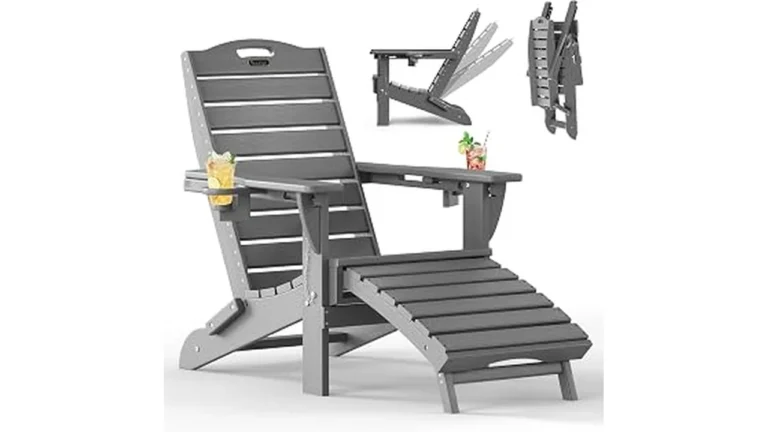
Standard wood Adirondack chairs deteriorate quickly around pools due to moisture and chemicals, requiring annual sealing or staining. Poly lumber or high-quality cedar lasts much longer but costs more upfront and can get extremely hot in direct sunlight. Pool owners must also account for hidden costs such as specialized cleaners, protective pads, and off-season storage, and should buy during winter sales to save up to 30%.
That Adirondack chair you just bought for your pool deck might start rotting within a year. This post reveals the hidden truths about material, maintenance, and cost that buyers discover too late.
Quick Verdict: Simply put, standard wood Adirondack chairs deteriorate quickly around pools due to moisture and chemicals. Poly lumber or high-quality cedar lasts much longer but costs more upfront. Knowing this before you buy saves you hundreds of dollars and years of frustration.
- Wood Adirondack chairs require annual sealing or staining to resist pool water and chlorine damage.
- Poly lumber chairs resist moisture and UV rays completely but can get extremely hot in direct sunlight.
- The weight of an Adirondack chair determines how easily it tips over on uneven pool deck surfaces.
- Hidden costs include specialized cleaners, protective pads, and off-season storage space.
- Buying chairs during winter sales can save pool owners up to 30% compared to peak summer prices.
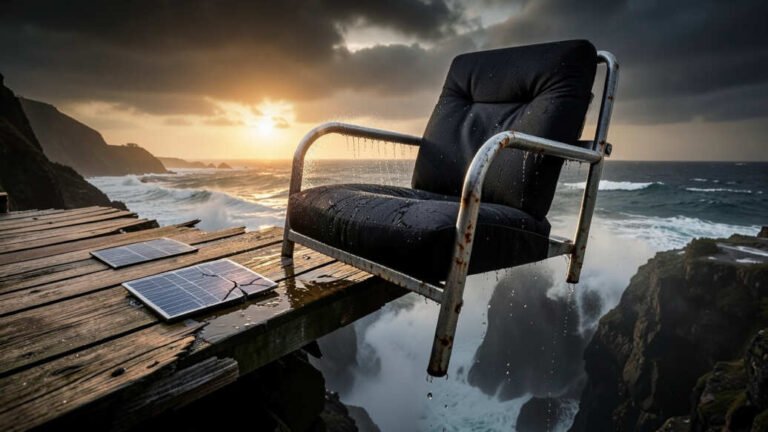
Warning: Chlorine and saltwater systems can corrode aluminum frames and bleach wood finishes faster than normal weather exposure. Do not assume standard outdoor furniture can handle a pool environment.
According to the, there are over 10 million residential swimming pools in the United States. Many owners treat their pool deck like a standard patio. This mistake leads to damaged furniture and wasted money. Pool chemicals create a harsh microclimate. Chlorine off-gassing, splashing, and reflected UV rays attack materials in unique ways.
The reports that American households spend over $15 billion annually on outdoor furniture. A large portion of this goes toward quick replacements. Chain stores sell cheap wood chairs that look good for one season. After that, the cracking and warping begins.
The Adirondack chair was invented by Thomas Lee in 1903 in Westport, New York. The original design used eleven wooden planks. The slanted seat and high armrests made it ideal for relaxing. Modern variations use diverse materials. Each material reacts to pool conditions in a different way. You need to understand these differences before you buy.
Tip: Test your chosen material near a pool before buying a full set. Buy one chair first. Leave it outside for thirty days. You will see exactly how it handles moisture, heat, and fading.
What Are the Real Costs Involved?
The purchase price tells only half the story. Pool owners need to calculate total cost of ownership. This includes maintenance, cleaning, storage, and replacement. A cheap chair that lasts two years costs more than an expensive chair that lasts fifteen years.
| Material | Upfront Cost (per chair) | Annual Maintenance | Average Lifespan | Heat Resistance |
|---|---|---|---|---|
| Cedar | $80 – $150 | High (sealing, sanding) | 5 – 7 years | Moderate |
| Teak | $200 – $500 | Moderate (oiling) | 25+ years | Moderate |
| Poly Lumber | $200 – $400 | None | 20+ years | Low (gets hot) |
| PVC / Resin | $80 – $150 | Low (wash only) | 5 – 10 years | High (stays cool) |
| Recycled Plastic | $150 – $300 | Low | 10 – 15 years | Low (gets hot) |
The numbers above show clear trade-offs. Cedar requires yearly work. Poly lumber costs triple upfront but demands zero maintenance. PVC stays cool but cracks eventually. Your pool environment determines which trade-off makes sense.
Hidden Maintenance Costs
Owners underestimate how much work wood chairs need near water. You need specialized cleaners. Mildew removers cost $10 to $20 per bottle. Sealer costs $30 to $50 per gallon. A set of four chairs might use half a gallon each year. Over ten years, that adds up to several hundred dollars in supplies.
Storage is another hidden cost. Wood chairs should not stay in the rain all winter. A storage shed or furniture covers add expense. Poly lumber chairs can stay outside year round. This saves money on storage solutions.
Labor Costs
Your time has value. Sanding and resealing four chairs takes an entire weekend. A busy pool owner might prefer paying more upfront to avoid this chore. The labor of maintenance often outweighs the material cost difference.
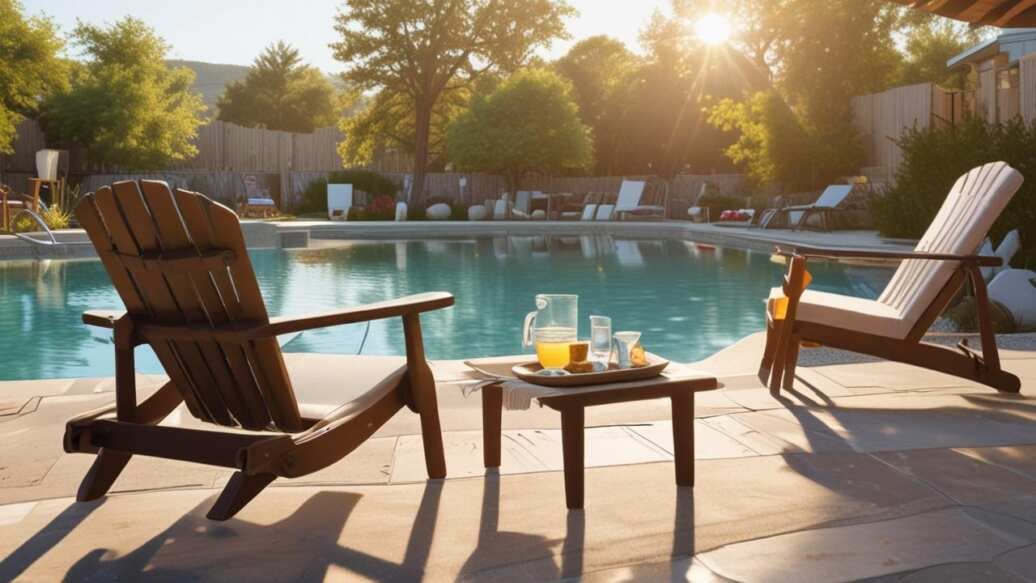
What to Look For When Choosing a Pool Chair
Not all Adirondack chairs work well next to a pool. You must check specific features before buying. These features determine how the chair performs in a wet, sunny environment.
- Drainage Slots: Water should drain through the seat, not pool on top. Slotted seats dry faster and prevent mildew growth.
- Stainless Steel Hardware: Regular screws rust near pool water. Stainless steel or coated hardware lasts much longer.
- Non-Tipping Base: Wide, flat feet prevent the chair from sinking into soft grass or tipping on uneven pavers.
- UV Stabilizers: Look for materials with built-in UV protection. Fading happens faster near pools due to reflected sunlight.
- Weight Capacity: A sturdy frame supports up to 300 pounds minimum. Lighter chairs often break at the armrest joints.
Important: Check the angle of the backrest. A more upright angle (around 30 degrees) is easier to get out of when wet. A very reclined angle (45 degrees) is comfortable but slippery when your skin is wet.
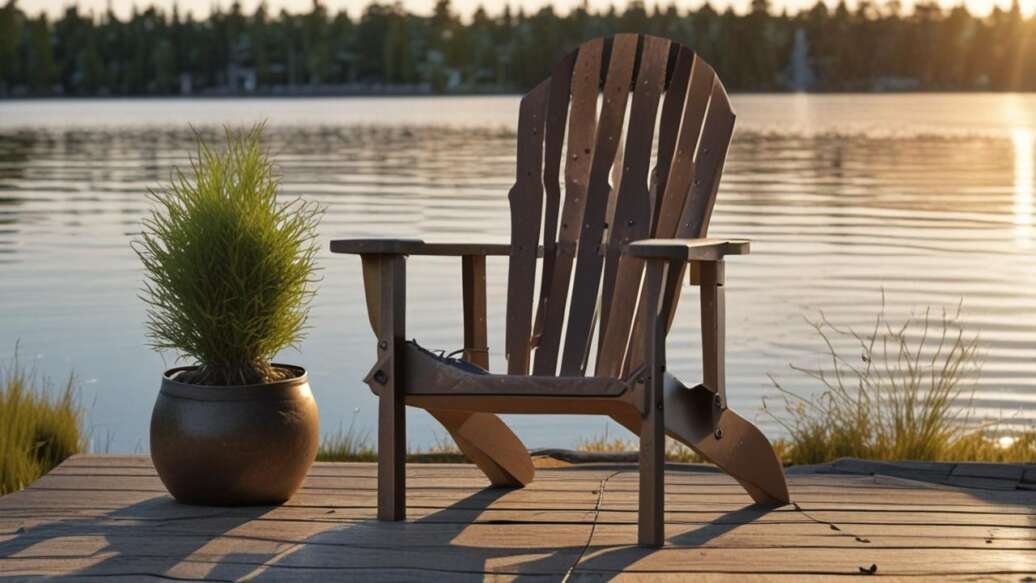
How Does Material Affect Long-Term Durability?
Each material used in Adirondack chairs reacts to pool environments in a unique way. Understanding the science behind these reactions helps you choose wisely.
Wood Options
Cedar contains natural oils that resist rot. These oils fade over time. Once they fade, the wood absorbs moisture. Pool water accelerates this process. Chlorine strips the oils faster than rain does.
Teak contains dense oils that make it highly water resistant. It is the best natural wood for outdoor use. However, teak is very expensive. Many pool owners cannot justify the high cost per chair.
Home Innovation Research Labs reports that composite materials now account for over 30% of the outdoor living product market. This shift reflects real frustration with wood maintenance. Composite materials solve the moisture problem but introduce heat problems.
Poly Lumber
Poly lumber is made from recycled high-density polyethylene (HDPE). Milk jugs and detergent bottles get ground down and extruded into boards. The material contains color throughout. Scratches do not show because the color runs all the way through.
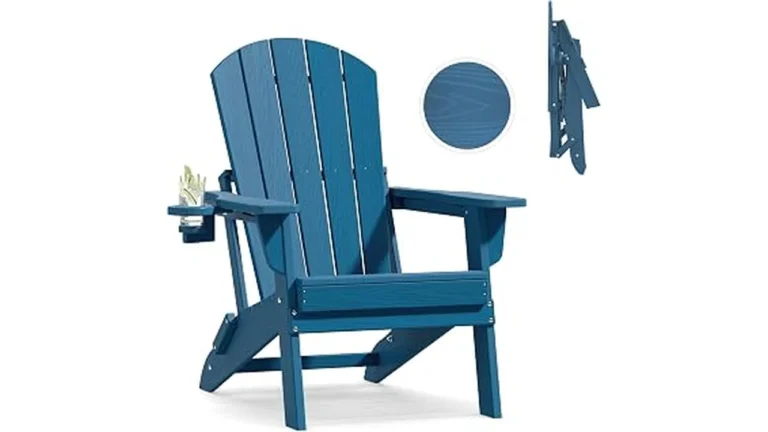
Water cannot penetrate poly lumber. Mildew cannot eat it. Insects cannot damage it. These properties make it perfect for pool decks. The main problem is heat absorption. Dark colors like black or navy blue can become too hot to sit on in direct sun. Light colors like white or tan stay much cooler.
PVC and Vinyl Resin
PVC chairs imitate the look of painted wood. They cost less than poly lumber. PVC contains air pockets that provide insulation. This makes PVC chairs cooler to touch than solid poly.
The downside is brittleness. PVC becomes fragile in cold weather. A PVC chair might crack if someone sits down too hard on a cool morning. The thin walls of hollow PVC chairs break more easily than solid poly lumber.
Recycled Plastic
Some manufacturers use mixed recycled plastics. These chairs often have a speckled appearance. They are very durable and resistant to moisture. However, they tend to be heavy. Moving them around the pool deck requires more effort.
The shows how design has evolved. Original wood designs required constant care. Modern materials give owners more choices. You must balance heat, weight, and cost when deciding.
Why Maintenance Matters More Than You Think
Pool decks create a perfect environment for mold and mildew. Warmth, moisture, and shade from the chair itself allow spores to grow. The. This growth stains furniture surfaces and creates health concerns.
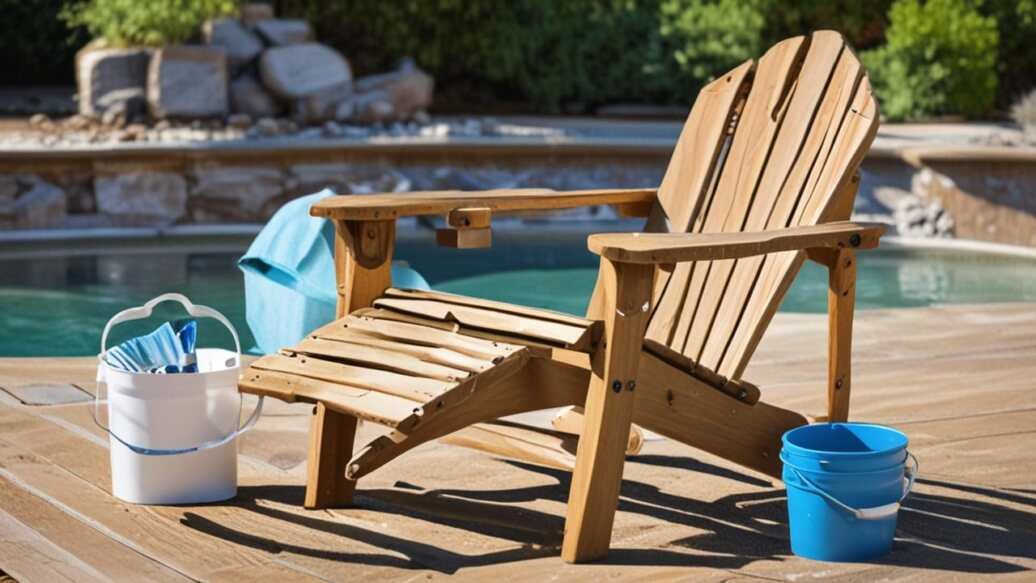
How to Maintain Wood Chairs
Wood chairs need a strict care routine. Follow these steps each year.
- Clean the chairs with a mild bleach solution or specialized deck cleaner. Scrub all surfaces with a soft brush.
- Sand the entire chair with 120-grit sandpaper. Focus on rough spots and edges where water penetrates the wood.
- Apply a high-quality outdoor sealer or stain. Use a product with UV protection to slow fading.
- Allow the sealer to dry completely for 48 hours before using the chairs.
- Repeat this process every spring before pool season starts.
How to Maintain Poly Lumber Chairs
Poly chairs need much less work. You can clean them with soap and water. A pressure washer works well for stubborn dirt. Do not use bleach. Bleach can discolor the surface of poly lumber.
Tip: Use a magic eraser sponge on poly lumber scuffs and marks. It removes metal scratches and shoe marks without damaging the surface.
How to Maintain PVC and Resin Chairs
PVC chairs clean easily with soap and water. The main risk is cracking. Store PVC chairs indoors during winter. Do not leave them in freezing temperatures. The cold makes the material brittle.
Common Myths vs Facts
Myth 1: All Adirondack chairs are the same.
Fact: Materials and construction quality vary widely. A $100 chair from a big box store will not last as long as a $400 chair from a specialty manufacturer. The joint style, wood grade, and hardware quality differ significantly.
Myth 2: Plastic chairs are indestructible.
Fact: While they do not rot, cheap resin chairs can crack under intense sun or become brittle in cold weather. Recycled plastic chairs warp when exposed to high pool temperatures. Only high-quality poly lumber offers true long-term durability.
Myth 3: You do not need to store them in winter.
Fact: Most Adirondack chairs will degrade faster if left exposed to snow and freezing rain, regardless of the material. Wood absorbs moisture and cracks during freeze-thaw cycles. Even poly lumber can expand and contract with extreme temperature changes. Covering or storing chairs extends their life significantly.
Frequently Asked Questions
Can I leave my Adirondack chairs outside in the rain?
You can, but it depends on the material. Poly lumber and teak handle rain well. Cedar and pine need sealing to prevent water damage. Standard unpainted wood chairs will rot within three to five years if left unprotected in wet climates.
What is the best material for a saltwater pool?
Poly lumber is the best choice for saltwater pools. Salt accelerates the corrosion of metal hardware and damages wood finishes. Poly lumber resists salt damage completely. Make sure the hardware is stainless steel to avoid rust spots.
How do I stop my chair from tipping over?
Look for chairs with wide feet and a low center of gravity. Some manufacturers offer anchor kits that attach the chair to the deck. If you place chairs on grass, a flat paver underneath prevents sinking and tipping.
What is the difference between poly lumber and HDPE?
HDPE stands for high-density polyethylene. It is the raw material used to make poly lumber. Poly lumber is simply HDPE shaped into boards. Both terms refer to the same recycled plastic material that resists water and insects.
Do I need to seal my cedar Adirondack chairs?
Yes, you should seal cedar chairs every year. Cedar contains natural oils that resist rot, but these oils fade within months of sun exposure. A clear outdoor sealer protects the wood and maintains the natural color. Without sealer, cedar turns gray and develops small cracks.
Final Thoughts
Choosing the right Adirondack chair for your pool involves balancing cost, maintenance, and comfort. Prioritize materials designed for wet environments to avoid long-term headaches. A thoughtful purchase now will give you many relaxing seasons by the water.