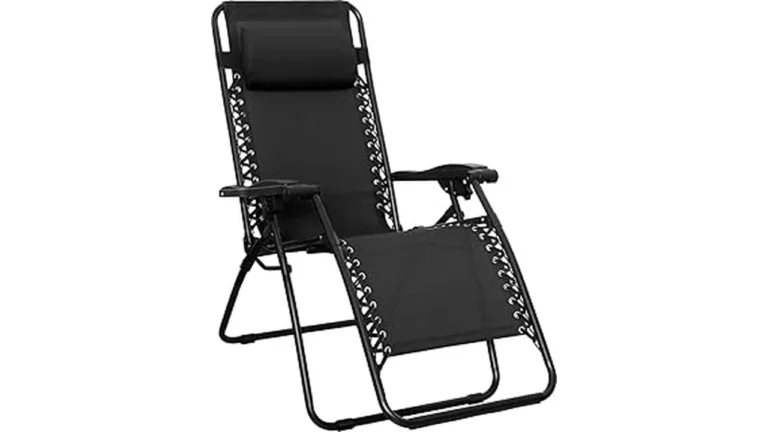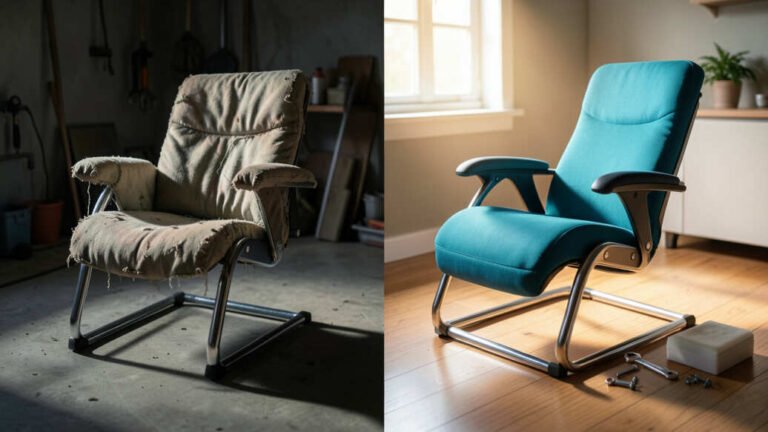
You should never permanently place a zero-gravity chair where it is exposed to direct sunlight, rain, snow, extreme temperature swings, or saltwater if you want it to last. UV rays weaken polyester or textilene fabric within one season, rain and humidity cause critical rust in steel or aluminum frames and locking mechanisms, and extreme temperature fluctuations can make plastic components brittle and crack frame welds. Moisture trapped against damp grass or soil invites mold and rot, making indoor storage or a high-quality waterproof cover essential for long-term durability.
A zero-gravity chair is an investment in relaxation. This guide explains exactly where you should never put one if you want it to last.
Simply put, never leave your zero-gravity chair permanently exposed to direct sunlight, rain, snow, or extreme temperature swings. These elements degrade the fabric, rust the frame, and break the recline mechanism faster than anything else. Indoor storage or a high-quality waterproof cover is essential for long-term durability.
- Direct UV sunlight will fade and weaken polyester or textilene fabric within one season.
- Rain and humidity cause critical rust and corrosion in the steel or aluminum frame and locking mechanisms.
- Extreme cold can make plastic components brittle and crack the frame welds.
- Saltwater exposure near pools or coastal patios accelerates metal corrosion dramatically.
- Storing a chair on damp grass or soil invites mold, mildew, and rot in wooden deck components.
What Happens to a Zero-Gravity Chair in Direct Sunlight?
The sun’s UV rays chemically break down the polymer chains in chair fabric. According to, UV degradation is the leading cause of failure for outdoor synthetic materials. This process makes the fabric stiff, brittle, and prone to tearing.
Most zero-gravity chairs use textilene or polyester blends., states that their fabric can last 5 to 7 years in full sun compared to over 10 years in shaded or stored conditions. Color fading is the first visible sign of deeper structural damage.
Plastic components suffer too. Armrests, locking knobs, and end caps become brittle under constant UV exposure. Small cracks appear, which then grow with use. The flex points in the chair frame also degrade when the plastic bushings shrink or crack.
Warning: Most zero-gravity chair warranties explicitly void damage caused by “prolonged exposure to direct sunlight.” Check your manufacturer’s fine print before leaving the chair outside.
If you are wondering where you should never put a zero-gravity chair if you want it to last, start with any location that faces direct sun for more than 4 hours a day. This includes south-facing decks, open patios, and poolside areas without umbrellas.
How Moisture and Rain Destroy Chair Mechanisms
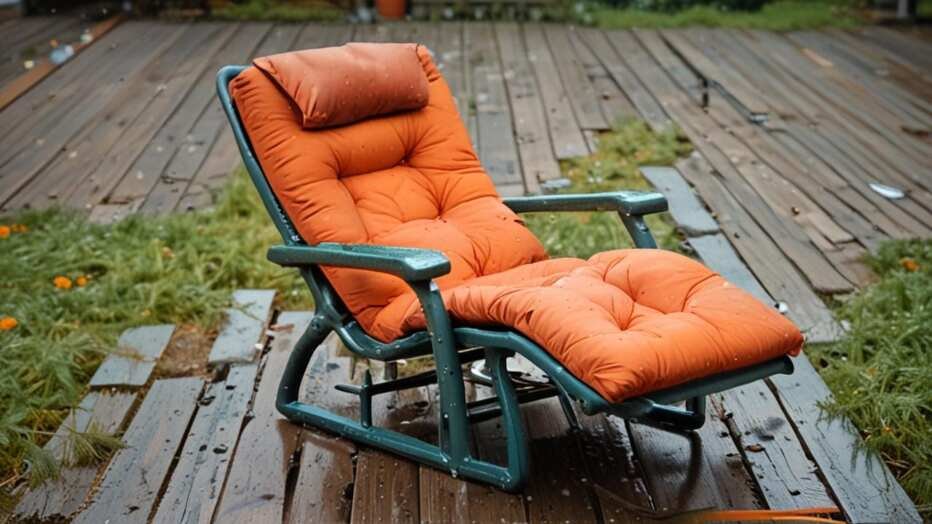
Water is the second biggest enemy of your chair. Rust forms when moisture meets the metal frame. explains that unprotected steel rusts at a rate of roughly 0.001 inches per year in normal conditions. That rate triples in consistently wet environments.
Locking mechanisms are especially vulnerable. Most chairs use a steel pin and adjustment knob to lock the recline. Rust on these parts makes them stiff and hard to turn. Eventually, they can seize completely, making the chair unusable.
Mold and mildew grow quickly on damp fabric. The American Cleaning Institute reports that mold affects over 50% of fabric outdoor furniture stored improperly. Mold stains are permanent, and the spores weaken the fabric fibers over time.
Wooden armrests or frame accents are also at risk. Constant moisture causes wood to swell, split, and rot. Even pressure-treated lumber degrades faster when it stays wet for long periods.
How Extreme Temperatures Shorten Chair Life
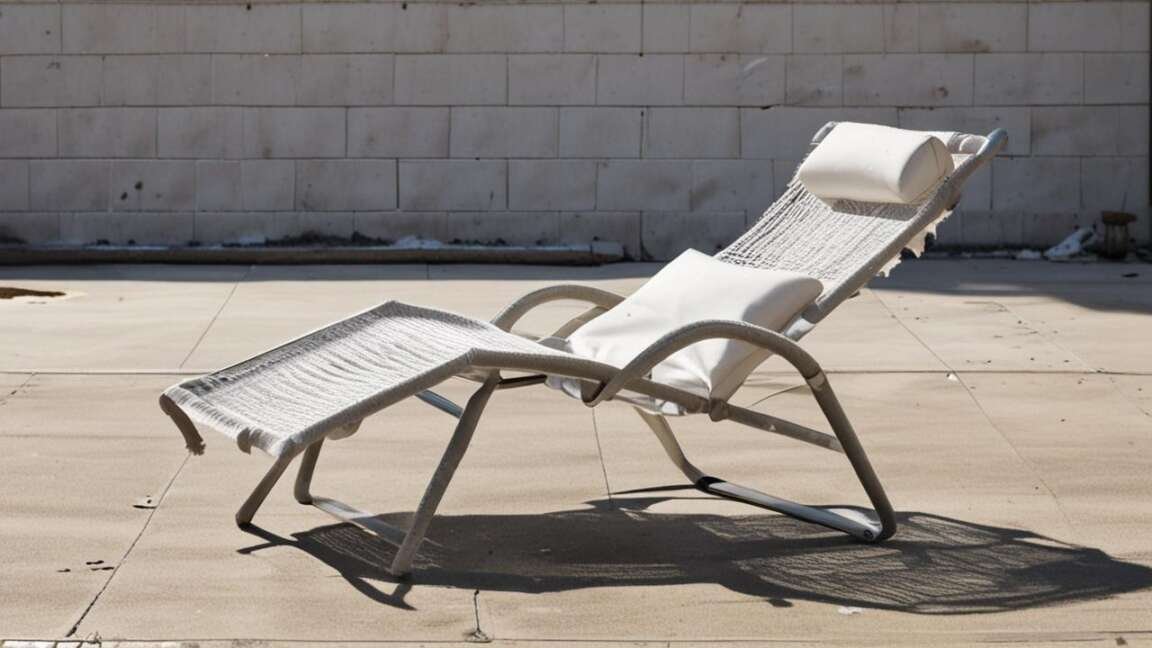
Freezing temperatures make plastic parts brittle. Standard polypropylene used in many chairs cracks easily below 32 degrees Fahrenheit. Ice expanding in small crevices can split welds and bend metal frames.
Heat causes a different set of problems. Fabric expands in extreme heat, which makes it sag and lose tension. A sagging seat puts uneven stress on the frame and causes weak points. Metal components also expand, which can loosen screws and bolts over time.
Repeated freeze-thaw cycles are the worst. Water seeps into tiny cracks, freezes, expands, and widens the crack. Each cycle does permanent damage to the frame and joints.
Important: A single winter of outdoor exposure can cause more structural damage than three summers of use. Climate-controlled storage is the best protection for your chair.
The Worst Places to Put Your Zero-Gravity Chair
Some locations are much more damaging than others. Here are the places that will shorten your chair’s life the fastest.
- Poolside without splash protection. Chlorine and saltwater mist combine with direct sun to attack both fabric and metal. This pairing accelerates corrosion and fading faster than any other setup.
- Directly on grass or dirt. Moisture wicks up from the ground into the frame and fabric. Insects and slugs also climb onto the chair and leave stains or chew through fabric.
- Uncovered coastal patios. Salt spray travels miles inland. It coats everything in a corrosive layer that eats through powder coating and aluminum oxide. Rinsing helps but slow damage still occurs.
- Under leaky eaves or gutters. Constant dripping water creates localized rust and rot. It also splashes mud onto the fabric, which causes staining and mildew growth.
- Near a barbecue or fire pit. Grease particles land on the fabric and attract dirt. Heat fluctuations from the fire can also warp plastic components and dry out the fabric.
- In an uninsulated metal shed. These spaces turn into ovens in summer and freezers in winter. The extreme temperature swings are just as damaging as full outdoor exposure.
- On a high-traffic walkway. People bumping into the chair, kids climbing on it, and pets scratching the fabric all cause physical damage. Constant minor impacts loosen joints and bend frames.
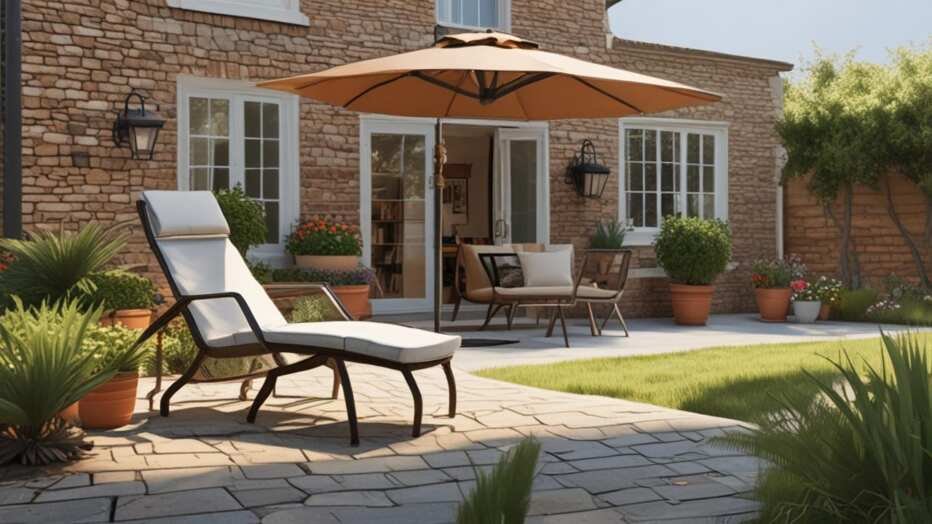
Common Myths vs Facts
Many people have wrong ideas about what their chair can handle. Here are the most common myths and the real facts.
Myth: All zero-gravity chairs are weatherproof.
Fact: Most chairs are weather-resistant, not weatherproof. The fabric resists water for a short time, but prolonged wetness still causes damage. The frame is powder-coated steel or aluminum, but scratches expose bare metal to rust.
Myth: A tarp is good enough protection.
Fact: Standard tarps trap moisture underneath, creating a greenhouse effect. Condensation builds up and keeps the chair wet for days. Breathable waterproof covers that allow airflow are much safer for long-term storage.
Myth: Flipping the chair over protects it for winter.
Fact: Flipping it over protects the seat fabric but leaves the metal frame, locking mechanism, and adjustment knobs fully exposed to rain and snow. These parts are just as vulnerable as the fabric.
The most definitive answer to where you should never put a zero-gravity chair if you want it to last is anywhere fully exposed to the elements day and night. Even partial protection makes a huge difference.
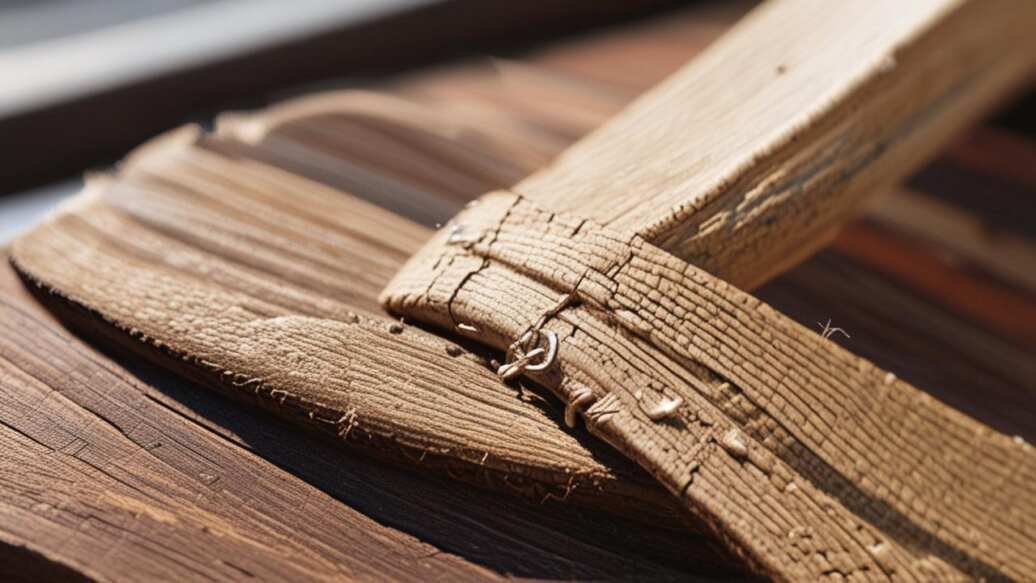
Signs Your Zero-Gravity Chair Needs Immediate Attention
Spotting problems early helps you save the chair before it breaks completely. Look for these warning signs in your chair.
- Stiff locking mechanism. If the adjustment knob is hard to turn or sticks, rust is forming inside. Clean and lubricate it immediately with a silicone spray.
- Cracked armrests. Small cracks in plastic armrests grow fast. Replace them at the first sign to avoid sharp edges and further breakage.
- Sagging fabric. Fabric that droops or sags has lost its tension and UV resistance. It will likely tear within a few more uses.
- Rust spots on the frame. Orange spots on the powder coating mean moisture has reached the bare metal. Sand and touch up these spots to prevent rust spread.
- Loose screws and bolts. Temperature changes cause metal to expand and contract, loosening hardware. Tighten all bolts seasonally to maintain structural integrity.
Tip: Set a calendar reminder every 3 months to inspect and tighten your chair. This takes 5 minutes and prevents 90% of common structural failures.
How to Protect Your Zero-Gravity Chair and Make It Last
You can extend your chair’s life to 10 years or more with the right care routine. Follow these steps to protect your investment.
- Clean after every use. Wipe down the frame and fabric with a damp cloth. This removes pollen, salt, and dirt that cause long-term damage.
- Store indoors when possible. A garage, basement, or indoor storage room is ideal. Climate-controlled storage completely eliminates UV and moisture damage.
- Use a breathable cover. If indoor storage is impossible, get a high-quality cover made of waterproof but breathable material. Look for vents that allow airflow.
- Apply rust protectant. Spray the metal joints, locking mechanism, and bolts with a silicone-based protectant every season. This repels water and prevents corrosion.
- Tighten all hardware. Use a wrench or screwdriver to check every bolt and screw. Do this at the start of summer and again before winter storage.
- Remove fabric for winter. Many chair fabrics detach for cleaning. Store them indoors during winter months to prevent freezing and cracking.
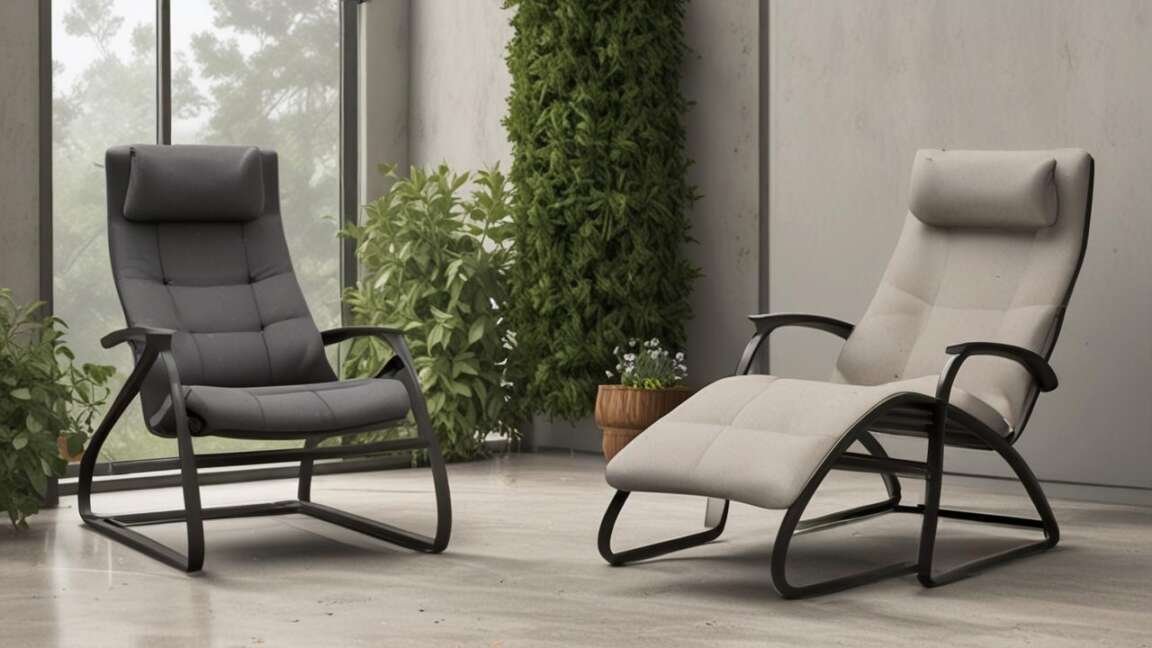
Quick Comparison of Storage Options
| Storage Location | Protection Level | Risk Factors | Estimated Lifespan |
|---|---|---|---|
| Indoor Climate-Controlled | Excellent | None | 10+ years |
| Indoor Garage or Shed | Good | Temperature swings, rodents | 7-9 years |
| Covered Patio (Outdoor) | Moderate | Humidity, wind-blown rain | 5-7 years |
| Outdoor with Breathable Cover | Moderate-Low | Condensation, wind, UV leakage | 4-6 years |
| Fully Exposed (No Cover) | Low | Sun, rain, snow, wind, debris | 1-3 years |
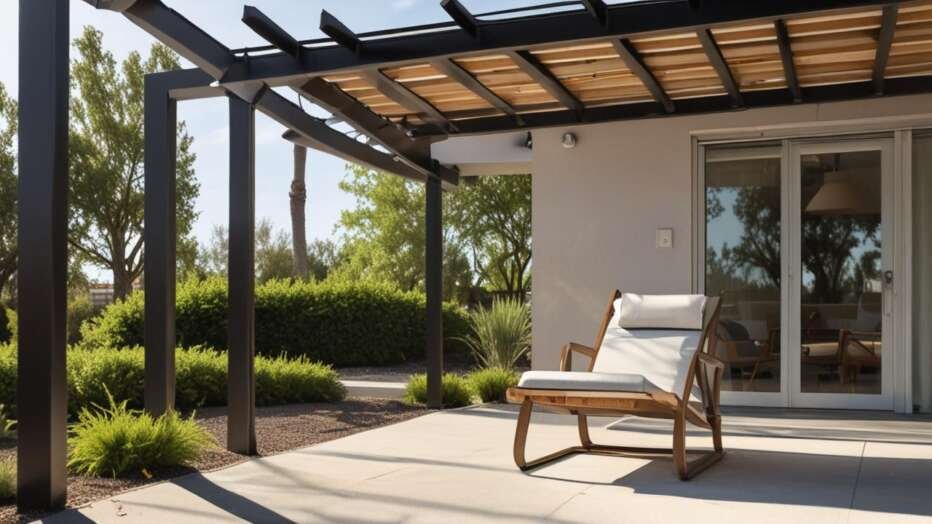
Choosing the Right Chair for Your Environment
If you live in a wet or sunny climate, buy a chair built for those conditions. Look for these features when shopping for a durable zero-gravity chair.
- Full aluminum frame. Aluminum does not rust like steel. It costs more but lasts much longer in humid or coastal areas.
- Stainless steel hardware. Even aluminum frames use steel bolts and pins. Stainless steel components resist rust much better than standard zinc-coated parts.
- Solution-dyed fabric. This type of fabric has color locked into the fiber, not just coated on the surface. It resists fading 3 to 4 times longer than standard polyester.
- Powder-coated finish. A thick powder coating protects the metal from scratches and corrosion. Look for multiple layers of coating for maximum protection.
- Replaceable parts. Buy from brands that sell replacement fabric, armrests, and hardware. This lets you fix the chair instead of throwing it away when one part fails.
Important: Consumer Reports recommends treating outdoor furniture like an investment. Spending an extra $50 on a better frame or fabric can double the usable life of the chair.
Frequently Asked Questions
Can I leave my zero-gravity chair outside all year?
You should not leave it outside all year. Freeze-thaw cycles, moisture, and UV damage will significantly reduce its lifespan. Most manufacturers recommend indoor storage during winter months and heavy rain seasons.
Does direct sunlight really damage the fabric that much?
Yes. ASTM International identifies UV radiation as a primary cause of fabric failure. Textilene fabrics last about 5 to 7 years in full sun compared to over 10 years in shaded or stored conditions. The fabric becomes brittle and tears easily.
Will freezing temperatures crack the plastic parts?
Yes, standard plastics like polypropylene become brittle below freezing. Expanding ice and simple mechanical stress can cause cracks in armrests and locking mechanisms. Storing the chair indoors during winter prevents this damage entirely.
Is it safe to use a zero-gravity chair on the beach?
Using it near saltwater is risky. Salt accelerates corrosion on both aluminum and steel frames. Rinse the chair thoroughly with fresh water after every beach use to minimize long-term damage.
What is the single best thing I can do to extend my chair’s life?
Store it indoors when not in use. A climate-controlled space completely eliminates UV damage, rust, and temperature-related stress. If indoor storage is impossible, invest in a breathable waterproof cover and tighten the hardware seasonally.
Final Thoughts
Your zero-gravity chair can provide years of comfort if you treat it right. The worst enemies are direct sun, standing water, and extreme temperatures. A few simple habits like storing it indoors and cleaning it regularly will keep it relaxing for years to come.