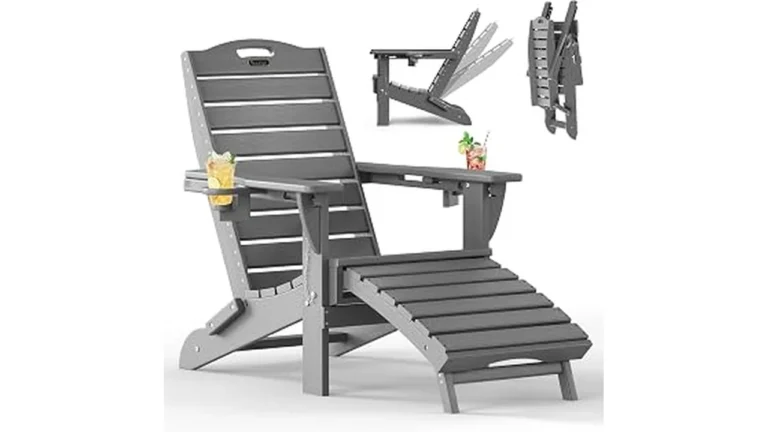
The real differences between a plastic and wood Adirondack hammock chair center on maintenance requirements, longevity, and aesthetics. High-density polyethylene (HDPE) chairs resist rot, insects, and UV damage with zero upkeep and can last 20 years or more, while wood chairs need staining or sealing every one to two years to prevent weathering and splintering. Choosing plastic prioritizes convenience and long-term durability, whereas wood offers classic natural beauty and sustainability at the cost of ongoing maintenance.
Choosing between a plastic and wood Adirondack hammock chair comes down to more than just your budget. This guide breaks down the real differences in durability, maintenance, comfort, and long-term value so you can make the right buy for your outdoor space.
Quick Verdict: Simply put, plastic (HDPE) Adirondack hammock chairs offer unmatched durability and near-zero maintenance, while wood chairs provide classic aesthetics and natural sustainability. Your choice depends on whether you prioritize convenience and longevity or traditional style and the willingness to perform regular upkeep. Both material types create the iconic, comfortable seating experience you expect from this classic design.
Key Takeaways
- Plastic Adirondack hammock chairs, typically made from high-density polyethylene (HDPE), resist rot, insects, and UV damage without any staining or sealing.
- Wood Adirondack hammock chairs require regular maintenance like staining or sealing every 1-2 years to prevent weathering and splintering over time.
- HDPE chairs can last 20 years or more with zero upkeep, while a well-maintained cedar or teak chair typically lasts 10-15 years before needing replacement.
- Plastic chairs are heavier and do not splinter, making them a safer choice for high-traffic areas or homes with children and pets.
- Wood chairs offer a traditional, natural look and are generally more environmentally sustainable at the end of their life cycle compared to plastic alternatives.
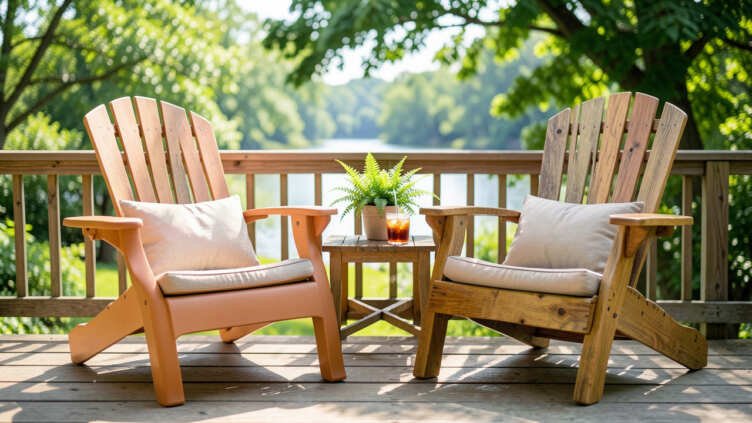
Quick Comparison: Plastic vs. Wood Adirondack Hammock Chairs
| Feature | Plastic (HDPE) | Wood (Cedar / Teak) |
|---|---|---|
| Durability | Excellent – resists rot, insects, and cracking | Good – naturally rot-resistant but can splinter |
| Maintenance | None – just wash with soap and water | High – requires staining or sealing every 1-2 years |
| Weight | Heavier (35-45 lbs) | Lighter (20-35 lbs) |
| Comfort (Temperature) | Stays cool to the touch, does not get hot in direct sun | Can get hot in direct sun, but feels more natural |
| Eco-Friendliness | Often made from recycled materials, but difficult to recycle again | Biodegradable and renewable, especially if FSC-certified |
| Cost | $150 – $400 | $100 – $300 (Pine), $200 – $600 (Cedar), $400+ (Teak) |
| Lifespan | 20+ years | 10-15 years with proper maintenance |
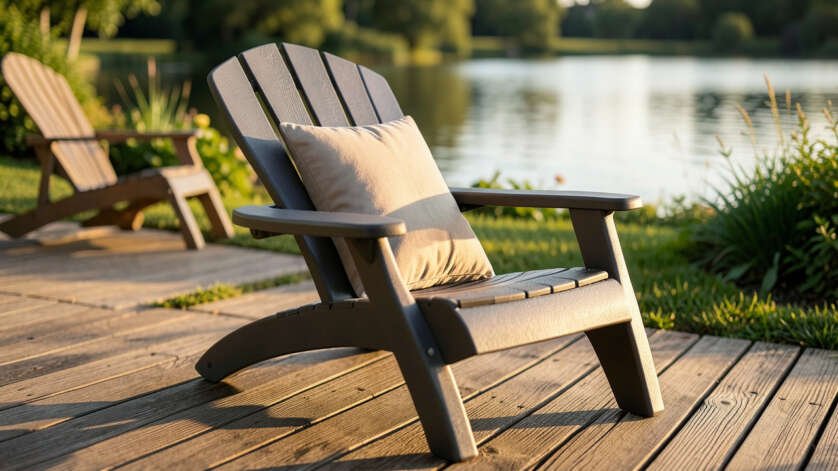
Plastic (HDPE) Adirondack Hammock Chairs: An In-Depth Look
Plastic Adirondack hammock chairs are almost always made from high-density polyethylene, or HDPE. This is the same durable plastic used in cutting boards and milk jugs. These days, manufacturers like and Trex use recycled HDPE to create outdoor furniture that looks like painted wood but behaves more like a rock.
The material is UV-stabilized, which means it resists fading in direct sunlight for decades. According to the, HDPE maintains its structural integrity in temperatures ranging from -40 degrees Fahrenheit to 140 degrees Fahrenheit. This makes it an ideal choice for extreme climates.
Tip: Look for furniture made from 100% recycled HDPE. These chairs often come with a 20-year residential warranty and never need a coat of paint or sealant.
Pros of Plastic Adirondack Chairs
- Zero maintenance required – no sanding, staining, or painting ever.
- Resists moisture, insects, and fungal rot completely.
- Does not splinter, crack, or chip under normal use.
- Holds color well for many years due to UV inhibitors in the plastic.
- Easy to clean with just a garden hose and mild soap.
Cons of Plastic Adirondack Chairs
- Heavier than most wood chairs, making them harder to move around your yard.
- Higher upfront cost compared to budget wood options.
- Can feel less “natural” or traditional compared to real wood grain.
- Difficult to repair if a major crack or break occurs.
Warning: Cheap plastic chairs made from polypropylene or PVC are not the same as HDPE. They may become brittle in the sun and crack within a few years. Always verify the material before you buy.
Wood Adirondack Hammock Chairs: An In-Depth Look
Wood Adirondack hammock chairs offer a timeless, natural aesthetic that plastic simply cannot replicate perfectly. The most common wood types used are cedar, teak, and pine. Each wood type has a different balance of durability, weight, and cost.
The notes that cedar is naturally resistant to decay because of the extractive oils within the wood. Teak contains even higher oil content, making it one of the most durable woods for outdoor use, though it comes at a premium price. Pine is the most affordable option but requires the most maintenance to prevent rot.
Types of Wood Used
- Cedar: Lightweight, naturally rot-resistant, and has a pleasant aroma. It takes paint and stain very well. Lifespan is around 10-15 years with care.
- Teak: Extremely dense and oily. It can withstand harsh weather for 25-50 years with minimal maintenance, though it weathers to a silver-gray patina if left unsealed.
- Pine / Fir: Budget-friendly but soft. It requires diligent sealing and painting to prevent water damage and insect infestations. Lifespan is typically 5-8 years.
Pros of Wood Adirondack Chairs
- Natural beauty and authentic wood grain that ages gracefully.
- Lighter weight, making it easier to rearrange your outdoor seating.
- Repairable – you can sand down scratches and re-stain the chair.
- Biodegradable and often sourced from renewable forests.
- Lower upfront cost, especially for pine or cedar options.
Cons of Wood Adirondack Chairs
- Requires regular maintenance (sanding, staining, or sealing) every 1-2 years.
- Prone to splintering, cracking, and warping over time.
- Can develop mold, mildew, and rot if not properly cared for.
- Wood color fades to gray if left unprotected from UV rays.
Tip: If you buy a wood chair, choose a high-quality spar urethane or marine-grade varnish for the best protection against moisture and sunlight. Apply it in thin coats once a year.
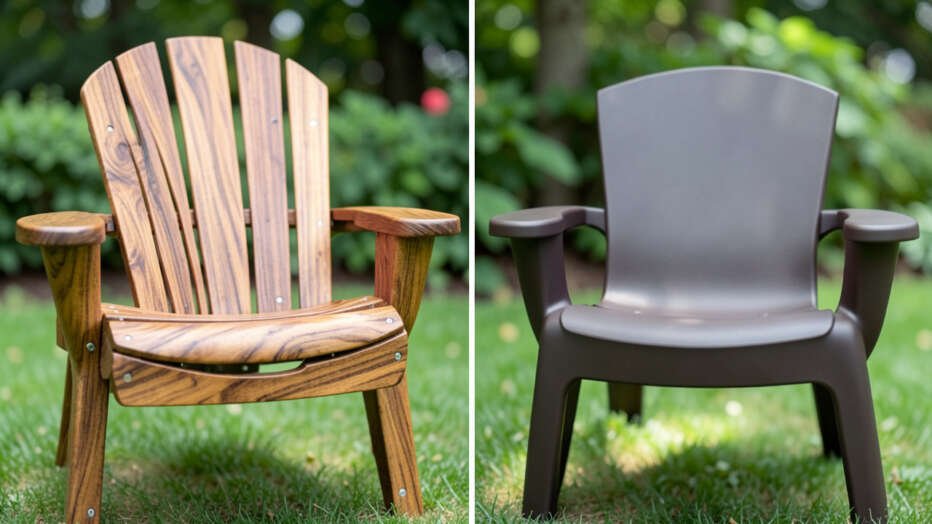
What Are the Main Structural Differences?
The structural design of an Adirondack hammock chair is iconic – wide armrests, a slanted back, and a deep seat. However, the material drastically changes how that structure performs over time.
Plastic chairs are typically molded or cut from sheets of HDPE lumber. This gives them a uniform density with no knots or weak points. The material is rigid but has a slight amount of flex, which adds to comfort. Plastic boards do not absorb moisture, so they will not swell, warp, or crack due to humidity changes.
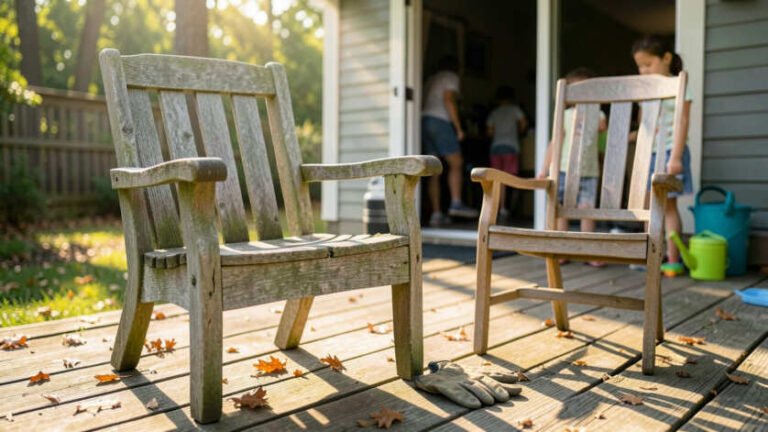
Wood chairs are constructed from natural lumber. The presence of knots, grain direction, and moisture content all affect the structural integrity. A wood chair can loosen over time as the lumber expands and contracts with the seasons. You may need to tighten screws periodically to keep the chair sturdy.
What Does Maintenance Look Like Over Time?
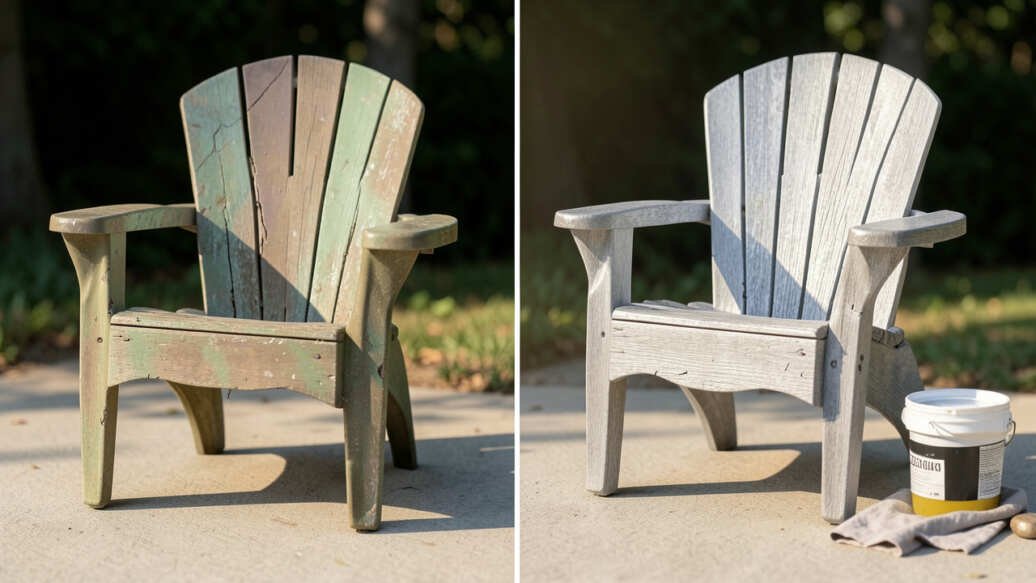
This is the single biggest difference between the two materials. A plastic chair requires no annual upkeep. You can pressure wash it once a year to remove dirt and pollen, but that is it.
A wood chair demands consistent care. According to a survey by the, homeowners spend an average of 2 to 4 hours per year on wood outdoor furniture maintenance. This includes cleaning, sanding, and applying a fresh coat of stain or sealant.
- Year 1 for Wood: Apply a waterproof sealant immediately after purchase.
- Year 2-3 for Wood: Clean and reseal. Touch up any scratches or bare spots.
- Year 5+ for Wood: Sand down the entire chair to bare wood and apply a fresh finish. This is a half-day project per chair.
Warning: Never let a wood Adirondack chair go without a protective finish for more than one season. Water absorption leads to rot, which ruins the chair from the inside out.
Which Option Is Better for Your Budget?
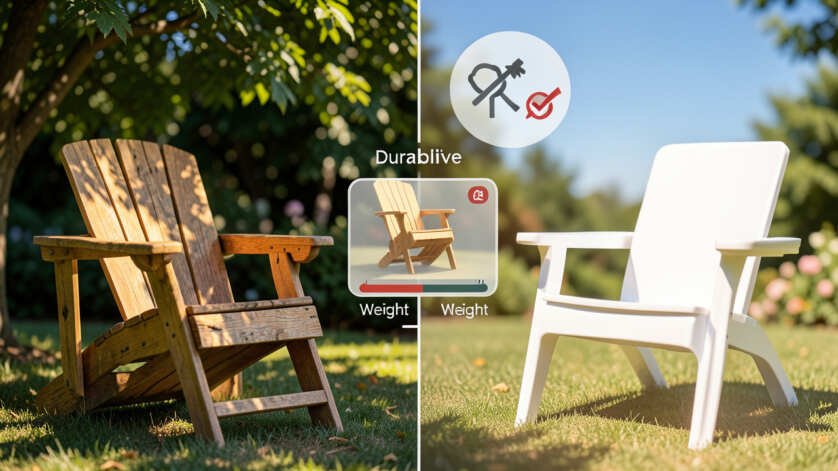
Looking at the sticker price alone can be misleading. A cheap pine chair may cost $100, but it will need $20-$40 worth of stain and sealer every year. Over a decade, you could spend more on maintenance than the chair itself.
A plastic chair might cost $250 to $400 upfront, but it costs $0 in maintenance over 20 years. Consider the total cost of ownership, not just the purchase price.
| Cost Factor | Plastic (HDPE) | Wood (Cedar) |
|---|---|---|
| Initial Purchase Price | $250 – $400 | $150 – $300 |
| Annual Maintenance Cost | $0 | $20 – $40 (stain/sealer) |
| 10-Year Total Cost | $250 – $400 | $350 – $700 |
| Resale Value | Low (plastic fades) | Moderate (if maintained) |
Common Myths vs. Facts
There are several misconceptions about both plastic and wood Adirondack hammock chairs. Let’s clear up the most common ones.
Myth 1: Plastic chairs always look cheap and fake
Fact: Modern HDPE chairs feature realistic wood-grain textures and come in a wide range of colors. Brands like Poly-Wood use high-pressure molding to create surfaces that are difficult to distinguish from painted wood from a few feet away.
Myth 2: Wood chairs are completely eco-friendly
Fact: While wood is renewable, many stains and sealants contain volatile organic compounds (VOCs) that are harmful to the environment. Additionally, the carbon footprint of transporting heavy tropical hardwoods like teak is significant. Recycled HDPE plastic uses materials that would otherwise go to a landfill.
Myth 3: You can leave a wood chair outside all year with no issues
Fact: Even the most durable woods like teak and cedar suffer from constant exposure to rain and snow. Wood fibers break down over time, leading to splinters and structural loosening. Plastic chairs are truly weather-proof and can be left outside in all seasons without damage.
Resources and Best Practices
When you are ready to buy, here are a few resources and tips to guide your purchase.
- Poly-Wood – A leading manufacturer of recycled HDPE outdoor furniture.
- Forest Stewardship Council (FSC) – Look for the FSC label on wood chairs to ensure they are sourced from responsibly managed forests.
- ASTM International – Provides standards for material testing of plastics used in outdoor applications.
- USDA Forest Service – Offers research on natural wood durability and decay resistance.
Tip: Before you buy, sit in the chair if possible. The angle of the back and the depth of the seat can vary significantly between brands, regardless of the material.
Frequently Asked Questions
Which material lasts longer between plastic and wood Adirondack chairs?
Plastic HDPE chairs last significantly longer. They have an average lifespan of 20 years or more with no maintenance. Wood chairs, even well-maintained teak, usually need replacement after 10 to 15 years.
Which Adirondack hammock chair is more comfortable without cushions?
Plastic chairs tend to be more comfortable without cushions because the material does not absorb heat and has a slight flex. Wood chairs can feel very rigid and may get hot in direct sunlight, though they become more comfortable over time as the wood is exposed to the elements.
Can I leave my Adirondack chair outside all winter?
You can leave a plastic HDPE chair outside all winter without damage. Wood chairs should be stored indoors or covered during winter to protect them from snow, ice, and freeze-thaw cycles that cause cracking.
Is recycled plastic furniture actually good for the environment?
Yes, in most cases. Recycled HDPE furniture diverts plastic waste from landfills and prevents the need for virgin plastic production. However, HDPE is not easily biodegradable at the end of its life, whereas wood will decompose naturally.
Which chair is easier to fix if it breaks?
Wood chairs are much easier to repair. You can glue, sand, and re-stain a cracked wood board. A cracked plastic chair often requires replacing the entire piece of lumber, which can be difficult depending on the manufacturer’s support.
Final Thoughts
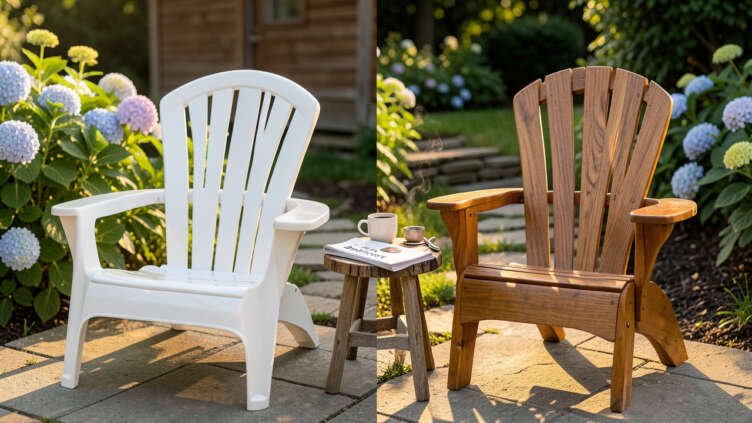
Plastic Adirondack hammock chairs win on low maintenance and extreme longevity, making them ideal for hassle-free relaxation. Wood chairs appeal to those who value natural beauty and are willing to invest a few hours each year in upkeep. Look at your local climate and your personal tolerance for weekend chores to make the final call on which material fits your life best.