Standard freestanding hammock chairs are generally not safe for poolside use because their portable stands pose a high tipping risk on wet concrete and are not weighted to resist sudden movements. Ultraviolet rays and chlorine exposure degrade standard fabrics within months, creating a hidden fall hazard that compromises structural integrity. A pool-safe installation is possible only with a permanently mounted, rust-proof anchor rated for at least 1,000 pounds of dead weight and compliance with local regulations for clearance and barrier requirements.
A hammock chair by the pool looks relaxing, but it introduces real risks that standard lounge chairs do not. This guide looks at safety concerns, material durability, and installation requirements.
Quick Verdict: Simply put, standard freestanding hammock chairs are generally not safe for poolside use. They require major structural modifications and material upgrades to be safe near water. The typical portable stands pose a high tipping risk on wet concrete. A permanently installed, rust-proof, and properly anchored chair can be safe, but this requires careful planning.
Key Takeaways
- Most freestanding hammock chair stands are not weighted enough to resist tipping on wet, uneven pool decks.
- Ultraviolet (UV) rays and chlorine exposure degrade standard hammock chair fabrics within months, creating a hidden fall hazard.
- Permanent hanging installations require a concrete anchor rated for at least 1,000 pounds of dead weight.
- Checking your local pool safety regulations is necessary because some jurisdictions classify hanging swings as pool equipment with specific distance requirements from the water.
- Choosing a hammock chair made from Sunbrella fabric and marine-grade stainless steel hardware significantly reduces the risk of weather-related failure.
How Does a Pool Environment Affect Hammock Chair Safety?
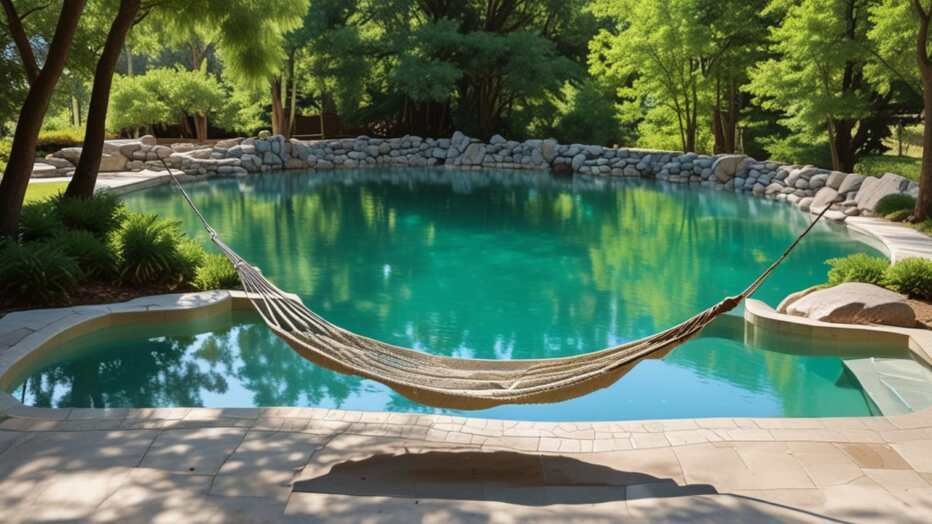
Pool chemicals, water, and UV rays create a harsh environment for furniture. Chlorine causes metal corrosion and fabric rot. Sunlight degrades synthetic fibers. Water creates slippery surfaces under freestanding stands.
According to the, over 4,600 emergency room visits each year involve outdoor furniture collapsing. Wet concrete is listed as a primary factor in tip-over incidents for stands without proper stabilizing feet.
Warning: Never use a freestanding hammock chair stand directly on a pool deck surface without non-slip rubber feet and additional weight stabilization. A single slip can cause the entire stand to collapse into the water.
The reports that improper tie-off and anchoring are leading causes of swing-related injuries on private property. A pool owner considering a hammock chair must prioritize installation safety over aesthetics.
The Danger of Tip-Over Accidents
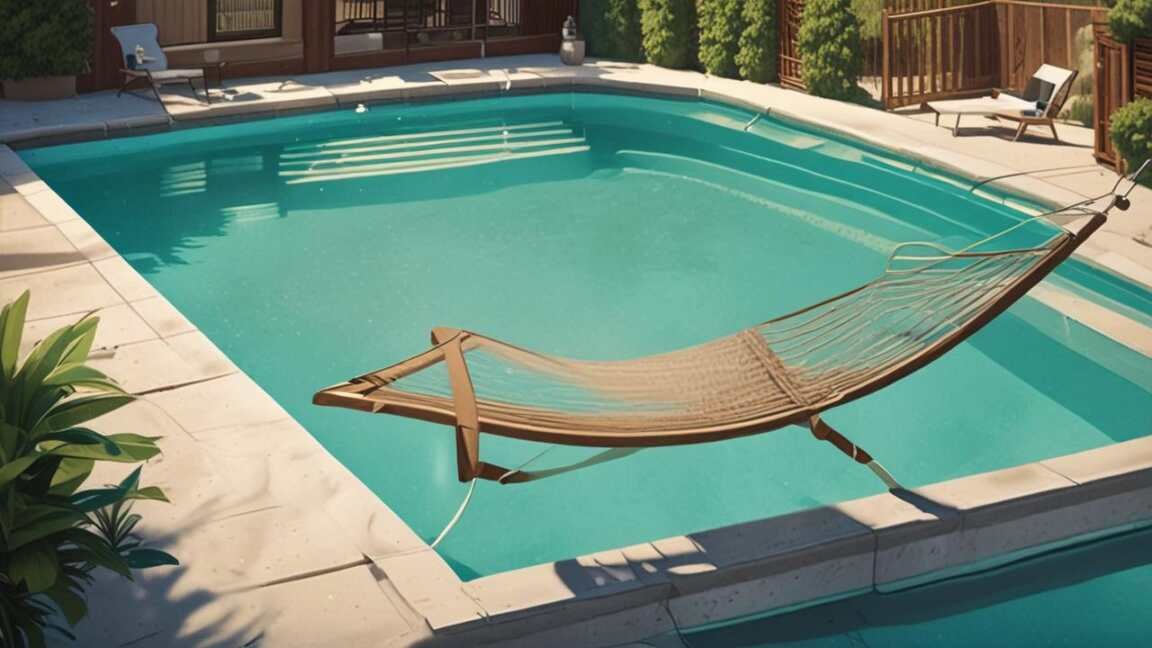
Freestanding stands create a physics problem near water. The combination of a top-heavy hanging load and a narrow base makes them unstable. When a person sits down, the center of gravity shifts upward and outward. If the stand sits on a slightly uneven or wet surface, it can slide or tip entirely.
Here are the three most common failure points for freestanding poolside hammock chairs:
- The base legs do not have adequate rubber grips, causing sliding on wet concrete.
- The center column is not weighted, so the leverage of the hanging person pulls the stand over.
- The spreader bar creates a narrow base that does not handle lateral rocking motions.
Material Degradation: Hidden Dangers of Sun and Chlorine
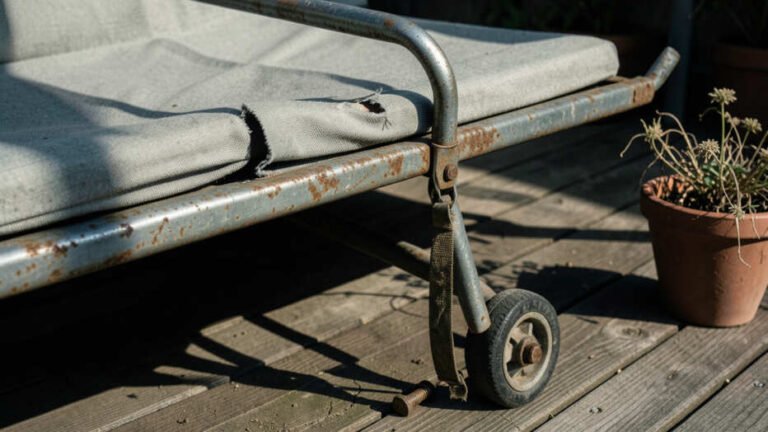
Standard polyester canvas can lose 50% of its tensile strength within 18 months in direct sunlight. This means a chair that once held 300 pounds can suddenly tear under normal use. Pool chemicals accelerate this process.
Using is the standard for marine-grade outdoor furniture. It resists fading and maintains structural integrity for over 5 years. You should check the fabric rating before buying any hammock chair for outdoor use.
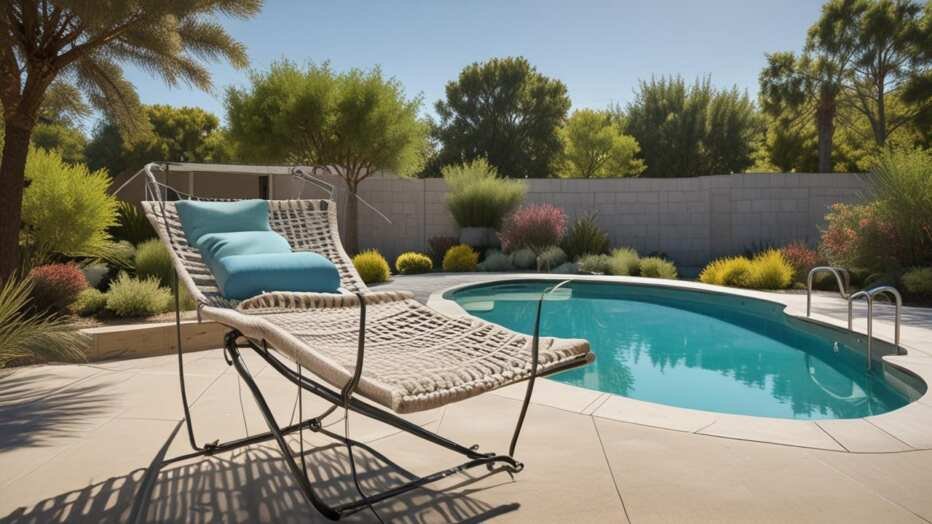
What Are Your Pool-Safe Hammock Chair Options?
Here is a comparison of the main types of seating you can use near a pool.
| Feature | Freestanding Stand | Permanent Hanging | In-Ground Post | Zero Gravity (Alt) |
|---|---|---|---|---|
| Tipping Risk | High | Very Low | Low | Very Low |
| Material Life | 1-2 years | 5-10 years | 5-10 years | 3-5 years |
| Installation Level | Easy | Hard (Tools/Anchors) | Hard (Excavation) | Easy |
| Pool Code Compliance | Often Non-Compliant | Compliant (if anchored correctly) | Compliant | Compliant |
Pool Safety Regulations You Need to Know
You must check local safety codes before installing any hanging furniture near a pool. The provides guidelines for safe lounging distances.
Clearance from water
Most local codes require a clear zone of 6 to 10 feet around any swinging apparatus. This prevents someone from swinging directly into the pool and hitting the edge.
Barrier requirements
Some jurisdictions require an isolation barrier between the support structure and the pool water. You may need a fence or gate around the anchor point.
Structural load ratings
The for outdoor furniture recommend that hanging points support at least four times the expected maximum load. For a 300-pound person, the anchor must support 1,200 pounds.
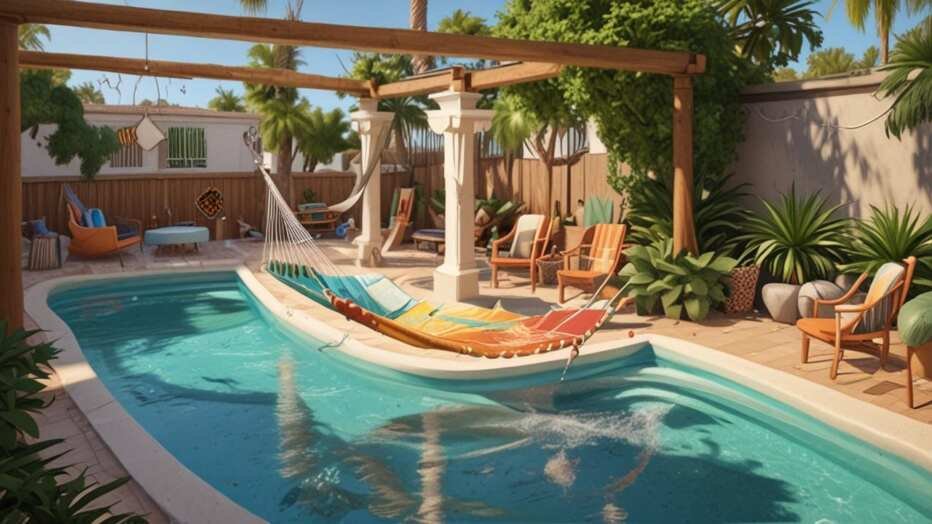
Common Myths vs Facts About Pool Hammock Chairs
Myth: All hammock chairs are safe as long as you use a heavy person.
Fact: The weight of the person does not stop the stand from tipping. A stand rated for 400 pounds can still tip over if the person leans to the side to reach for a towel. Leverage causes most tip-overs, not total weight.
Myth: Indoor hammock chairs can be moved outdoors without issues.
Fact: Indoor fabrics lack UV stabilizers and will disintegrate rapidly. The metal components will rust within one season. The chair will become a fall hazard.
Myth: Anchoring into concrete is simple and foolproof.
Fact: Using the wrong anchor or drilling too close to the edge of the concrete slab can cause the slab to crack and fail entirely. You need a drop-in anchor placed at least 4 inches from any edge.
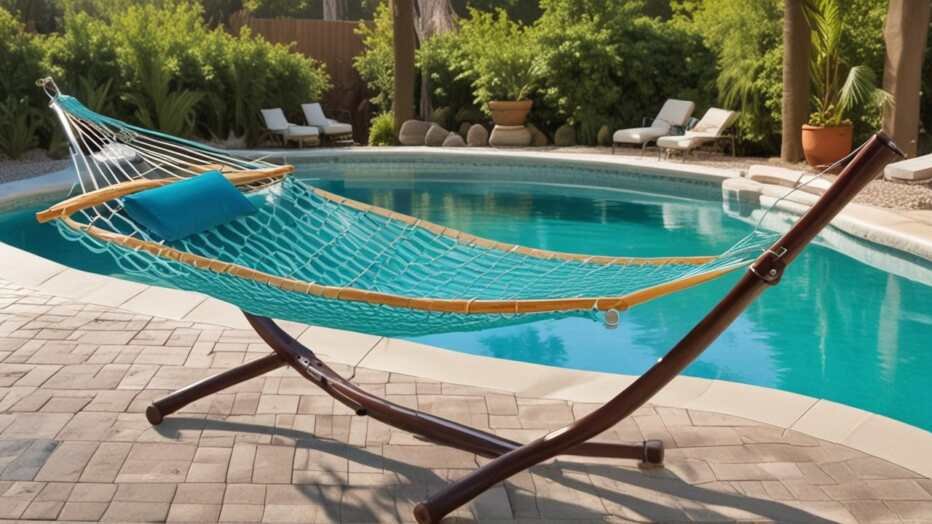
How to Choose a Pool-Safe Hammock Chair
If you decide to move forward with a hammock chair, use this checklist to pick a safe model.
- Measure your deck space. Ensure you have a 6-foot clear zone from the water edge on all sides of the chair.
- Choose a heavy, low-profile stand. Look for a base width of at least 40 inches and a center column weight over 50 pounds.
- Select marine-grade stainless steel hardware. Look for grade 316 stainless steel for all hanging points and bolts.
- Pick fabric rated for continuous outdoor exposure. Sunbrella or solution-dyed acrylic is best. Avoid standard polyester canvas.
- Test the anchor point with a static load. Hang the chair and add heavy weight slowly before sitting in it.
What Are the Best Alternatives to a Hammock Chair?
You can get the same “floating” relaxation without the tipping risk. Here are the top alternatives:
- Zero Gravity Chairs: These recline fully and lock into position. They are low to the ground and very stable on pool decks.
- Weighted Aluminum Loungers: These are heavy enough to resist wind and movement. They dry quickly and do not rust.
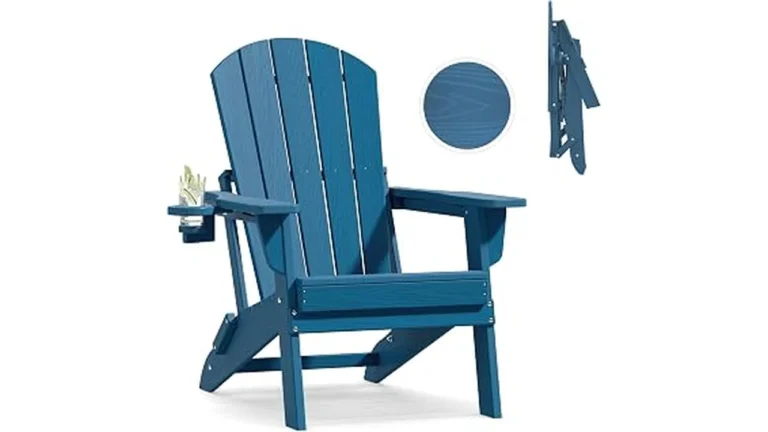
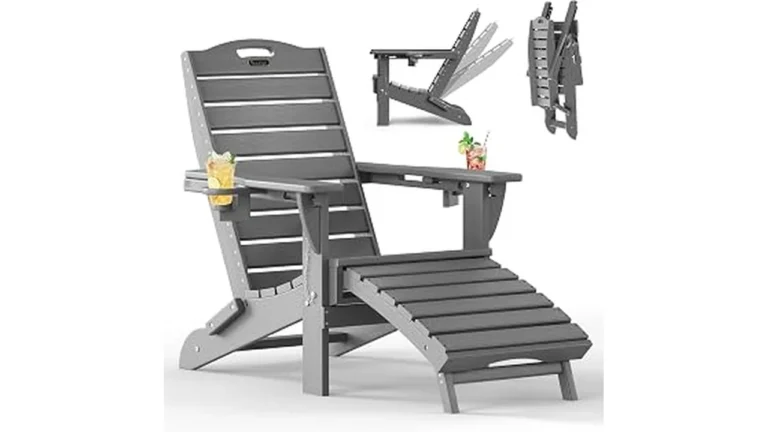
- Polywood Adirondack Chairs: These are heavy, weather-proof, and do not move when you sit down. They are very safe near water.
- Hanging Beds with Solid Bases: These beds have a wide, flat base that sits on the ground, eliminating the tipping hazard of a hanging chair.
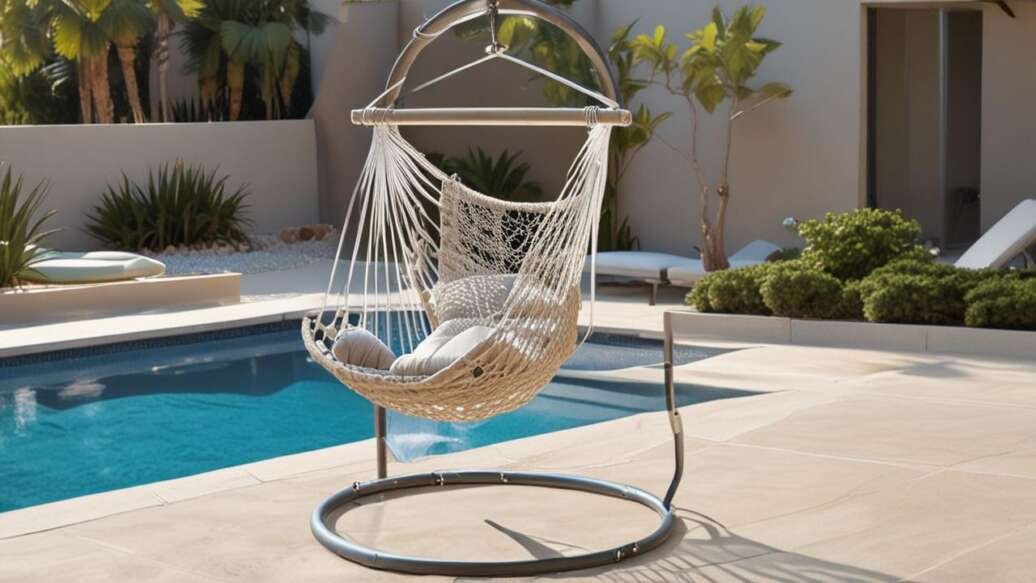
Pro Tips for Installing a Hammock Chair by the Pool
If you choose a permanent installation, follow these pro tips to keep it safe.
- Use a hammer drill with a carbide bit to create a clean hole in the concrete. Drill 1/2 inch deeper than the anchor length.
- Clean the dust out of the hole completely. Dust prevents the anchor from expanding properly.
- Insert a drop-in anchor rated for 1,000 pounds minimum. Tap it flush with the concrete surface.
- Thread a stainless steel eye bolt into the anchor. Tighten it with a wrench until snug.
- Attach a heavy-duty carabiner to the eye bolt. Use a locking carabiner for extra safety.
Important: Do not hang the chair from a wooden pergola unless you have confirmed the beam can support the load. Many outdoor structures are purely decorative and cannot hold a swinging person.
Frequently Asked Questions
How do I anchor a hammock chair on a concrete pool deck?
You need a hammer drill with a carbide bit, a concrete drop-in anchor rated for 1,000 pounds minimum, and a stainless steel eye bolt. You must stay at least 4 inches from the edge of the concrete to prevent cracking.
Can a hammock chair damage my pool deck?
Yes. If the concrete anchor expands too much, it can cause spider cracks. Use a load-distributing plate on the underside of the slab to spread the force evenly.
What is the best fabric for a poolside hammock chair?
Sunbrella solution-dyed acrylic is the best option. It resists fading from UV rays and degradation from chlorine exposure better than standard polyester canvas.
Is it safe to swing on a hammock chair near water?
Active swinging is not safe within 6 to 10 feet of pool water. The motion can easily carry you or the chair into the water, leading to head or neck injuries against the pool edge.
What is the weight limit for poolside hammock chairs?
Most permanent installations support 300 to 500 pounds. However, the safe limit depends entirely on the anchor quality and the structural integrity of the support beam.
Final Thoughts
Safer alternatives are available if you are not ready to drill into your concrete deck. A high-quality zero-gravity chair or a weighted aluminum lounger offers similar relaxation without the tipping risk. If you do choose a hammock chair, invest in marine-grade hardware and a heavy, low-profile stand. Always prioritize safety over aesthetics near the water.