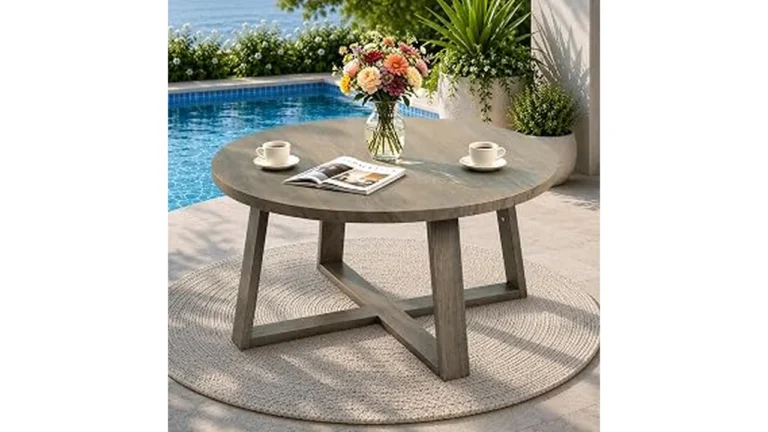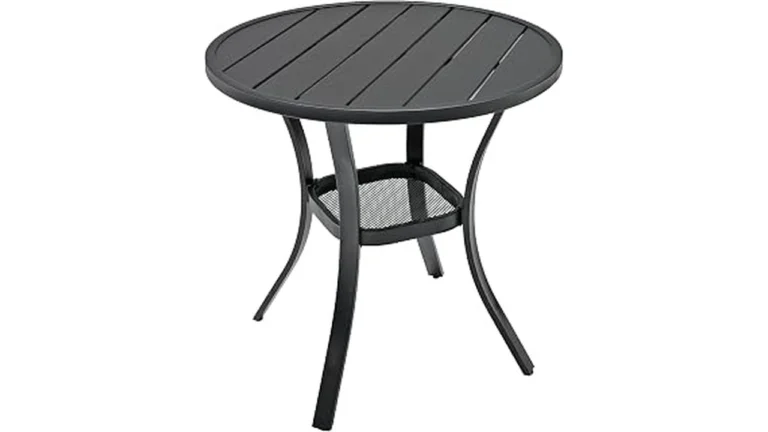
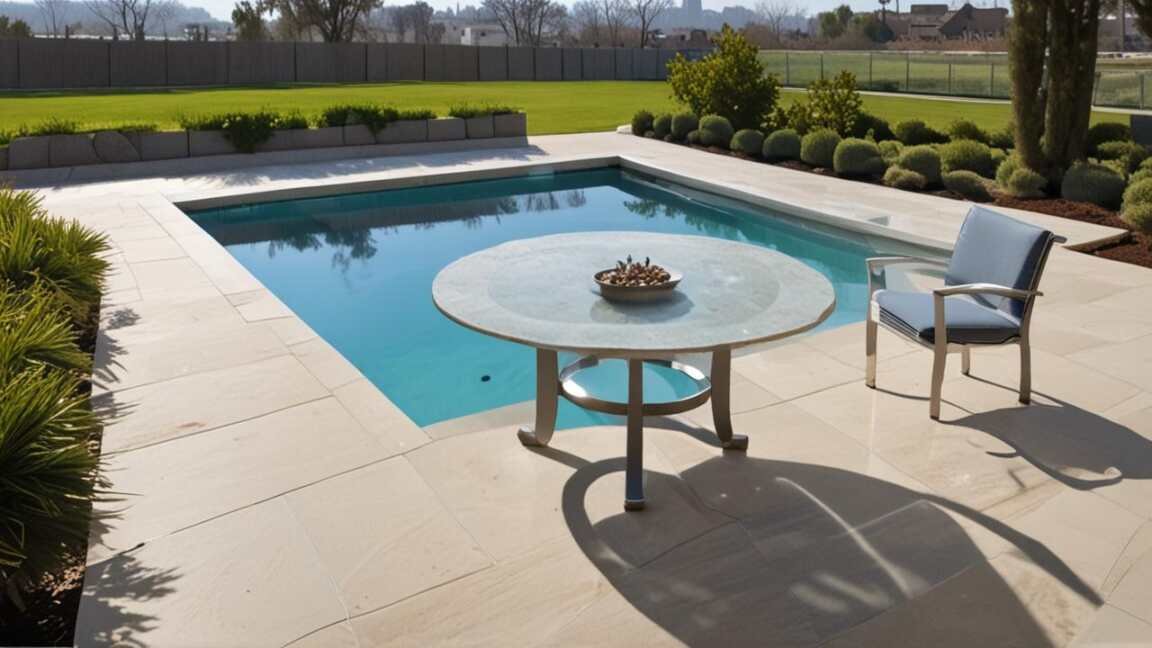
A round patio table on a pool deck should be placed at least 4 feet from the pool edge to prevent accidental falls, centered under a shade structure or large umbrella to protect diners from direct sun, and positioned near the social hub so it does not block main traffic paths. This placement balances safety codes, such as the Consumer Product Safety Commission’s clearance recommendations, with practical movement patterns between the pool and house. The table should also face the pool area but remain out of direct splash or runoff from swimmers exiting the water.
Placing a round table on a pool deck affects safety, comfort, and how you use the space. This guide walks you through the rules and practical steps to get the placement right.
Simply put, place a round patio table at least 4 feet from the pool edge to prevent accidental falls, within easy reach of shade or an umbrella, and in a spot that does not block main traffic paths. Center it near the social hub of the deck so it’s easy to reach from both the pool and the house.
The right placement balances safety codes with how people actually move and relax around the pool. Here are the core takeaways.
Key Takeaways
- Keep at least 4 feet of clearance between the table edge and the pool coping to meet safety recommendations from the Consumer Product Safety Commission.
- Position the table so diners face the pool area but are not in direct line of splash or runoff from swimmers exiting the water.
- A round table should be centered under a permanent shade structure or large umbrella to protect guests from direct sun during peak hours.
- Leave a 3-foot walking path around the table so people can pass without bumping chairs or food.
- Choose a location where the tabletop does not reflect glare into the eyes of swimmers or loungers on the opposite side.
What You Need to Know Before Placing a Round Patio Table
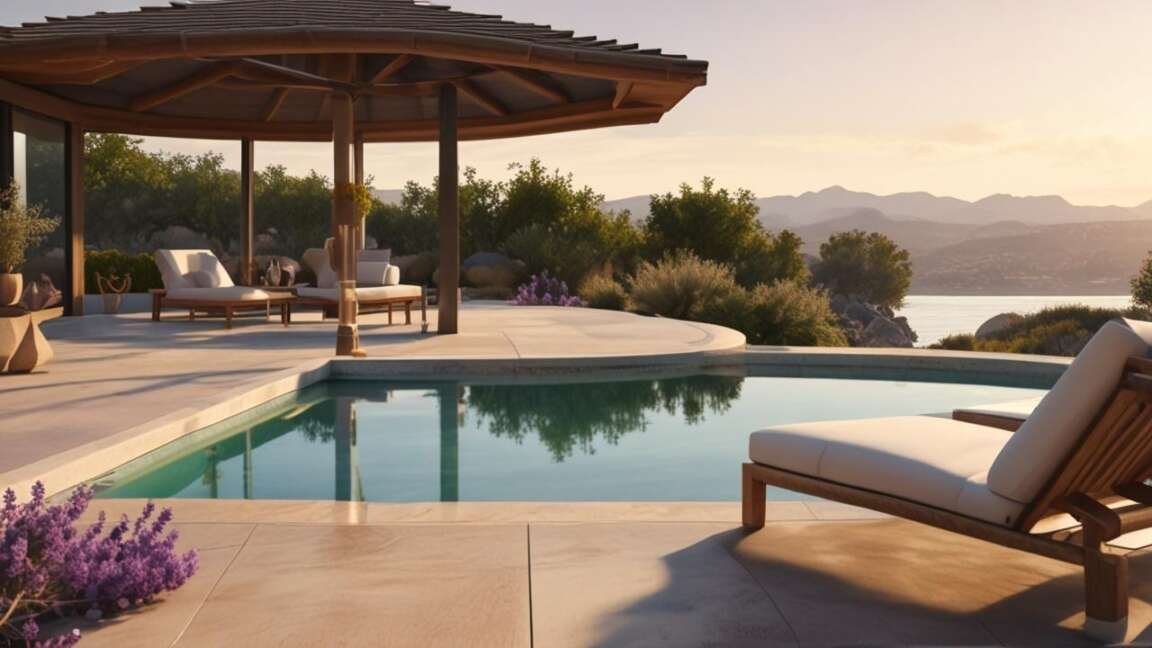
Several factors affect where your table will work best. These include deck size, traffic flow, sun exposure, and local building codes.
According to the, 65% of pool owners rate furniture placement as a top priority when designing their deck. A round table is often chosen because it fits tight corners and promotes conversation.
Deck Size and Shape
Measure your deck and mark potential zones. A round table needs a circle of at least 8 feet in diameter to allow chairs to slide out and people to walk around.
Important: Always check your local pool barrier codes. Some jurisdictions require a specific distance from the water’s edge to any furniture that could be used as a step for climbing over the pool fence.
Traffic Patterns
Watch how people move between the house, the pool, and the changing area. The table should sit at least 3 feet away from any main walking path. If the deck is narrow, consider a smaller round table (36 inches or less).
A survey by the found that 72% of homeowners with pools include a dining or seating area on the deck. Round tables improve flow because they have no corners to snag on walkways.
Sun and Wind Exposure
Most pool decks get full sun. Place the table so it gets afternoon shade from a tree, pergola, or umbrella. Wind can knock over lightweight chairs or umbrella bases. Use a heavy base or choose a table with a hole for a market umbrella.
Tip: If you live in a windy area, pick a round table made of powder-coated aluminum or teak. These materials resist rust and stay stable in gusts.
How to Find the Perfect Spot: Step-by-Step
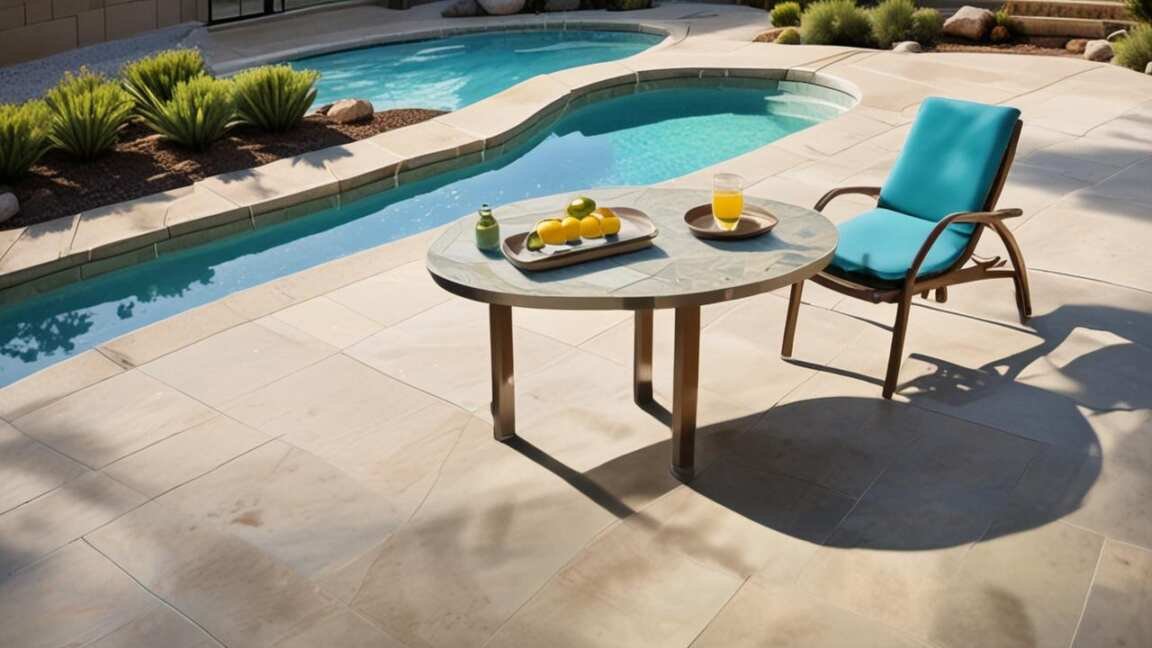
Follow these steps to identify the best location for your round patio table.
- Mark a 4-foot buffer zone from the pool edge using painter’s tape or chalk. Anything inside that zone is too close for safety. The advises at least 4 feet of clearance to reduce drowning risks from furniture being used as a step.
- Identify primary sightlines. Stand at the pool coping and note where you would naturally look while swimming or lounging. Place the table so it faces the pool but sits off to one side, not blocking the view of the water.
- Check overhead obstacles. Measure the height of the umbrella or canopy. Ensure it clears the heads of standing adults (usually 7 feet minimum). Also make sure no tree branches drop leaves or sap directly onto the table.
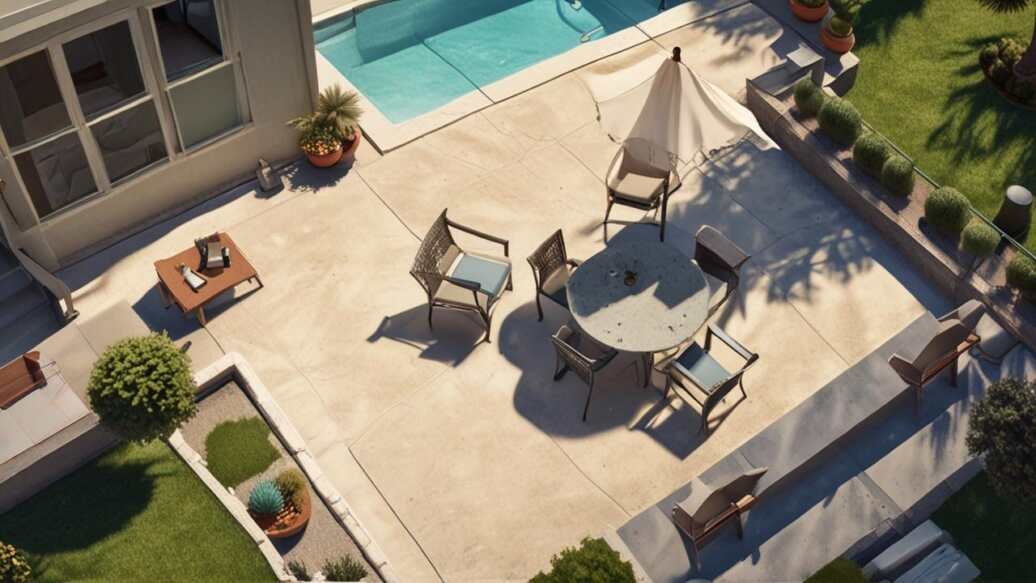
- Test the traffic flow. Set up temporary chairs and walk around the table. If you have to squeeze between the table and the pool, move the table farther away. You need at least 3 feet of walking space on all sides.
- Simulate a meal. Sit at the table with plates and glasses. Is the sun in your eyes? Is the table wobbling because the deck has a slight slope? Use shims or leveling feet if needed.
Key Factors That Influence Placement
These factors determine whether your table works well or causes frustration.
- Splash zone: Keep the table at least 6 feet from the pool steps or ladder. Swimmers climbing out drip water, and that can soak cushions and table linens.
- Shade alignment: The table should be under shade during the hottest part of the day (11 a.m. to 3 p.m.). If your only shade is a small umbrella, position the table so the umbrella casts shadow over the seating area.
- Electrical outlets: If you plan to use a blender, music speaker, or string lights, place the table within reach of a GFCI-protected outlet. Running extension cords across walkways is a tripping hazard.
- Grill proximity: If you have an outdoor grill near the pool, keep the table at least 10 feet away to avoid smoke blowing toward diners.
- View of children: Place the table so you can see the pool from where you sit. This is both practical for supervising kids and enjoyable for watching activity.
Warning: Never place a round patio table directly under a diving board or slide platform. Falling objects or people could damage the table or injure someone sitting underneath.
Common Myths vs Facts About Pool Deck Table Placement
Myth 1: The table should be as close to the water as possible.
Many people think that tucking the table right next to the pool makes it more convenient. In reality, a table less than 4 feet from the edge creates a safety hazard and invites water damage. The table often gets splashed with pool chemicals, which can corrode metal frames and fade fabric.
Myth 2: A round table can go anywhere because it has no corners.
Round tables fit tighter spaces, but they still need clearance for chairs. You need a full 8-foot diameter area. Placing it in a corner can trap chairs and force awkward seating.
Myth 3: You only need to worry about sun exposure during midday.
Morning and late afternoon sun can still be intense, especially on reflective pool surfaces. A table that gets morning shade might be uncomfortable at 4 p.m. Always test the spot at different times before permanently setting the table.
Pro Tips for Best Results
- Use a round table with a center hole for an umbrella. This gives you shade flexibility. Choose a cantilever umbrella if the table is large or if you want to angle the shade over seating.
- Pick a table with a non-glass top for wet feet. Glass becomes slippery when wet, and children often rest their wet hands on the table. Tempered glass is safer but still requires frequent cleaning. Porcelain or powder-coated aluminum are better choices.
- Anchor the table on windy days. Many round tables have a heavy pedestal base. If yours does not, add a weighted base or use sandbags on the legs.
- Coordinate the table height with lounge chair arms. If you use the table as a drink stand while lounging, choose a table that is roughly the same height as your lounge chair armrests (about 26-28 inches). Standard dining height (30 inches) works for meals.
- Add a clear vinyl cover or tablecloth that you can wipe down. Pool chemicals and chlorine residue can damage the table surface over time. A cover extends the life of the table.
Frequently Asked Questions
How far from a pool should a round patio table be?
At least 4 feet from the edge of the pool coping to the nearest part of the table. This follows guidelines for reducing the risk of accidental falls into the water.
Can I put a round table on a small pool deck?
Yes, but choose a table smaller than 36 inches in diameter. Leave at least 3 feet of walking space around it. If the deck is very narrow, consider a bistro-style round table that seats two people.
What material works best for a pool deck table?
Powder-coated aluminum and teak are the best choices. They resist rust, humidity, and chlorine damage. Wicker or rattan can fade and mold quickly near the water. Cast iron is too heavy and can crack if the deck flexes.
Should the table be centered on the deck?
Not necessarily. Centering can block traffic flow. Instead, offset the table toward one side of the deck, ideally near the outdoor kitchen or the entrance to the house. This creates a natural gathering zone without obstructing the main path.
Do I need an umbrella for a poolside round table?
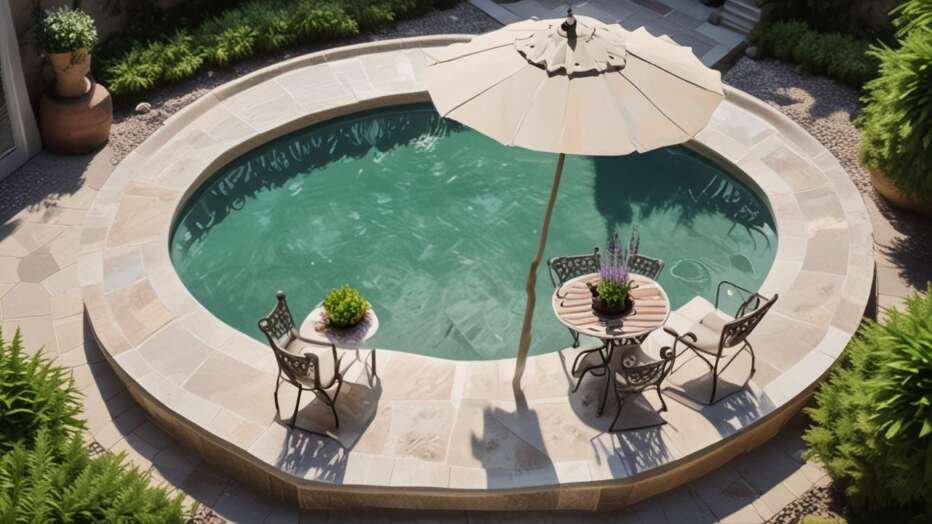
Yes. Most pool decks get direct sun for 6+ hours a day. An umbrella or permanent shade structure protects guests from UV exposure and keeps the table surface cool enough to touch. A 9-foot cantilever umbrella works well for a 48-inch round table.
Important: When measuring clearance, include the overhang of the umbrella when it is tilted. A tilted umbrella can extend beyond the table edge and into the walkway or splash zone.
Resources and Tools
- CPSC Pool Safety Guidelines – Official safety recommendations for pool barriers, furniture clearance, and emergency equipment.
- American Society of Landscape Architects (ASLA) – Professional resources for pool deck design and furniture placement best practices.
- National Association of Home Builders (NAHB) – Consumer guides for outdoor living spaces, including pool decks.
- Polywood Nautical Collection – Round tables made from recycled materials with UV protection, ideal for wet environments.
- Free Deck Design Tool – Online sketch tool to measure and place furniture on a grid. Useful for planning table location.
Final Thoughts
Placing a round patio table on a pool deck comes down to safety clearance, traffic flow, and sun protection. Keep at least 4 feet from the water, leave room for walking, and position the table under shade during peak hours. Following these guidelines will make your pool deck more comfortable and safer for everyone.