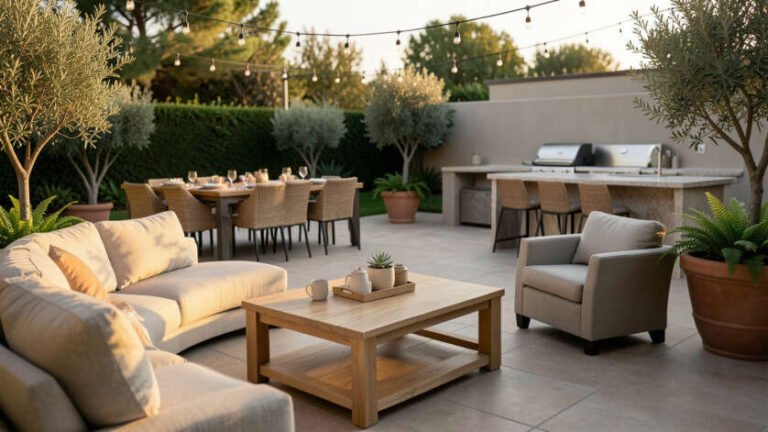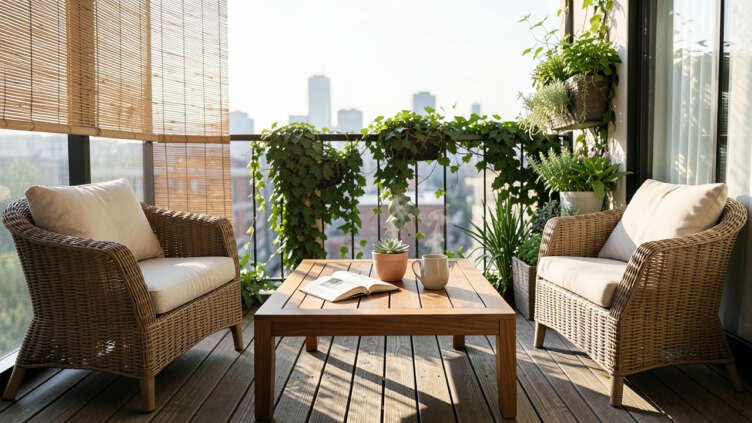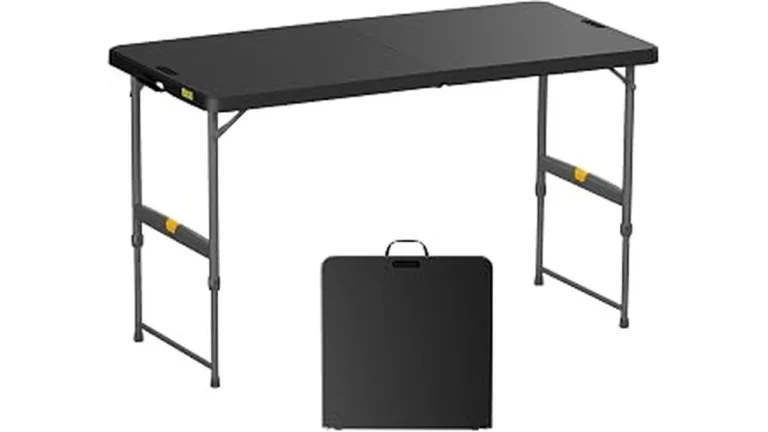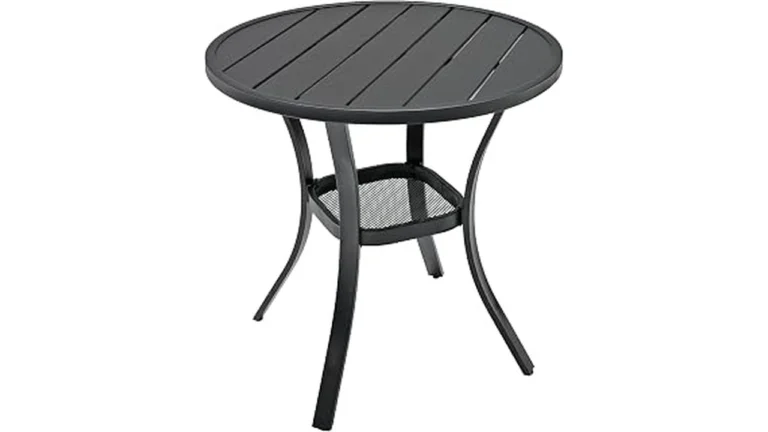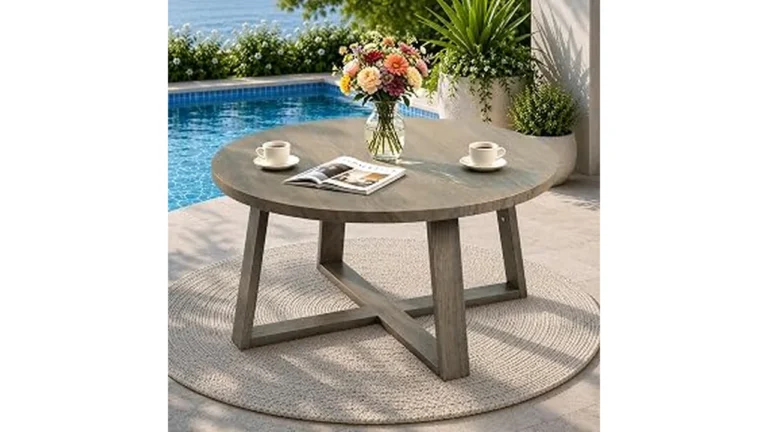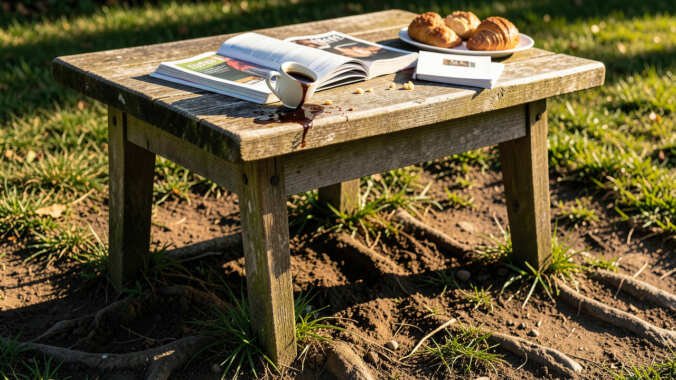
Using an outdoor coffee table in a patio dining area forces you to eat at an awkward height, limits seating to two or three people, and causes back strain from leaning over. Standard coffee tables stand 16 to 18 inches tall while dining tables are 28 to 30 inches, creating a 10- to 12-inch gap that destroys proper ergonomics. For full meals, a coffee table fails to provide comfort and surface stability, making it suitable only for snacks and drinks.
Using an outdoor coffee table for patio dining might seem like a smart shortcut. This guide explains the real trade-offs so you can make the right choice for your space.
Quick Verdict: Simply put, using an outdoor coffee table in a patio dining area forces you to eat at awkward heights, limits seating capacity, and creates back strain from leaning over. It works for snacks and drinks but fails for full meals. You lose comfort, function, and proper ergonomics.
Key Takeaways:
- Using a coffee table for dining forces you to sit at an improper height, which strains your back and shoulders during meals.
- Standard outdoor coffee tables stand 16 to 18 inches tall, while dining tables stand 28 to 30 inches tall – a 10- to 12-inch height gap that destroys ergonomics.
- According to the International Casual Furnishings Association, most patio coffee tables are 40 to 50 inches long, which seats only 2 to 3 people comfortably for dining.
- Coffee tables lack the surface stability needed for plates, bowls, and glasses, increasing the risk of spills and broken items.
- Using a coffee table in a dining area forces you to buy low-profile seating, which limits future furniture flexibility and resale value.
What Happens to Comfort and Ergonomics
The biggest change you notice right away is height. A typical outdoor coffee table sits 16 to 18 inches from the ground. A standard patio dining table sits 28 to 30 inches tall. That 10- to 12-inch gap changes everything about how you sit and eat.
Your knees hit the tabletop when you sit on a normal dining chair. So you need low seating like floor cushions or short stools. That puts your body in a hunched position. notes that seated dining requires a 10- to 12-inch vertical clearance between the chair seat and the table surface for proper posture.
With a coffee table, that clearance drops to nearly zero. You lean forward to eat. Your shoulders round. Your neck extends. After 30 minutes of this position, most people feel discomfort in their lower back and upper shoulders.
Warning: Eating bent over a low surface for more than 15 minutes can cause muscle strain. This is especially true for people with existing back problems or limited mobility.
How Seating Capacity Changes
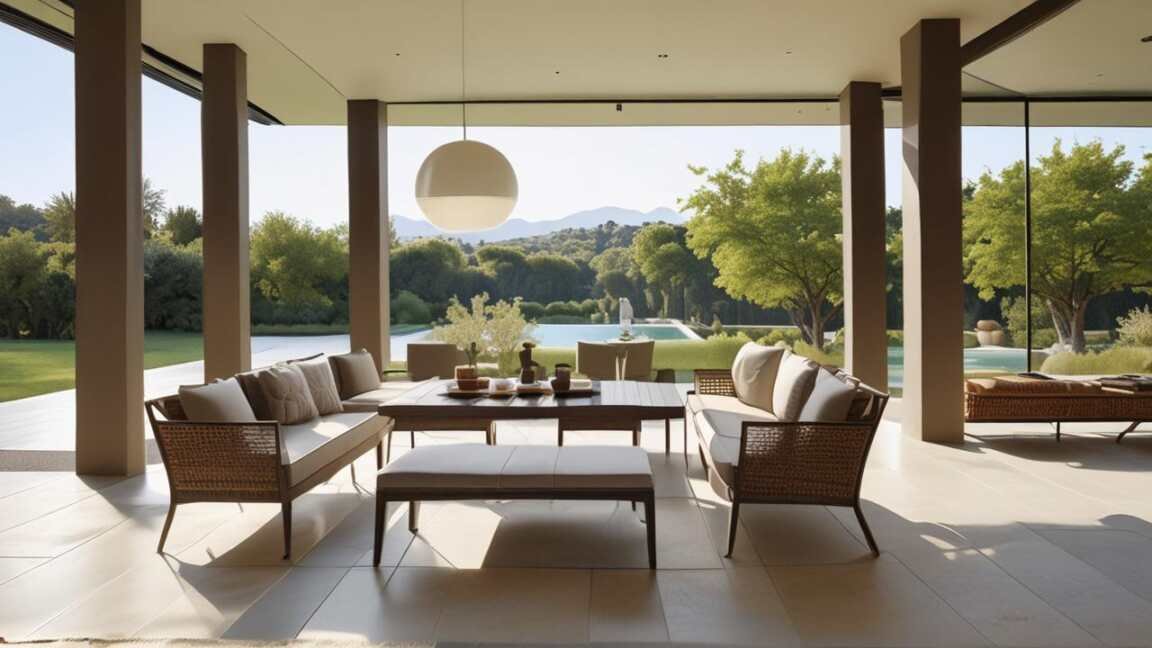
A standard rectangular outdoor coffee table measures 44 to 50 inches long and 22 to 28 inches wide. A dining table of similar length seats 4 to 6 people comfortably. The coffee table seats only 2 to 3 people at best.
Why the difference? Dining tables have leg room underneath. Coffee tables sit so low that your legs go around the sides, not under the table. This limits how many people can sit along each side. recommends a minimum of 24 inches of table width per person for comfortable outdoor dining.
A coffee table at 24 inches wide gives each person barely 12 inches of personal space. That works for a drink or a small plate. It fails for a full dinner with side dishes, glasses, and utensils.
What Happens to Surface Stability and Function
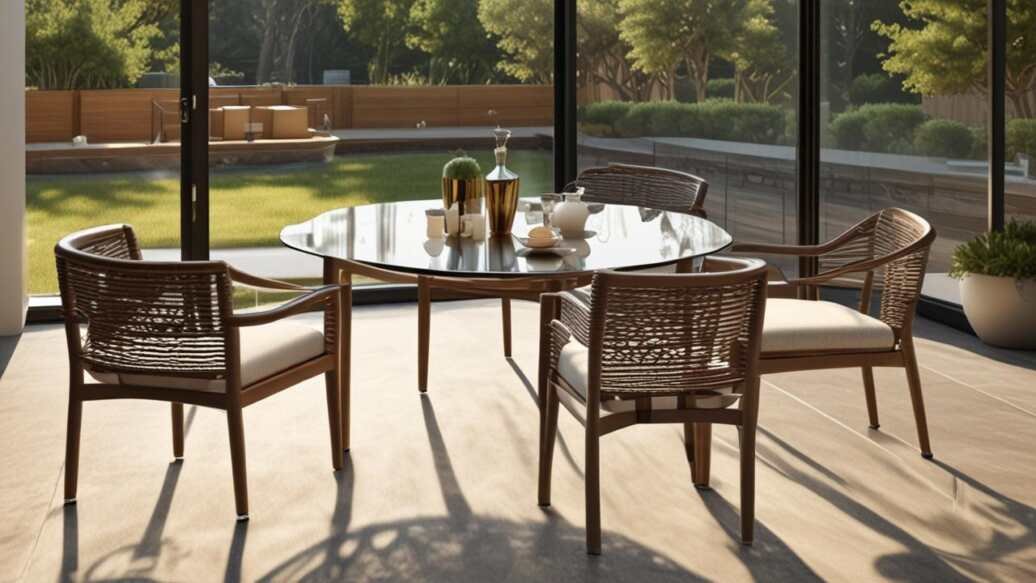
Outdoor coffee tables are designed for drinks, books, and decorative items. They are not built to handle the weight and movement of dining. When you place a full plate, a glass, and a bowl on a small coffee table, you have no room left for serving dishes or condiments.
Most coffee tables have a lightweight construction. They are made from materials like aluminum, wicker, or thin teak. These materials work fine for holding a coffee cup. They wobble when someone sets down a heavy dinner plate or leans on the table to stand up.
- Wobble risk: Thin legs and light frames shift under pressure from eating movements.
- Spill risk: Plates overhang the edges because the surface is too small for full place settings.
- Burn risk: Hot dishes placed directly on a coffee table surface can damage the finish or material.
- Storage loss: Coffee tables lack the surface area to hold serving bowls, condiments, and drink pitchers during a meal.
- Cleaning difficulty: Food crumbs and spills fall into the gap between the low table and the floor cushions, making cleanup harder.
Table Comparison: Coffee Table vs Dining Table for Patio Dining
| Feature | Outdoor Coffee Table | Patio Dining Table |
|---|---|---|
| Table Height | 16 – 18 inches | 28 – 30 inches |
| Seating Capacity (4 ft length) | 2 – 3 people | 4 – 6 people |
| Comfort Rating (30 min meal) | Poor – causes back strain | Good – proper ergonomics |
| Surface Area per Person | 8 – 12 inches width | 24 – 30 inches width |
| Spill Risk | High – plates overhang | Low – ample surface room |
| Best Use Case | Drinks, snacks, appetizers | Full meals, entertaining |
| Average Cost | $150 – $400 | $400 – $1,200 |
When a Coffee Table Works for Dining
There are specific scenarios where using an outdoor coffee table for eating makes sense. These situations tend to be casual, short, and small-scale. You do not need a full dining setup for every outdoor meal.
Use a coffee table for dining when you want appetizers and drinks before a meal. The low height works for grazing. People can stand around the table or sit on nearby lounge chairs. This setup encourages mingling rather than sitting in fixed seats.
Coffee tables also work for small children. Kids aged 2 to 6 years old sit comfortably at low surfaces. A coffee table at 16 inches tall matches their natural seated height on small chairs or floor cushions. notes that children under 5 years old find low tables easier to use independently.
Tip: If you host cocktail parties or casual gatherings where guests stand and snack, a coffee table works perfectly. Keep a separate dining area for sit-down meals.
- Brunch or coffee: Quick morning meals with just a plate and mug work well at low tables.
- Appetizers before dinner: Guests can nibble from shared plates without committing to a full seated meal.
- Kids craft or snack time: Low tables give young children easy access without climbing into tall chairs.
- Small patio or balcony: In tight spaces, a coffee table with floor cushions can serve as a dual-purpose surface for eating and lounging.
- One or two people: A couple eating a simple meal can manage on a coffee table without major discomfort.
Common Myths vs Facts About Coffee Tables for Dining
Myth 1: A coffee table is just a shorter table, so it works the same for eating.
Fact: Height difference changes posture, digestion, and comfort. Eating at a 16-inch surface forces your torso to bend forward 30 to 45 degrees. This position compresses your stomach and can cause acid reflux or indigestion during and after meals. Dining tables at 28 to 30 inches keep your spine straight and your stomach uncompressed.
Myth 2: You can just use lower chairs to fix the height issue.
Fact: Floor chairs and low stools are uncomfortable for most adults over 30 minutes. reports that a seated position with knees above hip level, which happens with low seating, restricts blood flow and causes leg numbness. Standard dining chairs position your knees at a 90-degree angle with feet flat on the ground.
Myth 3: Coffee tables are cheaper so they are a smart budget choice for dining.
Fact: You still need to buy low-profile seating, which costs $50 to $150 per person for proper quality. A $200 coffee table plus $400 in low chairs plus cushions totals $600. A basic $400 dining table with $200 in standard chairs totals $600. The price is the same, but the dining setup works for everyone.
How Does Table Material Affect Dining Performance
The material of your outdoor coffee table matters when you use it for dining. Different materials react differently to heat, weight, and spills. Some materials make matters worse.
Glass coffee tables are the worst choice for dining. Glass shines and reflects overhead lights into your eyes while eating. Glass surfaces scratch easily from plates and utensils. Glass also feels cold and uninviting for a meal. lists glass tables primarily for decorative use, not functional dining.
Metal coffee tables handle weight well but conduct heat. A hot dish placed on an aluminum table can leave a permanent mark. Metal tables also get uncomfortably hot in direct sunlight, making them unpleasant to touch during summer meals.
- Wood or teak: Handles weight well, resists heat, and feels warm. Best material for occasional dining use.
- Wicker or rattan: Lightweight but unstable for plates. Wobbles under heavy dishes and slanted surfaces cause spills.
- Stone or concrete: Extremely stable and heat-resistant. But these materials cost $500 to $1,000 and are heavy to move.
- Aluminum: Light and affordable but conducts heat and scratches easily from utensils and plates.
- Resin or plastic: Cheap and easy to clean but feels flimsy. Plates slide around on smooth plastic surfaces.
What Happens to Entertaining and Hosting
Using a coffee table for dining changes the social dynamics of your patio. You lose the communal feeling of gathering around a proper table. Guests cannot pass dishes easily. People cannot see each other clearly because they are looking down at their plates.
Buffet-style serving becomes difficult. There is no room on a coffee table for serving platters, bowls, and drinks alongside individual plates. You end up doing multiple trips to the kitchen for each course. This disrupts conversation and flow.
According to, 68 percent of homeowners who entertain outdoors use a dedicated dining table with chairs. Only 12 percent use a coffee table or low table for seated dining. The majority choose height-appropriate furniture for comfort during gatherings.
Warning: If you plan to host dinner parties or holiday meals outdoors, skip the coffee table entirely. Your guests will appreciate a proper dining setup. Low tables create a cramped and awkward experience that people remember negatively.
How to Transition from Coffee Table to Proper Dining Setup
If you already own an outdoor coffee table and want to upgrade to a dining area, you do not need to start from scratch. There are practical ways to add dining function without removing your coffee table entirely.
Keep the coffee table as a dedicated drinks or appetizer station. Place it to the side of your main dining area. This gives guests a spot to set down drinks while they mingle. It also keeps the dining table clear for food.
- Add a folding dining table: A 4-foot folding table costs $80 to $150 and provides a proper dining surface when you need it. Store it when not in use.
- Use a convertible coffee table: Some coffee tables lift and expand to dining height. These cost $300 to $600 but offer both functions in one piece of furniture.
- Buy stackable dining chairs: Keep 4 to 6 stackable chairs in storage. Pull them out only when you host meals. This saves space while offering proper seating.
- Create zones: Designate one area for lounging with the coffee table and another area for dining. This gives you both functions without forcing one table to do everything.
- Rent for events: For large gatherings, rent a dining table and chairs for $50 to $100 per day. This avoids permanent furniture purchases for occasional use.
What Does Using a Coffee Table Cost You Over Time
Using a coffee table for dining creates hidden costs that most people do not consider at first. These costs add up over months and years of use.
You replace low chairs and cushions more often because they wear out faster from direct ground contact. Floor cushions flatten within one season. You buy new ones each year. Standard dining chairs last 3 to 5 years with proper care.
You replace coffee tables more often when used for dining. Spills, heat damage, and scratches accumulate faster. The constant weight of plates and the movement of eating stress thin tabletops. A coffee table used only for drinks lasts 5 to 7 years. One used for dining might need replacement in 2 to 3 years.
A report on outdoor furniture shows that consumers who purchase dedicated dining sets report 40 percent higher satisfaction scores compared to those who use alternative tables for dining. Proper furniture improves the experience and reduces replacement costs.
Pro Tips for Making a Coffee Table Work for Light Dining
If you decide to use a coffee table for casual outdoor eating despite the drawbacks, use these strategies to improve the experience. These tips reduce discomfort and protect your furniture.
- Use trays with raised edges: Trays catch spills and create a contained surface for plates. Choose bamboo or plastic trays that stay stable on the tabletop.
- Choose smaller plates: Use salad plates or appetizer plates instead of full dinner plates. Smaller plates fit better on a coffee table surface.
- Add a tablecloth or placemats: A cloth protects the table surface from heat and scratches. It also makes the low table feel more intentional for dining.
- Use cushions with back support: Low seating without back support causes the most strain. Buy floor seats with a built-in backrest to reduce leaning.
- Limit meal duration: Keep coffee table meals under 20 minutes. Set a timer if needed. Longer meals cause muscle fatigue and poor digestion.
- Elevate with risers: Some coffee tables accept risers that lift the surface 4 to 6 inches. This still leaves the table below dining height but improves posture.
Tip: If you have a large coffee table, try using it as a picnic-style dining surface only when you have floor cushions and a low setup. For everything else, invest in a proper dining table. The cost difference is smaller than you think.
Frequently Asked Questions
Can I use my outdoor coffee table as a dining table for a small balcony?
Yes, but only for one or two people eating very simple meals. A coffee table on a small balcony with floor cushions works for coffee, snacks, or light breakfast. For dinner or meals with multiple dishes, the low height and small surface make it impractical.
How do I measure if my coffee table is tall enough for dining?
Measure the distance from the table surface to the seat of your chair. You need 10 to 12 inches of clearance for comfortable eating. If your coffee table is 16 inches tall and your chair seat is 12 inches tall, you have only 4 inches of clearance. That is not enough.
What is the alternative to using a coffee table for outdoor dining?
A lift-top coffee table that raises to 28 inches is the best alternative. These tables cost $300 to $600 and convert from low to dining height in seconds. They give you both functions without buying two separate pieces of furniture.
Will using a coffee table for dining damage the table?
Yes, over time. Heat from hot plates can warp metal and wood finishes. Scratches from utensils and plates accumulate on glass and plastic surfaces. Spilled food and drinks stain porous materials like teak and wicker. The damage happens faster with daily use than with occasional use.
Is it safe for children to eat at an outdoor coffee table?
Yes, for children under 6 years old. The low height is actually safer for toddlers compared to a full dining table. Use a stable, heavy coffee table that does not tip when a child leans on it. Avoid glass tops for children because they break easily.
Final Thoughts
Using an outdoor coffee table in a patio dining area creates discomfort, limits seating, and increases spill risks. The 10- to 12-inch height gap between coffee tables and dining tables ruins proper posture during meals. For the best experience, use a coffee table for drinks and snacks, and invest in a dedicated dining table for real meals. Your back and your guests will thank you.