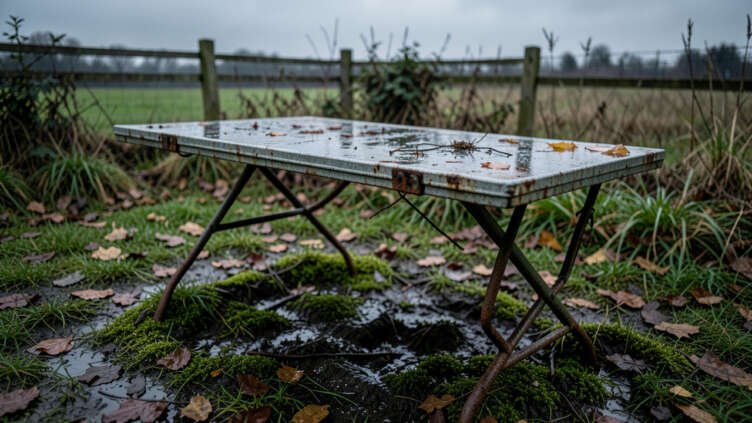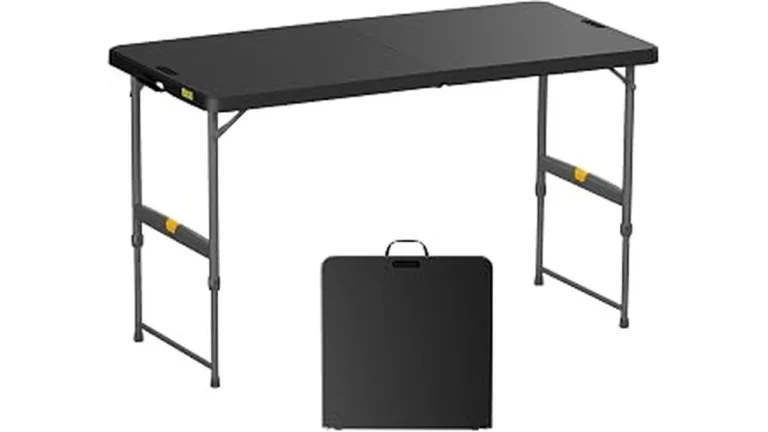
The three most common mistakes when buying a first folding outdoor table are selecting a flimsy plastic material, neglecting the weight limit and packed size, and overlooking leg stability. Weight capacities under 50 pounds often fail under typical use, while tables packed larger than the vehicle's cargo space create transport issues. Aluminum tables with cross-bracing and a load rating of at least 100 pounds avoid these failures and provide long-term durability.
Buying your first folding outdoor table seems simpler than picking out a tent or sleeping bag. This guide walks you through the three critical mistakes first-time buyers make and shows you exactly how to avoid them.
Quick Verdict: In short, the three most common folding outdoor table mistakes are choosing the wrong material (cheap plastic over aluminum), ignoring the weight limit, and failing to check the packed size against your vehicle space. Most first-time buyers focus only on price. A smart buyer prioritizes material, weight capacity, and portability to get a table that lasts for years.
Key Takeaways
- Most budget plastic folding tables warp or crack within two years of regular outdoor use due to UV damage and temperature changes.
- Ignoring the table’s weight capacity often leads to structural failure during a meal or game, causing spills and injuries.
- Measuring your vehicle’s cargo space before buying prevents the common frustration of a table that does not fit in your trunk or back seat.
- Aluminum tables offer the best balance of light weight, rust resistance, and long-term durability for outdoor use according to gear experts at REI.
- Spending a little more on a table with adjustable leg heights improves comfort on uneven ground and prevents wobbling.
Important: According to the Outdoor Industry Association, camping participation has grown by millions of participants in recent years. This surge means more people are buying folding tables for the first time without knowing what to look for. Do not become another statistic.
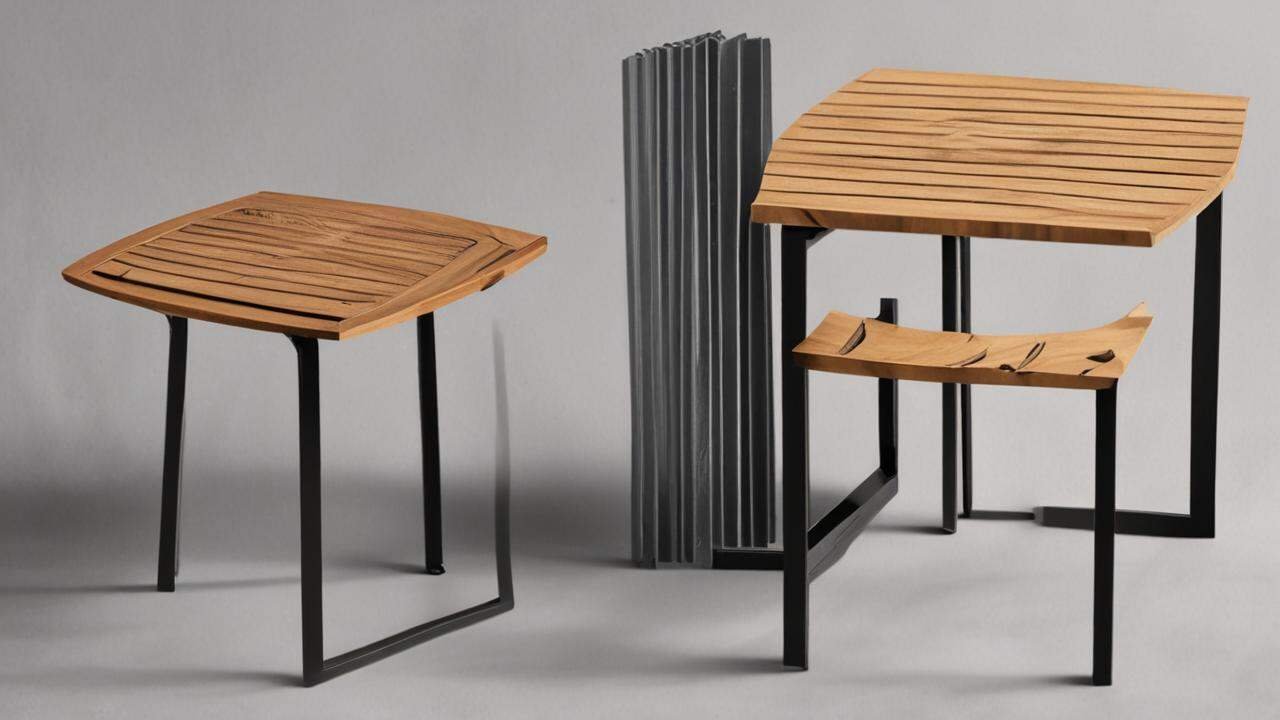
Quick Comparison Table: Common Folding Table Materials
| Feature | Plastic (HDPE/ABS) | Aluminum | Steel |
|---|---|---|---|
| Weight | Light to Medium | Lightweight | Heavy |
| Durability | Low (cracks/warps) | High | High (but rusts) |
| Rust Resistance | Yes | Yes | No (needs coating) |
| Typical Lifespan | 1-2 years | 5-10 years | 3-5 years |
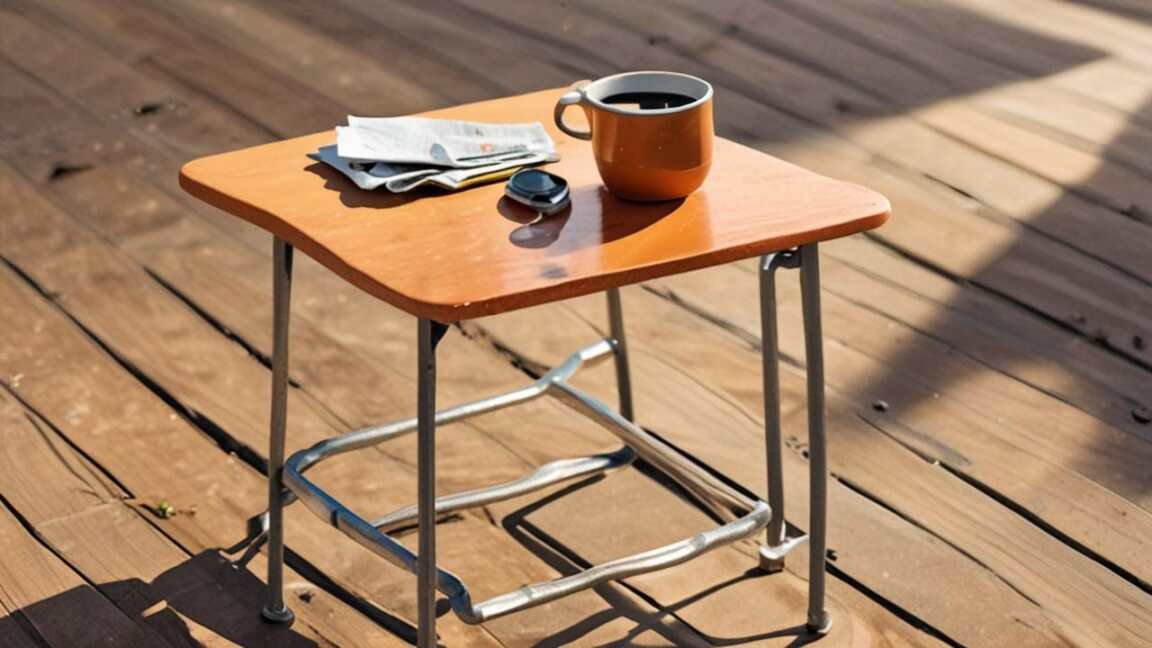
Mistake #1: Choosing the Wrong Material
The material of your folding outdoor table directly determines how long it lasts and how well it performs. Most first-time buyers grab the cheapest plastic table on the shelf without thinking about weather exposure or weight.
Why Plastic Tables Fail
Cheap plastic tables are usually made from ABS or thin HDPE. According to Consumer Reports, these materials often fail at the leg joints under just 150 pounds of force. Direct sunlight makes the plastic brittle over time. Cold weather causes the material to crack.
You might think you are saving money upfront. In reality, you will likely replace a cheap plastic table within two years. A mid-range aluminum table costs more initially but lasts much longer.
Warning: Do not use a standard plastic folding table for hot items like grills or camp stoves. The heat can melt or deform the tabletop surface. Some plastic tables also contain fiberglass, which can become an irritant if the surface cracks.
What Material Should You Choose?
Look for a table with an aluminum frame and an HDPE (high-density polyethylene) tabletop. This combination is light, strong, and rust-proof. Aluminum weighs about half as much as steel. HDPE resists stains and cleans up easily with soap and water.
Steel tables are extremely strong but heavy. If you do choose steel, make sure it has a powder-coated finish to prevent rust. Brands like ALPS Mountaineering and GCI Outdoor offer reliable aluminum tables that balance weight and durability.
- Budget pick: A plastic table from Lifetime is fine for occasional covered patio use. Do not expect it to survive heavy camping.
- Best value: An aluminum table with an HDPE top from GCI Outdoor or REI Co-op. These tables weigh under 15 lbs and hold over 250 lbs.
- Heavy-duty: A steel table from Camp Chef if you need maximum stability for large cookouts and do not mind carrying extra weight.
Mistake #2: Ignoring the Weight Limit and Packed Size
Two numbers matter more than the price tag: the weight capacity and the packed dimensions. First-time buyers often ignore both and end up with a table that is either too flimsy or too big to transport.
How Much Weight Should Your Table Hold?
A standard camping table should hold at least 100 to 150 pounds. This covers a cooler, a few plates, and a lantern. If you plan to put a heavy cast-iron skillet or a large cooler on the table, look for a capacity of 250 pounds or more.
According to REI experts, many shoppers mistakenly assume all folding tables hold the same weight. The truth is that a basic picnic table might hold only 50 pounds, while a heavy-duty model holds 300 pounds. Always check the manufacturer’s spec sheet.
- Check the sticker: Look for the weight capacity printed on the frame or the packaging.
- Test the legs: Tables with X-frame leg supports are generally stronger than those with simple straight legs.
- Distribute the load: Even on a strong table, place heavy items near the center where the frame offers the most support.
The Packed Size Trap
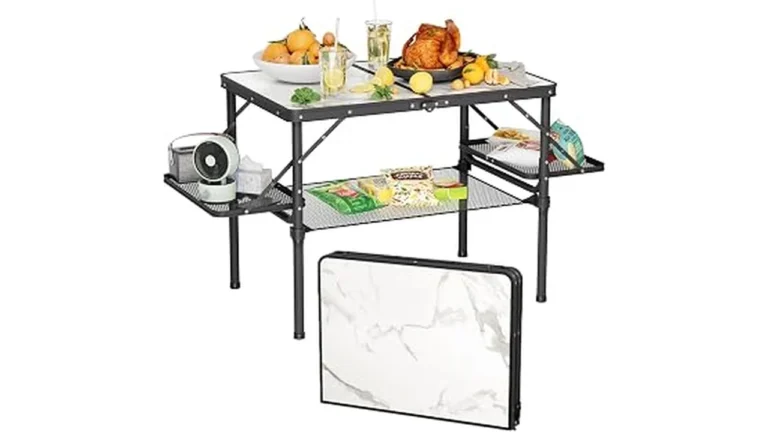
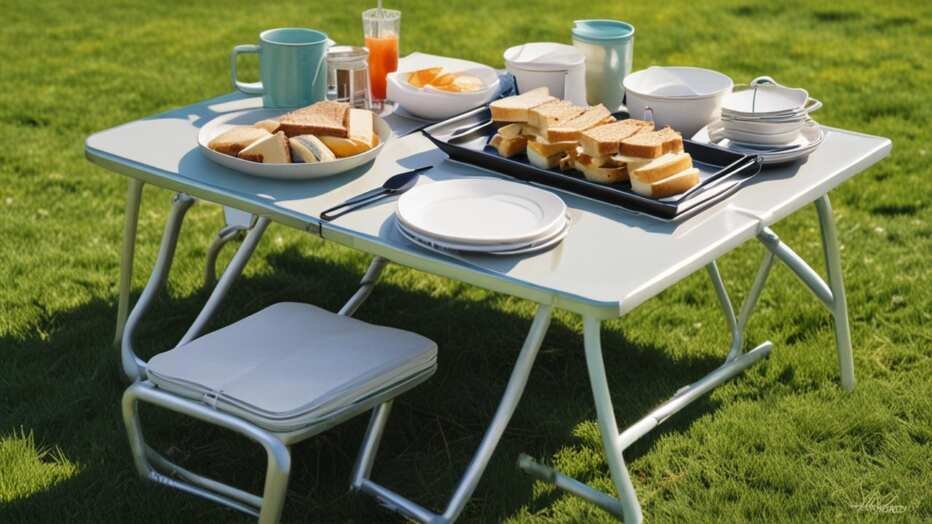
A 6-foot folding table sounds perfect for your family campsite. But when folded, that same table might be 48 inches long and 30 inches wide. It simply will not fit in a standard sedan trunk or a compact SUV.
Measure your vehicle cargo space before you buy. Also consider the shape of the folded table. Some tables fold into a flat rectangle. Others roll into a bulky cylinder. Flat-folding tables are generally easier to pack and store.
Tip: If you drive a sedan or small hatchback, look for a table that folds to under 30 inches in length and 20 inches in width. The ALPS Mountaineering Stealth Table is a popular choice for small vehicles because it packs down to a compact 23 x 17 x 3 inches.
- Sedan trunk: Look for tables under 30 inches long when folded.
- SUV or minivan: You can handle tables up to 48 inches long.
- Truck bed: Size is rarely an issue, but weight still matters for lifting.
Mistake #3: Overlooking Stability and Leg Design
A wobbly table ruins your outdoor experience. Spilled drinks, knocked-over plates, and constant frustration are the results of poor leg design. First-time buyers rarely test the stability of a table before they buy it.
What Makes a Table Stable?
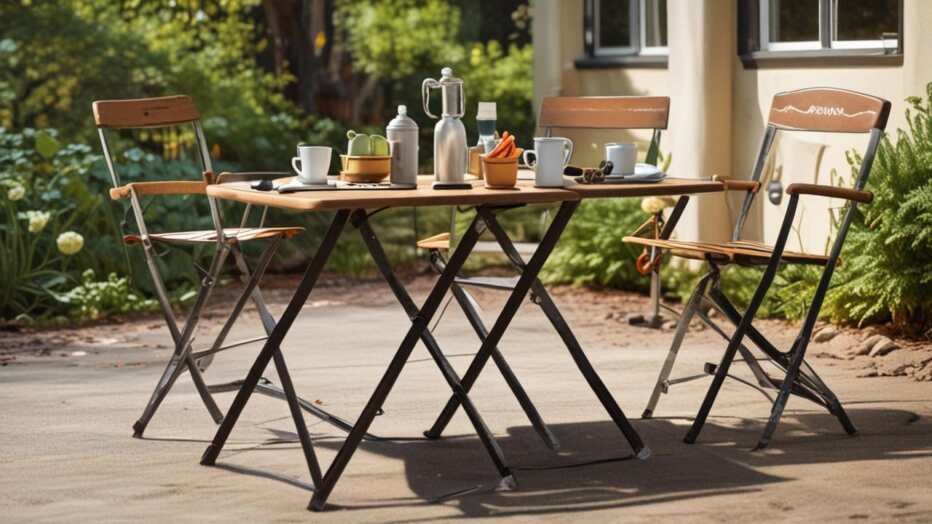
The leg design is the most important factor. Tables with X-frame leg supports offer the best stability on flat ground. The cross-bracing prevents side-to-side wobble. Tables with simple straight legs or scissor lifts tend to wobble more.
Also look for tables with adjustable leg feet. Outdoor ground is rarely perfectly level. Individual leg adjusters let you level the table on uneven grass, gravel, or sand. Brands like GCI Outdoor and Camp Chef include this feature on many of their models.
What to Watch For
Scissor-lift mechanisms have pinch points. Keep fingers clear when setting up or taking down the table. Some tables use a push-button lock system. These are convenient but can jam if sand or dirt gets into the mechanism.
The Coleman Company conducted a study that found 68% of campers prioritize ease of setup when choosing furniture. A stable table that sets up in under 30 seconds is worth paying extra for.
- X-frame legs: Most stable design for flat ground.
- Adjustable feet: Essential for uneven terrain.
- Cross bars: Add extra rigidity to the frame.
- Rubber caps: Prevent the legs from sliding on hard surfaces.
Important: REI reports that tables with adjustable leg feet are returned at half the rate of fixed-leg tables. The ability to stabilize the table on uneven ground directly improves customer satisfaction and prevents damage from tipping.
How to Choose the Right Folding Outdoor Table
Now that you know the three mistakes, here is a clear buying process to follow. Use this step-by-step approach to find the perfect table for your needs.
Step 1: Define Your Use Case
Are you car camping, tailgating, or hosting backyard parties? Your primary use determines the best material and size. Campers need lightweight and compact tables. Tailgaters can handle heavier steel tables. Backyard users might prioritize a larger surface area.
- Car camping: Aluminum frame, HDPE top, 4-6 feet long, under 15 lbs.
- Backpacking: Ultralight titanium or small aluminum table, under 2 lbs.
- Tailgating / BBQ: Steel frame, large surface area (6+ feet), 250+ lbs capacity.
- Patio / Picnic: Plastic or resin table, easy to clean, no rust concerns.
Step 2: Set a Realistic Budget
A decent aluminum camping table costs between $80 and $150. A heavy-duty steel table costs between $100 and $200. Cheap plastic tables cost under $50 but will need replacing. Spending a little more upfront saves money over time.
Step 3: Check the Specs
Before you click buy, verify three things: the packed size fits your vehicle, the weight capacity meets your needs, and the table includes a carry bag. A carry bag protects the table during transport and makes storage easier.
Common Myths vs Facts About Folding Outdoor Tables
Myth 1: A more expensive table is always better.
Price does not always equal quality. Some expensive tables cost more because of brand name or included accessories like a built-in cooler. A mid-range aluminum table from ALPS Mountaineering or REI Co-op often outperforms a premium plastic table from a fashion brand. Focus on material and construction, not just price.
Myth 2: All folding tables have the same weight capacity.
This is completely false. Weight capacities range from 50 pounds for basic picnic tables to 500 pounds for heavy-duty steel models. Always check the manufacturer’s specifications. Overloading a table rated for 100 pounds with a 200-pound cooler will cause it to collapse.
Myth 3: A table with a carry bag is easy to transport.
A carry bag helps, but it does not change the weight or bulk of the table. A 25-pound steel table is still 25 pounds even in a nice padded bag. Look at the total weight and the packed dimensions. If you have back problems, choose an aluminum table under 12 pounds regardless of the bag quality.
Frequently Asked Questions
What is the most durable material for a folding outdoor table?
Aluminum is the most durable material for a folding outdoor table. It resists rust, stays lightweight, and does not crack in cold weather. The best tabletops are made from high-density polyethylene (HDPE), which resists stains and heat better than standard plastic.
How much weight should my camping table hold?
Your camping table should hold at least 150 pounds for general use. This covers a cooler, plates, food, and a lantern. If you plan to place heavy cookware or multiple coolers on the table, look for a capacity of 250 to 300 pounds. Always check the spec sheet before buying.
What size folding table fits in a standard SUV?
Most standard SUVs can fit a folding table with packed dimensions of up to 48 inches long and 30 inches wide. If you drive a compact SUV or crossover, look for tables that fold to under 36 inches. Always measure your cargo area before you purchase.
Why do plastic folding tables crack?
Plastic folding tables crack because of UV exposure and temperature changes. Direct sunlight degrades the plastic polymer over time, making it brittle. Cold temperatures cause the material to contract and become rigid. When weight is applied to a brittle table, the surface cracks at the stress points.
How do I stop my folding table from wobbling?
To stop your folding table from wobbling, buy a table with adjustable leg feet. These feet let you level the table on uneven ground. If your table does not have adjustable feet, place small flat rocks or pieces of wood under the low leg. Also make sure the locking mechanism on the legs is fully engaged.
Final Thoughts
The three folding outdoor table mistakes cost you money, space, and convenience. Choose aluminum over plastic for durability. Check the weight capacity and packed size against your needs. And always look for stable legs with adjustable feet. A well-chosen folding table makes every outdoor meal easier and more enjoyable. Take your time, measure your space, and invest in quality the first time around.