
To unblock a drain without chemicals, use simple household items and manual methods to clear common clogs effectively. Techniques include using boiling water, a baking soda and vinegar reaction, a plunger, or a manual drain snake to remove blockages. The most sustainable approach combines these immediate fixes with preventative measures like regular cleaning to avoid future drain problems.
Got a clogged drain and worried about using strong chemicals? Many people feel the same way. They worry about harming their pipes, their health, or the environment.
But fixing a slow or blocked drain at home doesn’t have to be difficult or dangerous. You can easily learn How to Unblock a Drain Without Harsh Chemicals at Home using simple items you probably already have. This guide will walk you through easy, step-by-step methods that work.
Let’s get your drains flowing freely again!
Key Takeaways
- You can clear drain clogs using common household items.
- Boiling water is a simple first step for many clogs.
- Baking soda and vinegar create a natural fizzy reaction to loosen debris.
- A plunger can be a very effective tool for clearing blockages.
- Manual removal of visible clogs is often a quick solution.
- Preventing future clogs is as important as clearing current ones.
![How To Unblock Drains Without Chemicals[1]](https://creativehouseblog.com/wp-content/uploads/2026/05/How_To_Unblock_Drains_Without_Chemicals1.jpg)
How to Unblock a Drain Without Harsh Chemicals At Home Simple Steps
When a drain slows to a trickle or stops completely, it’s a common household problem. The immediate thought might be to reach for a chemical drain cleaner.
However, these products can be harsh on your plumbing, bad for your health, and harmful to the environment.
Fortunately, there are many effective ways to unblock a drain using items already in your home.
This section will cover the most straightforward and readily available methods, perfect for beginners. We will explore how simple tools and common ingredients can tackle most everyday clogs.

Boiling Water a Powerful First Step
Boiling water is one of the simplest and most effective ways to start dealing with a clogged drain.
It works best for clogs caused by grease, soap scum, or food particles that have built up in the pipes. The hot water helps to melt and loosen these substances, allowing them to wash away.
It’s a safe method for most types of plumbing, including PVC pipes, as long as you don’t pour boiling water directly onto plastic fixtures for extended periods. Always use caution when handling boiling water to avoid burns.
- Boiling water can break down grease and soap buildup.
- This method is environmentally friendly and low-cost.
- It is safe for most standard plumbing systems.
To use boiling water, carefully heat a pot or kettle full of water until it is boiling. Slowly pour the boiling water directly down the drain opening. You might need to do this a few times, waiting a minute or two between each pour.
If the water starts to drain, even slowly, you are on the right track. Continue pouring hot water until the drain is completely clear. For very stubborn clogs, this might be the first of several steps you’ll take.
The Baking Soda and Vinegar Method
Baking soda and vinegar is a classic combination for cleaning and deodorizing, and it’s surprisingly effective at clearing drains.
When you mix baking soda (a base) with vinegar (an acid), a chemical reaction occurs, producing carbon dioxide gas. This fizzing action can help to loosen stubborn grime, hair, and other debris stuck in the drain.
It’s a gentle yet powerful way to clear clogs without resorting to toxic chemicals. This method is particularly good for kitchen sinks where grease and food particles are common culprits.
- The fizzy reaction helps dislodge obstructions.
- It cleans and deodorizes your drains.
- This method is safe for all types of pipes.
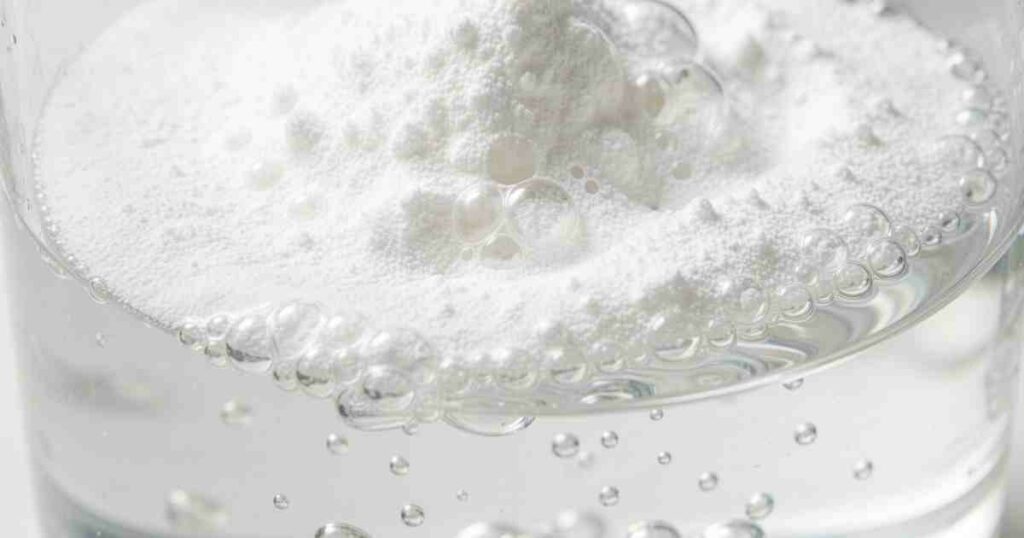
Start by pouring about half a cup of baking soda down the drain. Follow this immediately with about the same amount of white vinegar. You will see and hear fizzing.
Quickly cover the drain opening with a plug or a wet cloth to keep the reaction contained within the pipe.
Let this mixture sit for at least 15-30 minutes, or even longer for tougher clogs. After waiting, flush the drain with hot or boiling water, just as you would with the boiling water method.
This reaction creates a natural abrasive and cleaning agent that can break down soap scum and minor grease clogs.
The baking soda absorbs odors, leaving your drain smelling fresh. For a more powerful effect, you can let the baking soda and vinegar sit overnight.
Then, flush with hot water in the morning. This is often enough to clear most common household blockages without any physical effort or chemical exposure.
Using a Plunger Effectively
A plunger is one of the most common and effective tools for clearing a blocked drain, and it is entirely chemical-free.
The principle behind a plunger is creating suction and pressure. This can dislodge the clog and force it down the pipe.
It’s important to use the right type of plunger for the job. For sinks and tubs, a cup plunger is usually best. For toilets, a flange plunger with an extra seal is more effective.
Make sure the plunger cup creates a good seal around the drain opening.
- Plungers create suction to move clogs.
- A proper seal is key to effectiveness.
- Different plungers work best for different fixtures.
Before you start plunging, fill the sink or tub with enough water to cover the rubber cup of the plunger.
This creates a better seal and allows for more effective suction. Place the plunger firmly over the drain opening, ensuring a complete seal.
Then, push down and pull up sharply several times, maintaining the seal. You are trying to create both pressure and suction. Repeat this process vigorously for about 15-20 seconds.
After several plunging attempts, lift the plunger quickly. If the water drains, the clog is likely cleared. You may need to repeat the plunging process a few times.
If the clog is stubborn, you can try combining plunging with the baking soda and vinegar method.
After the baking soda and vinegar have sat, pour hot water down, then immediately start plunging. This can provide the extra force needed to break up the blockage.
Remember to remove any overflow drains from the sink or tub before plunging to ensure a proper seal.
Manual Removal of Visible Clogs
Sometimes, the clog is not deep within the pipes but is easily accessible. Hair, soap scum, and small objects can often accumulate right at the drain opening or just a little way down. For these clogs, manual removal is often the quickest and most effective solution.
This method requires a bit of direct action but avoids any chemicals whatsoever. You will need some basic tools that are commonly found around the house.
- Directly removing visible blockages is efficient.
- This method requires minimal tools.
- It is a clean and safe approach.
First, put on a pair of rubber gloves. Open the drain stopper if you have one. For sink drains, you can often remove the stopper by unscrewing a small knob behind the faucet or by prying it up.
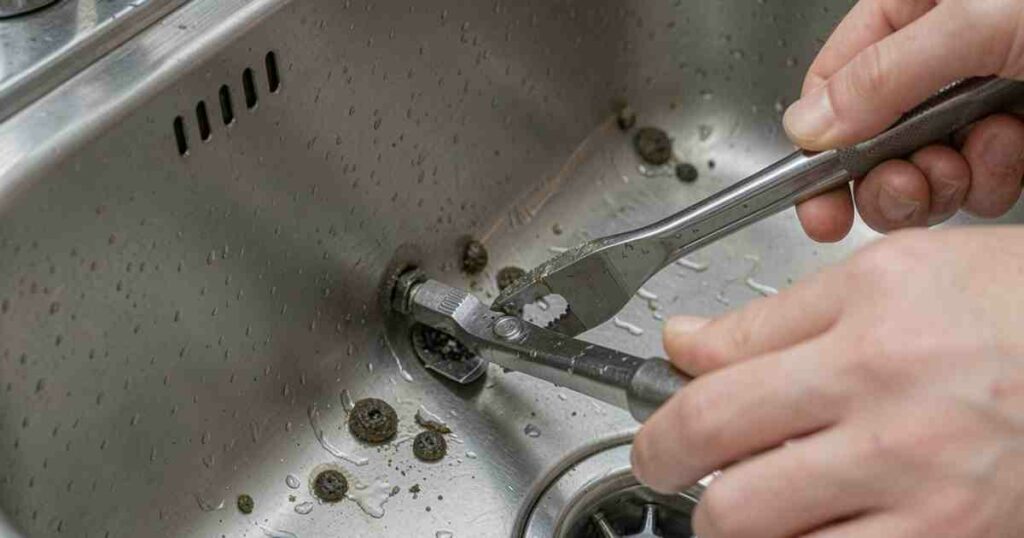
For bathtub drains, you might need to unscrew a cover or the entire stopper mechanism. Once the stopper is removed, look into the drain opening with a flashlight. You will likely see hair or other debris.
You can use a pair of tweezers, needle-nose pliers, or even a bent coat hanger (with the end straightened and a small hook bent into it) to pull out the visible gunk. Be prepared, it can be unpleasant, but it’s very effective. Pull out as much debris as you can.
After removing the visible obstruction, run hot water down the drain to clear any remaining residue. If the clog persists, it might be deeper in the pipes and require one of the other methods.
Using a Drain Snake or Auger
For clogs that are too deep for a plunger or manual removal, a drain snake (also called a plumber’s snake or auger) is an excellent tool.
This is a flexible coil of wire that can be fed into the drainpipe. Its purpose is to break up or hook onto clogs so they can be removed.
It’s a mechanical solution, meaning it uses force and physical interaction to clear the blockage, making it a chemical-free option. Drain snakes come in various lengths and designs, from small hand-cranked models to longer, more powerful electric versions.
- Drain snakes can reach deep clogs.
- They physically break up or pull out blockages.
- This tool is reusable and long-lasting.
To use a drain snake, insert the end of the coil into the drain opening. Slowly push the snake further into the pipe, turning the handle (if it has one) as you go. You will feel resistance when you encounter the clog.
Once you reach the clog, you can try to break it up by pushing and pulling the snake, or you can try to hook onto it and pull it back out. If you hook onto the clog, slowly withdraw the snake, pulling the debris with it.
Be patient, as this process can take time and effort. If the clog is particularly dense, you may need to use the snake multiple times. After successfully removing the clog, run hot water down the drain to flush out any remaining debris.
For very tough clogs, you might need to repeat the process or combine it with other methods, like pouring hot water down after snaking.
A properly used drain snake can clear even significant blockages without damaging your pipes.
Preventing Future Clogs
Once you have successfully cleared a clog, it’s wise to think about how to prevent them from happening again.
Prevention is always easier than cure. Simple habits can save you a lot of time, effort, and frustration in the long run.
By being mindful of what goes down your drains, you can keep them flowing freely and avoid the need for frequent unclogging. This proactive approach ensures your plumbing system remains in good working order.
- Regular cleaning of drain strainers is important.
- Avoid pouring grease down kitchen sinks.
- Use hair catchers in showers and tubs.
- Periodically flush drains with hot water.
For kitchen sinks, never pour grease, oil, or coffee grounds down the drain. These substances solidify and build up over time, creating serious clogs. Instead, collect grease in a container and dispose of it in the trash.
For bathrooms, hair is a major culprit. Place hair catchers over shower and bathtub drains and clean them out regularly. In sinks, be mindful of toothpaste and shaving cream residue, which can also contribute to clogs.
A simple yet effective preventative measure is to periodically pour a kettle of boiling water down your drains, especially the kitchen sink, to melt away any minor grease buildup.
You can also do this once a month with the baking soda and vinegar mixture for a deeper clean and deodorizing effect. Regularly cleaning your drain strainers is also a must.
This small, consistent effort can make a big difference in maintaining clear and functional drains throughout your home.
Frequently Asked Questions Of How To Unblock Drains Without Chemicals
Question: Can I use dish soap to help unclog a drain?
Answer: Yes, a little dish soap can help. Dish soap is designed to cut through grease and grime. Pouring some down the drain, followed by hot water, can help loosen greasy clogs.
Question: How often should I do a baking soda and vinegar drain flush?
Answer: For maintenance, doing the baking soda and vinegar flush once a month is a good idea. If you notice a drain slowing down, you can do it more often.
Question: What if none of these methods work?
Answer: If you’ve tried all these natural methods and the drain is still blocked, the clog might be very severe or in a location that these tools can’t reach. In such cases, it’s best to call a professional plumber.
Question: Is it safe to use a coat hanger to unclog a drain?
Answer: Yes, a straightened coat hanger can be safe if used carefully. Make sure to bend a small hook at the end to grab hair or debris. Avoid forcing it too hard, as this could damage your pipes.
Question: How can I tell if my drain is partially clogged?
Answer: A drain is partially clogged if water drains slowly, gurgles unexpectedly, or if there’s an unpleasant odor coming from the drain. These are signs that a clog is forming.
Wrap Up
Clearing a blocked drain without harsh chemicals at home is achievable. You can use simple methods like boiling water, baking soda and vinegar, plunging, and manual removal. These techniques are safe for your pipes and the environment.
By following these steps, you can restore your drains’ function and enjoy a clear, smooth-flowing plumbing system. Stay vigilant about preventing future clogs with regular maintenance habits.

![Why Food Gets Dry in Air Fryers[1]](https://creativehouseblog.com/wp-content/uploads/2026/03/Why_Food_Gets_Dry_in_Air_Fryers1-768x448.jpg)
![What to Do When Your Heating System Breaks in Winter[1]](https://creativehouseblog.com/wp-content/uploads/2026/05/What_to_Do_When_Your_Heating_System_Breaks_in_Winter1-768x403.jpg)
![9 Things You Should Know Before Using A Pizza Oven At Home[1]](https://creativehouseblog.com/wp-content/uploads/2026/04/9_Things_You_Should_Know_Before_Using_A_Pizza_Oven_At_Home1-768x448.jpg)
![7 Mistakes To Avoid When Making Crepes[1]](https://creativehouseblog.com/wp-content/uploads/2026/04/7_Mistakes_To_Avoid_When_Making_Crepes1-768x448.jpg)
![Air Fryer Basket vs Oven Style Models Comparison[1]](https://creativehouseblog.com/wp-content/uploads/2026/03/Air_Fryer_Basket_vs_Oven_Style_Models_Comparison1-768x448.jpg)
![7 Mistakes People Make When Using Indoor Electric Grills[1]](https://creativehouseblog.com/wp-content/uploads/2026/04/7_Mistakes_People_Make_When_Using_Indoor_Electric_Grills1-768x448.jpg)