
Preparing your garden yard for winter requires systematic attention to garden beds, soil preparation, plant protection, and equipment maintenance to ensure a healthy landscape in spring. Clear out spent plants and debris to prevent pest infestations and diseases, then improve soil fertility by adding organic matter and apply mulch to conserve moisture and moderate soil temperature. Protect frost-sensitive plants by covering them or relocating them, winterize tender perennials and shrubs appropriately, and thoroughly drain water systems to avoid costly freeze-related damage.
Getting your garden and yard ready for the cold months might seem like a big job, especially if you’re new to gardening. It’s easy to wonder where to start or what tasks are most important. But don’t worry!
Following a few simple steps can make preparing your outdoor space much easier. We’ll walk you through everything you need to know to get your garden and yard winter-ready.
Key Takeaways
- Protecting your plants from frost is a top priority.
- Clearing out dead plants and debris helps prevent diseases.
- Storing tools properly keeps them in good working order.
- Giving your lawn some attention now helps it bounce back in spring.
- Gardening beds need special care before the snow falls.
- Water systems need to be drained to avoid damage.
![How to Prepare Your Garden Yard for Winter[1]](https://creativehouseblog.com/wp-content/uploads/2026/05/How_to_Prepare_Your_Garden_Yard_for_Winter1.jpg)
Preparing Your Garden Beds for Winter
Getting Your Garden Beds Ready for Winter
Your garden beds are the heart of your growing space, and they need some love before winter hits.
Taking time to prepare them now means healthier plants next year and less work when spring arrives.
This involves clearing out old plants, adding good soil, and thinking about what you’ll plant next.
Proper preparation prevents pests and diseases from overwintering and sets up a strong foundation for a bountiful growing season.
Clearing Out Old Plants and Debris
As your plants finish their growing cycle, it’s time to say goodbye to them for the season. Removing dead or dying plants is more than just tidying up; it’s a crucial step in preventing plant diseases and pest problems from carrying over into the next year.
Many common garden ailments and insect eggs can overwinter in plant debris, waiting for warmer weather to spread.
By clearing these out, you significantly reduce the chances of these issues returning in the spring.
- Remove annual plants that have finished producing. These plants have completed their life cycle and won’t survive the frost. Pull them up by the roots and add them to your compost pile, unless they showed signs of disease.
- Cut back perennial plants if recommended for their specific type. Some perennials benefit from being cut back to the ground, while others are best left with stems for winter interest or to provide habitat for beneficial insects. Do some research on your specific perennial plants to know what’s best.
- Clear out any fallen leaves or weeds that have accumulated. This not only makes your beds look neater but also removes potential hiding spots for pests and disease spores.
Improving Soil Health for Spring
Good soil is the key to a thriving garden. Winter is a great time to enrich your garden beds so they are ready for planting in the spring.
Adding compost or other organic matter helps improve soil structure, drainage, and nutrient content.
This feeding of the soil ecosystem is essential for plant health.
- Add a layer of compost or aged manure. Spread about 2-4 inches of organic matter over the soil surface. This will break down over the winter, slowly releasing nutrients and improving the soil.
- Consider cover crops for larger areas. For vegetable gardens, planting a cover crop like rye or clover can protect the soil from erosion, suppress weeds, and add nitrogen back into the soil when tilled in next spring.
- Avoid tilling if possible. While tilling can incorporate amendments, it can also disrupt the soil’s natural structure and harm beneficial microorganisms. A no-till approach, where you simply layer organic matter on top, is often better for long-term soil health.
Mulching Your Garden Beds
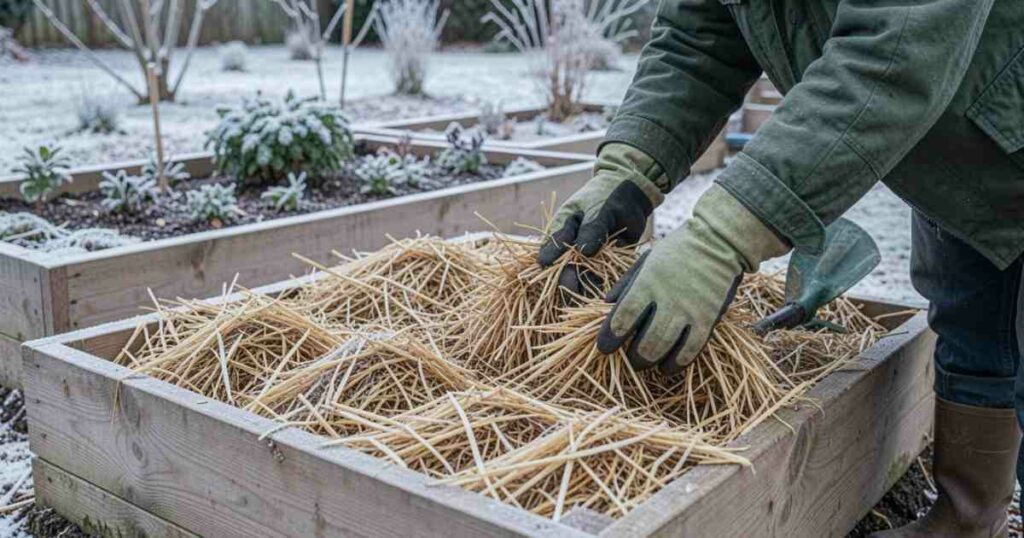
Mulch is like a cozy blanket for your garden beds during the winter. It helps to protect plant roots from extreme temperature fluctuations, keeps the soil from compacting too much, and can prevent early spring weeds from sprouting. Applying mulch after the ground has cooled but before it freezes solid is ideal.
- Choose an appropriate mulch. Options include straw, shredded leaves, wood chips, or pine needles. The best choice might depend on your plants and climate. For example, straw is great for vegetable gardens, while wood chips work well around shrubs and trees.
- Apply a 2-3 inch layer of mulch around plants. Make sure to keep the mulch a little bit away from the stems of plants to prevent rot and discourage pests from nesting too close.
- Mulch helps retain moisture even in cooler months. This is beneficial for evergreen plants that can still lose water through their leaves during dry, cold spells.
Protecting Plants from Winter Weather
Shielding Your Plants from Winter’s Chill
Not all plants are built to withstand harsh winter conditions. Different plants have varying needs for protection.
Some might need a light covering, while others require more significant sheltering from wind, frost, and heavy snow.
Understanding these needs is vital for ensuring your favorite plants survive and thrive when spring returns.
Dealing with Frost-Sensitive Plants
Many beloved garden plants, especially those from warmer climates, can’t tolerate even light frost.
These are often referred to as tender perennials or annuals that you might want to try and overwinter. Protecting them requires a bit of proactive effort before the first hard freeze arrives.
- Bring potted plants indoors. If you have plants in containers that are not frost-hardy, move them to a protected location like a garage, shed, or inside your home. Make sure they still get some light and don’t get too much water.
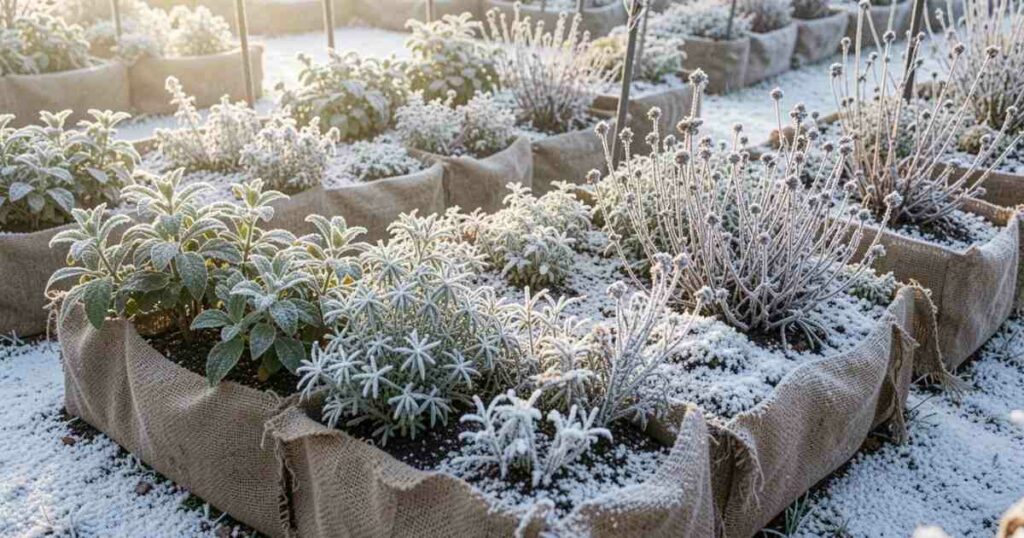
- Cover vulnerable plants. For plants in the ground that are borderline hardy, you can use frost cloths, old blankets, or even burlap to cover them on nights when a freeze is predicted. Remove the covers in the morning to allow for air circulation and light.
- Consider insulating the soil. A thick layer of mulch, as mentioned before, can also help insulate the soil and protect the roots of these sensitive plants.
Winterizing Tender Perennials and Shrubs
Certain perennials and shrubs might survive the winter with a little extra help. This often involves providing a protective barrier against the elements and preventing dehydration, which can be a significant threat during dry, windy winter days.
- Wrap evergreens. Some broadleaf evergreens, like rhododendrons or azaleas, can benefit from being wrapped in burlap. This protects their leaves from drying out due to cold winds and harsh sun.
- Protect delicate shrubs. Young or thin-barked shrubs can be protected from sunscald and frost cracks by wrapping their trunks with tree wrap or burlap. This is especially important for plants facing south or west, where they receive direct sun.
- Mulch heavily around the base. A generous layer of mulch around the base of shrubs and perennials helps to keep the soil temperature more stable, protecting roots from freezing and thawing cycles.
Preparing Your Lawn for Winter
Your lawn needs care in the fall to look its best next spring and to withstand winter damage.
A healthy lawn is more resilient. The tasks you do in the fall directly impact how well your grass recovers from winter dormancy and how quickly it greens up.
- Continue mowing until growth stops. Keep mowing your lawn to a suitable height for your grass type. Cutting it too short can weaken it, while leaving it too long can encourage diseases.
- Rake up fallen leaves. Leaf litter can smother the grass and create a damp environment where diseases can thrive. Raking or mulching them into the lawn is beneficial.
- Fertilize your lawn if needed. A fall fertilization can provide essential nutrients to help the grass store energy for winter and promote root growth. Use a fertilizer formulated for fall application.
Tool Care and Storage
Keeping Your Gardening Tools in Top Shape
Your gardening tools are essential for every task, from planting to pruning. Taking care of them at the end of the season ensures they’ll be ready to go when you need them again. Rust, dirt, and neglect can shorten the lifespan of your tools and make them harder to use.

Cleaning and Sharpening Tools
Before storing your tools, it’s important to get them clean and sharp. This not only makes them work better but also prevents rust and extends their life.
Dirt and sap can harbor diseases, so a good cleaning is also a health measure for your garden.
- Scrape off excess dirt. Use a stiff brush or a putty knife to remove all caked-on dirt and debris from shovels, trowels, hoes, and pruners.
- Wash with soap and water. For metal parts, a good wash with mild soap and water can remove remaining residue. Dry them thoroughly afterward to prevent rust.
- Sharpen cutting edges. Dull pruners and shears make ragged cuts that can harm plants. Use a sharpening stone or file to restore a sharp edge to blades.
- Oil metal parts. After cleaning and drying, apply a light coat of oil (like vegetable oil or a special tool oil) to metal surfaces. This creates a barrier against rust and keeps them moving smoothly.
Proper Storage Techniques
Storing your tools correctly is just as important as cleaning them. The goal is to protect them from moisture, extreme temperatures, and potential damage. Finding a dry, organized space is key.
- Store in a dry location. A shed, garage, or covered porch is ideal. Avoid storing tools directly on the ground, as this can expose them to moisture.
- Hang or rack your tools. This keeps them organized, prevents them from getting tangled, and allows for better air circulation around them. Pegboards or tool racks work well.
- Protect wooden handles. If your tools have wooden handles, you can rub them with linseed oil to prevent them from drying out and cracking.
Water System Preparation
Getting Your Water Systems Winter-Ready
Frozen pipes can cause significant damage, not just to your home but also to outdoor watering systems.
Draining hoses, sprinklers, and outdoor faucets is a crucial step in preventing costly repairs. This task might seem simple, but it requires careful attention to ensure all water is removed.
Draining Hoses and Sprinklers
Water left in hoses and sprinkler systems will freeze, expand, and can crack the materials. This is one of the most common causes of outdoor plumbing issues in winter. A small amount of leftover water can do a lot of damage.
- Disconnect hoses from faucets. Make sure to completely disconnect all garden hoses from outdoor spigots.
- Drain hoses thoroughly. Coil hoses loosely and allow all water to drain out. You can even hang them on a hook or reel to encourage complete drainage.
- Empty sprinkler heads and lines. If you have an in-ground sprinkler system, you’ll need to follow specific instructions for draining it, often involving blowing out the lines with compressed air. For portable sprinklers, simply turn them upside down and shake out any remaining water.
Winterizing Outdoor Faucets
Outdoor faucets, also known as hose bibs or spigots, are particularly vulnerable to freezing.
If water remains in the pipe leading to the faucet, it can freeze and cause the pipe to burst, leading to water damage inside your home.
- Shut off the water supply. Locate the shut-off valve for your outdoor faucet, usually found inside your home in a basement, crawl space, or utility room. Turn this valve off completely.
- Open the faucet to drain. Once the water supply is shut off, open the outdoor faucet to allow any remaining water in the pipe to drain out. Leave it open during the winter.
- Insulate the faucet if possible. For extra protection, you can use faucet covers specifically designed for winterizing. These are typically made of foam or insulated plastic and fit snugly over the spigot.
Preparing Outdoor Furniture and Decor
Protecting Your Outdoor Furnishings
Your outdoor furniture and decor add beauty and functionality to your yard. Protecting these items from the harsh winter weather will ensure they last for many seasons to come. Snow, ice, and strong winds can cause wear and tear, leading to fading, rust, or damage.
Cleaning and Storing Furniture
Giving your outdoor furniture a good cleaning before storing it can prevent mold and mildew growth and keep it looking its best. Proper storage prevents damage from moisture and UV rays.
- Clean all surfaces. Wipe down furniture with mild soap and water to remove dirt, pollen, and any food residue. For cushions, check their care labels and clean as recommended.
- Dry thoroughly. Ensure all furniture, especially wooden or metal pieces, is completely dry before storing to prevent rust or mold.
- Store in a protected area. Garages, sheds, or covered patios are good options. If space is limited, consider using heavy-duty furniture covers that are waterproof and UV-resistant.
Caring for Garden Decor
Decorative items like planters, statues, and lights also need attention. Some items can be left outside with precautions, while others are best stored away.
- Empty and clean planters. Remove all soil and old plants from pots. Clean them out and store them in a place where they won’t collect water and freeze, which can crack them.
- Protect fragile decor. Items made of glass, ceramic, or delicate materials should be stored indoors to prevent breakage from frost or impact.
- Secure loose items. Anything that could be blown around by strong winds, like garden flags or small ornaments, should be secured or brought inside.
Conclusion
Preparing your garden and yard for winter doesn’t have to be overwhelming. By taking these steps, you protect your plants and tools. You ensure your outdoor space is healthy and ready for spring.
Enjoy a well-prepared garden that will reward you next year.

![How to Clean Your Espresso Machine Simple Guide[1]](https://creativehouseblog.com/wp-content/uploads/2026/03/How_to_Clean_Your_Espresso_Machine_Simple_Guide1-768x448.jpg)
![8 Mistakes That Ruin Milk Frothing[1]](https://creativehouseblog.com/wp-content/uploads/2026/04/8_Mistakes_That_Ruin_Milk_Frothing1-768x448.jpg)
![How Induction Cooktops Work Explained Simply[1]](https://creativehouseblog.com/wp-content/uploads/2026/03/How_Induction_Cooktops_Work_Explained_Simply1-768x448.jpg)
![Toaster vs Toaster Oven Which Is Best[1]](https://creativehouseblog.com/wp-content/uploads/2026/03/Toaster_vs_Toaster_Oven_Which_Is_Best1-768x448.jpg)
![8 Cleaning Hacks For Limescale Removal[1]](https://creativehouseblog.com/wp-content/uploads/2026/04/8_Cleaning_Hacks_For_Limescale_Removal1-768x448.jpg)
![6 Reasons Your Juice Tastes Bad[1]](https://creativehouseblog.com/wp-content/uploads/2026/04/6_Reasons_Your_Juice_Tastes_Bad1-768x448.jpg)