
A winter home maintenance checklist prepares a residence for cold weather by systematically addressing critical systems to prevent damage and ensure safety. Essential tasks include inspecting the heating system, insulating pipes to prevent freezing, sealing exterior drafts, and checking safety devices like carbon monoxide and smoke detectors. Completing these steps beforehand saves money on emergency repairs and provides peace of mind during freezing temperatures.
Getting ready for winter can feel like a lot, especially if it’s your first time. You want to make sure your house stays warm and safe when the cold weather comes. Thinking about all the things you need to do might seem tricky at first.
But it doesn’t have to be! We’ll walk through everything step-by-step, making it super simple to get your home ready. Just follow along, and you’ll be all set for the frosty days ahead.
Key Takeaways
- You will learn the essential steps for preparing your home for winter.
- Discover how to check and protect your heating system.
- Find out how to prevent water damage from freezing pipes.
- Understand the importance of sealing drafts for energy efficiency.
- Learn about exterior maintenance tasks to secure your home.
![Winter Home Maintenance Checklist Before Cold Season Hits[1]](https://creativehouseblog.com/wp-content/uploads/2026/05/Winter_Home_Maintenance_Checklist_Before_Cold_Season_Hits1.jpg)
Prepare Your Home For Winter With This Checklist
Getting your house ready before the cold weather arrives is super important. A good Winter Home Maintenance Checklist Before Cold Season Hits helps you find and fix problems early. This saves you from bigger, more expensive issues later.
It also makes sure your home stays cozy and safe when the temperatures drop. Think of it like giving your house a check-up to make sure it’s strong and ready for winter’s challenges. Doing these tasks now means fewer worries when the snow starts to fall.
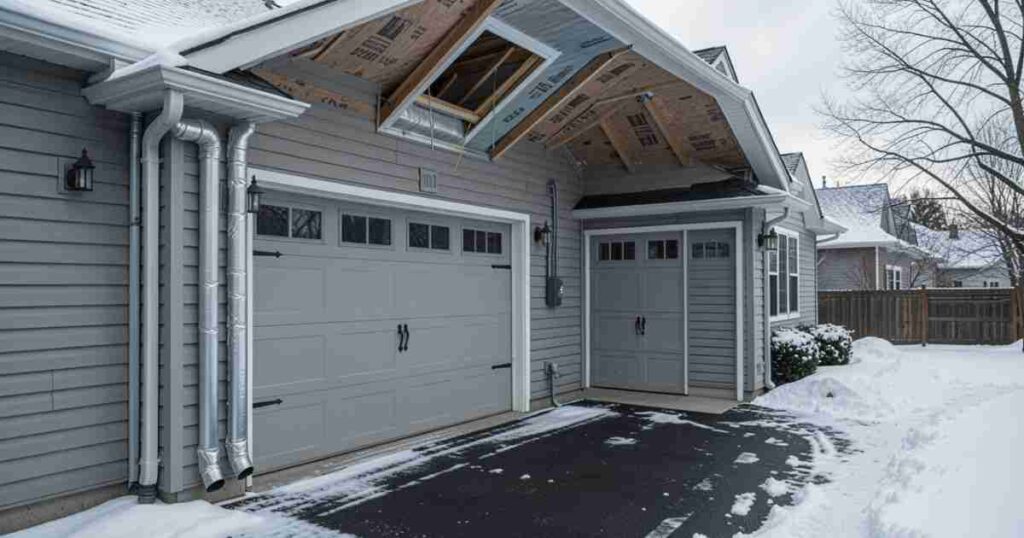
Heating System Checkup
Your heating system is the heart of your home in winter. You need to make sure it’s working perfectly before the cold hits. A broken heater can lead to a very uncomfortable and even dangerous situation.
Regular checks can catch small problems before they become big ones.
Furnace Filter Replacement
A dirty furnace filter can make your heater work harder and use more energy. It can also reduce the quality of the air inside your home. Changing the filter is a simple task that makes a big difference.
- Locate your furnace and find the filter slot.
- Note the size of the old filter.
- Purchase a new filter of the same size.
- Slide the old filter out and the new one in, making sure the airflow arrow points the right way.
Changing your furnace filter at least once every three months is a good habit. Some people with pets or allergies might need to change it more often, perhaps every month.
A clean filter helps your furnace run efficiently, saving you money on energy bills and keeping your air cleaner.
It’s a small step that helps your furnace last longer and perform better when you need it most during those cold winter months.
Professional Heating System Service
While you can do some things yourself, it’s smart to have a pro look at your heating system.
They can spot issues you might miss. This is especially true for older systems or if you haven’t had it checked in a while.
- Schedule an appointment with an HVAC technician.
- Ask them to inspect the heat exchanger for cracks.
- Have them check the burner and ignition system.
- Ensure the thermostat is working correctly.
- Request they check for any leaks in ductwork.
A professional tune-up can prevent unexpected breakdowns, which are never fun in the middle of winter.
They can clean parts, adjust settings, and make sure everything is running safely and efficiently. This service often costs around $100-$200, which is much less than an emergency repair.
Many companies offer service plans that can save you money and ensure regular maintenance.
Pipes and Water Systems
Frozen pipes are a common and very costly problem during winter. When water freezes, it expands, which can burst pipes. This leads to flooding and major water damage.
Insulate Exposed Pipes
Pipes in unheated areas like basements, crawl spaces, or garages are most at risk. Wrapping them can keep the water inside from freezing.
- Identify all exposed water pipes in unheated areas.
- Measure the length of pipe needing insulation.
- Purchase pipe insulation sleeves or foam wrap.
- Cut the insulation to size and wrap it snugly around the pipes.
- Secure the insulation with tape or zip ties.
This simple insulation can prevent freezing and is a vital part of your Winter Home Maintenance Checklist Before Cold Season Hits. It’s not expensive, and you can buy a roll of insulation for around $20-$50.
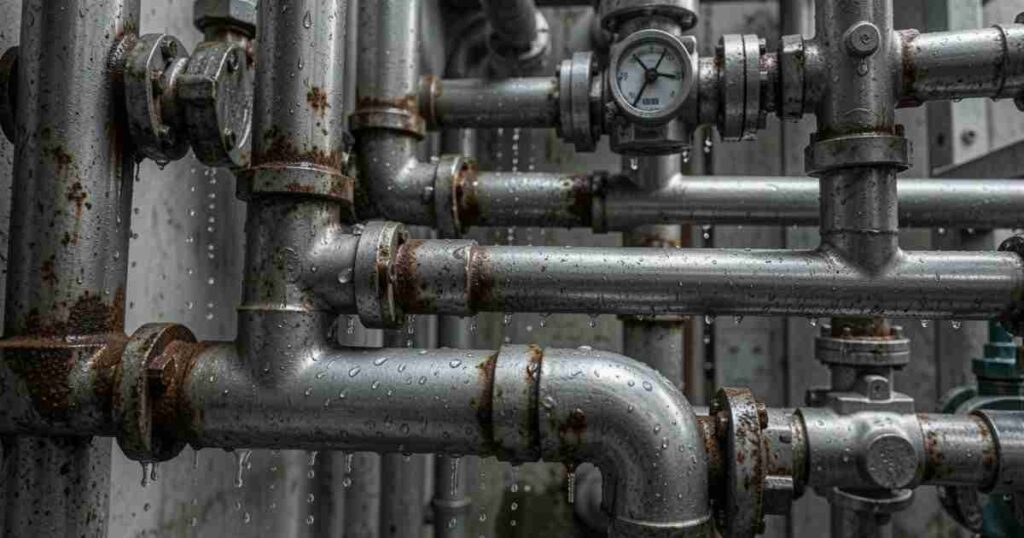
Properly insulating pipes can save you thousands of dollars in potential water damage repairs and the hassle of dealing with burst pipes.
It also helps keep the water warmer for longer before it reaches your faucets.
Seal Air Leaks
Gaps and cracks around windows, doors, and pipes can let cold air in and warm air out. Sealing these leaks helps keep your home warmer and lowers your energy bills.
Check Windows and Doors
Windows and doors are common places for drafts. Feel for cold air coming in around the edges. If you feel air, it’s time to seal it up.
- Use a caulk gun to apply weather-resistant caulk around window frames and door frames.
- Install weatherstripping around the edges of doors and windows that open and close.
- Consider using window insulation film for single-pane windows.
Caulking and weatherstripping are very affordable, costing maybe $20-$40 for supplies. These small fixes can make a noticeable difference in keeping your home comfortable and reducing heating costs.
Some studies show that sealing air leaks can save you up to 20% on your heating and cooling bills annually.
This means your home will feel warmer without your heater working overtime.
Seal Other Drafty Areas
Don’t forget about other areas like where pipes or wires enter your home. Mail slots, attic hatches, and electrical outlets on exterior walls can also be drafty.
- Use caulk or spray foam insulation to fill gaps around pipes and wires entering the house.
- Ensure attic hatches have a good seal and insulation.
- Use foam gaskets behind electrical outlet and switch plates on exterior walls.
These less obvious spots can contribute significantly to heat loss. Filling them effectively boosts your home’s energy efficiency. For example, a poorly sealed attic hatch can be like leaving a window open in your ceiling.
The warm air rises and escapes, making your heating system work much harder to keep the house warm.
Exterior Home Preparedness
The outside of your home needs attention too before winter arrives. Protecting it from snow, ice, and wind will prevent damage and keep your home safe.
Clean Gutters and Downspouts
Clogged gutters can cause ice dams and water to back up, potentially damaging your roof and walls. Keeping them clear is essential.
- Remove leaves, twigs, and other debris from your gutters.
- Ensure downspouts are clear and water flows freely away from your house.
- Consider installing gutter guards to help prevent future clogs.
Cleaning gutters usually takes an hour or two. This simple task prevents costly water damage. Ice dams form when snow melts and then refreezes in your gutters and downspouts.
This can force water under your roof shingles and into your walls, leading to mold and rot. Clearing them ensures that melting snow has a path to drain away from your home.
Trim Trees and Shrubs
Branches that hang over your house can break under the weight of snow and ice. They can then fall and damage your roof, windows, or siding.
- Inspect trees and large shrubs for dead or weak branches.
- Trim back branches that are close to your house or power lines.
- Hire a professional arborist for larger trees if needed.
Keeping branches trimmed away from your home is a safety measure. It protects your property from falling debris during storms.
It also helps maintain good airflow around your house, which can prevent moisture buildup against your siding.
This proactive step is a key part of a thorough Winter Home Maintenance Checklist Before Cold Season Hits.
Inspect Roofing
Check your roof for any loose, damaged, or missing shingles. These can allow water to seep in, especially when snow melts.
- Visually inspect your roof from the ground.
- Look for any curled, cracked, or missing shingles.
- Check for signs of wear or damage around chimneys and vents.
- If you find issues, consider hiring a roofing professional for repairs.
A damaged roof is an open invitation for water damage. Winter weather can be harsh on your roof, and small issues can quickly become big problems.
Repairing a few shingles early on is much cheaper than fixing extensive water damage to your attic and ceilings.
Roofing repairs can range from $200 to $1000+ depending on the extent of the damage and your location.
Prepare Outdoor Faucets and Hoses
Leaving hoses connected or outdoor faucets uncovered can lead to freezing and bursting, even if the pipes inside are insulated.
- Disconnect all garden hoses.
- Drain any remaining water from the hoses.
- Store hoses in a dry place, like a garage or shed.
- Shut off the water supply to outdoor faucets from inside your home.
- Open the outdoor faucet to let any residual water drain out.
- Consider installing insulated faucet covers.
This simple process prevents significant water damage. Burst outdoor faucets can flood crawl spaces and basements.
A set of insulated faucet covers typically costs between $5 and $15 and is a worthwhile investment.
Many homeowners forget this step, leading to costly repairs in the spring.
Safety and Emergency Preparedness
Winter brings a unique set of safety concerns. Being prepared for power outages and ensuring your home is safe from fire hazards is crucial.
Carbon Monoxide Detectors
With heating systems running more, carbon monoxide (CO) buildup is a serious risk. CO is a colorless, odorless gas that can be deadly.
- Test all carbon monoxide detectors in your home.
- Replace batteries in detectors that use them.
- Ensure detectors are located on every level of your home, especially near sleeping areas.
- If your detectors are older than 7-10 years, consider replacing them.
Carbon monoxide detectors are inexpensive life-savers, typically costing $20-$50 each. Regular testing and maintenance are vital.
According to the Consumer Product Safety Commission, over 150 deaths occur each year in the U.S.
due to accidental CO poisoning. This highlights the importance of functional CO detectors as part of your winter safety routine.
Smoke Detectors and Fire Safety
Winter often means more indoor fires, from heating equipment malfunctions to candles and fireplace use.
- Test all smoke detectors monthly.
- Replace batteries at least once a year.
- Clean smoke detector vents gently with a vacuum cleaner.
- Have your chimney professionally inspected and cleaned.
- Keep anything flammable at least three feet away from heat sources like fireplaces and heaters.
A clean chimney is essential for safe fireplace use. Creosote buildup can cause chimney fires. Professional chimney sweeping costs around $150-$300.Keeping clear space around heat sources prevents accidental fires. This part of your Winter Home Maintenance Checklist Before Cold Season Hits is about protecting your family and your home from devastating fires.
Emergency Kit
Power outages are more common in winter due to storms. Having an emergency kit ready is a smart move.
- Stock up on non-perishable food and water.
- Include blankets and warm clothing.
- Have flashlights and extra batteries.
- Keep a battery-powered or hand-crank radio.
- Include a first-aid kit.
Being prepared for a power outage means you can stay safe and comfortable until power is restored.
Having enough food, water, and light sources for at least 72 hours is recommended by emergency management agencies. This kit can provide peace of mind during severe weather events.
FAQ Of Winter Home Maintenance Checklist Before Cold Season Hits
Question: What is the most important thing to do for winter home maintenance?
Answer: Ensuring your heating system is working correctly and safely is the most critical step. You also need to prevent pipes from freezing.
Question: How often should I check my furnace filter?
Answer: It’s generally recommended to check and replace your furnace filter every three months. If you have pets or allergies, you may need to do it more often, like monthly.
Question: Why is it important to clean gutters before winter?
Answer: Cleaning gutters prevents ice dams from forming. Ice dams can cause water to back up and damage your roof, walls, and foundation.
Question: What should I do about outdoor faucets?
Answer: Disconnect hoses, drain them, and shut off the water supply to outdoor faucets from inside your home. Then, open the outdoor faucet to let any remaining water drain. You can also use insulated faucet covers.
Question: How can I save money on heating costs this winter?
Answer: Sealing air leaks around windows and doors, insulating your home, and ensuring your heating system is efficient will help reduce your energy bills. Regular maintenance also keeps your system running at its best.
Summary
Following this Winter Home Maintenance Checklist Before Cold Season Hits ensures your home is safe, warm, and protected.
Regular checks of your heating system, pipes, and exterior will prevent costly damage and discomfort. Being prepared for emergencies adds peace of mind.
Taking these steps now means a worry-free winter.

![What Is a Blender Used For in the Kitchen[1]](https://creativehouseblog.com/wp-content/uploads/2026/03/What_Is_a_Blender_Used_For_in_the_Kitchen1-768x448.jpg)
![How Air Fryers Work Simplified[1]](https://creativehouseblog.com/wp-content/uploads/2026/03/How_Air_Fryers_Work_Simplified1-768x448.jpg)
![Autumn Home Maintenance Checklist Before Cold[1]](https://creativehouseblog.com/wp-content/uploads/2026/05/Autumn_Home_Maintenance_Checklist_Before_Cold1-768x403.jpg)
![Why Food Gets Dry in Air Fryers[1]](https://creativehouseblog.com/wp-content/uploads/2026/03/Why_Food_Gets_Dry_in_Air_Fryers1-768x448.jpg)
![Electrical Safety Checks Every Homeowner Should Know[1]](https://creativehouseblog.com/wp-content/uploads/2026/05/Electrical_Safety_Checks_Every_Homeowner_Should_Know1-768x403.jpg)
![Choosing The Right Rice Cooker Size[1]](https://creativehouseblog.com/wp-content/uploads/2026/03/Choosing_The_Right_Rice_Cooker_Size1-768x448.jpg)