
This simple monthly home maintenance checklist provides a systematic plan to keep your property in optimal condition by addressing essential seasonal tasks. Proactive monthly upkeep prevents minor issues from developing into costly major repairs, saving significant time and homeowners money throughout the year. The checklist serves as a practical year-round guide for managing all critical home systems from plumbing to exterior care.
Keeping a home tidy and working well can feel like a big job. You might worry about things breaking or looking messy. This guide breaks down home care into simple monthly steps.
It’s like a friendly to-do list for your house. Following it helps you stay ahead of problems. You’ll learn what to check each month.
This makes home upkeep feel much less overwhelming. Let’s make your home a happy, well-running place together.
A simple monthly checklist helps you keep your home in great shape. Follow this easy guide for essential home maintenance tasks each month. This proactive approach saves time and money.
The Why Behind a Monthly Home Checklist
Why bother with a monthly checklist for your home? Think of it like a regular check-up for your car. You wouldn’t wait for the engine to smoke before getting an oil change, right?
Your home needs that kind of care too.
Small issues can grow into big, expensive ones if ignored. A leaky faucet might seem minor. But it can waste water and damage your cabinet over time.
A loose tile could lead to bigger water problems. Regular checks catch these things early. This saves you stress and money.
It also helps your home last longer. A well-maintained home feels safer and more comfortable. It’s a place you can truly relax in.

Understanding What “Home Maintenance” Really Means
Home maintenance isn’t just about fixing what’s broken. It’s also about keeping things clean and working their best. It involves looking at different parts of your house.
This includes the inside and the outside. It covers systems like plumbing and electricity. It also means caring for things like your roof and yard.
Simple tasks done often make a big difference. Cleaning out gutters, changing air filters, or testing smoke alarms are examples. These aren’t hard jobs.
But they are important. They keep your home safe. They keep it running well.
And they make it a nicer place to live.
My Own Wake-Up Call with Home Care
I remember one particularly wet spring. Rain seemed to fall nonstop for weeks. I was busy with work and just didn’t think much about the water pooling around the house.
One evening, I noticed a damp spot on the ceiling in the spare bedroom. My heart sank. It was small at first, just a little discoloration.
But over the next few days, it grew. I started to panic. What if the roof was leaking badly?
What if there was mold? I called a roofer. He came out and said the gutters were completely clogged with leaves and debris.
They had overflowed, and water was backing up under the edge of the roof shingles. It was a relatively simple fix for him, but the repair to the ceiling and a small bit of wood rot cost me extra. That was the moment I realized being proactive was so much cheaper and less stressful than being reactive.
Now, I’m a huge believer in regular checks.
Quick Check-In: Your Home’s Vital Signs
Think of these as your home’s vital signs:
Breathing Easy: Air filters clean?
Seeing Clearly: Smoke detectors working?
Staying Dry: No leaks or damp spots?
Feeling Safe: GFCIs tested?
Running Smoothly: Water pressure good?

The Monthly Home Maintenance Plan: What to Do Each Month
Let’s create a simple plan. We’ll divide tasks by month. This makes it feel manageable.
You don’t have to do everything at once. Just pick a few things each month. This keeps you on track.
January: Winter Checks and Indoor Comfort
The new year is a great time for indoor focus. Winter weather can be tough on your home. Focus on keeping it warm and safe.
- Test smoke and carbon monoxide detectors. Replace batteries if needed. This is crucial for safety.
- Check your heating system. Listen for strange noises. Make sure it’s running efficiently.
- Clean or replace furnace filters. Dirty filters make your system work harder.
- Inspect windows and doors for drafts. Seal any gaps to save energy.
- Check your plumbing for frozen pipes. Insulate any exposed pipes in unheated areas.
January’s Focus: Cozy & Safe Indoors
Task: Check Detectors
Why: Early warning for fire or gas leaks.
Task: Inspect for Drafts
Why: Save on heating bills.
Task: Furnace Filter
Why: Better air quality and system life.
February: Plumbing and Water Watch
February is often still cold. Water-related issues can pop up. We focus on preventing water damage.
- Inspect under sinks and around toilets for leaks. Look for water stains or drips.
- Check your water heater. Look for any rust or leaks. Ensure it’s set to a safe temperature (around 120°F).
- Run water in all faucets for a minute. This flushes out stagnant water.
- Inspect basement or crawl space for moisture. Check walls and floors.
February’s Focus: Water Wise
What to Look For: Damp spots near pipes.
Action: Tighten connections or call a plumber.
Why it Matters: Small leaks waste water and cause damage.
March: Spring Prep and Exterior Look
As winter fades, we start thinking about spring. It’s time to look at the outside of your home.
- Clean gutters and downspouts. Remove leaves and debris. This prevents water buildup.
- Inspect your roof for any damaged shingles. Look for loose or missing pieces.
- Check your foundation for cracks. Seal small cracks to prevent water entry.
- Inspect exterior paint or siding for damage. Look for peeling or rot.
- Test your garage door opener. Ensure safety features are working.
March: Outdoor Readiness
Item: Gutters
Action: Clear them out.
Benefit: Prevent water damage to your foundation and roof.
Item: Roof
Action: Quick visual check for damaged shingles.
Benefit: Avoid leaks before they start.
April: Air Quality and Ventilation
April showers bring May flowers. And it’s a good time to focus on the air you breathe inside.
- Clean or replace your HVAC air filter. Do this every 1-3 months.
- Check bathroom and kitchen exhaust fans. Ensure they are running and venting properly.
- Inspect dryer vents. Clean out lint buildup for safety and efficiency.
- Clean refrigerator coils. This helps your fridge run better.
- Check for any pests. Seal entry points if you find any.
April: Breathe Easier
Focus: Air Filters
How Often: Every 1-3 months.
Result: Cleaner air, less strain on your system.
Focus: Dryer Vent
Action: Clean out lint.
Result: Reduces fire risk and speeds up drying.
May: Outdoor Gear and Cooling Systems
May signals warmer weather. We get ready for summer activities and heat.
- Clean and inspect your air conditioner’s outdoor unit. Remove debris. Ensure airflow is clear.
- Check your hose bibs (outdoor faucets). Make sure they are not leaking.
- Inspect your lawnmower and other outdoor tools. Ensure they are in good working order.
- Check patio furniture for damage. Make any needed repairs.
- Test outdoor lighting. Replace any burnt-out bulbs.
May: Summer Ready
System: Air Conditioner (Outdoor Unit)
Task: Clear debris, check airflow.
Importance: Efficiency and longevity.
Item: Outdoor Faucets
Check: For leaks.
Why: Prevent water waste and freezing in fall.
June: Kitchen Deep Dive
Summer is here! Let’s focus on the heart of the home, the kitchen.
- Clean your oven, inside and out. Use self-cleaning feature if available.
- Inspect your dishwasher. Check the filter for debris. Run a cleaning cycle.
- Clean your garbage disposal. Run cold water and grind ice.
- Wipe down all kitchen cabinets and countertops.
- Check your range hood filter. Clean or replace it.
June: Kitchen Sparkle
Appliance: Oven
Action: Clean it thoroughly.
Benefit: Better cooking results, less smoke.
Appliance: Dishwasher Filter
Action: Remove and clean.
Benefit: Better cleaning performance.
July: Bathroom Refresh
July is a good month to focus on the bathrooms. Keeping them clean and functional is key.
- Inspect all faucets and showerheads for drips. Fix any leaks promptly.
- Clean grout and caulk. Look for mold or mildew. Re-caulk if needed.
- Test your GFCI outlets. Use the “test” and “reset” buttons.
- Clean out your shower drain. Remove hair and soap scum.
- Check your toilet for leaks. Listen for running water.
July: Bathroom Brilliance
Fixture: Showerhead
Check: For drips or low pressure.
Fix: Clean or replace nozzle if needed.
Safety: Test GFCI outlets.
Location: Kitchens, bathrooms, outdoors.
Purpose: Prevent electrical shock.
August: Attic and Basement Audit
August is often hot and dry. It’s a good time to check often-forgotten spaces like the attic and basement.
- Inspect your attic for leaks or pests. Look for signs of water damage or animal droppings.
- Check insulation levels. Ensure it’s evenly distributed.
- Inspect your basement or crawl space for moisture. Look for dampness, mold, or mildew.
- Check the sump pump (if you have one). Pour water into the pit to test it.
- Examine exposed wiring for damage. Report any frayed or exposed wires.
August: Hidden Spaces Check
Area: Attic
What to Find: Leaks, pests, insulation issues.
Why: Protects your home from damage and heat loss/gain.
Area: Basement
What to Find: Moisture, mold, pest signs.
Why: Prevents structural damage and health problems.
September: Fall Tune-Up for Heating and Exterior
Fall is a busy time. We prepare the house for colder weather and tidy up the yard.
- Have your heating system professionally serviced. This ensures it’s ready for winter.
- Clean your chimney and fireplace if you use them. Remove soot and creosote.
- Inspect your roof again. Prepare for potential winter storms.
- Check exterior caulking and weatherstripping. Seal any gaps around windows and doors.
- Clean out window wells. Remove debris that can block drainage.
September: Cozying Up
System: Heating
Action: Schedule a professional tune-up.
Benefit: Efficiency and safety for winter.
Item: Chimney
Action: Clean if used.
Why: Fire prevention.
October: Fire Safety and Energy Saving
October is National Fire Safety Month. It’s a good time to focus on preventing fires and saving energy.
- Test all smoke and carbon monoxide detectors again. Ensure they are working well.
- Check fire extinguishers. Make sure they are charged and easily accessible.
- Clean out your dryer lint trap. This is a major fire hazard.
- Inspect electrical cords and outlets. Replace any damaged cords.
- Check your insulation levels in walls and attics. Ensure they are adequate.
October: Safety First
Focus: Fire Extinguishers
Check: Pressure gauge, accessibility.
Importance: First line of defense in small fires.
Focus: Cords and Outlets
Action: Look for damage, avoid overloading.
Why: Prevent electrical fires.
November: Pre-Winter Plumbing and Outdoor Shut-Down
As winter approaches, we do some final checks to protect our homes from the cold.
- Drain and store outdoor hoses. Disconnect them from the faucets.
- Insulate outdoor faucets. Use faucet covers to prevent freezing.
- Check that your sump pump is ready for winter. Clear the discharge line.
- Inspect your gutters one last time. Make sure they are clear of fallen leaves.
- Prepare your fireplace for use. Ensure it’s clean and safe.
November: Winterizing Basics
Item: Outdoor Hoses
Action: Drain and store them.
Reason: Prevent freezing and bursting pipes.
Item: Outdoor Faucets
Action: Cover them.
Reason: Protect against frost damage.
December: Holiday Safety and System Check
The end of the year is for enjoying the holidays. But a quick safety check is still important.
- Check holiday lights for frayed wires or damage. Use them safely.
- Test smoke and carbon monoxide detectors. One last check before year-end.
- Ensure your fire extinguisher is accessible.
- Check your furnace filter. You might need a new one after heavy use.
- Make a list of any needed repairs for the new year.
December: Festive and Safe
Focus: Holiday Lights
Check: Damaged wires, proper use.
Goal: Prevent fires.
Focus: System Check
Item: Furnace Filter
Action: Inspect and replace if needed.
Why: Keep heating efficient.
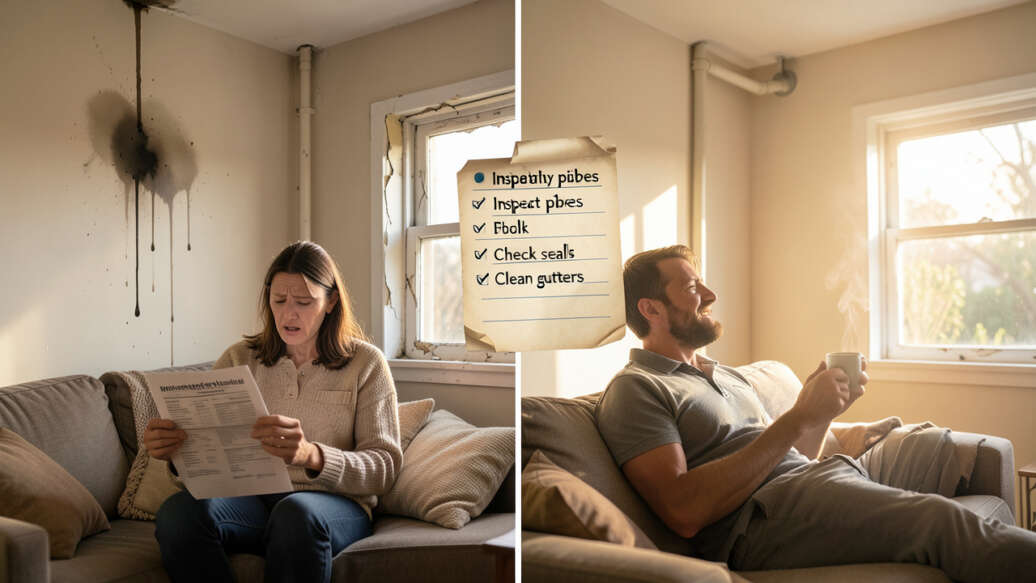
Real-World Scenarios: When Maintenance Pays Off
It’s easy to think of these tasks as chores. But let’s see how they play out in real homes.
Scenario 1: The Clogged Drain
In a busy family bathroom, the shower drain starts to get slow. Every shower leaves a puddle. Someone might ignore it for a while.
But over time, it can lead to water backing up. It might even damage the floor or ceiling below. A quick monthly check and cleaning of the drain removes hair and soap scum.
This keeps water flowing freely. It prevents bigger, messier problems.
Scenario 2: The Drafty Window
You feel a cool breeze coming from a window in winter. You might close the curtains tighter. But that draft is letting heat escape.
This means your heating system works harder. Your energy bills go up. Checking windows monthly and sealing any gaps with caulk or weatherstripping keeps your home warm.
It saves you money every month.
Scenario 3: The Hidden Roof Leak
After a big storm, a homeowner notices a small stain on their attic ceiling. They might think it’s minor. But if they checked their roof in March as suggested, they might have found a damaged shingle.
Fixing that one shingle is cheap and easy. Ignoring it could let water seep into the attic. This can cause rot, mold, and much more expensive repairs to the roof structure and ceiling.

What This Means for You: When to Worry
Most of these monthly tasks are about prevention. They keep small things from becoming big problems. But what are the signs that something needs immediate attention?
When it’s Normal:
- Slight variations in water pressure.
- Occasional odd sounds from appliances.
- A bit of dust on surfaces.
- A small amount of condensation on windows in cold weather.
When to Worry:
- Persistent leaks: Water stains that grow, constant drips.
- Strange smells: Musty, sewage, or burning smells are serious.
- Electrical issues: Flickering lights, sparking outlets, burnt smells.
- Major appliance failures: If your fridge or furnace stops working completely.
- Signs of pests: Droppings, chewing sounds, visible insects or rodents.
- Foundation cracks: Large, widening cracks in your foundation.
- Unusual sounds: Grinding, banging, or constant loud humming from systems.
Quick Glance: Normal vs. Worrying
Normal: A little dust.
Worry: Piles of dust or signs of pests.
Normal: Occasional appliance noise.
Worry: Loud, grinding, or constant strange noises.
Normal: Minor condensation.
Worry: Large puddles or significant water stains.

Simple Fixes and Smart Tips
You don’t need to be a DIY expert to do most of these tasks. Here are some tips:
- Keep a basic toolkit handy. A screwdriver set, pliers, and a wrench are useful.
- Use a flashlight for inspections. It helps you see into dark corners.
- Take photos. If you find something concerning, take a picture before you try to fix it. This can help if you need to call a professional.
- Label your circuit breaker panel. Knowing which switch controls which area is a lifesaver.
- Set reminders. Use your phone’s calendar to remind you of monthly tasks.
Remember, the goal is consistency. Doing a little bit each month is much better than letting things go. My own experience taught me that lesson the hard way.
Frequently Asked Questions About Home Maintenance
How often should I really check my smoke detectors?
You should test your smoke detectors monthly by pressing the test button. It’s also wise to
What’s the most important monthly home maintenance task?
While many tasks are important, testing your smoke and carbon monoxide detectors is vital for safety. For home longevity and preventing costly damage, checking for leaks (plumbing and roof) is also critical.
My house is old. Does that mean more maintenance?
Older homes often require more attention. Materials may be different, and systems might be less efficient. A consistent monthly checklist helps you stay on top of potential issues before they become major problems.
Older homes can be charming, but they need good care.
What if I’m not comfortable doing a repair myself?
That’s perfectly okay! The checklist helps you identify issues. If you’re unsure or uncomfortable, that’s your cue to call a qualified professional.
It’s better to pay for a pro than to risk making a problem worse or causing damage.
How much time should I set aside for monthly home maintenance?
Start small! For the first few months, aim for 1-2 hours per month. As you get into a routine, you might find it takes less time.
Some months will be quicker than others. The key is building the habit.
Can I do all these tasks in one day?
You could, but spreading them out makes it less overwhelming. For example, do all the plumbing checks one weekend and all the exterior checks the next. Or pick just one or two tasks per week.
Consistency is more important than speed.

Conclusion: A Happier Home, Month by Month
Keeping your home in good shape doesn’t have to be a mystery. This monthly checklist is your guide. It helps you tackle tasks in a manageable way.
It prevents small issues from growing. It saves you time and money in the long run. Enjoy the peace of mind that comes with a well-cared-for home.

![How Much Electricity Does an Air Fryer Use[1]](https://creativehouseblog.com/wp-content/uploads/2026/03/How_Much_Electricity_Does_an_Air_Fryer_Use1-768x448.jpg)
![How to Maintain Window Seals for Fewer Draughts and Damp[1]](https://creativehouseblog.com/wp-content/uploads/2026/05/How_to_Maintain_Window_Seals_for_Fewer_Draughts_and_Damp1-768x403.jpg)
![How to Prepare Your Garden Yard for Winter[1]](https://creativehouseblog.com/wp-content/uploads/2026/05/How_to_Prepare_Your_Garden_Yard_for_Winter1-768x403.jpg)
![10 Healthy Juice Recipes You Can Make At Home[1]](https://creativehouseblog.com/wp-content/uploads/2026/04/10_Healthy_Juice_Recipes_You_Can_Make_At_Home1-768x448.jpg)
![8 Tips For Perfect Homemade Bread Every Time[1]](https://creativehouseblog.com/wp-content/uploads/2026/04/8_Tips_For_Perfect_Homemade_Bread_Every_Time1-768x448.jpg)
![Air Fryer Safety Features Explained For Beginners[1]](https://creativehouseblog.com/wp-content/uploads/2026/03/Air_Fryer_Safety_Features_Explained_For_Beginners1-768x448.jpg)