
The primary reasons your fried food turns out too greasy are improper oil temperature and overcrowding the pot. Maintaining oil between 350-375°F is critical, as cool oil penetrates the food while excessively hot oil burns the exterior. Giving each piece sufficient space allows moisture to escape properly and prevents the temperature from dropping, ensuring a crisp, non-greasy result.
Making delicious fried food at home can be tricky. If your crunchy favorites often end up soaked in oil, you’re not alone! Many home cooks struggle with this.
There are a few common mistakes that lead to greasy results. But don’t worry, fixing this is easier than you think. We’ll go through exactly why this happens and how to stop it.
Get ready for perfectly crispy, not greasy, fried food every time. Let’s look at the 6 Reasons Your Fried Food Turns Out Too Greasy and how to solve them.
Key Takeaways
- Keeping your oil at the right temperature is super important.
- Don’t crowd the pot when you’re frying food.
- Make sure your food is dry before it goes into the oil.
- Using the wrong kind of oil can make a big difference.
- Letting fried food drain properly helps a lot.
- Coating your food correctly stops it from soaking up too much oil.

Why Fried Food Gets Greasy
Fried food should be a treat. It’s supposed to be crispy and light, not heavy and oily. When your fried chicken or french fries feel like they’ve just been swimming in grease, it’s a sign something isn’t quite right.
This happens more often than you’d think, especially when you’re just starting out. We’ll break down the main reasons this happens and how to easily fix them so you can enjoy perfectly fried food.

The Importance of Oil Temperature
The temperature of your cooking oil is the most critical factor in getting your fried food just right. If the oil is too cool, your food will absorb a lot of it as it cooks slowly. This makes it soggy and greasy.
If the oil is too hot, the outside of your food will cook and burn before the inside is done. Plus, the hot oil can cause a lot of splattering, which is dangerous.
Too Cool Oil Means Greasy Food
Imagine dipping cold fries into lukewarm water. They would get wet and stay that way. That’s kind of what happens when food hits oil that’s not hot enough.
The food sits in the oil longer, and the oil has more time to soak into the porous structure of the food. This is a main reason why fried food turns out too greasy.
Too Hot Oil Burns and Doesn’t Cook Through
On the flip side, if your oil is smoking hot, the outside of your food will get dark and crispy very quickly. But the inside might still be raw or undercooked. This isn’t ideal either.
You want your food to cook evenly. Plus, extremely hot oil can actually start to break down faster, leading to a burnt taste.
Finding the Sweet Spot
Most frying happens between 325°F and 375°F (160°C to 190°C). A good kitchen thermometer is your best friend here. Clip it to the side of your pot so you can easily check the temperature.
If you don’t have a thermometer, you can test the oil with a small piece of bread. It should sizzle and turn golden brown in about 30-60 seconds.
Don’t Crowd the Pot
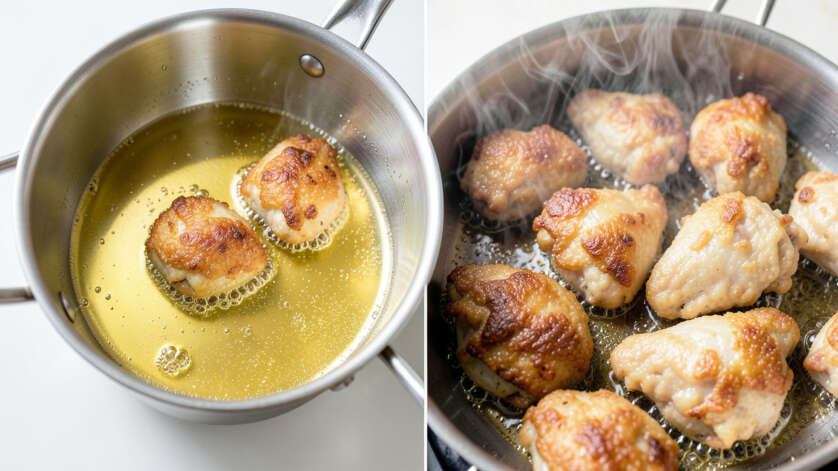
It might seem like a good idea to fry a lot of food at once to save time. However, this is a big mistake. When you add too much food to the hot oil, it dramatically lowers the oil’s temperature.
This brings us back to the problem of cool oil, which leads to greasy food.
Lowering Oil Temperature
Each piece of food you add to the oil has a cooler temperature. When you add many pieces at once, they collectively suck a lot of heat out of the oil. The oil struggles to get back up to the correct temperature.
This means your food sits in oil that is too cool for too long, soaking up all that extra oil.
Breathing Room for Crispy Food
Think of it like giving each piece of food space to “breathe” and cook properly. Fry in small batches. You can always fry more food in the next batch.
This ensures the oil temperature stays consistent and your food gets that perfect, crispy finish.
Moisture is the Enemy of Crispy
Water and hot oil do not mix well. If the food you’re frying has too much moisture on its surface, it will cause the oil to splatter violently. More importantly, this moisture can prevent the food from getting truly crispy.
The steam created can make the coating soft instead of crunchy. This is one of the key 6 Reasons Your Fried Food Turns Out Too Greasy.
Drying Your Food
Before you add any food to the fryer, make sure it’s as dry as possible. For things like chicken or vegetables, pat them thoroughly with paper towels. If you’re frying pre-made items like frozen fries, let them sit on a paper towel for a few minutes to let any surface ice melt and be absorbed.
The Role of Breadings and Batters
Even with coatings, excess moisture can be an issue. If your batter is too thin or your breading is too wet, it can steam the food rather than fry it. A good rule of thumb is to have your coating be thick enough to adhere well but not so wet that it drips off excessively.
Choosing the Right Oil Matters
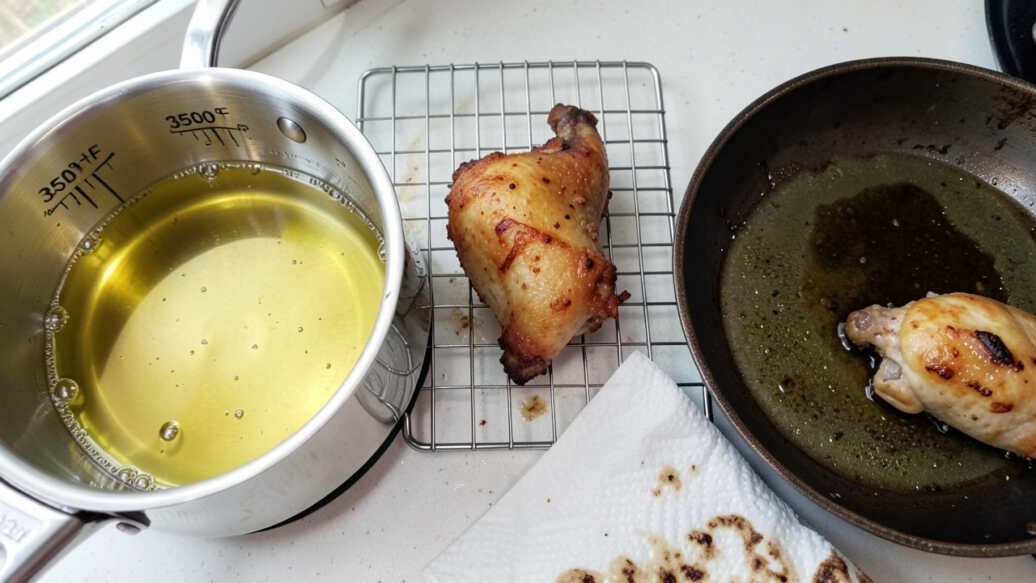
Not all oils are created equal for frying. Some oils have a low smoke point, meaning they start to smoke and break down at lower temperatures. When oil breaks down, it can impart an off-flavor to your food and become more likely to make food greasy.
Smoke Point and Stability
Oils with higher smoke points are better for deep frying. Good choices include canola oil, vegetable oil, peanut oil, and sunflower oil. These oils can handle the high temperatures needed for frying without breaking down too quickly.
Olive oil, especially extra virgin olive oil, generally has a lower smoke point and is better suited for other cooking methods.
How Oil Affects Taste
The type of oil you use can also affect the taste of your fried food. Some oils, like peanut oil, have a mild flavor that complements many fried dishes. Others might have a stronger taste that could compete with the flavor of the food itself.
For a neutral taste, canola or vegetable oil are often the best bets.

Proper Draining Technique
Once your food is perfectly fried, it needs to drain. If you just pull it out of the oil and put it on a plate, the excess oil will pool around the food, making it sit in grease. This negates all your hard work in getting it crispy in the first place.
Using a Wire Rack
The best way to drain fried food is on a wire rack placed over a baking sheet. This allows air to circulate around the food. The excess oil can drip away freely, keeping the bottom of your food from becoming soggy.
Paper towels can absorb some oil, but they can also trap steam, making the bottom of your food less crispy.
Draining Immediately
Don’t let fried food sit in the oil any longer than necessary. Remove it promptly once it’s golden brown and cooked through. Then, transfer it directly to your prepared draining station.
This immediate draining step is crucial for achieving that perfect crispiness.
Coating and Breading Techniques
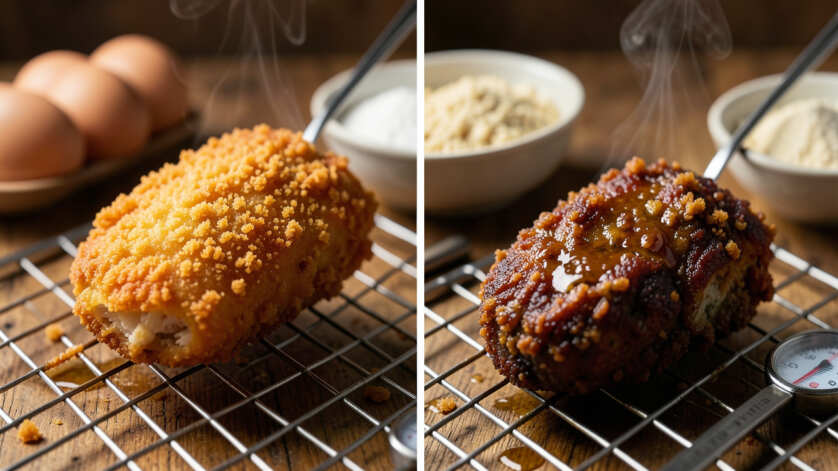
The way you coat your food plays a significant role in how greasy it turns out. A good coating creates a barrier that fries up crispy and helps keep the inside moist. A poor coating can either fall off, leaving the food exposed to too much oil, or become soggy itself.
The “Double Dip” Method
For items like chicken or fish, a common and effective method is a three-step coating: first dredge in flour, then dip in an egg wash (beaten eggs, maybe with a little milk or water), and finally coat in breadcrumbs or a seasoned flour mixture. This “double dip” with breadcrumbs ensures a substantial, crispy crust that holds up well during frying.
Seasoning Your Coatings
Don’t forget to season your flour and breadcrumbs! A little salt, pepper, paprika, garlic powder, or any of your favorite spices can make a huge difference in the flavor of your fried food. Well-seasoned coatings make the entire dish taste better and distract from any slight greasiness you might still have.
Frequently Asked Questions
Question: What is the best oil temperature for frying?
Answer: For most deep frying, the ideal oil temperature is between 325°F and 375°F (160°C to 190°C). Using a thermometer is the best way to ensure you maintain this range.
Question: Can I reuse frying oil?
Answer: Yes, you can reuse frying oil if it’s properly filtered and stored. Let the oil cool completely, then strain it through a fine-mesh sieve or cheesecloth to remove food particles. Store it in an airtight container in a cool, dark place.
Avoid reusing oil if it smells burnt or looks cloudy.
Question: Why do my breaded chicken tenders soak up oil?
Answer: This often happens if the oil temperature is too low, causing the breading to absorb oil as it cooks slowly. Also, ensure the chicken tenders are patted dry before breading, and don’t overcrowd the frying pot.
Question: How can I make homemade french fries crispy and not greasy?
Answer: Start with dry potatoes. Consider a double-fry method: fry them once at a lower temperature (around 300-325°F) until soft, then drain and let them cool. Fry them again at a higher temperature (around 375°F) until golden and crispy.
This helps make them crispy on the outside and fluffy on the inside.
Question: What happens if I fry food in a pan with too little oil?
Answer: Frying with too little oil, often called pan-frying, can still result in greasy food if the oil isn’t hot enough or if the food is not turned frequently. The food can absorb oil from the bottom and steam instead of frying evenly.
Final Thoughts
Getting your fried food right is all about a few simple things. Keep your oil at the perfect hot temperature. Don’t put too much food in the pot at once.
Make sure your food is nice and dry before it hits the oil. Use an oil that can handle the heat. Let your fried goodies drain well on a wire rack.
And use a good coating that gets nice and crispy. Follow these steps, and you’ll be making perfectly crispy, non-greasy fried food in no time. You’ve got this!

![Do Air Fryers Need Preheating Explained[1]](https://creativehouseblog.com/wp-content/uploads/2026/03/Do_Air_Fryers_Need_Preheating_Explained1-768x448.jpg)
![What Is an Espresso Machine Explained Simply[1]](https://creativehouseblog.com/wp-content/uploads/2026/03/What_Is_an_Espresso_Machine_Explained_Simply1-768x448.jpg)
![How to Clean Your Espresso Machine Simple Guide[1]](https://creativehouseblog.com/wp-content/uploads/2026/03/How_to_Clean_Your_Espresso_Machine_Simple_Guide1-768x448.jpg)
![How to Fix a Leaking Gutter Joint Without Replacing It[1]](https://creativehouseblog.com/wp-content/uploads/2026/05/How_to_Fix_a_Leaking_Gutter_Joint_Without_Replacing_It1-768x403.jpg)
![8 Benefits Of Sous Vide Cooking At Home[1]](https://creativehouseblog.com/wp-content/uploads/2026/04/8_Benefits_Of_Sous_Vide_Cooking_At_Home1-768x448.jpg)