
The most common deep fryer mistakes that make food soggy are using oil that isn't hot enough, overcrowding the fryer basket, and using wet ingredients or coatings. These errors prevent the rapid searing needed to seal the food's surface, allowing oil to soak in instead of creating a crisp exterior. For consistently crispy results, always preheat oil to the proper temperature and fry in small batches to maintain heat.
Making crispy, golden fried food can be tricky, and sometimes it comes out a little soggy. Don’t worry, it happens to everyone starting out! There are a few common oopsies that lead to 7 Deep Fryer Mistakes That Make Food Soggy.
We’ll show you exactly how to fix these simple problems, step by step, so your fried treats are perfect every time. Get ready to learn the easy ways to get that satisfying crunch.
Key Takeaways
- You’ll learn why oil temperature is super important for crispy results.
- Discover how too much food at once can ruin your fry.
- Find out why the right coating makes a big difference.
- Understand how to properly drain your fried food.
- Learn how to store and reheat fried foods for crispiness.
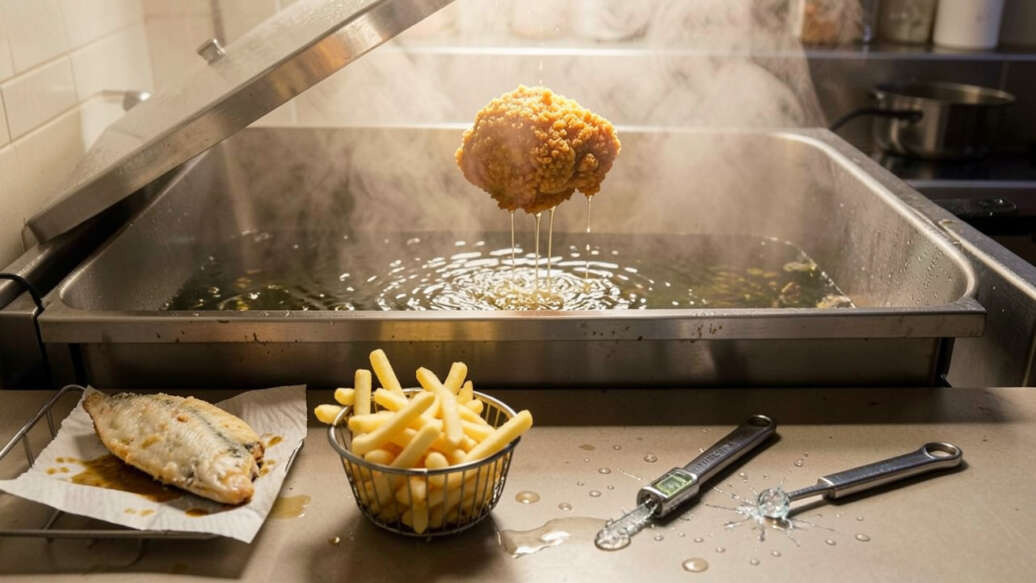
Why Food Gets Soggy When Deep Frying
Deep frying food seems simple, right? You just put it in hot oil and wait. But there are little things that can go wrong, and suddenly your yummy chicken or fries are less crunchy and more.
well, soft. This happens because of a few common slip-ups that beginners often make. When food gets soggy, it means it didn’t get hot enough on the inside fast enough, or it soaked up too much oil instead of getting crispy.
We’re going to look at the main reasons this happens and how to fix them easily.
Mistake 1: Oil Not Hot Enough
The Golden Rule of Frying
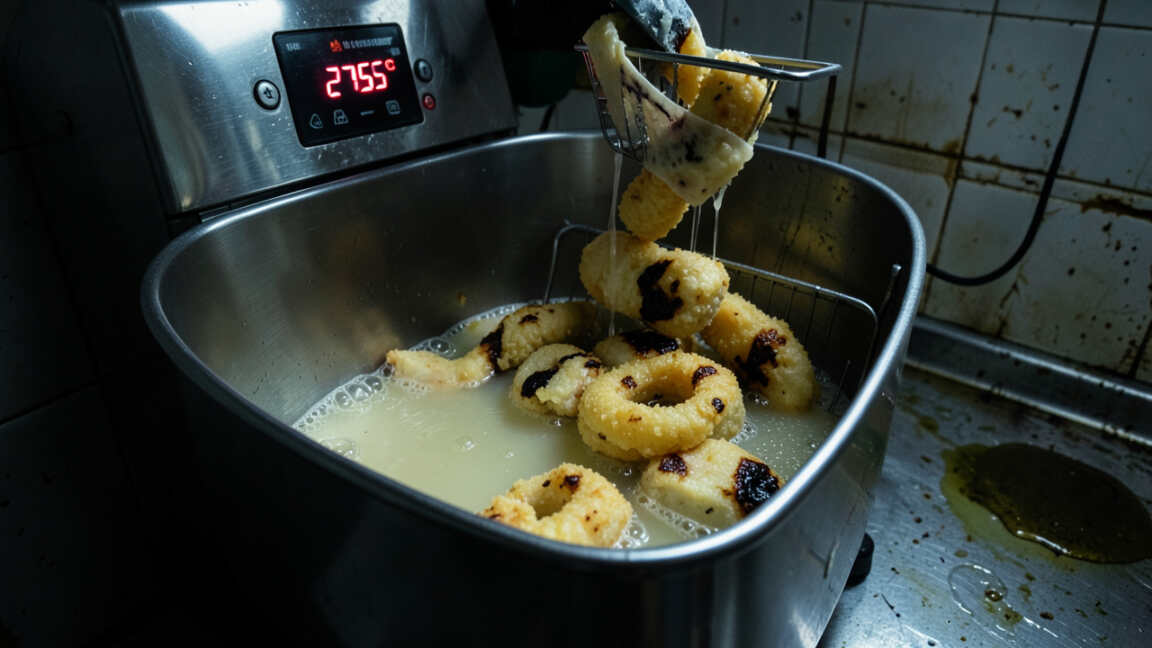
The number one reason for soggy fried food is oil that isn’t hot enough. When you put food into oil that’s too cool, the food starts to absorb the oil before it can seal up and get crispy. It’s like trying to toast bread in a warm oven instead of a hot one; it just gets warm and a bit chewy, not toasted.
For perfect frying, your oil needs to be at the right temperature. This lets the outside cook and crisp up super fast, locking in moisture and flavor.
Finding the Right Heat
Most deep frying happens between 325°F (160°C) and 375°F (190°C). The exact temperature depends on what you’re frying. For example, french fries do best around 350°F (175°C), while battered chicken might need a bit hotter.
Using a thermometer is your best friend here. Don’t guess! A good instant-read thermometer or a clip-on fryer thermometer will tell you for sure if your oil is ready.
Mistake 2: Overcrowding the Fryer
Don’t Stuff It In!
Another common mistake is putting too much food into the deep fryer at once. When you add a lot of cold food to the hot oil, it drops the oil’s temperature way down. This is the same problem as Mistake 1, but now it’s happening because you added too much.
The oil can’t stay hot enough to fry everything properly, leading to soggy, greasy food. It’s tempting to cook more at once, but it’s not worth the soggy outcome.
Fry in Batches
The solution is simple: fry in small batches. Only add enough food so that it’s in a single layer and has some space around it. This allows the oil to keep its heat consistent.
You might have to fry a little longer overall, but each batch will be much crispier and tastier. Think of it as giving each piece of food its own space to shine and get perfectly golden.
Mistake 3: Wet Ingredients or Coatings
Moisture is the Enemy of Crispiness
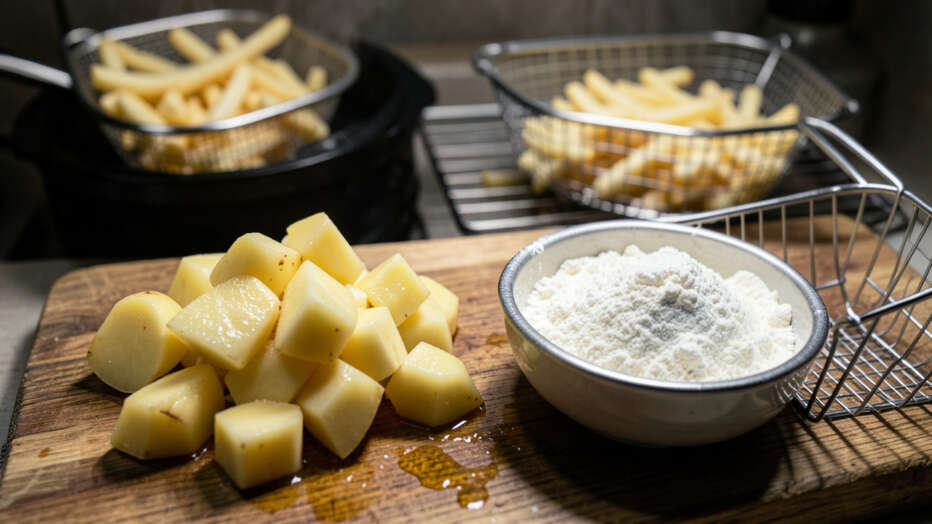
Water is the enemy of crispy fried food. If your ingredients or your coating have too much moisture, they will steam in the hot oil instead of frying. Steam makes things soft and sad.
This can happen if you don’t dry your food enough after washing it, or if your batter is too thin. Even condensation on the outside of your food can cause problems. When water hits hot oil, it also splatters, which is dangerous.
Dry Them Off First
Always pat your food dry with paper towels before you coat it or put it in the fryer. For batters, make sure they are the right thickness. A good batter should coat the food without dripping off too much.
If you’re frying things like vegetables or meats that you’ve marinated, make sure they aren’t dripping wet before they go into the coating. A dry surface helps the coating stick better and fry up crispier.
Mistake 4: Incorrect Coating Technique
The Coating Matters
The type of coating you use and how you apply it makes a huge difference in how crispy your food gets. Some coatings are better at creating a crunchy shell than others. Also, how you apply the coating is important.
If the coating isn’t sticking well, it can fall off or not protect the food from absorbing oil.
Double Coating for Extra Crunch
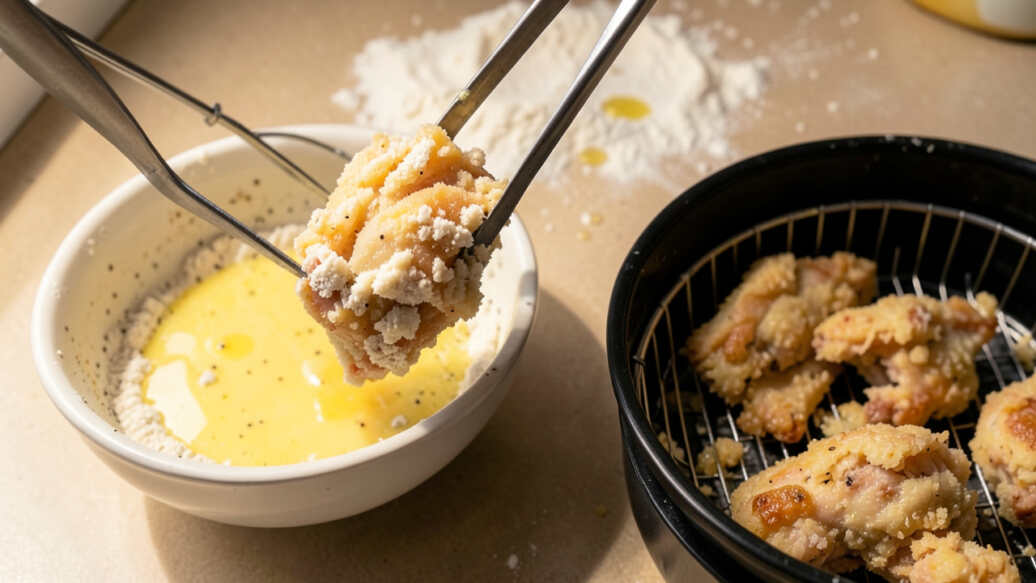
For maximum crispiness, consider a double coating. This usually involves dipping food in flour, then an egg wash, and then breadcrumbs or a seasoned flour mix. The flour helps the egg stick, and the egg helps the breadcrumbs stick.
Some people even do a second dip in egg and breadcrumbs for an extra thick, super crispy crust. Make sure the coating is even and covers all parts of the food.
Mistake 5: Not Draining Properly
The Drip Factor
Once your food is beautifully fried and golden, it’s not quite done yet. If you pull it straight from the hot oil and put it on a plate, it will continue to cook in its own hot oil, and excess oil will pool at the bottom, making the underside soggy. This is a very common issue that can ruin an otherwise perfectly fried piece of food.
Use a Wire Rack
The best way to drain fried food is to place it on a wire rack set over a baking sheet. This allows air to circulate all around the food, so the steam and excess oil can escape, keeping the entire piece crispy. Paper towels can work in a pinch, but they tend to trap moisture.
A wire rack is the professional secret for maintaining that delicious crunch.
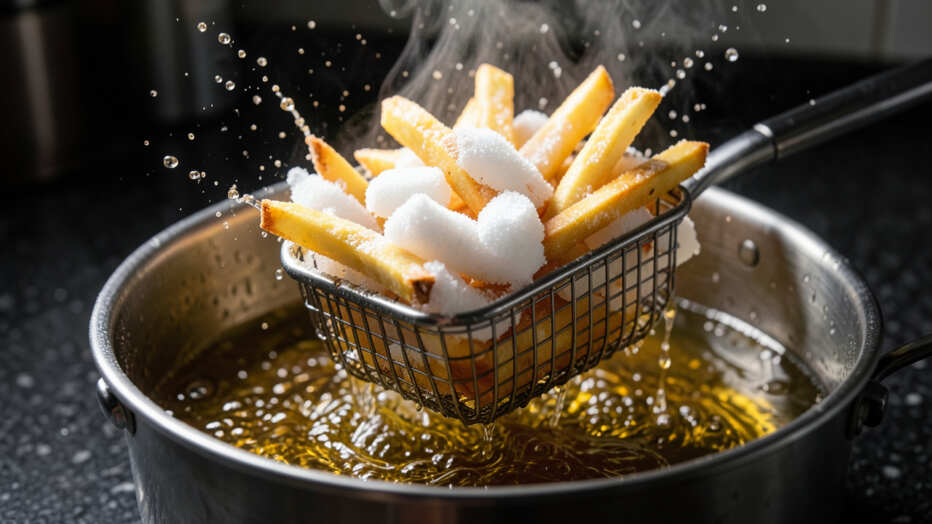
Mistake 6: Frying Food That’s Too Cold or Frozen
Temperature Shock
Putting very cold or frozen food directly into hot oil can cause a few problems. Firstly, it drastically lowers the oil temperature, leading to soggy food (you know the drill!). Secondly, the outside of the food might cook too quickly before the inside is heated through.
This can result in a burnt exterior and a still-cold, soggy interior. For items like french fries, a two-stage frying process is often best.
The Two-Stage Fry
For things like french fries or onion rings, a two-stage frying method works wonders. First, fry the food at a lower temperature (around 300-325°F or 150-160°C) for a few minutes until it’s cooked through but not yet browned. Remove it and let it rest.
Then, just before serving, fry it again at a higher temperature (around 375°F or 190°C) for a minute or two until it’s golden brown and super crispy. This ensures the inside is cooked and fluffy, and the outside is perfectly crisp.

Mistake 7: Not Letting Oil Reheat Between Batches
Patience is Key
We’ve talked about not overcrowding the fryer. Another part of that is making sure the oil has enough time to get back up to temperature between batches. When you remove a batch of food, the oil is always cooler than it was before.
If you immediately add the next batch without waiting, you’re repeating the mistake of frying in oil that’s too cool. This is a critical step that many people overlook.
Use Your Thermometer
Make it a habit to check your oil temperature after removing a batch and before adding the next. Let the oil heat back up to your target frying temperature. This might mean waiting a minute or two, but that small wait will pay off with consistently crispy results.
This is especially important if you are frying multiple batches in a row for a larger meal or party.
Frequently Asked Questions
Question: How do I know when my oil is hot enough?
Answer: The best way is to use a thermometer. You can get clip-on fryer thermometers or instant-read thermometers. Most frying needs oil between 325°F and 375°F (160°C to 190°C).
Question: Can I reuse deep fryer oil?
Answer: Yes, you can usually reuse deep fryer oil if it’s kept clean. Let it cool completely, strain out any food bits, and store it in an airtight container in a cool, dark place. It’s best to use it within a few weeks.
Question: Why does my fried chicken taste oily?
Answer: This often happens if the oil temperature was too low, or if you didn’t drain the chicken properly on a wire rack. It can also happen if you crowded the fryer, causing the oil temp to drop too much.
Question: What’s the best way to get a really crispy coating?
Answer: Make sure your food is dry before coating. Use a good coating recipe, and consider a double-dip method (flour, egg, breadcrumbs, then egg again, then breadcrumbs). Fry at the correct oil temperature and drain on a wire rack.
Question: Should I use a lid on my deep fryer?
Answer: Generally, no. You want steam to escape to keep food crispy. Lids are usually only used for storage or to help cool oil down faster when you’re done frying.
For safety, never cover hot oil.
Final Thoughts
Avoiding soggy fried food is all about paying attention to a few key details. You learned that keeping your oil at the right temperature is super important. Not overcrowding your fryer and letting the oil reheat between batches are also big helpers.
Drying your ingredients well and using a good coating technique makes a big difference. Finally, draining your food on a wire rack helps it stay crispy. Follow these simple tips, and you’ll be enjoying perfectly crunchy fried food every time.

![8 Benefits Of Food Dehydration For Storage[1]](https://creativehouseblog.com/wp-content/uploads/2026/04/8_Benefits_Of_Food_Dehydration_For_Storage1-768x448.jpg)
![6 Reasons Your Sandwich Isn’T Getting Crispy[1]](https://creativehouseblog.com/wp-content/uploads/2026/04/6_Reasons_Your_Sandwich_IsnT_Getting_Crispy1-768x448.jpg)
![8 Ways To Improve Your Home Espresso Taste[1]](https://creativehouseblog.com/wp-content/uploads/2026/04/8_Ways_To_Improve_Your_Home_Espresso_Taste1-768x448.jpg)
![How to Find Cold Air Leaks Before Winter Arrives[1]](https://creativehouseblog.com/wp-content/uploads/2026/05/How_to_Find_Cold_Air_Leaks_Before_Winter_Arrives1-768x403.jpg)
![How to Seal Gaps Around Doors Before Cold Weather Arrives[1]](https://creativehouseblog.com/wp-content/uploads/2026/05/How_to_Seal_Gaps_Around_Doors_Before_Cold_Weather_Arrives1-768x403.jpg)
![How Coffee Makers Brew Coffee Explained Simply[1]](https://creativehouseblog.com/wp-content/uploads/2026/03/How_Coffee_Makers_Brew_Coffee_Explained_Simply1-1-768x448.jpg)