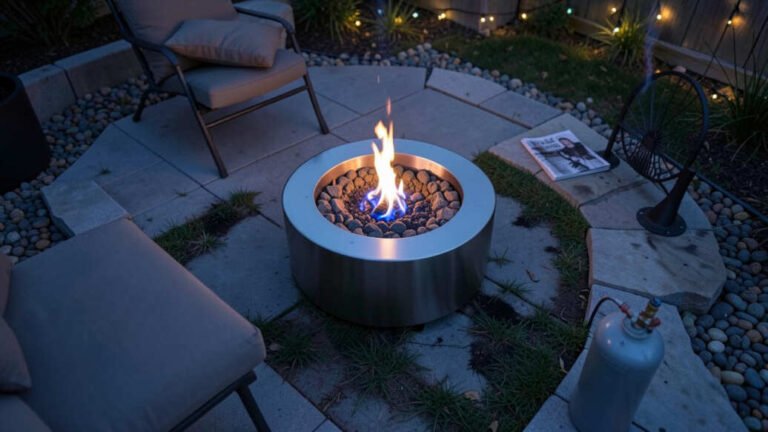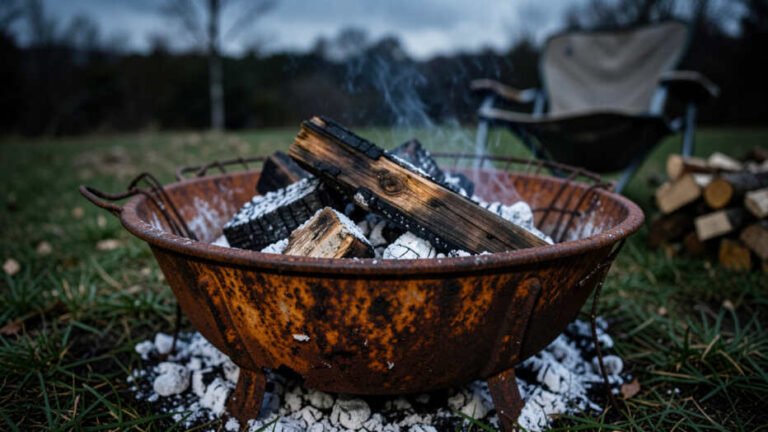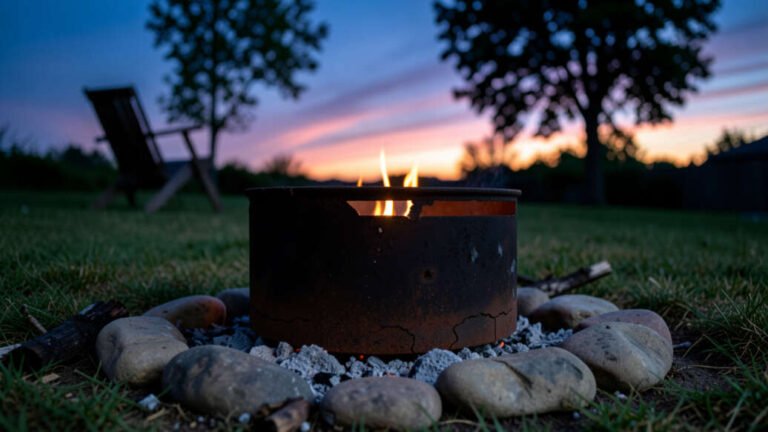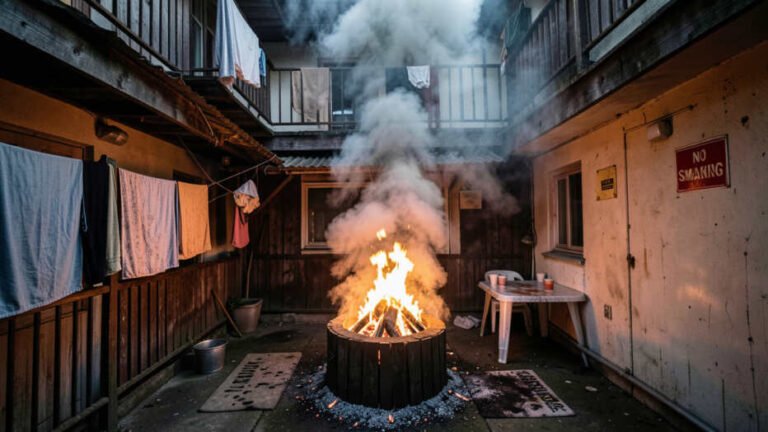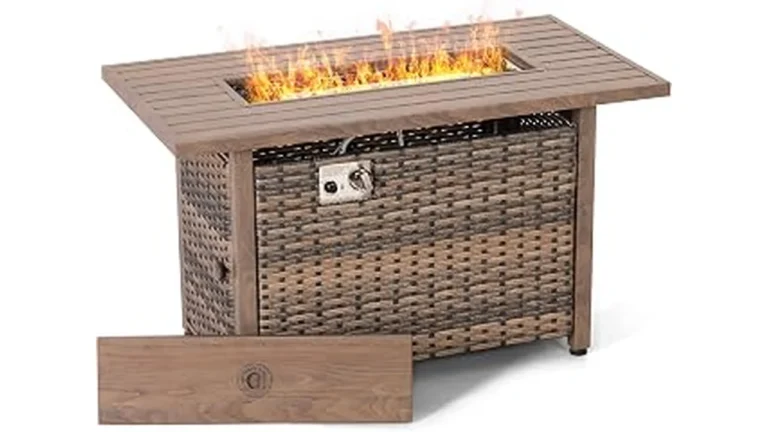
Before buying a wood-burning fire pit, the five critical factors to evaluate are local burn laws and HOA restrictions, material and build quality (steel offers the best balance), size and placement with 10 to 20 feet of clearance, airflow design for smoke reduction, and safety accessories like a spark screen. Prioritizing a double-wall fire pit with secondary combustion minimizes smoke, while steel or copper construction ensures longevity. Ignoring these checks can lead to fines, rust, or fire hazards, so verify each point before purchase.
A wood-burning fire pit adds warmth and beauty to any backyard. But buying the wrong one can lead to fines, poor performance, or even a dangerous fire.
This guide covers the five things you must check before you buy a wood-burning fire pit. Use it to make a smart choice the first time.
Quick Verdict: In short, buying a wood-burning fire pit requires checking local burn laws, choosing the right material (steel, cast iron, or copper), matching the size to your space, ensuring good airflow for less smoke, and prioritizing safety features like a spark screen. Ignoring these steps can result in fines, rust, or a fire hazard.
Key Takeaways
- Check your local city and county fire codes and HOA covenants before purchasing any fire pit.
- Steel fire pits offer the best balance of durability and price, while copper provides longevity at a higher cost.
- Place your fire pit at least 10 to 20 feet away from all structures, trees, and property lines to meet safety codes.
- Double-wall fire pits with secondary combustion reduce smoke output significantly compared to basic single-wall models.
- A spark screen is a non-negotiable safety feature that prevents flying embers from causing accidental fires.
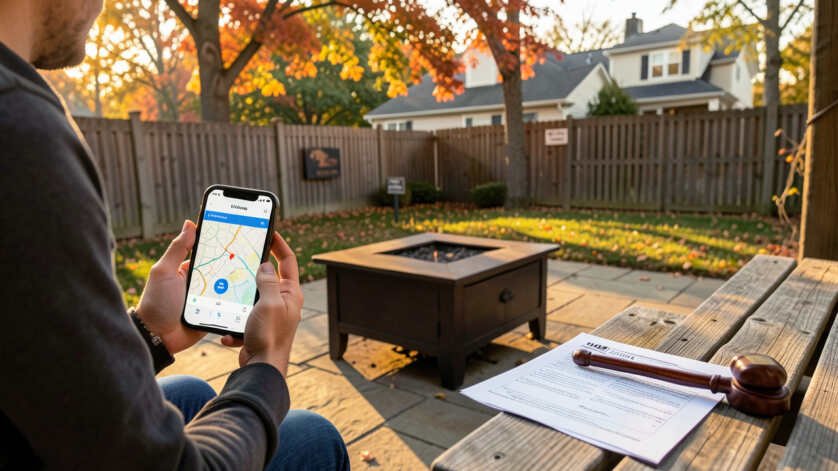
1 – Check Local Laws and HOA Rules
The first check is not about the fire pit itself. It is about whether you can legally use one where you live. Many cities require a permit for open burning. Some counties ban wood-burning fire pits during summer months or drought conditions.
According to the, outdoor fires cause hundreds of millions of dollars in property damage each year. Local fire departments enforce strict rules to prevent these incidents. You should call your local fire department non-emergency line to ask about burn bans and fire pit regulations.
Your Homeowners Association (HOA) may have extra rules. Many HOAs ban any open flame on patios or balconies. Others limit fire pit sizes or require specific setbacks. A quick review of your HOA covenants can save you a fine later.
Warning: Do not assume a fire pit is legal just because a store sells it. Local laws often override product availability. Always verify with your local authorities.
Air quality management districts also play a role. Some regions restrict wood burning on days with poor air quality. Check with your local air quality management agency for seasonal restrictions.
2 – Examine the Material and Build Quality
The material determines how long your fire pit lasts. The most common options are steel, cast iron, copper, and stone. Each material offers different benefits for your wood-burning fire pit.
| Material | Durability | Rust Resistance | Typical Price Range |
|---|---|---|---|
| Steel | High | Moderate | $100 – $400 |
| Cast Iron | Very High | High | $150 – $600 |
| Copper | Extremely High | Excellent | $400 – $1,200+ |
| Stone/Concrete | Very High | Poor | $200 – $800 |
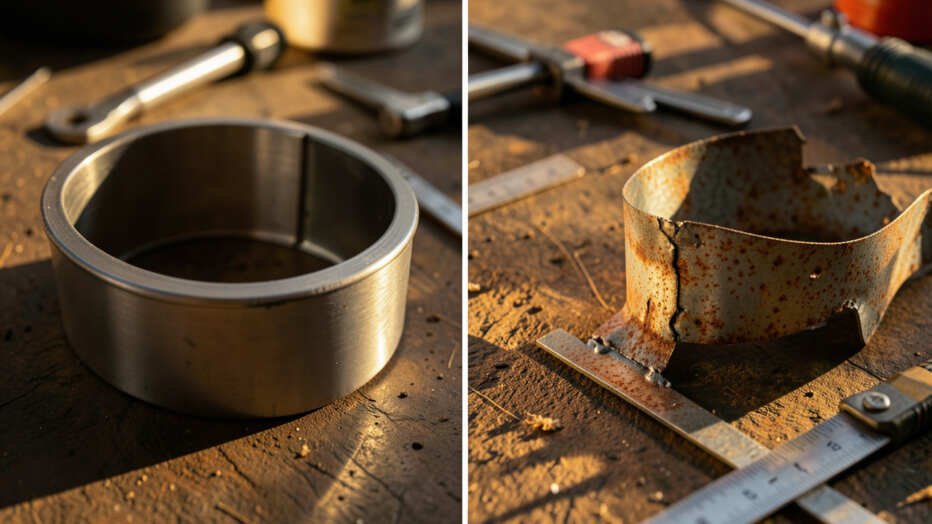
The thickness of the metal matters a lot. A 14-gauge steel bowl resists rust and warping much longer than a 16-gauge bowl. Check the welding quality. Continuous welds are better than spot welds. Look for a fire pit with a protective coating if you live in a rainy climate.
Options include powder coating, high-heat paint, or natural patina finishes like corten steel. Corten steel weathers into a rust-like finish that actually protects the metal from further corrosion.
3 – Understand the Fire Pit Size and Placement
Size matters for both safety and comfort. A fire pit that is too large overwhelms a small patio. A pit that is too small may not provide enough heat for your seating area.
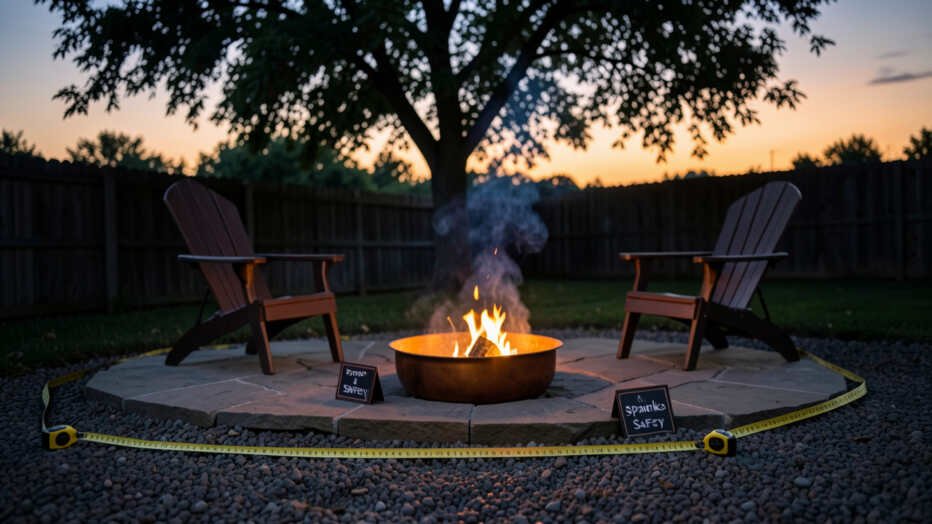
The standard diameter for a home fire pit is between 24 and 48 inches. A good rule is to leave at least 2 feet of space between the pit and your chair. This allows people to sit comfortably without feeling too hot.
The states that outdoor fire pits must be at least 10 feet from a structure. Many local codes require 15 to 20 feet from fences, sheds, and property lines. You should also check for overhead hazards. Do not place a fire pit under low-hanging trees or power lines.
Tip: Place your fire pit on a non-flammable surface like stone, brick, gravel, or concrete. Do not put it directly on grass or wooden decks.
Think about the seating arrangement. People should be able to see over the fire to talk to each other. A lower fire pit works well for low-profile outdoor furniture. A taller chiminea or tabletop fire pit works better for standard table settings.
4 – Look at Airflow and Smoke Management
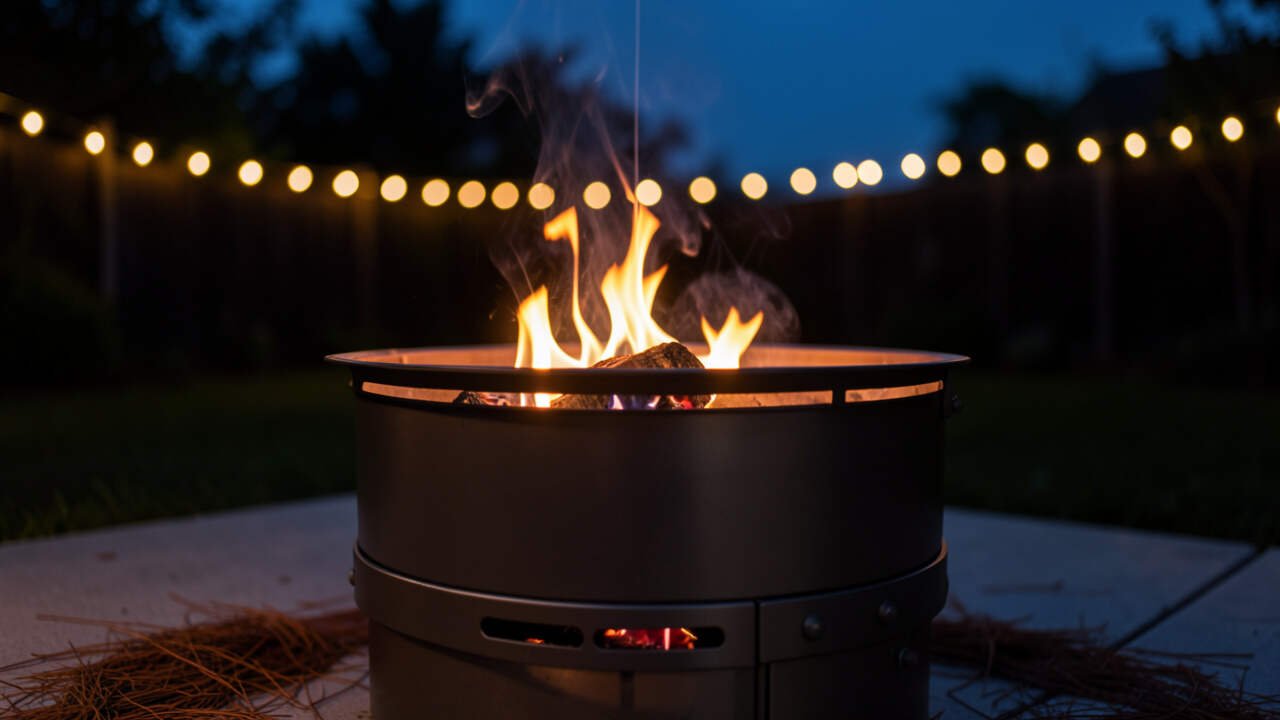
Smoke is the biggest complaint about wood fire pits. The amount of smoke depends on how well the fire pit manages airflow. Basic fire pits have a single-wall bowl. Air enters only from the top. This leads to incomplete combustion and more smoke.
Modern designs use a double-wall system. Air flows through the inner wall, gets heated, and then vents back into the burn chamber. This secondary combustion burns the smoke itself. It reduces visible smoke by up to 80 percent.
Brands like Solo Stove and Breeo specialize in this smokeless design. The process is called “secondary combustion.” It requires very dry firewood to work well. Wet or green wood produces more smoke in any fire pit.
According to the, burning dry, seasoned wood can reduce smoke emissions from outdoor fires significantly. The EPA recommends using wood with a moisture content below 20 percent.
Some smokeless fire pits use a gasifier design. These models create a vortex of air that burns the smoke before it leaves the pit. This design is becoming common in modern portable fire pits. If you want less smoke, look for a model with a visible secondary air manifold around the top rim.
5 – Review Safety Features and Accessories
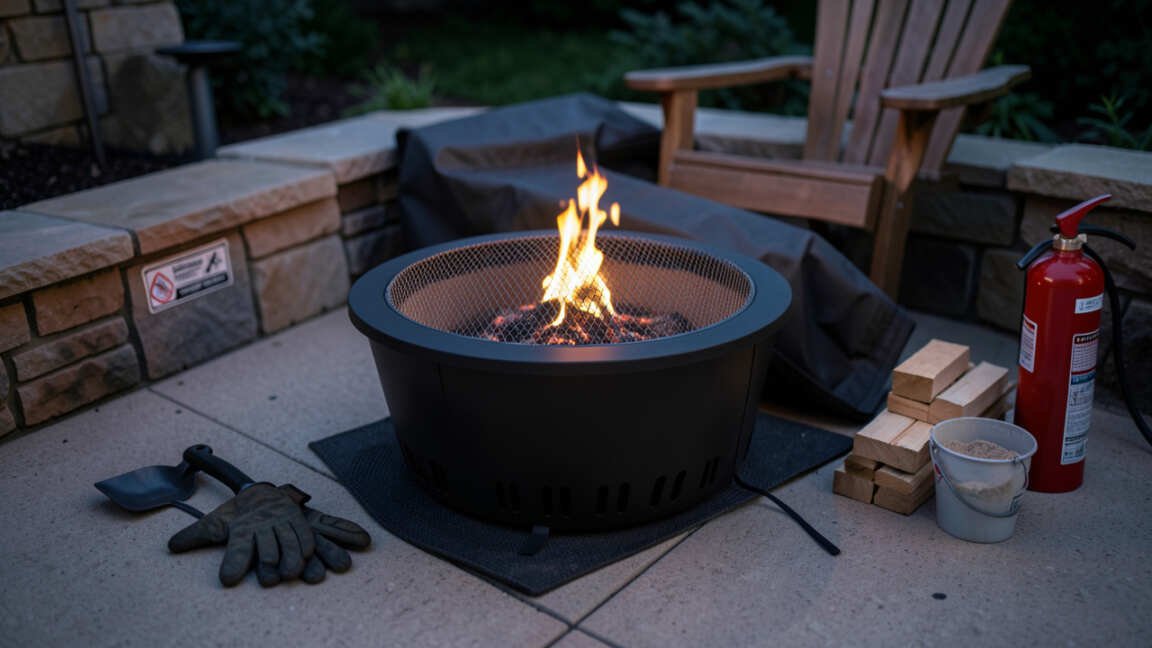
A fire pit is a heat source that can cause burns and fires. A good fire pit includes basic safety features. The most important is a spark screen. This is a metal mesh cover that prevents embers from flying out.
Other safety features to look for include:
- A sturdy base that does not tip over easily. The base should be at least as wide as the burn bowl.
- Heat-resistant handles or tools to adjust logs safely.
- An ash pan for easy cleanup. Ash can trap heat and start fires if not removed properly.
- A weather cover to keep rain and debris out when not in use.
- Mesh size on the spark screen. Smaller holes catch more embers but may limit airflow.
The reports that fire pits and outdoor heaters are involved in an estimated 5,900 injuries annually. A quality spark screen and stable base can prevent many of these injuries.
Warning: Never use accelerants like gasoline or lighter fluid in a wood-burning fire pit. These create uncontrollable flames and violate basic safety guidelines.
Consider purchasing an accessory kit. Many manufacturers offer a set that includes a weather cover, a poker, a pair of gloves, and a log rack. These accessories make using and maintaining your fire pit much easier.
Common Myths vs Facts About Wood Fire Pits
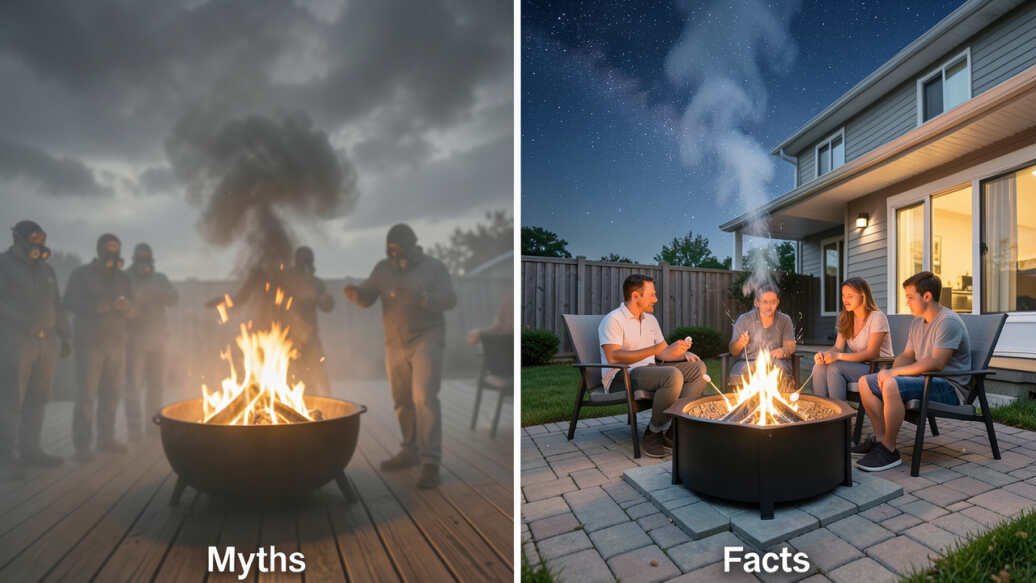
There are many misconceptions about wood-burning fire pits. Here are the most common ones.
- Myth: All fire pits are legal to use anywhere. Fact: Many cities and counties have strict burn bans or require specific permits for open burning. Always check local laws first.
- Myth: Smokeless fire pits emit zero smoke. Fact: They reduce smoke by burning wood more completely, but they still produce some smoke, especially during startup or with wet wood.
- Myth: You can place a fire pit on any surface. Fact: Placing a fire pit directly on grass or a wooden deck can cause serious fire damage. Always use a non-flammable base like gravel, stone, or brick.
Frequently Asked Questions
What is the best material for a wood-burning fire pit?
Steel is the best material for most people because it offers high durability at a reasonable price. Copper is a premium option that lasts the longest and develops an attractive patina over time.
How far should a fire pit be from a house?
The International Residential Code recommends a minimum distance of 10 feet from a house. However, many local codes require 15 to 20 feet. Always check your specific local regulations.
Do I need a permit for a wood-burning fire pit?
In many areas, yes. A permit is commonly required for any outdoor structure that uses an open flame. Contact your local fire department or building department to confirm the requirements in your area.
What is a smokeless fire pit?
A smokeless fire pit uses a double-wall design to inject heated air into the fire. This creates secondary combustion that burns the smoke, reducing emissions significantly compared to traditional fire pits.
Can I use a wood fire pit in my backyard?
It depends on your local ordinances. Many suburban and rural areas allow wood-burning fire pits as long as they meet clearance requirements. Dense urban areas often ban them entirely due to air quality concerns.
Final Thoughts
Buying a wood-burning fire pit is an investment in your outdoor space. The five checks in this guide will help you avoid common mistakes. Start with local laws, choose the right material, and prioritize safety features. A well-chosen fire pit will provide warmth and enjoyment for years to come.