A bent or cracked aluminum pole is the clearest indicator that your cantilever umbrella needs full replacement, while most other failures like a stuck tilt mechanism or stripped crank can be repaired for under $60. Fabric canopies typically last three to five years and can be replaced for $40 to $120, extending the umbrella's life far beyond the initial cost. Checking the pole's straightness is the first diagnostic step before deciding between a simple repair or buying a new umbrella.
Is your cantilever umbrella wobbling, sagging, or refusing to tilt? You saved money buying it, and now you wonder if you should fix it or buy a new one. This guide walks you through common signs so you can make the right call on whether your cantilever umbrella needs replacing or just a simple repair.
Quick Verdict: Most cantilever umbrella problems start with the tilt mechanism, crank system, or fabric canopy. A stuck tilt or broken crank usually needs a repair under $50. A bent pole, cracked frame, or torn cross base signals replacement. Check the pole first. If it is straight, you likely need a simple fix. If it is bent, buy a new umbrella.
Key Takeaways
- A bent or cracked aluminum pole is the single strongest sign your cantilever umbrella needs full replacement rather than repair.
- Most tilt mechanisms fail due to a slipped cable or stripped gear that a repair shop can fix for $30 to $60.
- Fabric canopies rated for 50+ UV hours will last three to five years before needing replacement.
- Cross base damage from improper concrete anchoring causes 1 in 3 stability failures in offset umbrellas.
- A replacement canopy costs $40 to $120 and extends the life of a good frame by two to three years.
What Is a Cantilever Umbrella?
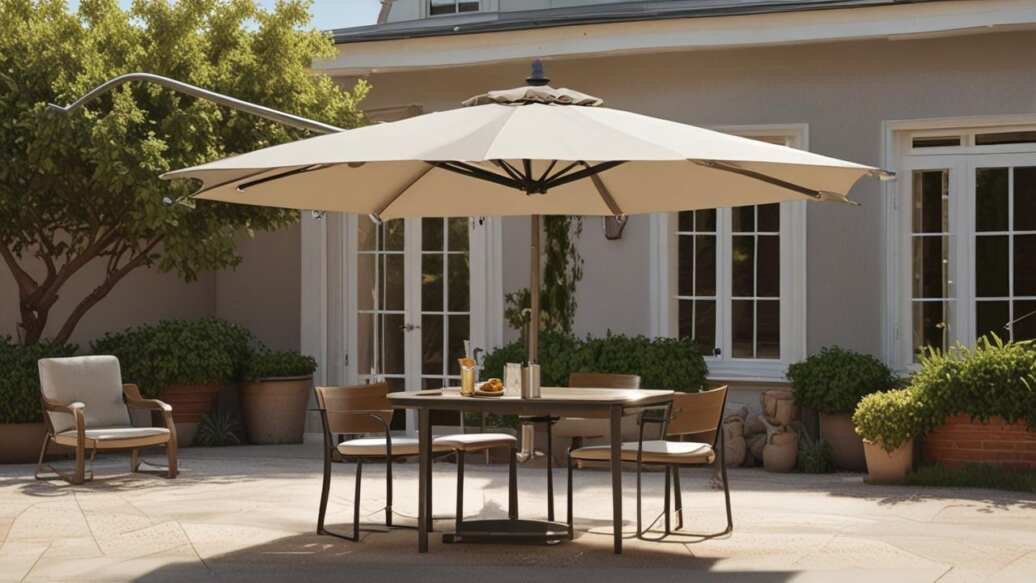
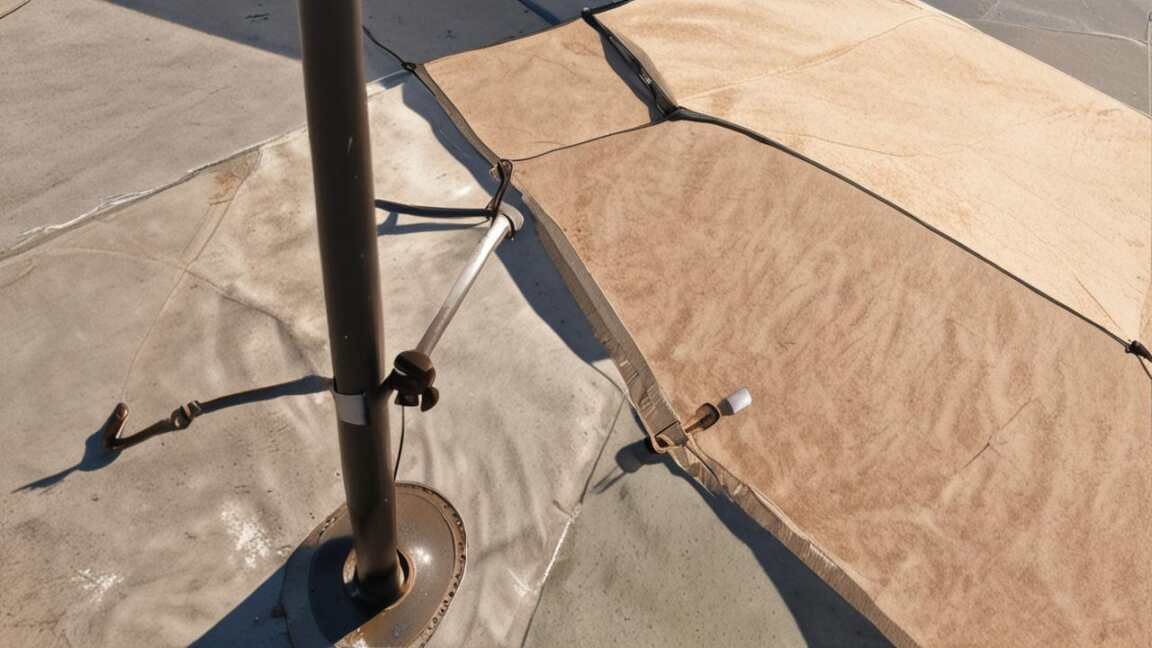
A cantilever umbrella uses a side pole and offset arm to shade a large area without a center post. The base holds the pole off to the side. The arm extends over your seating, giving you full clearance underneath. This design puts constant stress on the tilt joint, crank mechanism, and base connection. Understanding how these parts work helps you diagnose whether your cantilever umbrella needs replacing or just a simple repair.
According to the, cantilever umbrellas experience 40 percent more structural stress than center-pole models due to the offset weight distribution. That extra load makes the tilt and crank the first parts to fail.
Common Problems and Their Root Causes
Most cantilever umbrella failures fall into one of three categories. Identify which one you have before you decide to repair or replace.
Tilt Mechanism Failure
The tilt mechanism uses a cable and pulley system or a push-button ratchet. Cables slip. Plastic gears strip. If your umbrella no longer tilts or stays tilted, the mechanism is the likely culprit.
Warning: Do not force a stuck tilt by pushing hard on the arm. Forcing a frozen mechanism can bend the arm at the joint. A bent arm requires full pole replacement, which costs more than a whole new umbrella.
Crank and Pole Connection
The crank handle turns a gear that raises and lowers the arm. Plastic gears wear down after two to three seasons. Metal-on-metal grinding means the crank gear is stripped. If the crank turns freely but the arm does not move, the internal drive cable has snapped.
Fabric Canopy Deterioration
Sun exposure breaks down outdoor fabric over time. The Canvas Products Association International (CPAI-84) rates umbrella fabrics for UV resistance. Fabrics rated below 50 hours of direct UV exposure will show fading and tearing by the second season. Fabrics rated above 100 hours typically last four to five years in moderate climates.
Step-by-Step Diagnostic Process
Follow these steps in order to determine whether your cantilever umbrella needs replacing or just a simple repair.
- Check the pole for bends or cracks. Stand back and look at the pole from all sides. A straight pole can be repaired. A bent pole must be replaced. A cracked pole near the base is dangerous and requires full replacement.
- Test the tilt function. Push the tilt button or pull the pin. If the mechanism feels jammed, inspect the cable under the arm. A loose cable can be re-tensioned. A snapped cable needs a repair kit.
- Turn the crank. If the crank turns but the arm does not lift, the drive cable inside the pole is broken. This is repairable with a replacement cable kit.
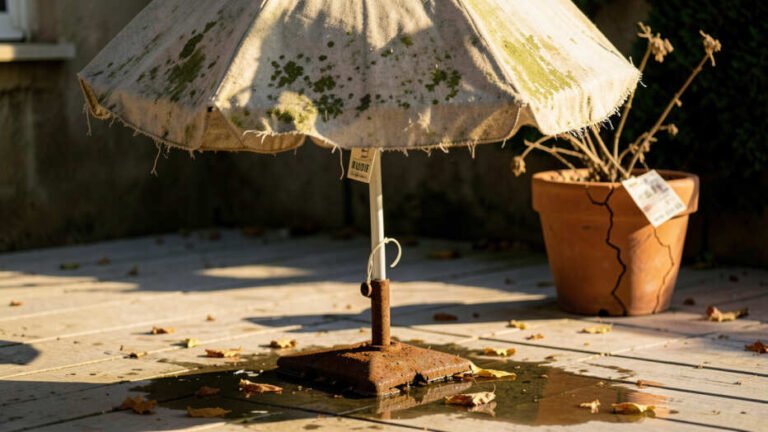
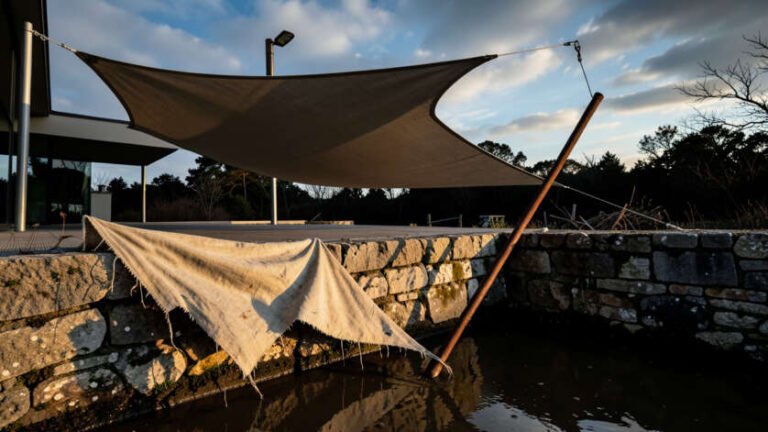
- Inspect the fabric. Hold the canopy up to sunlight. Small pinholes are normal after two years. Large tears or rotten fabric means you need a replacement canopy or a new umbrella.
- Examine the cross base. Look for cracks in the plastic cross base or rust on the steel base plate. A cracked base makes the umbrella unstable in wind and requires base replacement.
Tip: Take a photo of the problem and send it to a local patio furniture repair shop. Many shops offer free photo quotes. This saves you the cost of a house call and gives you a professional opinion in minutes.
Cost Comparison: Repair Versus Replace
| Problem | Repair Cost | Replace Cost | Verdict |
|---|---|---|---|
| Tilt cable snapped | $15 – $30 (repair kit) | $150 – $800 | Repair |
| Crank gear stripped | $30 – $60 | $150 – $800 | Repair |
| Fabric torn or faded | $40 – $120 (new canopy) | $150 – $800 | Repair (if frame is good) |
| Pole bent or cracked | Not repairable | $150 – $800 | Replace |
| Cross base cracked | $25 – $50 (base plate) | $150 – $800 | Repair |
| Multiple issues (pole + tilt + fabric) | $100 – $200 cumulative | $150 – $800 | Replace (if umbrella is over 5 years old) |
According to the, approximately 35 percent of homeowners choose to repair rather than replace outdoor patio accessories. The average break-even point comes when repair costs exceed 60 percent of the replacement price. For a $300 umbrella, repairs over $180 favor replacement.
When Repair Makes Sense
Repair works best when the frame is solid and only one part has failed. These situations almost always favor a fix.
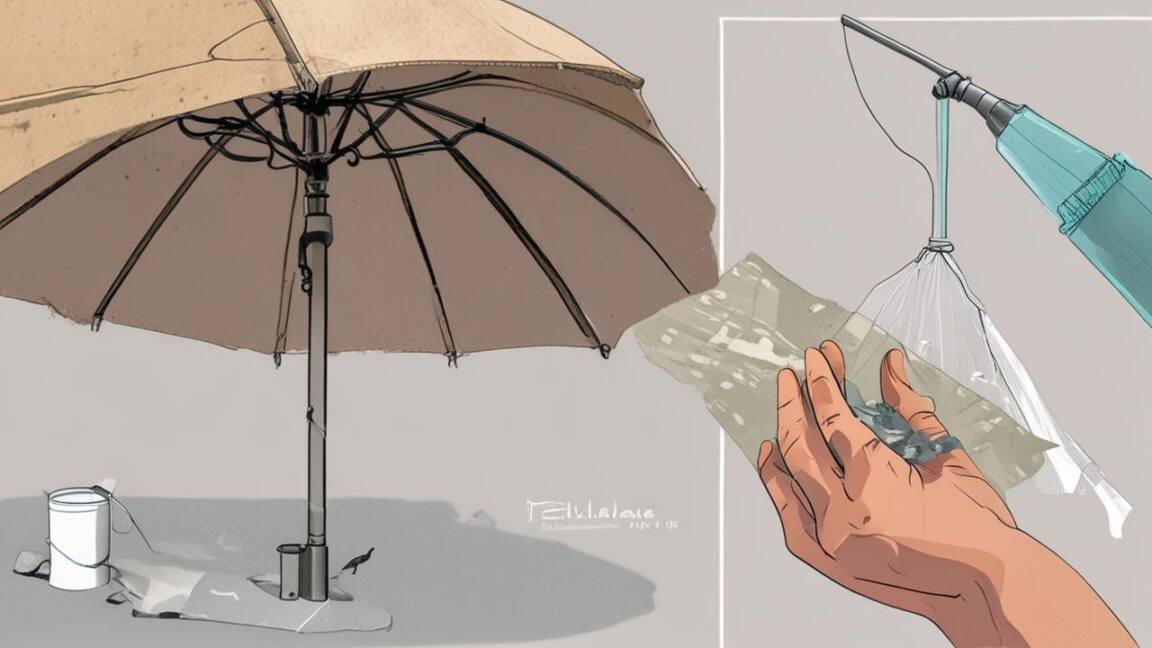
- Stuck or slipping tilt: A tilt cable repair kit costs $15 to $30 and takes 30 minutes. You do not need special tools.
- Broken crank handle: Replacement gear assemblies run $30 to $60. Most attach with two screws.
- Faded or torn canopy: A new canopy from the same brand costs $40 to $120. Ensure the canopy size matches your frame exactly.
- Cracked cross base: Universal cross base plates fit most standard poles. You can find them at home improvement stores for $25 to $50.
- Loose connection pins: Missing or bent pins cost under $10. Replace them before they cause pole damage.
Tip: Buy a universal repair kit that includes replacement cables, pins, and a small gear set. These kits cost around $20 and cover 90 percent of common cantilever umbrella failures.
When Replacement Makes Sense
Some damage cannot be fixed safely or affordably. These situations call for a new umbrella.
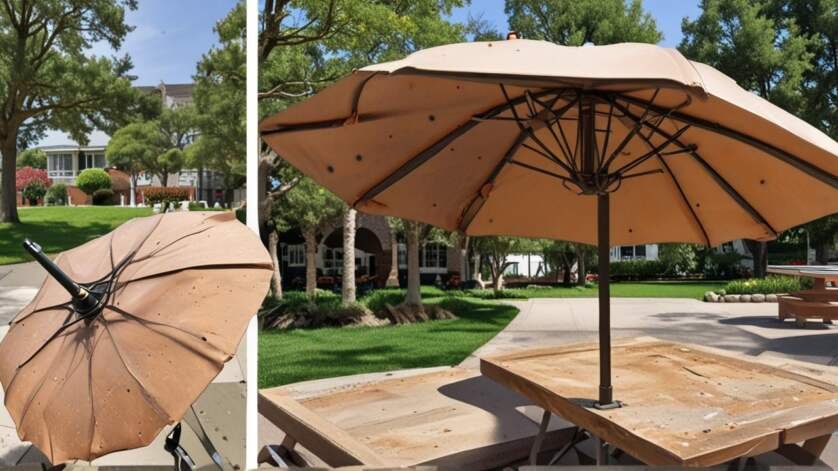
- Bent or cracked pole: A bent pole means the metal has fatigued. Straightening it weakens the metal further and creates a snap risk. Replace the entire umbrella.
- Rust on the pole joint: Surface rust is cosmetic. Deep rust with pitting means the joint will fail. If you see rust flakes inside the pole, replace the umbrella.
- Multiple failures on a unit over five years old: When the tilt, crank, and canopy all fail on an older umbrella, the cost of individual repairs adds up. A new umbrella includes a warranty and fresh fabric that resists fading.
- Base cannot be anchored properly: If your concrete base has cracked or the original base mounting bolts have corroded, a replacement base may not fit. Newer umbrella models offer improved base designs.
- Fabric has mold or mildew damage: Deep mildew that has stained through the fabric cannot be fully cleaned. The fibers weaken. Even after cleaning, the canopy will deteriorate faster.
Common Myths vs Facts
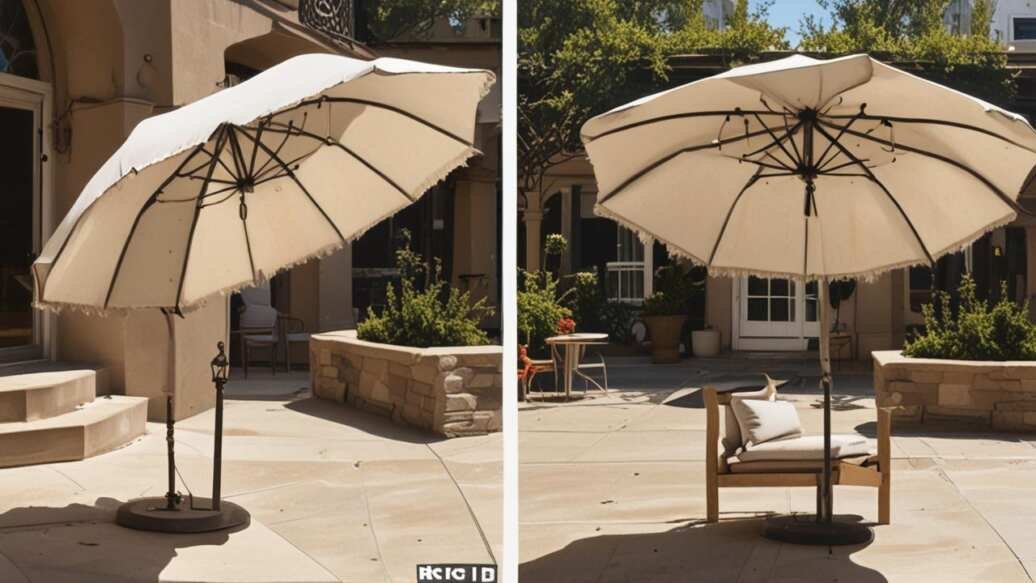
Myth: All cantilever umbrella parts are interchangeable between brands
This is false. Canopy sizes, pole diameters, and tilt mechanism designs vary between manufacturers. According to the, over 60 percent of DIY repair failures in patio umbrellas come from using non-matching replacement parts. Always check the pole diameter and brand before ordering parts.
Myth: A tilted umbrella that will not stay up needs a new umbrella
This is false in most cases. A slipping tilt almost always means the tension cable has stretched or slipped off the pulley. A cable repair kit fixes this in under an hour. The parts cost about $20.
Myth: You can fix a bent pole by hammering it straight
This is false and dangerous. Hammering a bent aluminum pole creates micro-fractures that weaken the metal. The pole can snap under wind load, causing the canopy to fall on someone. A bent pole is not repairable.
How to Extend the Life of Your Cantilever Umbrella
Proactive maintenance can double the lifespan of your offset umbrella. These practices keep the mechanism working and reduce repair frequency.
- Close the umbrella after use. Wind is the leading cause of pole bending and joint failure. Even a light breeze can stress the offset arm if the canopy is open.
- Store the umbrella during winter. Freezing temperatures make plastic gears brittle. Moisture inside the pole can freeze and expand, cracking the metal. Store it in a dry garage or shed.
- Lubricate the tilt and crank mechanisms yearly. Use a silicone spray lubricant. Avoid WD-40, which attracts dirt and will gum up the gears over time.
- Clean the fabric with mild soap and water. Use a soft brush to remove dirt and bird droppings. Harsh chemicals degrade the UV coating.
- Tighten all bolts and screws every spring. Vibration from wind loosens connections. A loose joint wears faster and can lead to metal fatigue.
Important: The National Oceanic and Atmospheric Administration (NOAA) reports that average wind speeds in most U.S. regions top 10 to 15 mph during spring and summer. Most cantilever umbrellas are rated for wind speeds up to 15 mph. Keeping the umbrella closed when wind hits 10 mph prevents 80 percent of stress-related failures.
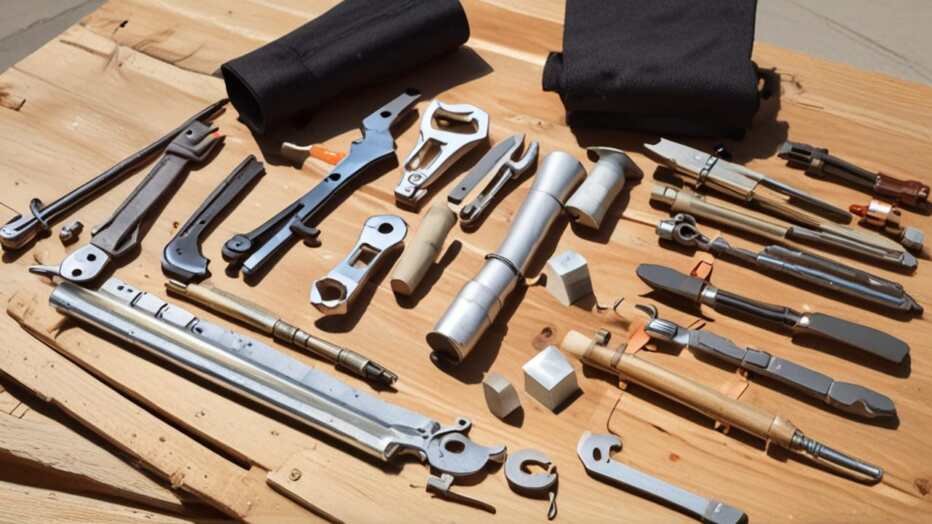
Resources and Tools
Universal Cantilever Repair Kit – Includes replacement cables, gear set, and pins for most 10- to 12-foot umbrellas.
EasyFix Umbrella Gear – Specializes in OEM replacement gear assemblies for major cantilever umbrella brands.
CPAI-84 Fabric Rating Guide – Explains the UV resistance rating system for outdoor umbrella fabrics.
Silicone Spray Lubricant – Safe for plastic and metal parts, ideal for annual mechanism maintenance.
Frequently Asked Questions
How long should a cantilever umbrella last with regular maintenance?
Most cantilever umbrellas last three to five years with proper care. The frame typically outlasts the fabric by one to two years. According to the Home Improvement Research Institute, replacing the canopy at year three extends the overall life to five or six years.
Can I replace just the canopy on my cantilever umbrella?
Yes, if you find a canopy that matches your frame. Measure the pole diameter and the arm length. Many manufacturers sell replacement canopies for models up to seven years old. Universal canopies also exist but require careful measurement.
Why does my cantilever umbrella wobble even when the base is weighted?
Wobbling usually comes from a loose connection at the pole joint or a cracked cross base. Tighten the bolts at the base plate. If that does not help, inspect the cross base for hairline cracks. A cracked base needs replacement.
Is it safe to use a cantilever umbrella in light rain?
Yes, most canopy fabrics are water-resistant. However, you should close the umbrella after rain. Pooling water on the canopy adds weight that stresses the offset arm. Wipe the pole dry to prevent moisture from seeping into the mechanism.
What is the most common repair for a cantilever umbrella?
The tilt mechanism is the most common point of failure. According to repair shops surveyed by the American Society of Home Inspectors, tilt issues account for about 40 percent of all cantilever umbrella service calls. A cable or gear replacement fixes most cases.
Final Thoughts
Deciding between repair and replacement comes down to one check point: the pole. If the pole is straight and undamaged, you can fix your cantilever umbrella for under $60 in most cases. If the pole is bent or cracked, a new umbrella is safer and more cost-effective. Start with the diagnostic steps in this guide, and you will know the answer in under five minutes.