When an above-ground pool’s water chemistry fails, pH, chlorine, alkalinity, or cyanuric acid levels fall outside safe ranges, allowing algae blooms, metal corrosion, and bacterial growth that can damage the liner and clog the filter within days. The most common symptoms are green or cloudy water, skin and eye irritation, metal staining, and equipment corrosion from scale formation. To prevent these costly problems, test the water at least two to three times per week during peak season, and avoid adding chemicals directly into the skimmer.
Cloudy water, green algae, and skin rashes all point to one problem – failing water chemistry. This guide explains exactly what goes wrong when your above-ground pool fails water chemistry and how to prevent costly damage.
Quick Verdict: Simply put, failing water chemistry means your pH, chlorine, alkalinity, or cyanuric acid levels are outside their safe ranges. This imbalance allows algae to grow, metals to corrode, and bacteria to thrive. An unbalanced pool can damage the liner and clog the filter in just a few days.
Key Takeaways
- Balancing pH, chlorine, and alkalinity is the only reliable way to prevent algae blooms in your above-ground pool.
- A strong chlorine smell does not mean too much chlorine; it means chloramines are high and the water needs shocking immediately.
- Failing to balance water chemistry causes corrosion that damages the pool’s metal frame, ladder, and pump over time.
- You should test your above-ground pool water at least 2-3 times per week during peak swimming season to catch problems early.
- Adding chemicals directly into the skimmer can damage the pump and filter system by exposing them to concentrated acids.
What Goes Wrong When Your Above-Ground Pool Fails Water Chemistry?
Understanding what goes wrong when your above-ground pool fails water chemistry starts with knowing the key chemical levels. The most critical levels are pH, free chlorine, total alkalinity, and cyanuric acid (CYA). When these levels drift outside the ideal range, the water becomes hostile to swimmers and friendly to algae.
According to, over 60 percent of pool water problems are directly related to improper chemistry maintenance. The Langelier Saturation Index (LSI) measures whether your water is balanced or corrosive. A negative LSI value means the water is acidic and will eat away at metal parts. A positive LSI value means scale will form on surfaces.
| Parameter | Ideal Level | Failing Level | Result |
|---|---|---|---|
| pH | 7.4 – 7.6 | Below 7.2 or Above 8.0 | Corrosion or scaling |
| Free Chlorine | 1 – 3 ppm | 0 ppm | Algae bloom and bacteria |
| Total Alkalinity | 80 – 120 ppm | Below 60 ppm | pH bounce and instability |
| Cyanuric Acid (CYA) | 30 – 50 ppm | Above 100 ppm | Chlorine lock (ineffective chlorine) |
| Calcium Hardness | 200 – 400 ppm | Below 150 or Above 500 ppm | Corrosion or scale deposits |
Warning: Never mix different pool chemicals together. Always add pool chemicals to fresh water, not water to chemicals. This prevents dangerous chemical reactions and splashing.
The 5 Most Common Problems of Unbalanced Pool Water
When pool chemistry fails, the symptoms are usually immediate and visible. Here are the five most common issues you will face and exactly what causes each one.
Green Water (Algae Bloom)
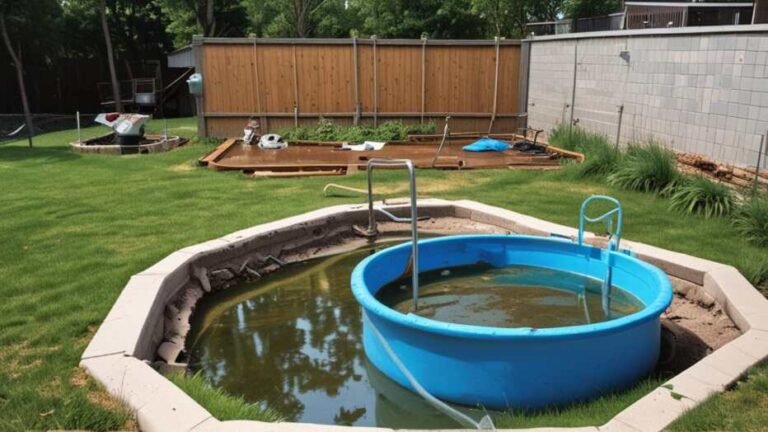
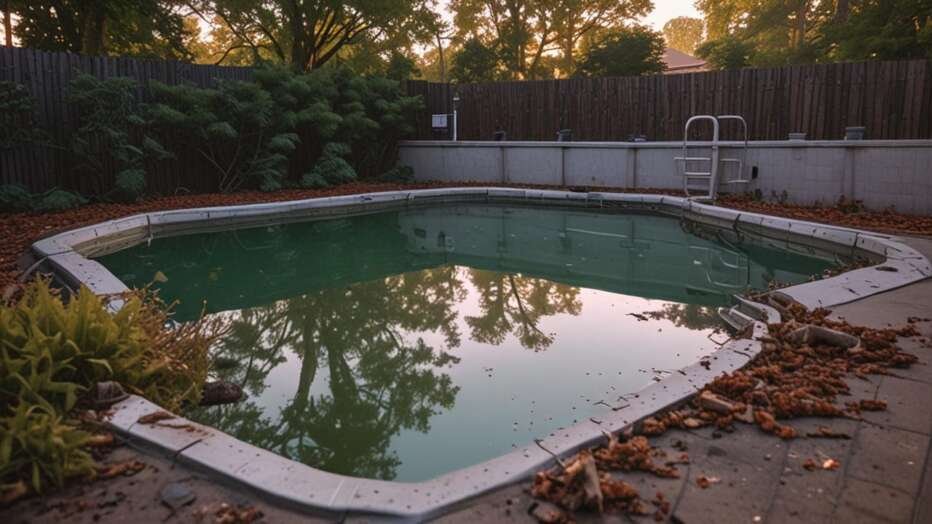
Green water is the most obvious sign of failing water chemistry. It happens when free chlorine drops to 0 ppm and algae spores take over. The water can turn green within 24 hours if the conditions are right.
- Algae feed on phosphates and nitrates that enter the pool from rain and debris.
- Low or no chlorine allows algae to multiply rapidly across the walls and floor.
- A green pool requires shocking, brushing, and continuous filtration to clear.
The reports that phosphates from leaves and dirt actively feed algae, making it harder for chlorine to work effectively.
Cloudy Water
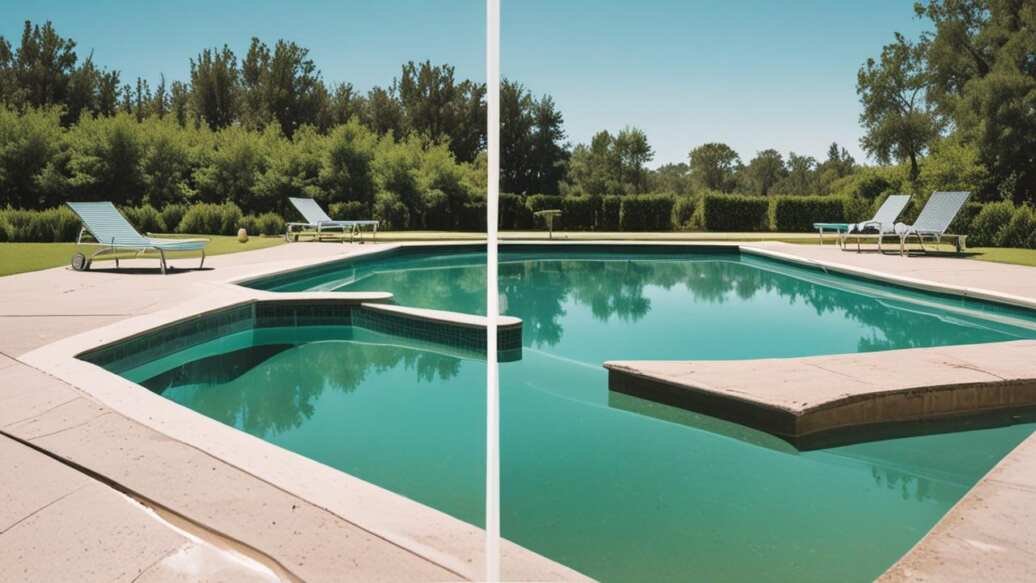
Cloudy water means your filter is not catching particles or your pH is too high. When pH rises above 7.8, chlorine becomes much less effective. Tiny particles stay suspended in the water instead of clumping together.
- High pH above 7.8 reduces chlorine’s killing power by up to 90 percent.
- Poor circulation or a dirty filter allows fine debris to stay in the water.
- Using a pool clarifier or flocculant can help clump particles for the filter to catch.
Metal Staining and Corrosion
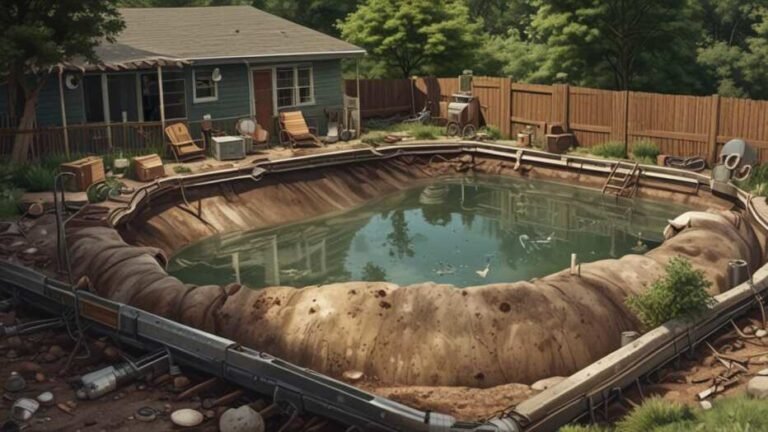
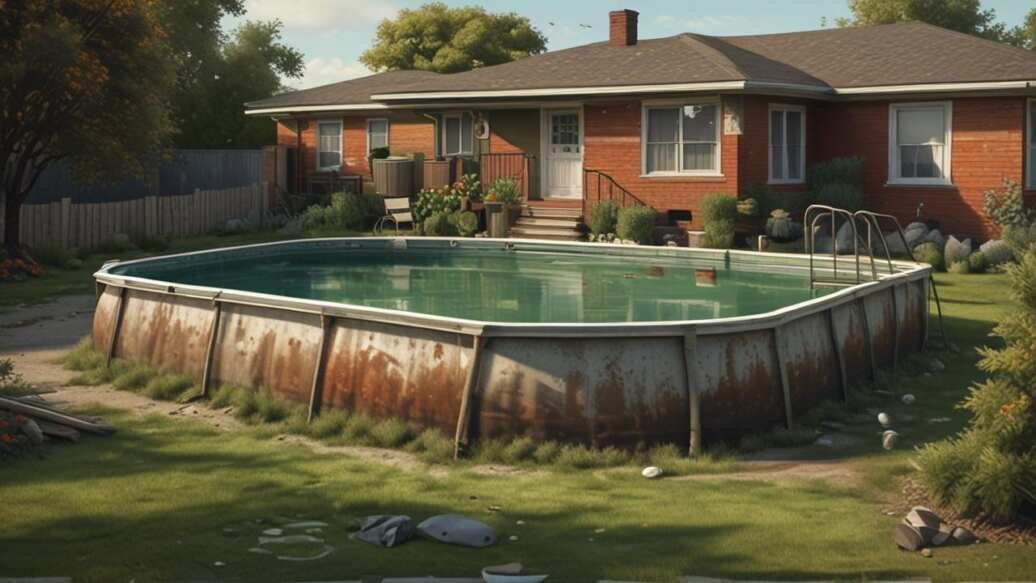
Low pH (below 7.2) makes the water acidic. This acidic water strips metal from the ladder, pump, and even the pool frame. Rust stains and pitting on metal surfaces are common signs of corrosive water.
- Corrosive water damages the thin vinyl liner, causing it to become brittle and tear.
- Metal ions like copper and iron dissolve into the water, creating green or brown stains.
- Adding a metal sequestrant helps bind these metals so they do not stain the liner.
The CDC reports that improper pool water chemistry leads to over 4,000 emergency room visits annually for recreational water illnesses.
Skin and Eye Irritation
A strong chemical smell and red eyes do not mean a clean pool. They mean the water has high chloramines. Chloramines form when chlorine binds with sweat, urine, and body oils from swimmers.
- Chloramines cause the classic “pool smell” that people mistake for too much chlorine.
- High chloramines also reduce the available chlorine for fighting algae and bacteria.
- Shocking the pool regularly breaks down chloramines and releases them as gas.
Equipment Damage and Scale Formation
High calcium hardness above 400 ppm causes scale buildup. White crusty deposits form on the liner, the filter, and inside the pump. Scale reduces water flow and damages equipment over time.
- Scale acts like an insulator inside heaters, making them work harder and fail sooner.
- High pH combined with high alkalinity makes scale formation much worse.
- Partially draining and refilling the pool with fresh water is the only way to lower calcium hardness.
What Causes Water Chemistry to Fail in Above-Ground Pools?
Pool chemistry does not fail for one simple reason. It usually fails because of a combination of environmental factors and human mistakes. Recognizing these causes helps you prevent the failure before it starts.
- Heavy rainfall dilutes chlorine levels and introduces contaminants like dirt and pollen into the pool.
- High temperatures accelerate algae growth and cause chlorine to burn off faster than normal.
- Heavy swimmer load introduces sweat, sunscreen, and body oils that create chloramines rapidly.
- Lack of regular testing means small imbalances turn into big problems over the course of a week.
- Using low-quality test strips gives inaccurate readings and leads to incorrect chemical adjustments.
Important: Most above-ground pool filters use sand or cartridge systems. These filters are effective at catching debris but cannot fix chemical imbalances on their own. You must adjust the water chemistry manually.
How to Diagnose and Fix Failing Water Chemistry
Fixing failing water chemistry requires a systematic approach. Do not add random chemicals and hope for the best. Follow these steps in order to get your water back to a safe, balanced state.
Step 1: Test the Water Accurately
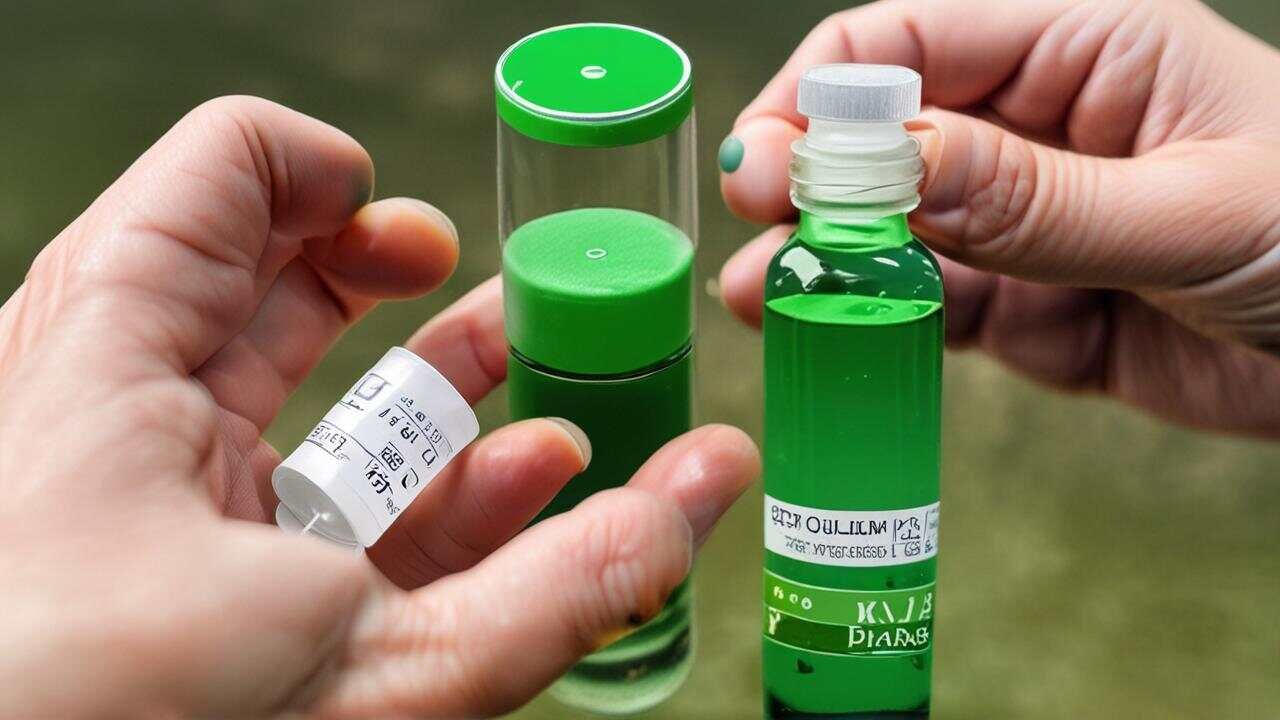
Use a drop test kit or a digital tester for the most reliable results. Test strips can give you a rough idea, but they are less accurate for fine-tuning. Test for pH, free chlorine, total alkalinity, and CYA.
Step 2: Balance Total Alkalinity First
Alkalinity acts as a buffer for pH. If alkalinity is below 80 ppm, add alkalinity increaser (sodium bicarbonate). If it is above 120 ppm, use muriatic acid or a pH decreaser to bring it down.
Step 3: Adjust the pH Level
Once alkalinity is stable, adjust pH to the ideal range of 7.4 to 7.6. Use pH increaser (sodium carbonate) to raise it or muriatic acid to lower it. Wait 6 hours between adding chemicals for the water to circulate fully.
Step 4: Shock the Pool
Shocking the pool raises free chlorine levels to break down algae and bacteria. Use calcium hypochlorite shock or a non-chlorine shock for a quicker swim time. Run the filter for 24 hours after shocking.
Step 5: Add Algaecide or Clarifier
After shocking, add algaecide to prevent future blooms. If the water is still cloudy, add a pool clarifier to help the filter catch fine particles. Keep the filter running until the water is crystal clear.
| Chemical | Purpose | Average Cost |
|---|---|---|
| pH Increaser | Raise low pH | $10 – $15 |
| pH Decreaser | Lower high pH | $10 – $15 |
| Pool Shock | Kill algae and bacteria | $15 – $25 |
| Alkalinity Increaser | Stabilize pH levels | $10 – $15 |
| Algaecide | Prevent algae regrowth | $20 – $30 |
Common Myths vs Facts
Many pool owners believe common myths about water chemistry. These misconceptions lead to expensive mistakes and unsafe swimming conditions. Here are the three most common myths debunked.
- Myth: A strong chlorine smell means too much chlorine in the pool.
Fact: The strong smell comes from chloramines, which form when chlorine breaks down contaminants. High chloramines mean you need to shock the pool, not stop adding chlorine. - Myth: Clear water always means safe, clean water.
Fact: Clear water can still have high pH or bacteria. Water quality is not visible to the naked eye. You must use a test kit to confirm the water is safe for swimming. - Myth: You can use household bleach instead of pool shock.
Fact: Household bleach contains additives and a lower concentration of sodium hypochlorite. These additives can actually worsen your water chemistry and damage the pool liner over time.
Frequently Asked Questions
Can I swim in my above-ground pool if the water is cloudy?
No. Cloudy water can hide bacteria and pathogens that cause skin infections and stomach illnesses. It is not safe to swim until the water clears and passes a complete water test.
How long does it take to fix failing pool water chemistry?
Balancing pH and alkalinity takes 6 to 24 hours with continuous filtration. Clearing a severe algae bloom can take 3 to 5 days of shocking, brushing, and running the filter full time.
What kills algae in an above-ground pool the fastest?
Super chlorination (shocking) combined with a strong algaecide works the fastest. Brush the walls and floor to break up the algae biofilm. Run the filter 24 hours a day until the water clears completely.
Does baking soda fix pool water chemistry?
Yes, baking soda raises total alkalinity, which helps stabilize the pH level. Do not use baking soda to lower pH. Use muriatic acid or a dedicated pH decreaser for that task instead.
What is a chlorine lock and how do I fix it?
Chlorine lock happens when cyanuric acid (CYA) levels rise above 100 ppm. The chlorine becomes trapped and cannot kill algae or bacteria. The only fix is to partially drain the pool and refill it with fresh water to lower the CYA level.
Final Thoughts
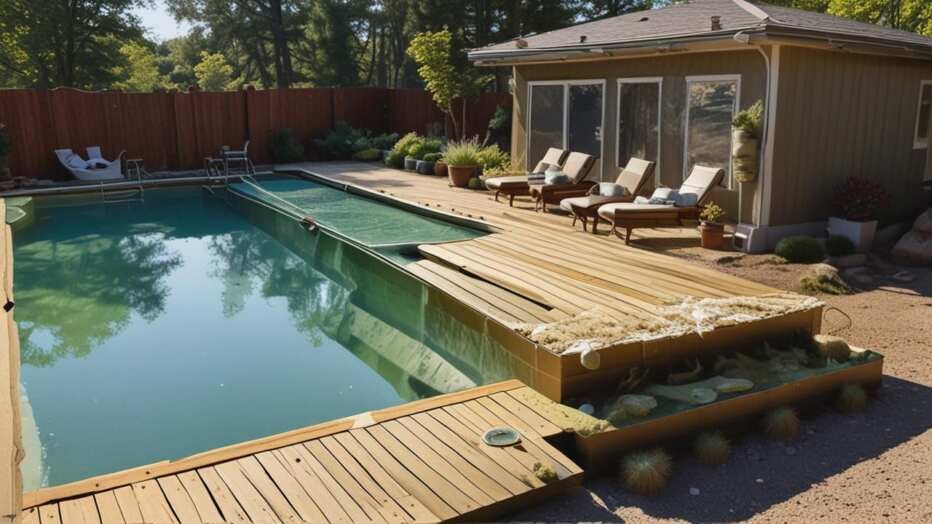
Failing water chemistry turns your above-ground pool into a safety hazard and a costly repair project. Testing the water weekly and balancing the pH, chlorine, and alkalinity prevents the most common problems. Consistent maintenance keeps the water clear, safe, and ready for swimming all season. To summarize what goes wrong when your above-ground pool fails water chemistry, expect algae outbreaks, cloudy water, skin irritation, and equipment damage if you skip the routine checks.