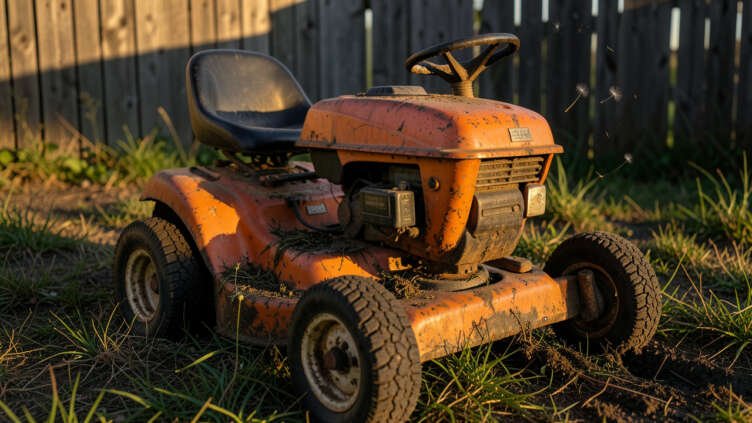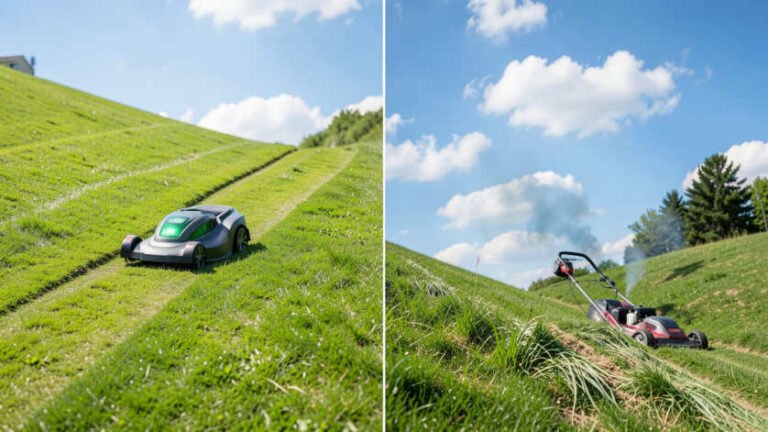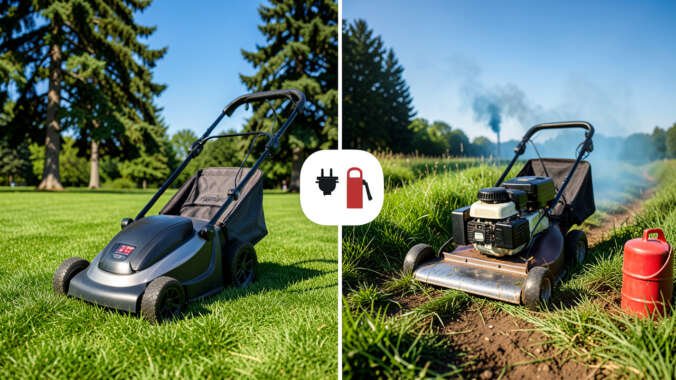
A self-propelled mower fails to start mainly due to stale fuel, a dirty carburetor, a fouled spark plug, or a clogged air filter, with the drive system rarely causing the issue. Diagnosing the engine’s fuel, air, and spark systems resolves over 90 percent of starting problems. Replacing the spark plug seasonally and ensuring safety switches are engaged prevents failures from degraded ethanol gasoline and restricted airflow.
You prime the engine, pull the cord, and it sputters once before going silent. This guide breaks down exactly why a self-propelled mower fails to start and how to fix it.
Quick Answer: Simply put, a self-propelled mower usually fails to start due to stale fuel, a dirty carburetor, a fouled spark plug, or a clogged air filter. The self-propel drive system itself rarely causes starting issues. Focus your diagnosis on the engine’s fuel, air, and spark systems – solving these areas resolves over 90% of starting problems.
Key Takeaways
- Most starting failures are caused by degraded ethanol gasoline that leaves varnish deposits in the carburetor.
- A dirty or clogged air filter restricts airflow and creates a fuel mixture that prevents the engine from firing.
- The spark plug should be replaced every season as routine maintenance to guarantee reliable starts.
- Safety switches on the handle and grass bagger must be fully engaged for the engine to crank.
- If the engine runs but the wheels do not move, the problem is in the drive cable or transmission – not the engine itself.
What are the main reasons a self-propelled mower fails to start?
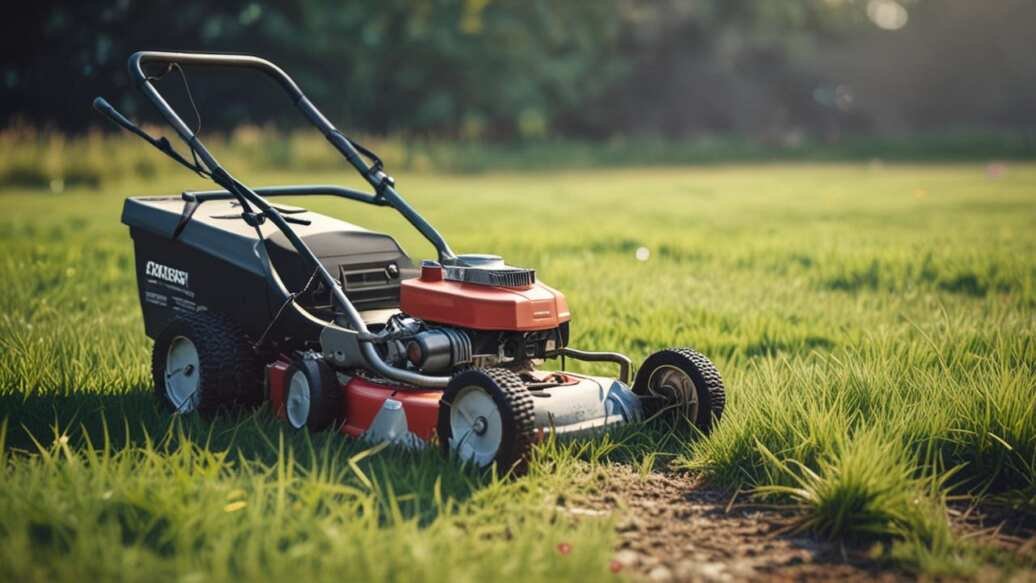
Most starting issues come down to three basic engine systems: fuel, air, and spark. The self-propel function is separate from these systems. According to the, over 50% of small engine service calls are directly related to stale or contaminated fuel.
- Fuel system issues: Old gas absorbs moisture and forms gums that clog the carburetor jets.
- Ignition system faults: A worn spark plug or loose wire prevents the fuel from igniting.
- Air intake blockages: A dirty filter chokes the engine and floods the combustion chamber.
- Safety interlock failures: Mowers have switches that block the ignition if the handle is not engaged.
- Self-propel system drag: A seized transmission can stall the engine immediately after starting.
How to diagnose a “start and die” condition
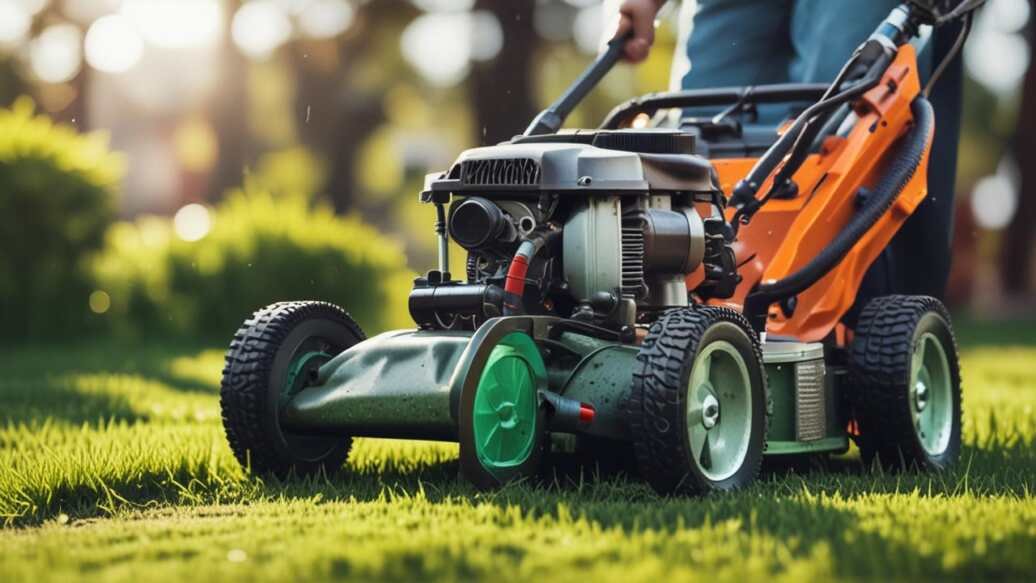
A common complaint is that the mower starts but dies as soon as you engage the self-propel drive. This is often mistaken for a transmission problem. In reality, the engine lacks enough power to handle the load because the carburetor is partially clogged.
Important: Disengage the self-propel drive immediately when the engine begins to bog down. If the engine recovers and idles smoothly, the carburetor cleaning is your specific fix. A failing transmission will stop the engine regardless of the throttle position.
Industry service reports from indicate that a dirty carburetor is the primary cause in roughly 70% of these “start and die” scenarios. Ethanol attracts moisture, which turns into a sticky varnish inside the small passages of the carburetor.
Step-by-step troubleshooting checklist
Follow this ordered sequence to find the root cause. Do not skip steps. Each test eliminates a major variable.
- Check the fuel freshness. Gasoline begins to degrade in 30 days. Drain any fuel older than 90 days and replace it with fresh gas.
- Inspect the spark plug. Remove the plug wire and pull the plug. If the electrode is black or wet, replace it. Gap the new plug to the specifications in your owners manual.
- Clean or replace the air filter. A paper filter should be replaced. A foam filter can be washed with warm soapy water and re-oiled.
- Verify all safety switches. The handle bail must be squeezed tight. The bagger must be fully latched. Most mowers have a switch that kills the engine if the bagger is removed.
- Drain and clean the carburetor. Use a carburetor cleaner spray to clear the jets and bowls. This is the most common fix for long-term storage issues.
- Check the self-propel drive cable. Ensure the cable has 1/8 inch of slack. A tight cable drags the transmission and stalls the engine.
Quick troubleshooting table
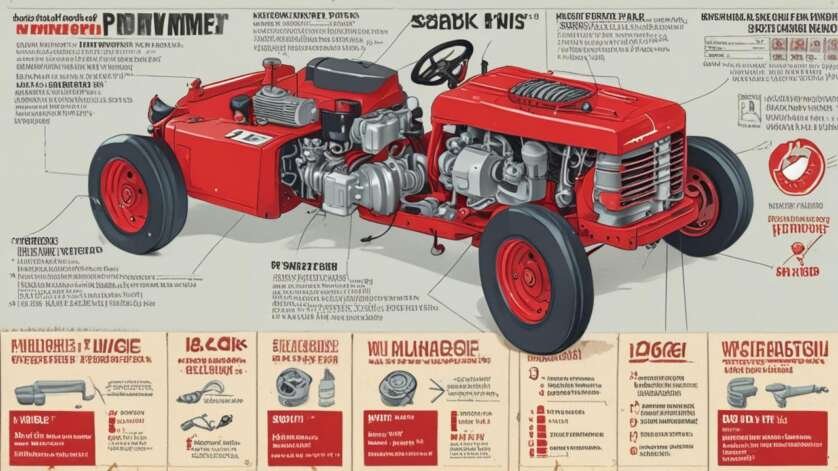
| Symptom | Likely Cause | Difficulty | Cost |
|---|---|---|---|
| Engine will not crank | Dead battery or loose spark plug wire | Easy | $0 – $15 |
| Engine cranks but wont start | Stale fuel or clogged carburetor | Moderate | $5 – $30 |
| Starts then dies immediately | Dirty pilot jet or safety switch | Moderate | $0 – $20 |
| Engine runs but self-propel fails | Drive cable or belt issue | Moderate | $15 – $50 |
| Engine smokes while running | Overfilled oil or worn piston rings | Hard | $50 – $200 |
Common myths vs. facts about self-propelled mower starting issues
Misinformation spreads quickly in online forums. These are the most common myths that waste time and money.
- Myth: A self-propelled mower needs an engine overhaul if the wheels do not move.
Fact: The drive cable often snaps or stretches. This is a simple adjustment, not an engine repair. - Myth: Old gas works fine as long as you add fresh oil on top.
Fact: Oil does not affect fuel degradation. Gasoline oxidizes and turns into a gel-like varnish within 60 days. Fresh fuel is mandatory for reliable starts. - Myth: A new air filter instantly fixes a smoking engine.
Fact: Blue smoke indicates burning oil inside the cylinder. Black smoke indicates too much fuel. Only a clogged air filter causes black smoke – not blue smoke.
Warning: Never spray starter fluid directly into the carburetor opening of a small engine unless you use the exact starting fluid specified by the manufacturer. Too much ether can cause a hydraulic lock and destroy the piston rings.
How to fix the most common self-propelled mower starting failures
Each of these problems has a straightforward solution. You can complete most fixes in under 30 minutes with basic tools.
Fixing stale fuel and a dirty carburetor
Drain the fuel tank completely using a siphon pump. Fill it with fresh gasoline mixed with a fuel stabilizer like. If the engine still fails to start, remove the carburetor bowl and spray cleaner through the main jet. The states that ethanol blends can absorb up to 50 times more moisture than pure gasoline, which directly causes corrosion in the float bowl.
Replacing a fouled spark plug
Pull the spark plug boot off by gripping the boot itself – never pull the wire. Use a socket wrench to remove the old plug. Check the gap with a feeler gauge. Most self-propelled mower engines require a 0.030 inch gap. Apply a small drop of anti-seize compound to the threads before installing the new plug.
Cleaning a clogged air filter
Locate the filter housing near the carburetor. Remove the cover and inspect the element. If it is a foam filter, wash it in warm soapy water, squeeze dry, and apply light machine oil. Do not soak it. If it is a paper filter, tap it gently to remove debris. Replace it if the paper is torn or darkened with oil.
Pro tips to prevent starting failures
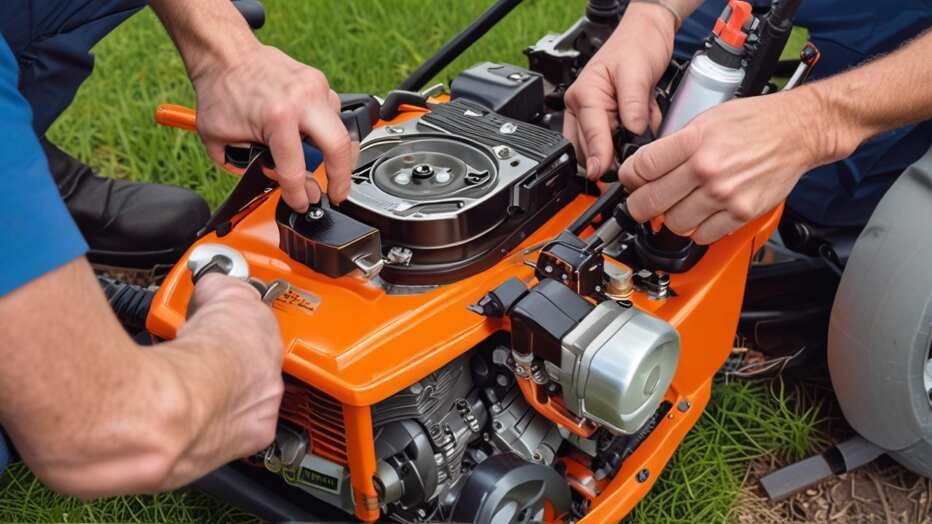
Routine maintenance is cheaper than emergency repairs. These tips will keep your self-propelled mower starting all season long.
- Use ethanol-free gasoline whenever possible. It reduces moisture buildup and extends carburetor life.
- Add fuel stabilizer to every tank, not just at the end of the season. It protects against daily fuel degradation.
- Run the carburetor dry before storing the mower for winter. This prevents the fuel from evaporating and leaving varnish inside the jets.
- Replace the spark plug every spring as a proactive measure, even if it looks clean.
- Inspect the drive cable tension at the start of each mowing season. Adjust it if the wheels creep forward when disengaged.
Tip: According to the, using ethanol-free fuel can extend the life of small engine carburetors by up to 50%. Seek out fuel stations that sell “Rec 90” or “Pure Gas” for best results.
Resources and tools
Use these resources to find exact specifications and replacement parts for your specific mower model.
- Briggs and Stratton Engine Lookup – Find your engine manual and parts diagram.
- Outdoor Power Equipment Institute – Check safety standards and recall information.
- Popular Mechanics Small Engine Guide – Visual tutorials on carburetor cleaning.
- Honda Power Equipment Support – Official troubleshooting charts for Honda mowers.
- Pure-Gas.org Ethanol-Free Station Map – Find ethanol-free fuel near you.
Frequently asked questions
Why does my self-propelled mower start but stop when I engage the blades?
This is usually a dirty carburetor pilot jet or a worn safety switch on the blade brake. The engine lacks the power to spin the blades under load. Clean the carburetor first. If the problem persists, test the blade brake switch with a multimeter.
Can a bad transmission cause the engine to not start?
Not directly. A seized transmission can stall the engine immediately when you engage the drive. Check whether the rear wheels roll freely with the drive disengaged. If they drag, the transmission needs to be serviced.
Will a new battery fix a starting issue on an electric-start mower?
Only if the engine does not crank at all. If the engine cranks slowly but does not fire, the battery is fine. A weak solenoid prevents the starter motor from engaging. Charge the battery fully before replacing it.
How tight should the self-propel drive cable be?
The cable should have about 1/8 inch of free play before it engages tension. Too much tension causes the wheels to drag and stalls the engine. Too little tension prevents the drive system from engaging at all.
What does it mean when the engine is flooded, and how do I fix it?
A flooded engine has too much fuel in the cylinder, which prevents the spark plug from firing. Fix it by pushing the throttle to full open and pulling the starter cord five or six times. This clears the excess fuel. Return the throttle to the start position and try again.
Final Thoughts
Starting issues are rarely complex once you check fuel, air, and spark in that specific order. Spend a few minutes on routine maintenance before each mowing season to avoid emergency repairs. The self-propel system needs a separate inspection – focus on the cable tension and belt condition to keep your self-propelled mower running reliably all year long.