
Pressure cookers are amazing kitchen tools that cook food super fast. But for some people, learning how to use them safely can feel a bit tricky at first. There’s nothing to worry about!
We’ll make it really simple for you. This guide will walk you through everything step by step so you can feel confident.
Key Takeaways
- You will learn how to pick the right pressure cooker for your needs.
- Understand the essential parts of a pressure cooker and their functions.
- Discover the correct way to fill your pressure cooker with food and liquid.
- Master the steps for locking the lid and starting the cooking process safely.
- Learn how to tell when your food is done and how to release the pressure safely.
- Know how to clean and care for your pressure cooker to keep it working well.
Get ready to discover the easy way of How to Use a Pressure Cooker Safely and enjoy delicious meals in no time.
Let’s get started with the key things you need to know.
![How to Use a Pressure Cooker Safely[1]](https://creativehouseblog.com/wp-content/uploads/2026/03/How_to_Use_a_Pressure_Cooker_Safely1.jpg)
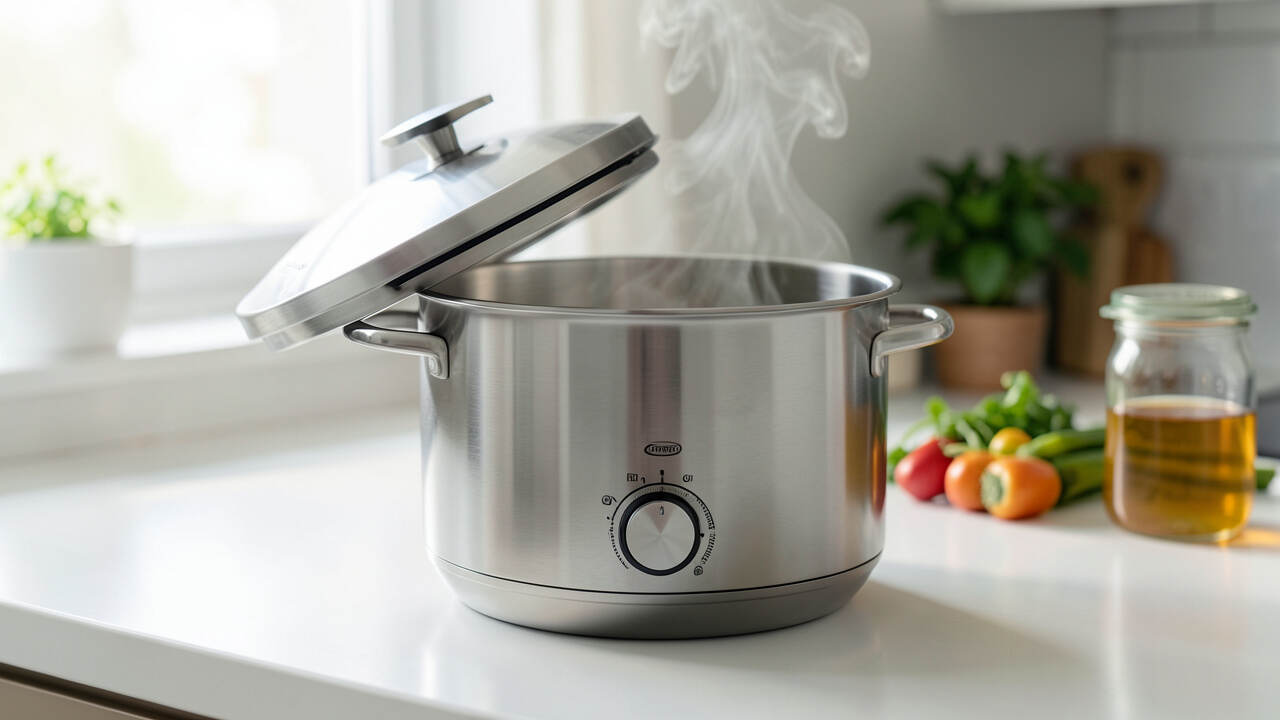
Understanding Your Pressure Cooker
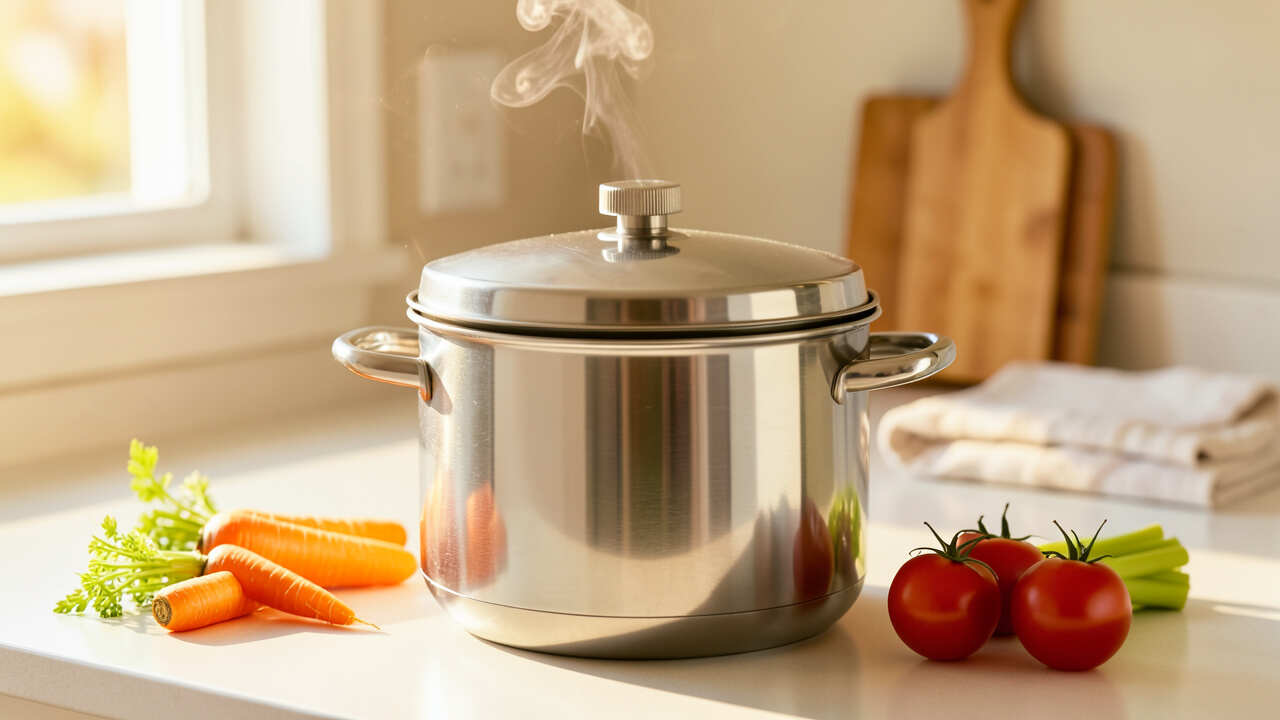
What Is a Pressure Cooker
A pressure cooker is a special pot that cooks food quickly using steam. It has a lid that locks tightly. This traps the steam inside, which builds up pressure.
When the pressure goes up, the temperature inside the pot also goes up way beyond the normal boiling point of water. This higher temperature cooks your food much faster than regular cooking methods. Think about cooking beans or tough cuts of meat.
A pressure cooker can make them tender in a fraction of the time.
Why Safety Is Important
Because pressure cookers work with high pressure and heat, safety is the most important thing. If not used correctly, there can be risks. But don’t let that scare you.
Knowing the right steps makes using a pressure cooker completely safe and enjoyable. These appliances are designed with many safety features. By following simple guidelines, you can avoid problems and cook with confidence every single time.
Safety just means being aware and careful.
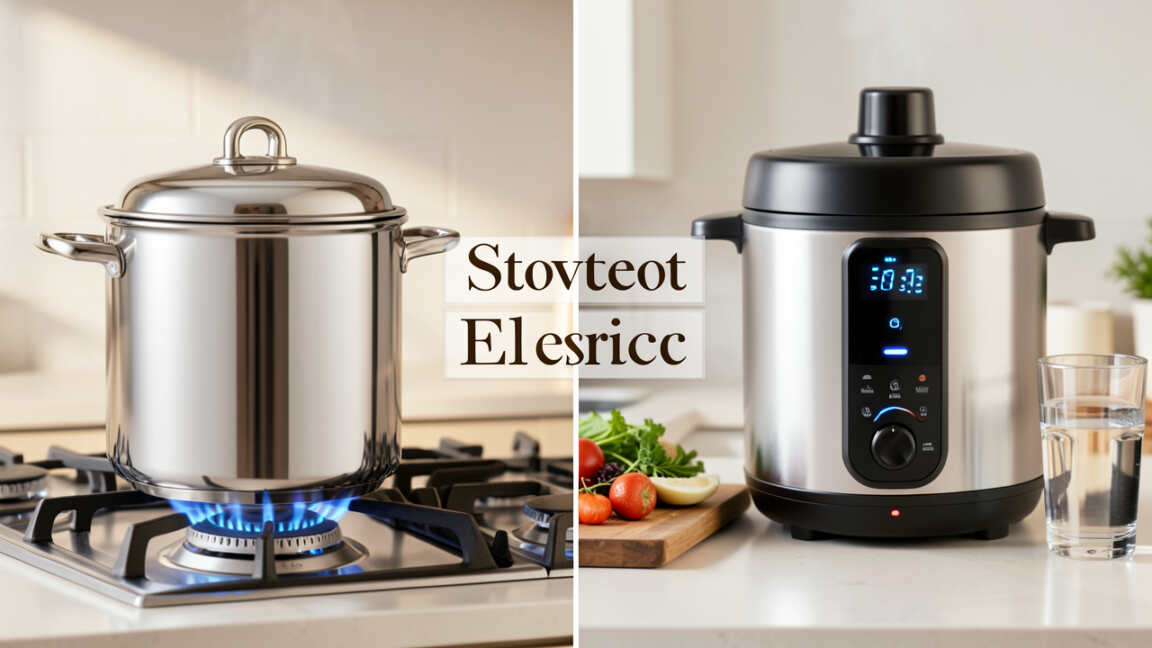
Types of Pressure Cookers
Stovetop Pressure Cookers
Stovetop pressure cookers are the traditional kind. They sit right on your stove burner. They usually have a metal lid that locks down with a clamp or screws.
Most have a weight or a valve on top that lets out extra steam when the pressure gets too high. You control the heat yourself by adjusting the stove burner. They are great for many types of cooking and come in various sizes.
Electric Pressure Cookers
Electric pressure cookers are very popular today. They are self-contained units with their own heating element and controls. You plug them into an electrical outlet.
They often have digital displays and many pre-set cooking programs for different foods. Many electric models also have a “keep warm” function. They are known for being easy to use and for having extra safety features built in.
Parts of a Pressure Cooker
No matter what type of pressure cooker you have, there are common parts. Knowing these parts helps you use your cooker correctly and safely.
The Pot
This is the main body of the cooker. It holds the food and liquid. Most pots are made of stainless steel or aluminum.
The Lid
The lid is what seals the pot. It has a gasket or rubber ring around the edge that creates a tight seal. This seal is vital for building pressure.
The Gasket or Sealing Ring
This ring sits inside the lid. It presses against the pot rim to keep steam from escaping. Over time, this ring can wear out and needs to be replaced.
The Locking Mechanism
This is how the lid is secured to the pot. It can be clamps, screws, or a twist-lock system.
Pressure Regulator or Valve
This is a key safety part. It controls the amount of pressure inside the cooker. On stovetop models, it’s often a weighted jiggler.
On electric models, it’s usually a valve that can be set to “sealing” or “venting”.
Safety Valves
Most modern pressure cookers have extra safety valves. These are designed to release excess pressure if the main regulator fails. They are an important backup.
Handles
Handles on the pot and lid help you move the cooker, especially when it’s hot.
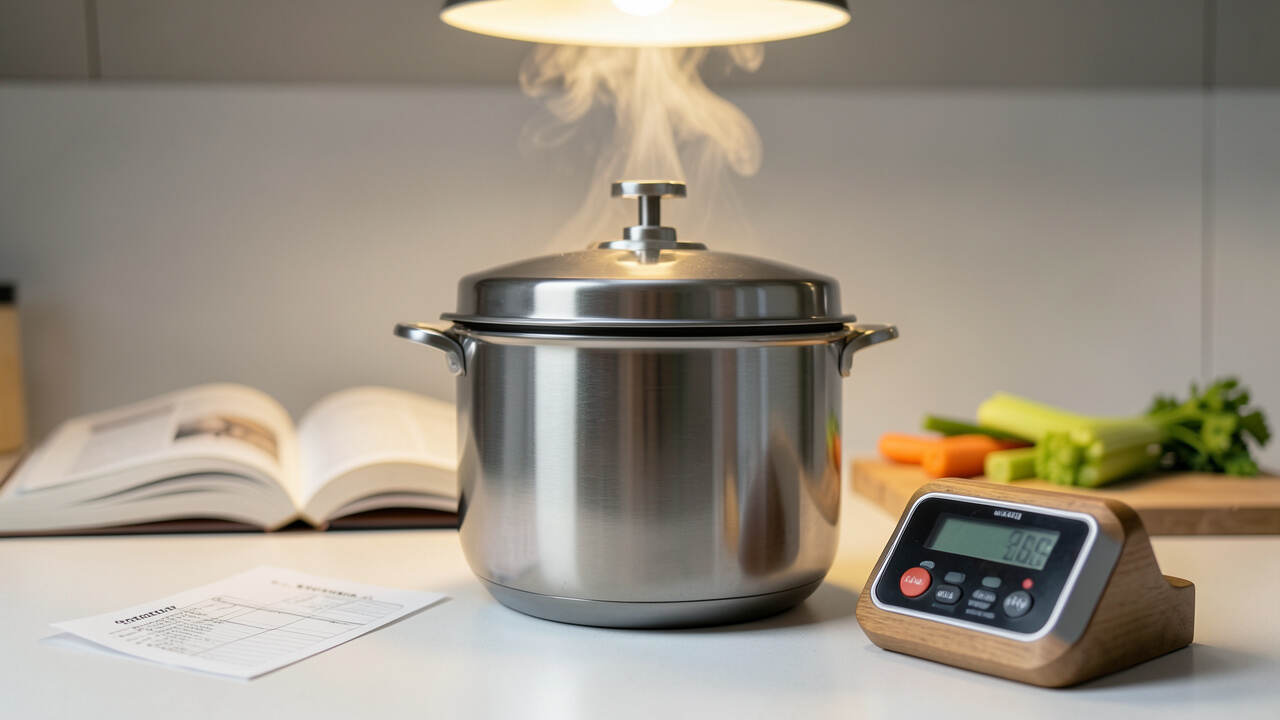
How to Use a Pressure Cooker Safely A Step-By-Step Guide
Step 1 Prepare Your Ingredients
Wash and chop all your ingredients as needed for your recipe. Have everything ready before you start using the pressure cooker. This makes the process smoother and reduces the chance of forgetting something.
Step 2 Fill the Pressure Cooker Correctly
This is a very important step for safety and proper cooking. Never fill your pressure cooker more than two-thirds full with food. If you are cooking foods that expand, like grains or beans, you should not fill it more than halfway full.
Always add enough liquid as your recipe directs. The liquid turns into steam, which is what builds the pressure. Without enough liquid, the cooker can overheat, and food can scorch.
Step 3 Lock the Lid
Make sure the sealing ring (gasket) is clean and properly placed in the lid. Place the lid on top of the pot. Then, secure the locking mechanism.
For stovetop models, this might involve lining up arrows and turning the lid or tightening screws. For electric models, you usually twist the lid until it locks into place. Always double-check that the lid is sealed tightly before you start cooking.
You should not see or hear any steam escaping from the sides of the lid when it’s locked.
Step 4 Set the Pressure Regulator
If you have a stovetop cooker, place the pressure regulator (the weight) on the steam vent. If you have an electric cooker, you will need to set the valve. Most electric cookers have a dial or buttons to set the valve to the “sealing” position.
Ensure it’s not in the “venting” position, or pressure will not build.
Step 5 Start Cooking
For stovetop models, place the cooker on the stove burner over high heat. For electric models, select your cooking program and start the cooker. Once the cooker starts to hiss or steam, the pressure is building.
Step 6 Monitor Pressure (Stovetop)
Once you see steam escaping from the pressure regulator (the weight starts to jiggle or hiss), it’s time to lower the heat. Turn the stove burner down to low heat. The goal is to maintain enough heat to keep the pressure steady, but not so much that it releases too much steam.
You want a gentle hiss or jiggle, not a constant, strong release of steam.
Step 7 Cooking Time
Start your timer only after the cooker has reached full pressure. This is when the heat is reduced to maintain pressure. Follow your recipe’s cooking time from this point.
If you have an electric cooker, the timer will usually start automatically once it reaches pressure.
Step 8 Releasing Pressure Safely
When the cooking time is finished, you need to release the pressure. There are a few ways to do this:
Natural Pressure Release: This is when you just turn off the heat (or the electric cooker finishes its cycle) and let the pressure go down on its own. This can take 10-30 minutes.
It’s good for foods that can handle a little extra cooking, like roasts or beans. Quick Pressure Release: This is done by carefully moving the pressure release valve to the “venting” position (on electric models) or by carefully lifting the weight (on stovetop models) with tongs. Steam will shoot out rapidly.
Be very careful of the hot steam. Use oven mitts and keep your face and hands away from the steam vent. This method is good for vegetables or seafood that can overcook easily.
Cold Water Release (Stovetop Only): This is only for some stovetop models. You can run cold water over the lid (avoiding the vent and handles) to cool the pot down quickly and release pressure. Check your cooker’s manual first to see if this is safe for your model.
Never force the lid open. The lid should only open easily when all the pressure has been released.
Step 9 Open the Lid
Once the pressure is fully released (you’ll know because no more steam is coming out, and often a float valve will drop), you can open the lid. Carefully unlock the lid and tilt it away from you. This way, any remaining steam will rise away from your face and hands.

Tips for Safe Pressure Cooking
- Always read your pressure cooker’s manual before using it for the first time. Each model can have slightly different features and safety instructions.
- Inspect your pressure cooker before each use. Check the sealing ring for cracks or damage. Make sure the vents are clear of any food debris.
- Do not overfill the pot. This is one of the most common mistakes and can be dangerous.
- Never try to force the lid open while the cooker is under pressure. Wait until all the steam has escaped.
- Keep children and pets away from the pressure cooker while it is in use, especially during pressure release.
- Use oven mitts or pot holders when handling the hot pressure cooker, especially when moving it or opening the lid.
- When releasing pressure, always keep your face and hands away from the steam vent.
- If you hear a loud, unusual noise or see a lot of steam escaping from the lid sides, turn off the heat or unplug the cooker immediately. Let it cool down and check the lid and sealing ring.
Troubleshooting Common Issues
My Pressure Cooker Isn’t Building Pressure
This can happen for a few reasons. First, make sure the lid is sealed correctly and the locking mechanism is secure. Check that the sealing ring is in place and not damaged.
Also, ensure there is enough liquid in the pot. If you have an electric model, double-check that the valve is set to the “sealing” position, not “venting.”
My Pressure Cooker Is Releasing Too Much Steam
For stovetop models, this usually means the heat is too high. Lower the heat on your stove until the steam release is gentle. For electric models, ensure the valve is correctly set and that the pressure is not exceeding the cooker’s limit.
If a lot of steam is coming from the sides of the lid, the lid might not be sealed properly, or the sealing ring needs replacing.
My Food Is Scorched or Burnt
This often happens if there isn’t enough liquid in the pot or if the heat was too high for too long. Make sure you always use the amount of liquid called for in your recipe and monitor the heat closely on stovetop models. For electric models, ensure you are using the correct cooking program and time.

Cleaning and Maintenance
Cleaning the Pot and Lid
After each use, wash the pot and lid with warm, soapy water. Most pots and lids (check your manual!) can be washed in the dishwasher. However, washing by hand is often recommended to prolong the life of the cooker, especially for the sealing ring.
Cleaning the Sealing Ring
The sealing ring should be removed after each use and washed thoroughly. It can absorb odors from food, so some people prefer to have separate rings for savory and sweet dishes. Always make sure it is completely dry before putting it back into the lid.
Checking and Cleaning Vents
It is very important to keep all vents and valves clear of food particles. Use a small brush or toothpick to clean them regularly. Blocked vents are a serious safety hazard.
Replacing Parts
Sealing rings and other parts wear out over time. If your sealing ring is cracked, hardened, or no longer forms a good seal, replace it. You can usually buy replacement parts from the manufacturer or kitchen supply stores.
FAQ Of How to Use a Pressure Cooker Safely
Question: How much liquid do I need to put in a pressure cooker
Answer: You always need enough liquid to create steam, usually at least 1/2 cup to 1 cup, but follow your recipe. Never fill the pot more than two-thirds full with food.
Question: Can I open a pressure cooker while it is cooking
Answer: No, never. You must wait until all the pressure has been released naturally or quickly before attempting to open the lid. Forcing it open is dangerous.
Question: How do I know when the pressure is released
Answer: On most cookers, a float valve or indicator pin will drop down when the pressure is gone. For stovetop models, you won’t hear any more hissing or see steam coming from the vent.
Question: Can I use any pot on my electric pressure cooker base
Answer: No, electric pressure cookers use specific inner pots designed to work with their heating elements. Always use the pot that came with your electric cooker or an exact replacement.
Question: How often should I replace the sealing ring
Answer: It depends on how often you use your pressure cooker. Inspect it regularly. If it looks worn, cracked, or doesn’t seal well, replace it, usually every 1-2 years of regular use.
Final Thoughts
Using a pressure cooker is a wonderful way to save time in the kitchen. By following these simple steps, you can feel confident and safe. Always remember to fill it correctly, lock the lid securely, and release pressure carefully.
Regular cleaning keeps your cooker in great shape for many delicious meals. Enjoy the speed and convenience of pressure cooking!

![How To Clean And Restore Outdoor Furniture[1]](https://creativehouseblog.com/wp-content/uploads/2026/05/How_To_Clean_And_Restore_Outdoor_Furniture1-768x403.jpg)
![How To Spot Slow Leaks At Home Before They Grow[1]](https://creativehouseblog.com/wp-content/uploads/2026/05/How_To_Spot_Slow_Leaks_At_Home_Before_They_Grow1-768x403.jpg)
![Air Fryer Noise Levels Explained Clearly[1]](https://creativehouseblog.com/wp-content/uploads/2026/03/Air_Fryer_Noise_Levels_Explained_Clearly1-768x448.jpg)
![Autumn Home Maintenance Checklist Before Cold[1]](https://creativehouseblog.com/wp-content/uploads/2026/05/Autumn_Home_Maintenance_Checklist_Before_Cold1-768x403.jpg)
![How to Maintain Window Seals for Fewer Draughts and Damp[1]](https://creativehouseblog.com/wp-content/uploads/2026/05/How_to_Maintain_Window_Seals_for_Fewer_Draughts_and_Damp1-768x403.jpg)
![How to Maintain Your Boiler So It Lasts Much Longer[1]](https://creativehouseblog.com/wp-content/uploads/2026/05/How_to_Maintain_Your_Boiler_So_It_Lasts_Much_Longer1-768x403.jpg)