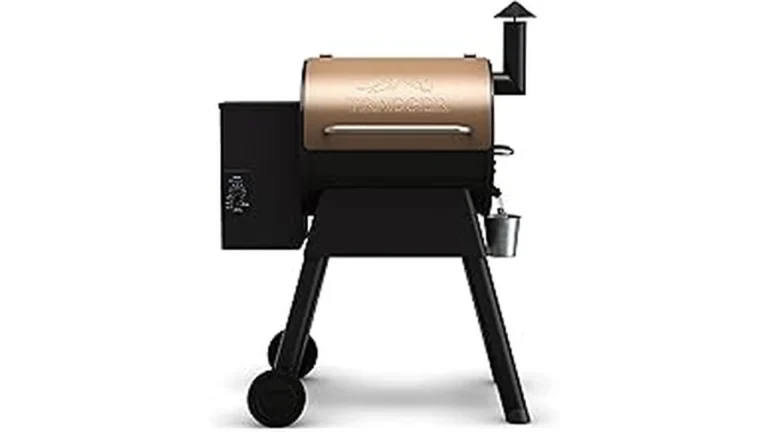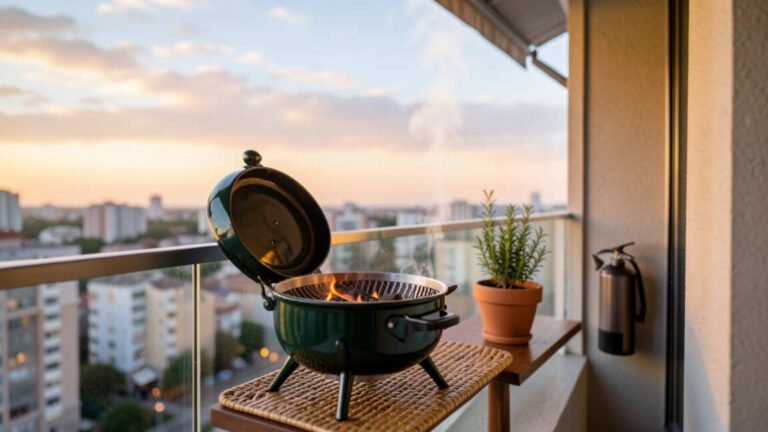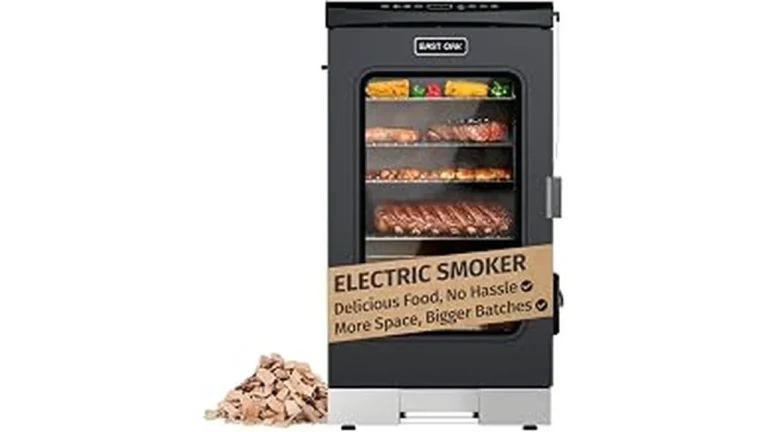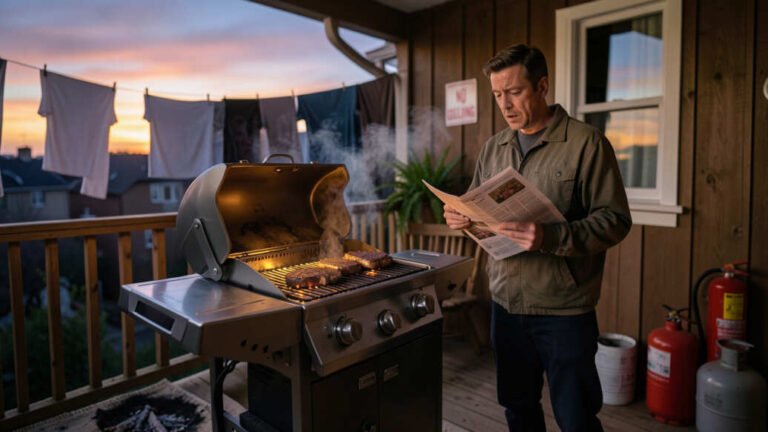
The real differences between a portable and full-size gas grill are cooking capacity, heat output, and portability: full-size models have three to six burners and cook twelve to thirty burgers at once, while portable models have one or two burners and cook one to eight burgers. Full-size grills generate higher BTUs, providing superior searing and temperature control, but portable grills are easier to clean, store, and require smaller fuel tanks. Your choice depends on whether you prioritize mobility for camping or tailgating versus cooking performance for backyard entertaining.
Choosing between a portable and a full-size gas grill depends on where you cook and how many people you serve. This guide explains the real differences in heat output, cooking area, and features.
Quick Verdict: Simply put, portable gas grills are small, lightweight, and best for camping or tailgating. Full-size gas grills offer powerful burners, large cooking surfaces, and better temperature control for backyard cooking. Your choice depends on whether you value mobility or cooking capacity.
Key Takeaways
- Portable gas grills have one or two burners and cook between one and eight burgers at a time.
- Full-size gas grills have three to six burners and can cook twelve to thirty burgers at once.
- Full-size grills generate higher BTUs, which means they sear meat better than portable models.
- Portable grills are easier to clean and store but require smaller fuel tanks or smaller propane bottles.
- Full-size gas grills cost more money upfront but last longer because they use thicker materials.
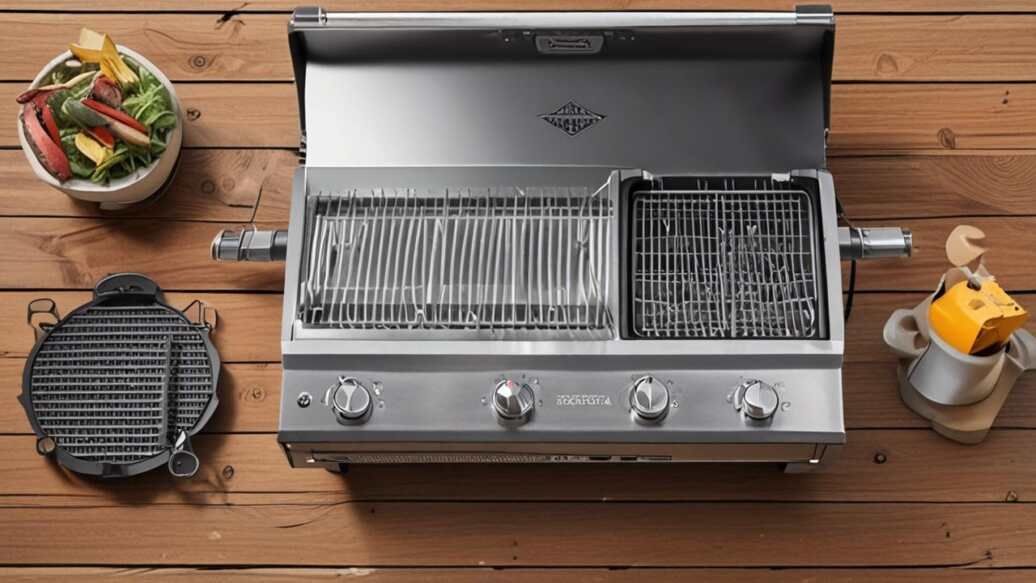
Quick Comparison Table
| Feature | Portable Gas Grill | Full-Size Gas Grill |
|---|---|---|
| Cooking Area | 200 – 450 square inches | 500 – 1,200 square inches |
| Burners | 1 – 2 | 3 – 6 |
| Heat Output (BTUs) | 5,000 – 15,000 BTUs | 25,000 – 60,000 BTUs |
| Typical Weight | 10 – 30 pounds | 60 – 180 pounds |
| Fuel Type | 1-pound propane bottles or 20-pound tank | 20-pound propane tank or natural gas line |
| Price Range | $50 – $300 | $200 – $3,000+ |
What Is a Portable Gas Grill?
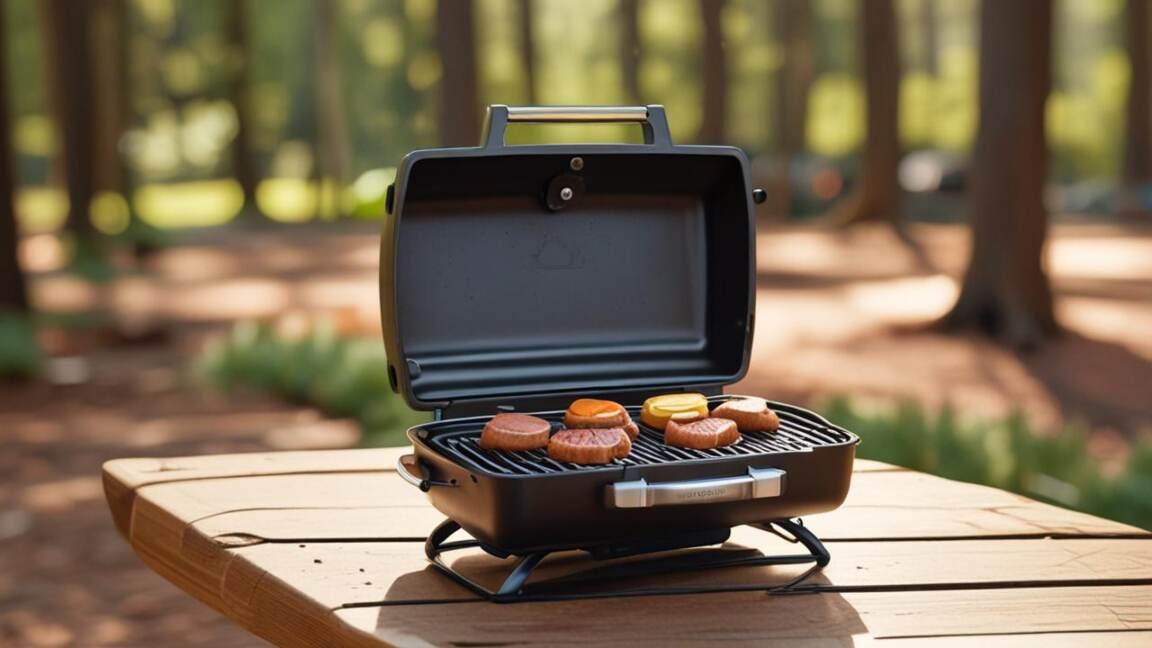
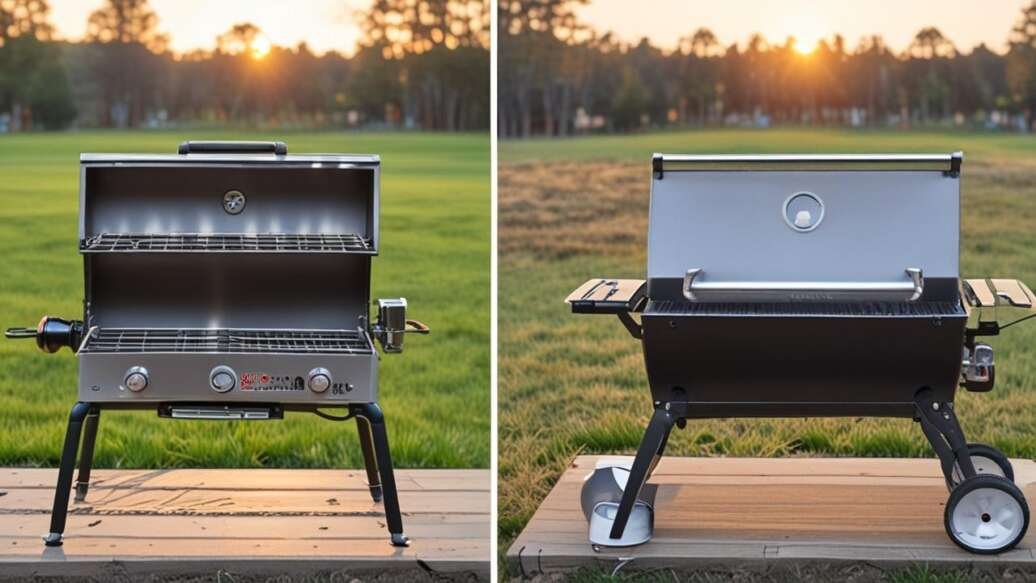
A portable gas grill is a compact cooking appliance built for travel. Most models have foldable legs and a latch that locks the lid. You can fit one in the trunk of a small car or store it in a closet at home.
According to the, portable grills now account for nearly a quarter of all gas grill purchases. People buy them for camping trips, tailgate parties, and small apartment balconies. These grills typically use a small disposable propane bottle or a standard 20-pound tank with an adapter.
Most portable gas grills sacrifice cooking space for portability. You usually get one burner and about 250 square inches of grilling area. This means you can cook around four to six burgers at one time. The heat output is lower, so preheating takes a bit longer.
Important: The reports that grill fires peak during summer months. Always check your local fire code before using a portable grill on a balcony or deck.
What Is a Full-Size Gas Grill?
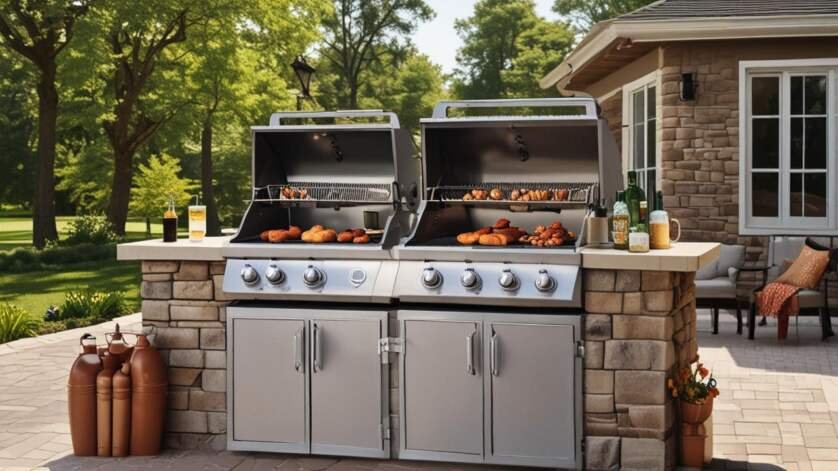
A full-size gas grill is a large stationary appliance designed for outdoor kitchens and patios. These grills come on a sturdy cart with wheels and have multiple burners. They offer much more cooking power and space than portable models.
Full-size gas grills have between three and six main burners. Some also include a side burner for cooking sauce or sides. The large cooking surface lets you grill for parties of ten or more people. The higher BTU output means the grill gets hotter and sears meat better.
Consumer Reports notes that full-size grills often include features like a rotisserie kit, built-in thermometer, and storage cabinets. These grills are heavier to move, but they provide consistent heat for long cooking sessions.
How Does the Cooking Performance Compare?
Heat Output and Distribution
The most obvious difference between a portable and a full-size gas grill is the heat output. Full-size grills produce more BTUs, which stands for British Thermal Units. This unit measures how much heat the burners generate.
A portable grill typically produces between 5,000 and 15,000 BTUs. A full-size grill produces between 25,000 and 60,000 BTUs. Higher BTUs mean the grill reaches your target temperature faster and recovers heat quickly after you open the lid.
However, more BTUs do not always mean better cooking. The size of the cooking chamber matters too. A smaller portable grill with 10,000 BTUs heats up faster than a large grill with 30,000 BTUs because it has less empty space inside.
Searing and Temperature Control
Full-size grills offer better searing performance. The high heat output creates a crust on steaks and burgers that locks in juices. Many full-size models include infrared technology, which superheats a ceramic plate for intense searing.
Portable grills struggle to reach the same searing temperatures. Most portable models top out at around 500 degrees Fahrenheit. That temperature is fine for hot dogs and chicken, but it will not give you a restaurant-quality sear on a thick steak.
Temperature control is also easier on a full-size grill. The multiple burners let you create zones of direct and indirect heat. You can sear a steak on the hot side and finish it on the cool side. Portable grills have fewer burners, so you have less control over different heat zones.
Pros and Cons of Portable Gas Grills
- Pro: Very easy to transport for camping, tailgating, and beach trips.
- Con: Limited cooking space makes it hard to cook for large groups.
- Pro: Uses less fuel per session, which reduces running costs.
- Con: Lower heat output makes it difficult to sear meat properly.
- Pro: Takes up very little storage space in a garage or closet.
- Con: Small cooking grates make it hard to manage flare-ups.
Pros and Cons of Full-Size Gas Grills
- Pro: Large cooking surface lets you grill for ten or more people at once.
- Con: Heavy weight makes it difficult to move around the yard.
- Pro: Higher BTUs provide better heat for searing steaks and chops.
- Con: Takes up significant space on a deck or patio.
- Pro: Extra features like side burners and rotisseries add cooking versatility.
- Con: Cost is much higher than portable models, especially for premium brands.
Portability, Fuel, and Storage
Where You Can Use Each Grill
Portable grills are designed for mobility. You can take them to a park, a campsite, or a friend’s house. Many portable models have carrying handles and weigh under 30 pounds. This makes them easy to pack for road trips.
Full-size grills are meant to stay in one place. They weigh over 100 pounds and do not fold up. You typically keep them on a deck, balcony, or patio for an entire cookout season.
Comparing Fuel Types
Portable grills mostly use small 1-pound propane bottles. These bottles are cheap and easy to find at hardware stores. However, they only last about one to two hours at high heat. Some portable models accept a standard 20-pound propane tank, which gives you many more hours of burn time.
Full-size grills typically run on 20-pound propane tanks or a natural gas hookup. Natural gas is a convenient option because you never run out of fuel in the middle of cooking. However, connecting a grill to a natural gas line requires a professional installer in most areas.
| Fuel Type | Best For | Average Burn Time |
|---|---|---|
| 1-pound Propane Bottle | Portable grills | 1 – 2 hours (high heat) |
| 20-pound Propane Tank | Portable and Full-size grills | 18 – 20 hours (medium heat) |
| Natural Gas | Full-size grills | Unlimited (connected to gas line) |
Which Grill Should You Choose?
Choose a Portable Gas Grill If You:
- Live in a small apartment or condo with limited outdoor space.
- Plan to take your grill camping, tailgating, or to the beach.
- Usually cook for just one or two people at a time.
- Need a budget-friendly option under $200.
- Want a grill that you can store in a closet or trunk when not in use.
Choose a Full-Size Gas Grill If You:
- Have a large backyard, deck, or patio where you entertain guests.
- Cook for four or more people on a regular basis.
- Want the ability to sear steaks, use a rotisserie, or smoke food.
- Prefer a grill with multiple heat zones for versatile cooking.
- Are willing to invest several hundred dollars for a long-lasting appliance.
Tip: If you have a small apartment but still want a full-size cooking experience, look for a “compact full-size” grill. Brands like Weber and Napoleon make models that have three burners but a smaller footprint than traditional full-size grills.
Common Myths About Portable and Full-Size Grills
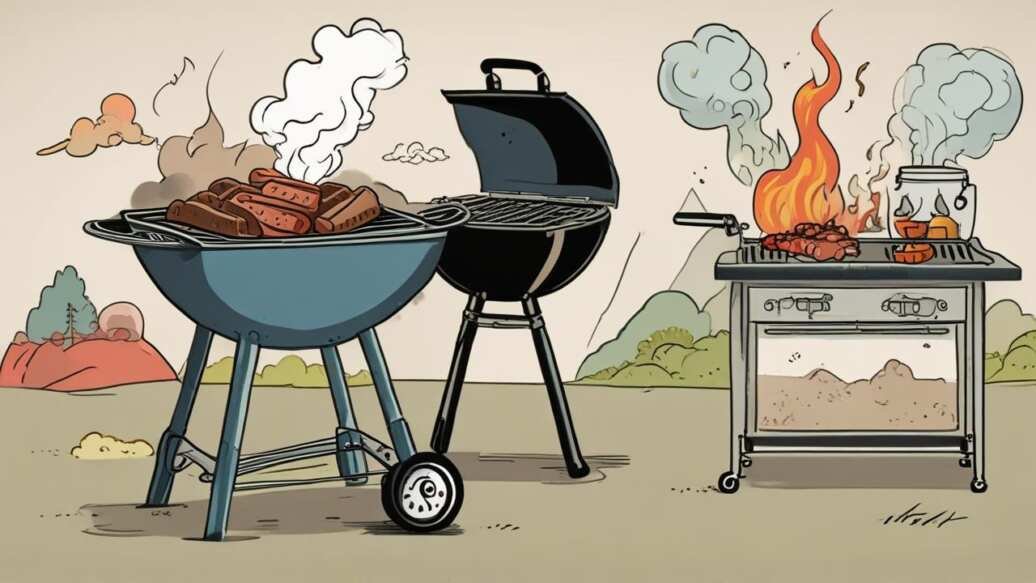
Myth 1: Full-size grills always cook faster than portable grills
Fact: Cooking speed depends on the grill’s ability to hold heat, not just its size. A small portable grill heats up faster because there is less air inside to heat up. However, a full-size grill holds steady heat longer when cooking large amounts of cold food.
Myth 2: Portable grills cannot cook a full meal
Fact: You can cook a full meal on a portable gas grill using the right techniques. Grill chicken on the main grate and use a small cast iron pan for vegetables. Many portable models come with a griddle plate that lets you cook eggs and bacon for breakfast.
Myth 3: More BTUs always means a better grill
Fact: BTU output is just one factor. The design of the cooking chamber, the quality of the burners, and the thickness of the grates all affect cooking performance. A well-designed portable grill with 10,000 BTUs can cook food just as well as a poorly designed full-size grill with 30,000 BTUs.
How to Choose the Right Gas Grill for Your Home
Follow these steps to decide between a portable and a full-size gas grill for your specific situation.
- Measure your available outdoor space. Write down the width and depth of your deck, balcony, or patio.
- Decide how many people you cook for most of the time. A family of four needs less space than a party host.
- Set a budget range. Portable grills start around $50. Full-size grills with good features start at about $400.
- Check your local fire regulations. Some buildings ban propane tanks on balconies, which would limit you to a portable grill with small bottles.
- Read online reviews that mention first-hand experience with heat distribution and build quality.
Pro Tips for Maintaining Your Gas Grill
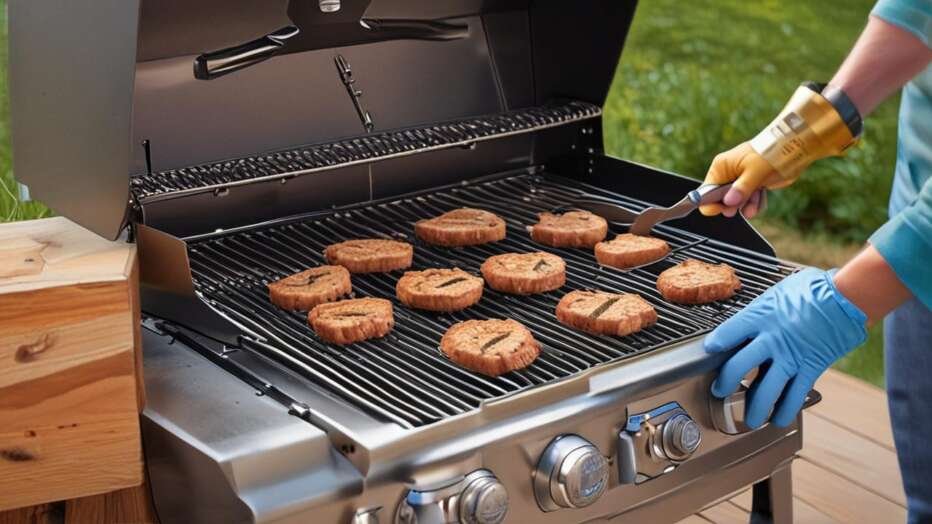
- Clean the grates with a wire brush after every use to prevent food from sticking.
- Check the grease tray regularly and empty it to avoid creating a fire hazard.
- Store your grill under a waterproof cover when you are not using it, even if it is portable.
- Replace the regulator and hose every few years if you use a propane tank to prevent gas leaks.
- Season cast iron grates with vegetable oil after cleaning to prevent rusting.
Warning: Never use a portable gas grill inside a tent, camper, or garage. Grills produce carbon monoxide, which is a colorless and odorless gas that can be deadly in enclosed spaces.
Resources and Tools for Gas Grill Buyers
- Weber Traveler – A popular portable gas grill with a foldable cart and one powerful burner.
- Napoleon Rogue 425 – A full-size gas grill with a ceramic infrared burner for searing.
- GrillGrate – Reversible stainless steel grates that boost heat in both portable and full-size grills.
- ThermoPro Meat Thermometer – Instant-read tool that helps you avoid undercooked or overcooked meat.
Frequently Asked Questions
How long does a 1-pound propane bottle last on a portable grill?
A 1-pound propane bottle lasts roughly one to two hours when you cook at high heat. If you use the low setting, you can extend that time to around three hours.
Can I connect a portable gas grill to a standard 20-pound propane tank?
Yes, most portable gas grills have an adapter fitting that connects to a standard 20-pound tank. This gives you around 20 hours of burn time instead of just two hours from a small bottle.
Are full-size gas grills hard to put together?
Most full-size grills require between 60 and 90 minutes of assembly. You typically need a screwdriver, a wrench, and a second person to help lift the body into place.
What size grill do I need for a family of four?
A portable gas grill with at least 300 square inches of cooking space works for a family of four. A full-size grill with 500 square inches gives you room to cook sides alongside the main dish.
How often should I replace the grates on my gas grill?
According to the team, standard cast iron grates last about two to three years. Stainless steel grates last slightly longer if you clean them after every use.
Final Thoughts
The choice between a portable and a full-size gas grill depends on your cooking habits and available space. A portable grill is the best fit for small groups and outdoor adventures. A full-size grill gives you the power and surface area needed to feed a crowd with professional-level results. Invest in a unit with solid construction and focus on practical features rather than just the listed British Thermal Units value.