When a patio heater rusts in winter, moisture from rain, snow, and condensation corrodes the burner assembly, clogs gas lines, and weakens the housing, creating fire hazards and gas leaks. Rust damage typically compromises the burner ports and gas valve within one season, leading to uneven heat and unsafe operation. Covering the heater when not in use cuts rust risk by more than 50 percent, and monthly burner inspections during winter can prevent unsafe leaks and extend the heater’s life.
Rust turns a warm winter gathering into a serious safety risk. This post explains what happens when moisture attacks your heater and how to stop it before damage sets in.
Quick Verdict: In short, rust weakens the burner, clogs gas lines, and corrodes the housing of a patio heater rusts during winter. Winter moisture accelerates oxidation, leading to uneven heat, gas leaks, and fire hazards. Without proper maintenance, a rusty heater becomes unsafe to use within one season.
Key Takeaways
- Rust on a patio heater rusts creates a fire risk by clogging burner ports and trapping gas inside the unit.
- Moisture from rain, snow, and condensation corrodes the burner assembly and gas valve during winter storage.
- A stainless steel burner lasts 3 to 5 times longer than a standard steel burner in outdoor conditions.
- Covering your heater when not in use cuts the risk of rust damage by more than 50 percent.
- Inspecting the burner for rust each month during winter can prevent unsafe gas leaks and extend the heater’s life by years.
What Is Patio Heater Rust and Why It Matters in Winter
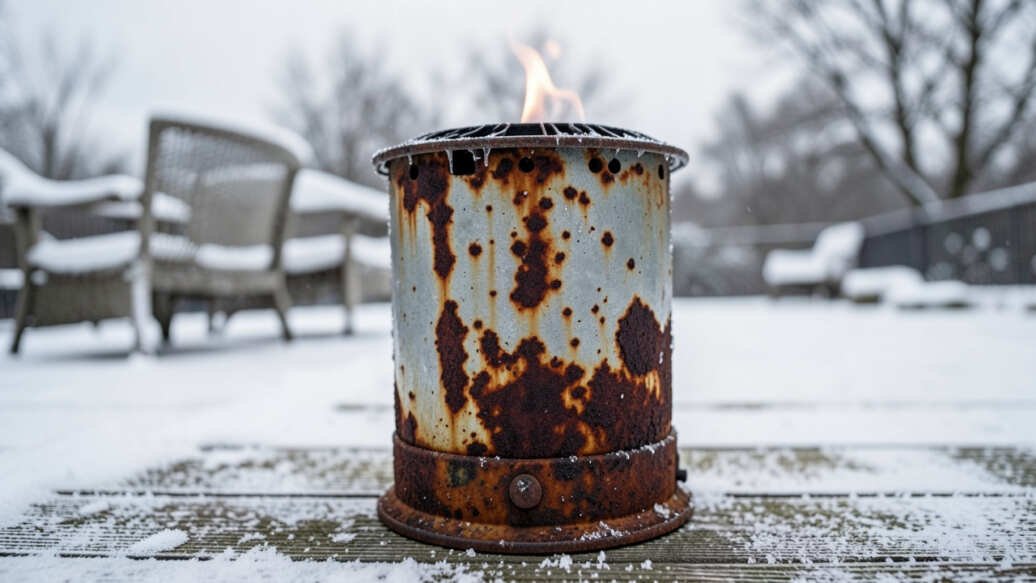
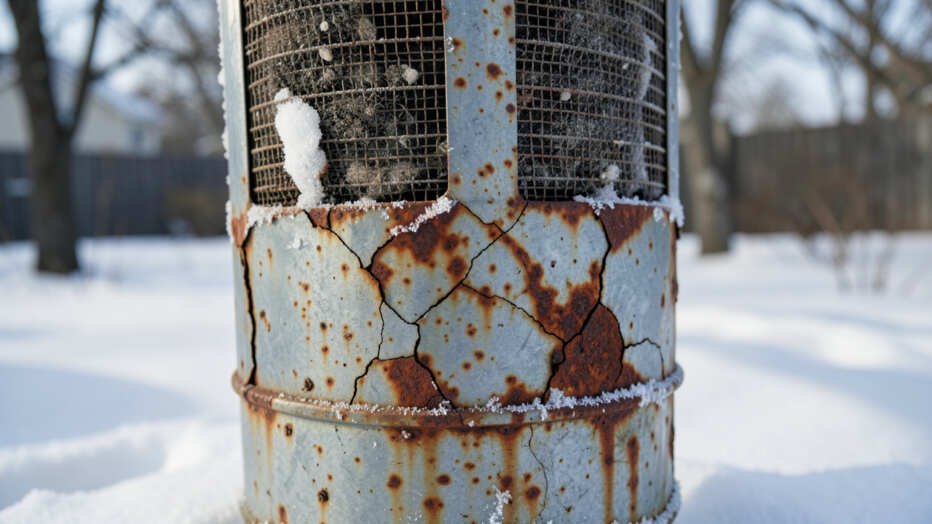
Rust is iron oxide that forms when iron or steel reacts with oxygen and moisture. On a patio heater, this chemical reaction attacks metal components exposed to rain, snow, and condensation. Winter creates the perfect conditions for rust because cold air holds less moisture, but the freeze-thaw cycle produces constant wet-dry cycles that speed up corrosion.
According to the, rust is the leading cause of failure for outdoor gas appliances. The problem grows worse in winter because heaters sit unused for days or weeks while moisture accumulates. A single winter season can reduce a heater’s lifespan by 30 to 40 percent if rust takes hold.
Warning: A rusty burner can produce carbon monoxide instead of clean heat. Always check your heater before lighting it after winter storage.
How Does Rust Damage a Patio Heater
Rust does not just make your heater look ugly. It attacks four critical systems that keep the heater safe and functional. Each system fails in a different way, and all four create real dangers.
The Burner Assembly
The burner is the part that produces flame. Rust flakes clog the tiny holes called burner ports. When ports get blocked, gas cannot escape evenly. This causes uneven flames, low heat output, and incomplete combustion. Incomplete combustion creates carbon monoxide, a deadly gas you cannot see or smell.
The states that gas-burning appliances with rusted burners are 4 times more likely to develop carbon monoxide issues. A simple visual check can catch burner rust before it becomes dangerous.
The Gas Valve and Orifice
Rust particles travel through the gas line and block the orifice, the tiny opening that meters gas flow. A blocked orifice starves the burner of fuel. The flame becomes weak and yellow instead of strong and blue. In severe cases, the gas valve itself corrodes shut or fails to close completely, leaving gas flowing after you turn the heater off.
The Housing and Reflector
The outer shell and reflector are made of steel or aluminum. Steel rusts quickly when scratches expose bare metal. Aluminum does not rust but can corrode or pit. A rusted housing weakens structural integrity. The reflector, which directs heat outward, loses reflectivity and reduces heating efficiency by up to 25 percent, according to data from.
The Thermocouple and Igniter
The thermocouple is a safety device that shuts off gas if the flame goes out. Rust on its tip interferes with heat sensing. The heater may shut off randomly or fail to light. The igniter electrode also rusts, creating a weak spark that cannot ignite the gas.
Types of Rust Damage on Patio Heaters
Rust does not attack all parts the same way. Different components face different risks. Here is how rust damages each major part of a typical patio heater.
| Component | Rust Effect | Safety Risk | Fix Difficulty |
|---|---|---|---|
| Burner | Clogged ports, uneven flame | Carbon monoxide, fire | Moderate |
| Gas valve | Sticking, incomplete shutoff | Gas leak, explosion | Hard |
| Thermocouple | Fails to sense flame | Gas continues flowing | Easy |
| Housing | Weak structure, holes | Stability, tipping | Hard |
| Igniter | Weak or no spark | Delayed ignition | Easy |
Who Is at Risk of Winter Rust Damage
Any patio heater left outside during winter faces rust risk. But some situations make the problem much worse.
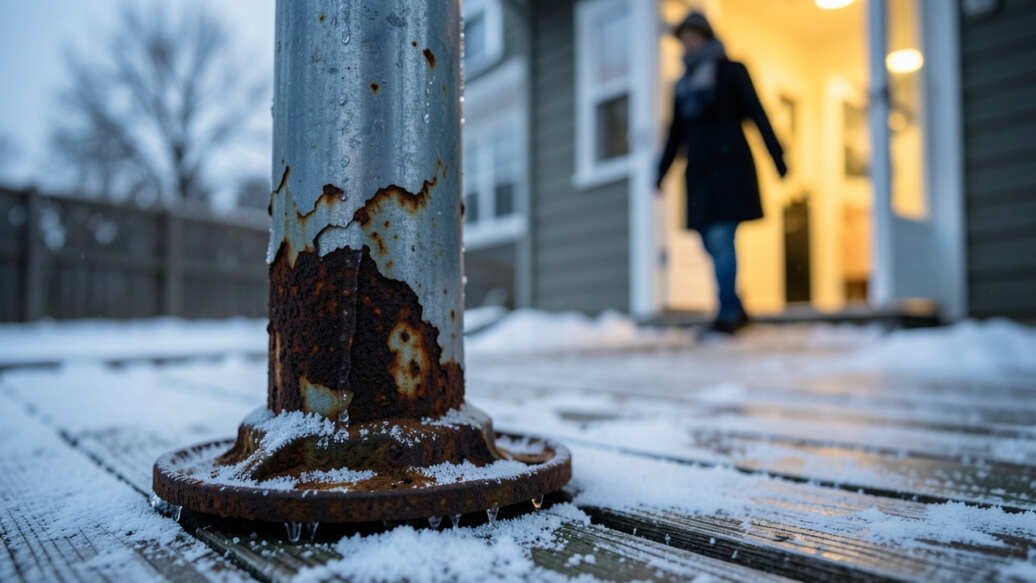
- Heaters stored without covers – Rain and snow land directly on the burner and housing. Moisture pools in crevices and freezes overnight, expanding cracks and exposing fresh metal to corrosion.
- Heaters used near saltwater – Coastal air carries salt particles that accelerate rust 3 to 5 times faster than freshwater alone, according to research from the.
- Heaters with painted or coated steel shells – Scratches in the paint expose raw metal. Rust spreads under the paint layer and causes bubbling and flaking.
- Heaters that sit on grass or dirt – Ground moisture wicks up through the base and corrodes the bottom of the unit. Concrete or patio stone provides a drier surface.
- Heaters from budget brands – Low-cost models often use thinner steel and cheaper paint that rusts faster. Stainless steel models from brands like Weber or Napoleon resist rust much longer.
Important: A heater used only a few times in winter can still rust. Condensation inside the gas line and burner tube forms when warm air hits cold metal. Always drain moisture from the propane tank and gas line before storing.
How to Prevent Rust on a Patio Heater in Winter
Prevention is far cheaper than replacement. A good cover costs around 30 to 60 dollars. A new heater costs 200 to 800 dollars. Here is a step-by-step process to keep rust away during winter.
Step 1 – Clean the Heater Before Storage
Wipe down all metal surfaces with a dry cloth. Remove any dirt or salt residue. Salt is hygroscopic, meaning it pulls moisture from the air. Even a small salt deposit can start rust within days. Use a mild soap solution for stubborn grime, then dry thoroughly.
Step 2 – Apply a Protective Coating
Spray the burner, gas valve, and exposed steel parts with a silicone-based corrosion inhibitor. Brands like CRC 3-36 or WD-40 Specialist work well. Avoid oil-based coatings on the burner itself because they can clog ports. Focus on the gas valve stem, thermocouple tip, and housing seams.
Step 3 – Cover the Heater Properly
Use a waterproof cover that fits snugly. The cover should have ventilation holes to let condensation escape. A tight cover without ventilation traps moisture underneath and makes rust worse. Premium covers from or include breathable fabric layers.
Tip: If you cannot cover the entire heater, at least cover the burner and gas valve. A plastic bag secured with a zip tie keeps moisture off critical parts.
Step 4 – Store the Propane Tank Separately
Disconnect the propane tank and store it in a dry, ventilated area. Leave the tank valve open slightly to release pressure and prevent moisture from backing into the gas line. According to the, storing a tank attached to the heater through winter triples the risk of valve corrosion.
Step 5 – Inspect Monthly
Check the heater once a month during winter. Remove the cover and look for rust spots, especially on the burner and gas valve. Catching rust early lets you sand it off and reapply coating before it spreads.
Common Myths vs Facts About Patio Heater Rust
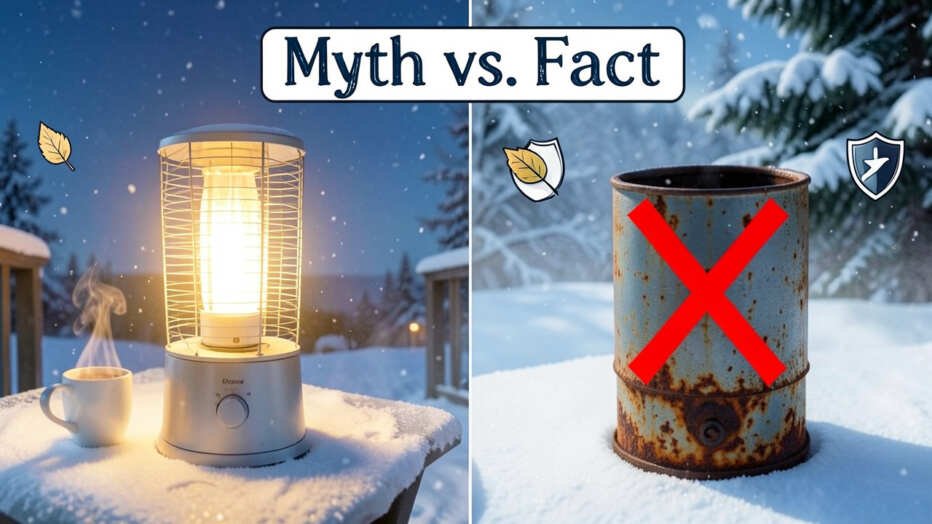
Many people believe rust is just a cosmetic problem. That belief leads to unsafe heaters and expensive replacements. Here are the most common myths and the real facts.
- Myth: Stainless steel never rusts. Fact: Stainless steel resists rust but does not prevent it completely. Grade 304 and 430 stainless can rust in salty coastal air or if exposed to chlorine. Grade 316 stainless offers better protection but costs more.
- Myth: A rusty heater still works fine. Fact: Rust changes how gas burns. A rusted burner produces less heat and more carbon monoxide. The warns that rusted gas appliances cause dozens of home fires each year.
- Myth: Painting over rust fixes it. Fact: Paint traps moisture under the surface and makes rust spread faster. You must remove all rust down to bare metal before painting. Use a wire brush or sandpaper first, then apply high-heat paint rated for outdoor use.
How to Fix Rust on a Patio Heater
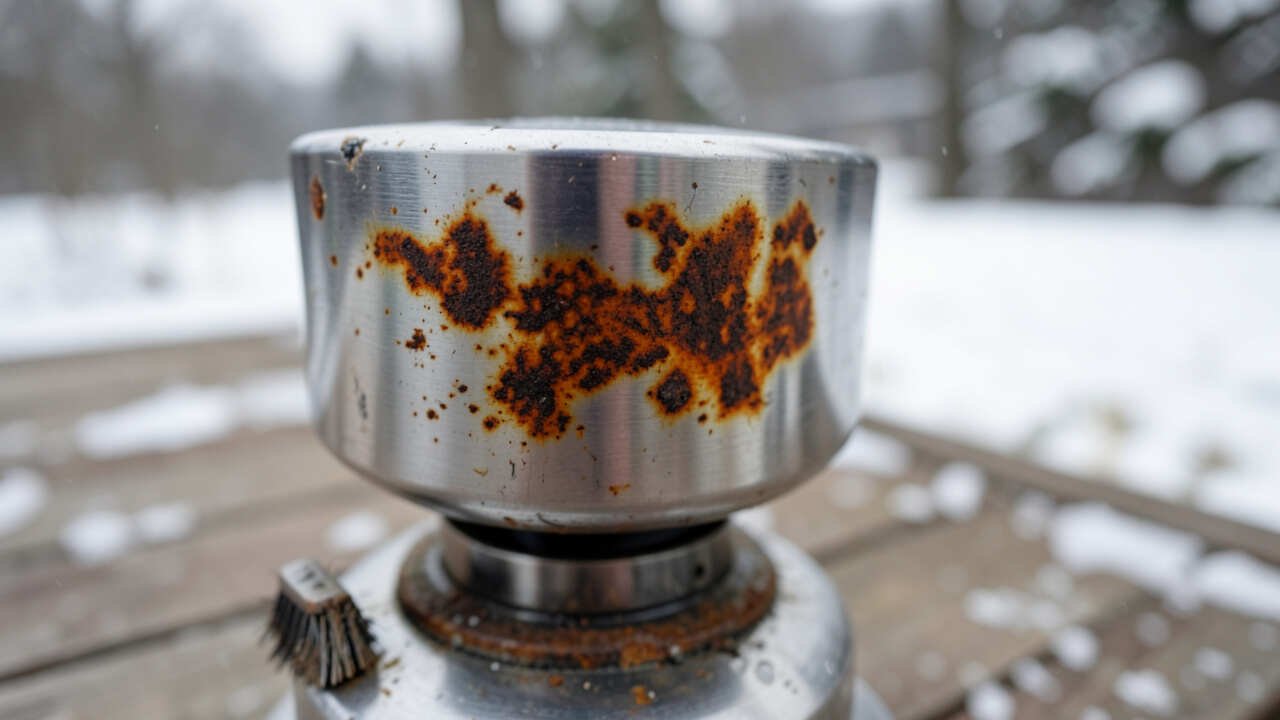
If you find rust early, you can fix it without replacing the heater. The repair method depends on which part is affected.
Fixing Surface Rust on the Housing
Sand the rusted area with 120-grit sandpaper until shiny metal appears. Wipe clean with a damp cloth and let dry. Apply a primer made for metal surfaces, then paint with high-heat enamel. Allow 24 hours of dry time before using the heater.
Fixing a Rusted Burner
Remove the burner from the heater. Use a wire brush to scrub off loose rust. Run a thin wire through each burner port to clear clogs. If the burner has deep pitting or holes, replace it. Burner replacements cost 20 to 50 dollars for most standard models.
Fixing a Rusted Thermocouple
Sand the tip of the thermocouple with fine-grit sandpaper. Wipe clean. If the rust has eaten through the metal, replace the thermocouple. A new thermocouple costs 10 to 20 dollars and installs in minutes.
When to Replace Instead of Fix
Some rust damage is too severe to repair safely. Replace the heater if any of these conditions exist.
- The gas valve is stuck or will not turn fully.
- The housing has holes larger than a dime.
- The burner has visible cracks or missing sections.
- The gas line shows rust flakes inside the fitting.
Warning: Never use a heater that smells like gas when the valve is off. A rusted gas valve may not seal properly. Call a professional or replace the unit immediately.
Pro Tips for Rust-Free Winters
These tips come from years of experience with outdoor gas appliances. They work for all major brands, including Bromic, Fire Sense, and Bond.
- Elevate the heater on a small platform or pavers to keep it off wet ground. Even a 2-inch gap reduces moisture wicking.
- Spray the gas valve stem with silicone lubricant before and after each use in winter. This keeps the O-ring from drying out and cracking.
- Use a desiccant packet inside the burner cover during storage. Silica gel packets absorb condensation that forms inside the covered burner.
- Run the heater on high for 10 minutes before shutting it off for the season. This burns off any moisture trapped in the gas line and burner.
- Replace the propane hose every 3 years. Hoses develop micro-cracks from winter freeze-thaw cycles, which let moisture enter the gas system.
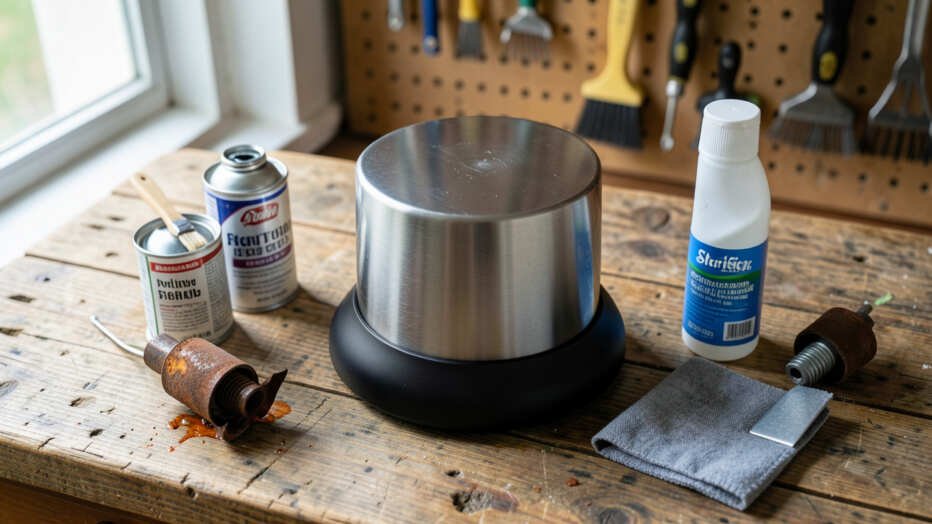
Resources and Tools for Rust Prevention
These tools and resources help you keep your heater rust-free through winter.
CRC 3-36 Corrosion Inhibitor – A silicone-based spray that protects metal parts from moisture. Safe for use on gas fittings and burners.
Weber Premium Cover – A breathable, waterproof cover designed to fit Weber heaters. Includes ventilation panels to prevent condensation.
Propane Education and Research Council – Official guidelines for propane tank storage and maintenance during winter months.
Silica Gel Desiccant Packets – Reusable packets that absorb moisture inside covers and storage areas. Place one inside the burner cover for extra protection.
High-Heat Enamel Paint – Paint rated for 500 to 1200 degrees Fahrenheit. Use for touch-ups on rusted housing areas.
Frequently Asked Questions
Can a rusty patio heater cause a fire?
Yes. Rust clogs burner ports and traps gas inside the heater. Gas can build up and ignite in a flash fire. According to the, gas-fired outdoor heaters cause an average of 200 home fires per year, many linked to rusted burners.
How long does it take for a patio heater to rust in winter?
A standard steel burner can show visible rust within 2 to 4 weeks of winter exposure if left uncovered. Stainless steel models last 2 to 3 months before corrosion starts, depending on humidity and salt exposure.
Should I store my patio heater indoors during winter?
Yes, if you have space. A dry garage or shed protects the heater from rain, snow, and condensation. If indoor storage is not possible, use a vented cover and elevate the heater off wet ground.
Does covering a patio heater prevent all rust?
No. A cover reduces moisture exposure by about 60 percent but does not eliminate it. Condensation still forms under the cover on cold nights. Use a cover with ventilation and add a desiccant packet for the best protection.
Can I use a patio heater with a rusted burner?
Not safely. A rusted burner produces incomplete combustion, which creates carbon monoxide. It also increases the risk of flare-ups and gas leaks. Replace or clean the burner before using the heater again.
Final Thoughts
Rust is the biggest threat to your patio heater’s lifespan and safety during winter. Cover the heater, clean it before storage, and inspect the burner and gas valve monthly. A small investment in prevention saves you from buying a new heater every year. Check your heater today before the next snow storm arrives.