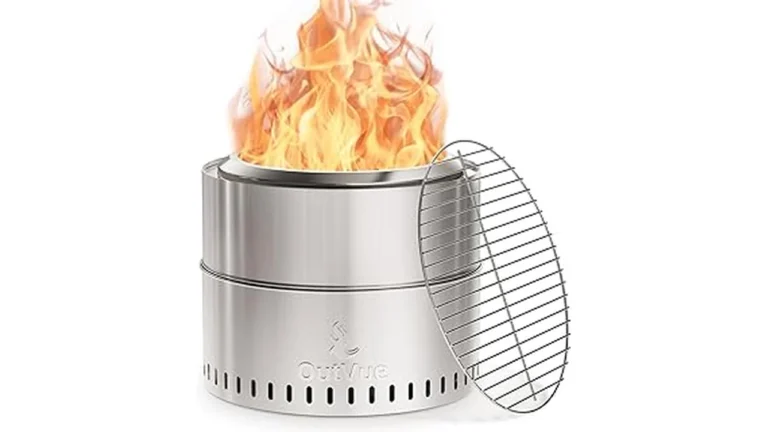
The six most common mistakes people make with their first propane fire pit are ignoring local codes, choosing the wrong size, underestimating wind, using the wrong tank, skipping burner maintenance, and failing to test for gas leaks. Avoiding these errors prevents safety risks such as gas buildup, poor heat output, and potential explosions while ensuring compliance with regulations. Proper planning and regular maintenance allow for hassle-free enjoyment of the fire pit from the start.
Buying your first propane fire pit is exciting. But most people make simple mistakes that turn a dream feature into a hassle.
Quick Verdict: The six most common propane fire pit mistakes are ignoring local codes, buying the wrong size, underestimating wind, using the wrong tank, skipping burner maintenance, and never testing for gas leaks. Avoid these to enjoy safe, hassle-free fires from day one.
Key Takeaways
- Local fire regulations often require specific setbacks from structures and combustible materials.
- A propane fire pit that is too large or too small for your space will not perform well and can be dangerous.
- Wind shields or built-in wind protection are essential for stable flames in exposed areas.
- Using a standard 20-pound propane tank with a high-BTU pit can cause performance issues and safety risks.
- Annual burner cleaning and a simple soapy-water leak test prevent gas buildup and dangerous explosions.

Quick Comparison of the 6 Mistakes
| Mistake | Primary Risk | Quick Fix |
|---|---|---|
| Ignoring local regulations | Fines, voided insurance, forced removal | Check city and HOA rules before buying |
| Choosing wrong size | Poor heat output, crowded space | Match pit diameter to patio size and seating |
| Underestimating wind | Flame blowout, wasted fuel, fire hazard | Buy a pit with wind guard or use a portable shield |
| Using wrong propane tank | Low flame, regulator freeze, gas leak | Use a 20-pound tank for most pits; check BTU requirements |
| Skipping burner maintenance | Uneven flames, soot buildup, unsafe operation | Clean burner ports annually with a brush |
| Never testing for gas leaks | Gas buildup, fire, explosion | Do a soapy water test every season |
1 – Ignoring Local Regulations and HOA Rules
Overview
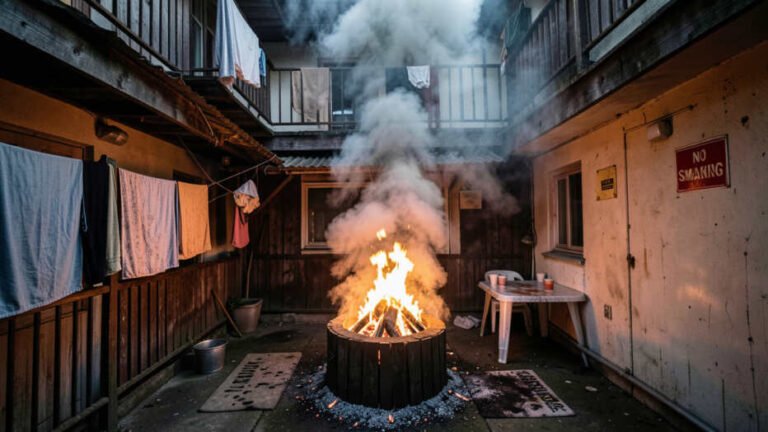
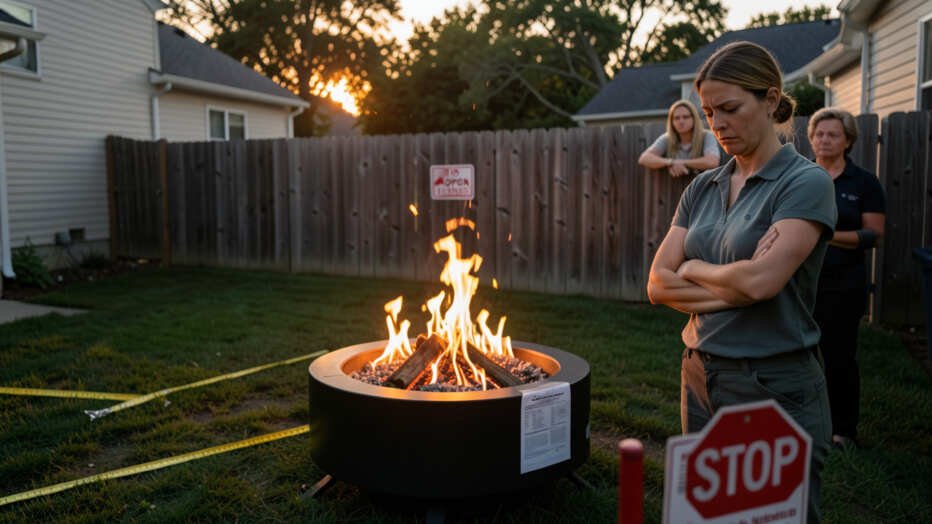
Many first-time buyers assume a propane fire pit is “just a piece of furniture.” They skip checking local fire codes or homeowners association rules. This mistake can lead to fines or forced removal.
Pros (Why People Do It)
It feels easy and fast. You see a pit online, you buy it, you use it. No one wants to read city ordinances.
Cons (The Real Cost)
According to the, over 50% of U.S. cities have specific setback requirements for outdoor fire pits. Some ban them entirely on balconies. Violations can cost hundreds in fines and even trigger insurance denials.
Best For (Who Makes This Mistake)
Renters and condo owners are the most at risk. They often buy a pit without realizing their lease or HOA bans open flames on decks or patios.
2 – Choosing the Wrong Size for Your Space
Overview
Bigger is not always better. A massive fire pit on a small patio overwhelms the area and restricts movement. Too small a pit in a large yard gives almost no heat.
Pros (Why People Do It)
Retailers push large pits as “more dramatic” or “better heat output.” Buyers often pick based on looks rather than measurements.
Cons (The Real Cost)
A pit that is too large creates fire hazards because people sit too close. One that is too small wastes propane and disappoints guests. The suggests a 30-inch diameter pit for a 10×10 foot patio. Go bigger only if you have at least 15 feet of clearance.
Best For (Who Makes This Mistake)
People with small urban balconies or large open yards are the most likely to misjudge size. Measure your space first.
3 – Underestimating Wind Conditions
Overview
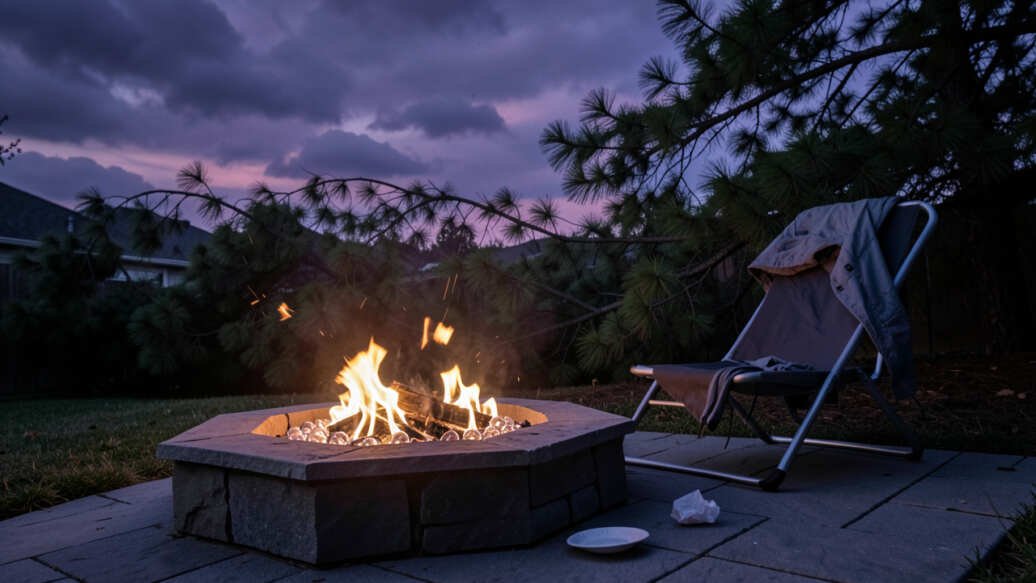
Wind is the number one enemy of a propane fire pit. Many owners set up their pit in an open area without any wind protection. A gust can blow out the flame, wasting fuel and creating a gas leak.
Pros (Why People Do It)
They see online photos of fire pits in open fields. They assume their backyard is similar. It’s easy to forget how breezy a typical yard gets.
Cons (The Real Cost)
Without a wind shield, the flame becomes unstable. According to, wind-related blowouts are a leading cause of unburned gas accumulation, which can ignite later. A pit that keeps blowing out is also frustrating to use.
Best For (Who Makes This Mistake)
Homeowners in open, coastal, or high-elevation areas should be most careful. If you live in a windy region, buy a pit with a built-in wind guard or invest in a separate windscreen.
4 – Using the Wrong Propane Tank Size
Overview
Most propane fire pits use the same standard 20-pound tank as a gas grill. But some owners try to use smaller camp-size tanks or large bulk tanks without proper regulators. This creates performance and safety issues.
Pros (Why People Do It)
A smaller tank seems easier to handle. A larger tank seems like a good deal. Neither works correctly without the right valve.
Cons (The Real Cost)
A 1-pound camping tank cannot deliver enough fuel for a high-BTU pit. You will get a weak flame and the tank freezes quickly. Using a 30-pound or 40-pound tank with a standard regulator can overpressurize the system. The reports that improperly matched tanks cause over 20% of propane fire pit related incidents each year.
Best For (Who Makes This Mistake)
Campers and people who already own small propane tanks for grills often experiment with different sizes. Stick to the tank size specified by the manufacturer.
5 – Skipping Burner and Valve Maintenance
Overview
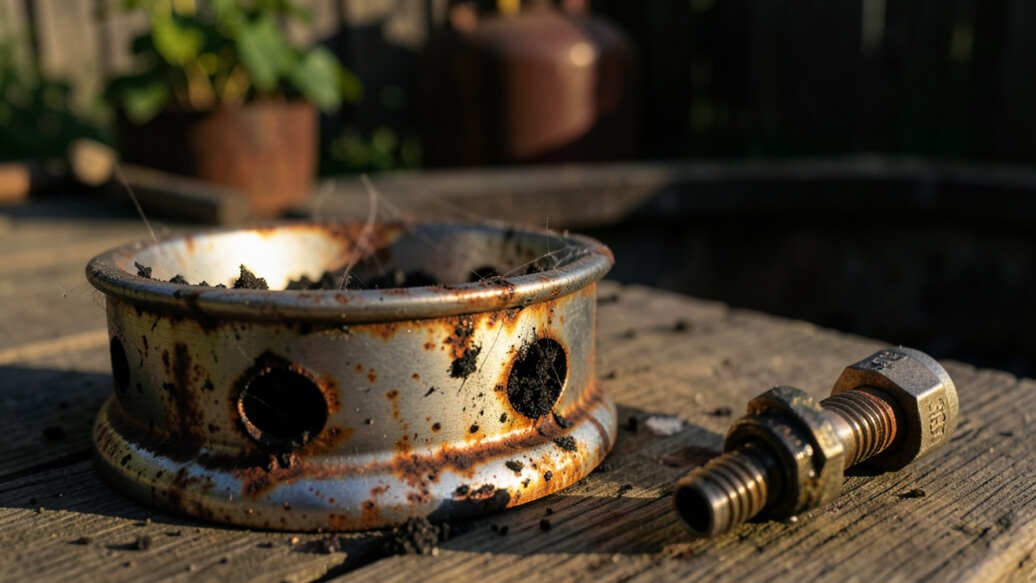
Propane fire pits require simple yearly maintenance. Many owners never clean the burner ports or check the valves. Dirt, spider webs, and rust block the gas flow.
Pros (Why People Do It)
It looks clean on the outside. People think “it’s just fire, it burns clean.” They ignore the hidden parts.
Cons (The Real Cost)
Blocked burner ports cause uneven flames and yellow soot. Over time, a clogged valve can prevent the pit from lighting at all. According to, regular cleaning extends the life of a propane fire pit by 3 to 5 years. A thorough cleaning takes 30 minutes.
Best For (Who Makes This Mistake)
Owners who use their pit only a few times a year are most likely to skip maintenance. Set a calendar reminder to clean it each spring.
6 – Never Testing for Gas Leaks
Overview
The most dangerous mistake is assuming the gas system is leak-free. Hoses, connections, and valves develop leaks over time. Yet most people never perform a simple leak test.
Pros (Why People Do It)
It’s an extra step. People trust that a new pit is perfect and an old pit still works fine.
Cons (The Real Cost)
A gas leak can build up inside the fire pit or near the tank. When ignited, it can cause a flash fire or explosion. The estimates that failure to check for gas leaks contributes to 15% of all propane fire pit accidents. The test takes 5 minutes: mix dish soap and water, apply to connections, and look for bubbles.
Best For (Who Makes This Mistake)
Anyone who stores their pit over winter or disconnects the tank frequently should test before each use. Make leak testing a seasonal habit.
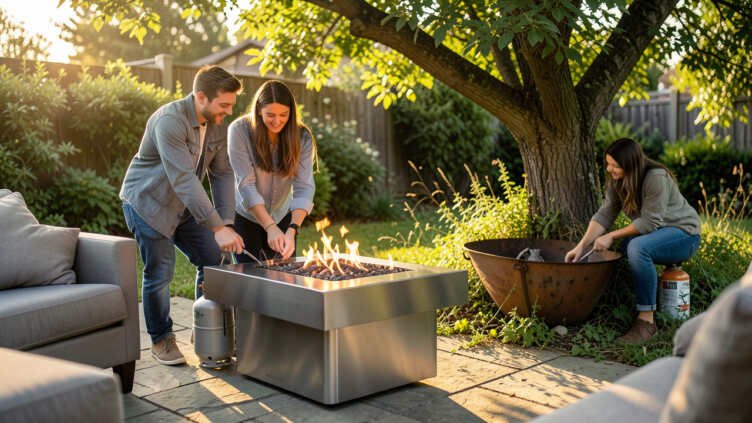
How to Choose the Right Fire Pit to Avoid These Mistakes
Selecting a propane fire pit is easier when you know what to look for. Use this checklist to avoid the six mistakes above.
| Checklist Item | Why It Matters | Action to Take |
|---|---|---|
| Measure your patio or deck | Avoids buying a pit that is too big or too small | Use painter’s tape to outline the pit footprint |
| Check local codes and HOA rules | Prevents fines and forced removal | Contact your city’s fire prevention office |
| Consider wind exposure | Ensures stable flame and safe operation | Choose a pit with a built-in wind guard or buy a separate screen |
| Choose the correct tank size | Matches fuel delivery to BTU output | Stick to the tank size recommended in the manual |
| Plan for maintenance | Extends pit life and improves safety | Set a yearly cleaning reminder in your phone |
| Buy a leak test kit | Prevents gas buildup and fires | Use soapy water every time you change the tank |
Common Myths vs. Facts About Propane Fire Pits
Several misconceptions lead to the mistakes listed above. Here are the three most common myths, corrected.
Myth 1: You can use any propane tank with any fire pit.
Fact: Each fire pit is designed for a specific tank size and pressure. Using the wrong tank can cause regulator failure or a gas leak. Always match the tank type to the manufacturer’s specifications.
Myth 2: Propane fire pits are safe to use indoors or under covered patios.
Fact: Propane fire pits produce carbon monoxide and must be used outdoors with proper ventilation. According to the, hundreds of people visit emergency rooms each year from carbon monoxide poisoning due to improper use of fuel-burning devices indoors.
Myth 3: A propane fire pit requires no maintenance because it burns clean.
Fact: Even clean-burning propane can leave soot and debris in the burner ports. Insects and rust also block gas flow. Annual cleaning is essential for safe operation.
Frequently Asked Questions
How often should I clean my propane fire pit burner?
Clean the burner ports at least once per year before your first use of the season. If you use the pit more than once a week, clean it every six months. Use a soft brush to remove debris.
Can I use a 1-pound propane tank on my fire pit?
Only if the manufacturer specifically allows it. Most standard pits require a 20-pound tank to supply enough fuel. A 1-pound tank will produce a weak flame and may freeze up quickly.
What is the safest way to test for a propane leak?
Mix equal parts dish soap and water in a spray bottle. Spray all connections while the gas is on. If you see bubbles forming, you have a leak. Turn off the gas immediately and tighten the connection.
Do I need a permit to install a propane fire pit?
Requirements vary by city. Some areas require a building permit for permanently installed pits. Portable pits usually do not need a permit, but must meet setback requirements. Check with your local fire department before buying.
How long does a 20-pound propane tank last on a fire pit?
On average, a 20-pound tank provides 8 to 12 hours of burn time at medium flame. High-BTU pits may consume fuel faster. The says you can expect about 15,000 BTU per hour, so a 40,000 BTU pit uses about 2.7 pounds per hour.
Resources and Tools
- NFPA Fire Pit Safety Checklist – Official safety guidelines for fire pits.
- PERC Propane Safety Tips – Educational resources from the industry.
- CPSC Product Recalls – Check if your fire pit model has been recalled.
- Soapy Water Leak Test Instructions – Step-by-step guide from a gas safety expert.
Final Thoughts
Avoiding these six common mistakes will save you money, frustration, and potential danger. Take time to check local rules, size your pit correctly, and maintain it yearly. With the right preparation, your propane fire pit will provide years of warm, safe enjoyment.