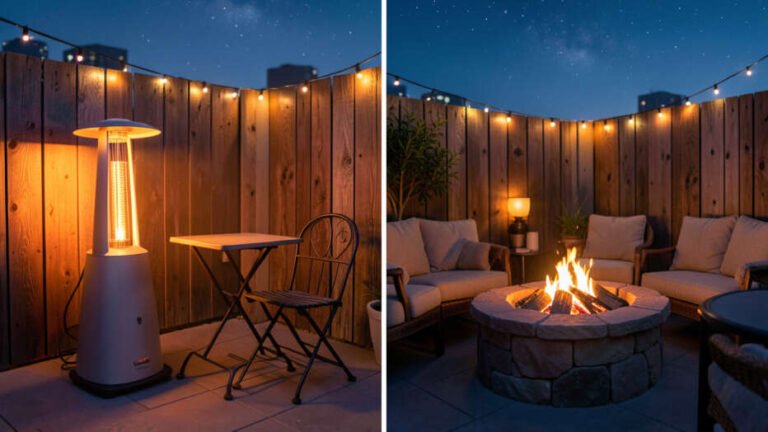
Most smokeless fire pit issues such as poor airflow, weak flames, or surface rust can be resolved with simple cleaning or part replacement, while cracks in the burn chamber or a warped base typically require a full replacement. Cleaning the secondary air holes addresses over 80 percent of performance problems, and surface rust on stainless steel is cosmetic and not a structural concern. A repair is only advisable when its cost remains under half the price of a new fire pit, and regular maintenance can extend the unit's lifespan by two to three years.
Your smokeless fire pit is not burning as clean as it used to. This guide helps you decide between a simple repair and a full replacement.
Quick Verdict: In short, most smokeless fire pit issues like poor airflow, weak flames, or surface rust can be fixed with basic cleaning or replacing simple parts. You only need a new unit if the burn chamber is cracked, the base is warped, or repairs would cost more than half the price of a new fire pit.
Key Takeaways
- Cleaning the secondary air holes can solve over 80 percent of common performance issues.
- Surface rust on stainless steel fire pits is cosmetic and does not require replacement.
- Cracks in the burn chamber or warped bases almost always mean you need a new fire pit.
- A simple replacement of the ash pan or grate costs between $15 and $50 in most cases.
- Regular maintenance after each use extends the life of a smokeless fire pit by two to three years.
Common Smokeless Fire Pit Problems and Fixes
Most issues with a smokeless fire pit come from blocked airflow or normal wear. Here are the most common problems and how to check each one.
Poor Airflow
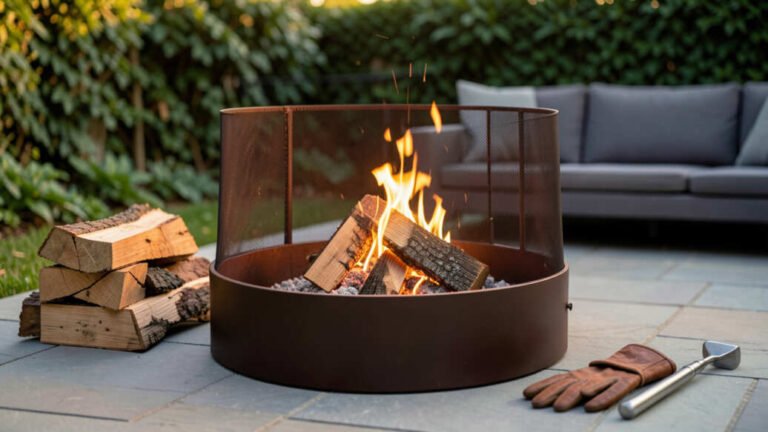
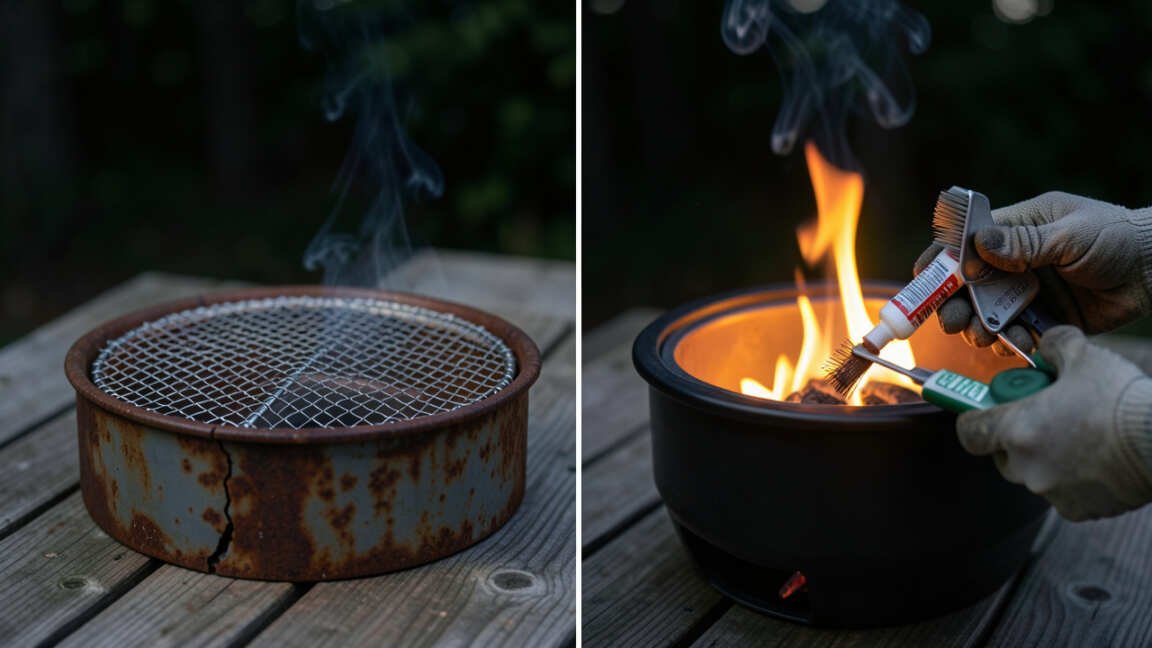
Smokeless fire pits use double-wall construction with small holes to create secondary combustion. When those holes get blocked by ash or creosote, the fire loses its clean burn.
- Check the inner wall holes for blockages. Use a small drill bit or paperclip to clear them.
- Look at the bottom air intake. Remove ash buildup with a shop vacuum using a soft brush attachment.
- Inspect the outer shell for dents that might restrict air movement.
Tip: Always clean your fire pit when it is completely cool. Ash can stay hot for hours even after the flames die down.
Weak or Orange Flames
You should see mostly blue or nearly invisible flames in a properly working smokeless fire pit. Yellow or orange flames mean incomplete combustion from poor airflow or wet wood.
- Use only seasoned hardwood with moisture content below 20 percent. According to the, wet wood creates more smoke and leaves creosote buildup.
- Check that your fire pit is level. An uneven base shifts the airflow pattern.
- Remove excess ash before every use. Ash layer should not be more than one inch deep.
Rust and Corrosion
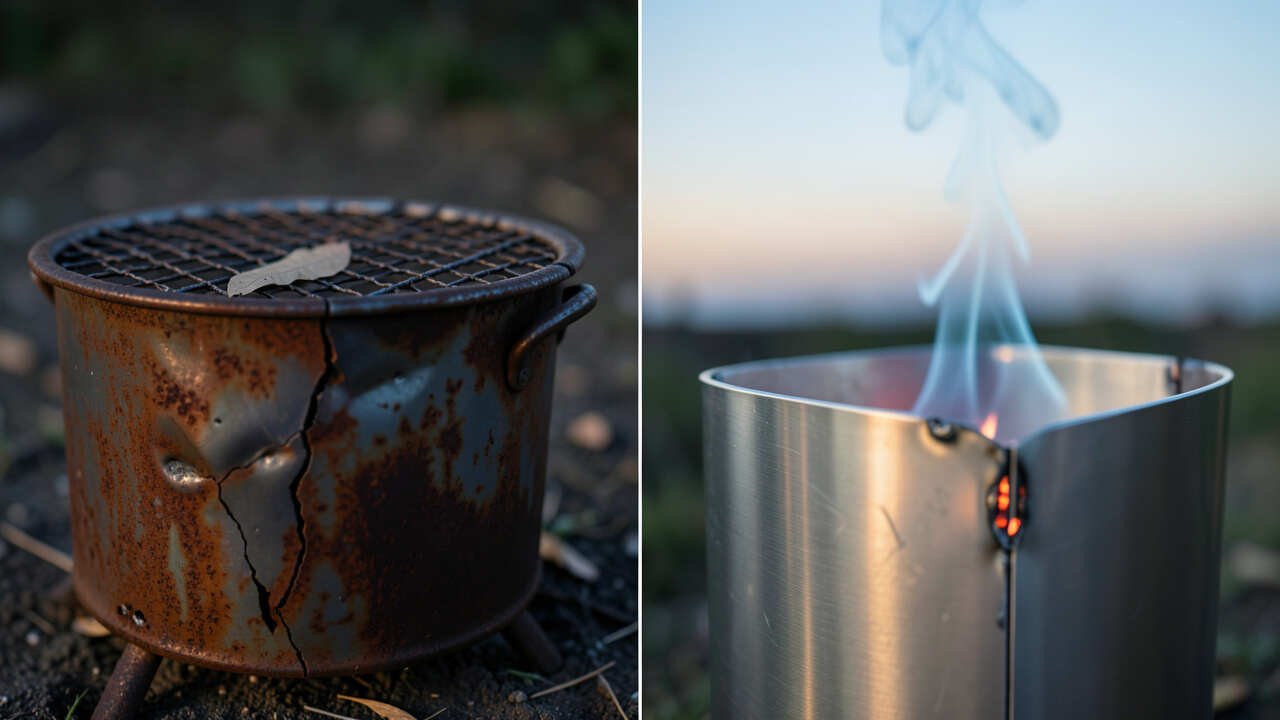
Not all rust is a problem. Surface rust on stainless steel is common and cosmetic. Deep rust that flakes or creates holes is structural damage.
- Surface rust: scrub with a stainless steel cleaner and fine steel wool. Apply a high-heat paint rated for over 1200 degrees Fahrenheit.
- Deep rust: test weak spots with a screwdriver. If the metal flakes or cracks, you need to replace the affected part or the entire unit.
- For painted fire pits: touch up chipped areas immediately to prevent rust from spreading.
When to Replace Instead of Repair
Some damage is beyond repair. Here are the clear signs that your smokeless fire pit needs replacement rather than a fix.
Cracked Burn Chamber
The burn chamber is the inner cylinder where secondary combustion happens. A crack here changes the airflow pattern and makes the fire pit smoke permanently.
- Small hairline cracks may be welded by a professional if the pit is made of thick stainless steel.
- Any crack longer than two inches or any crack in a thin-walled unit means replacement.
- Welding cost for a crack often exceeds $100. A new budget smokeless fire pit costs $150 to $300.
Warped Base or Warped Outer Shell
High heat can warp thin metal over time. A warped base prevents the fire pit from sitting flat. A warped shell changes airflow through the double-wall design.
- Place a straightedge across the base. A gap of more than a quarter inch means warping.
- Warped outer shells cannot be repaired. The metal has changed shape permanently.
- Warping is more common in cheaper fire pits made of thinner gauge steel.
Repair Cost Exceeds Half the Replacement Cost
Use this simple rule. If the repair cost is more than 50 percent of a new fire pit of similar quality, buy a new one.
Warning: Do not try to repair a fire pit with missing legs or a cracked base plate. These are structural failures that can cause the fire pit to tip over when hot. Replace the unit immediately.
Step-by-Step Repair Guide for Common Issues
Most repairs are simple and take under an hour. Follow these steps for the three most common fixes.
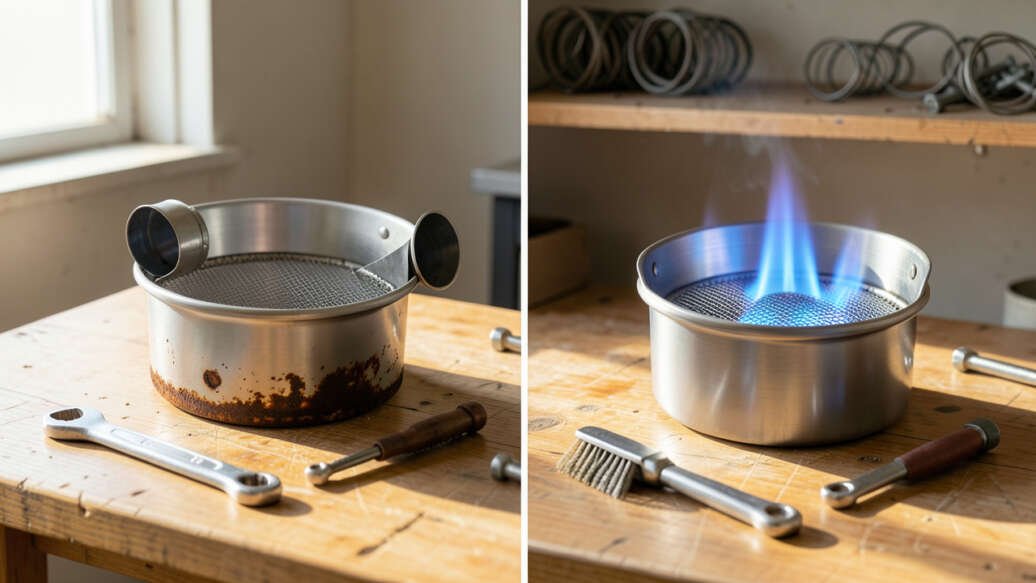
Step 1: Deep Clean the Airflow System
- Remove all ash and debris from the burn chamber using a shop vacuum.
- Inspect the secondary air holes along the inner wall. Clear each hole with a paperclip or wire brush.
- Check the bottom air intake vents. Use compressed air to blow out dust and spider webs.
- Wipe down the entire interior with a dry microfiber cloth.
Step 2: Replace a Damaged Ash Pan or Grate
- Measure the diameter of your current ash pan or grate. Standard sizes vary from 12 to 24 inches.
- Order a replacement from the manufacturer or a generic stainless steel version that matches your dimensions.
- Remove the old part and drop in the new one. No tools are usually needed for grates or ash pans.
Step 3: Touch Up Paint for Surface Rust
- Sand the rusted area with 220-grit sandpaper until all rust is gone.
- Clean the area with isopropyl alcohol and let it dry completely.
- Apply high-heat spray paint in thin, even coats. Let each coat dry for 30 minutes before applying the next one.
- Let the paint cure for the time listed on the can before lighting a fire.
Repair vs Replace Quick Decision Table
| Issue | Repair Cost | Replacement Cost | Verdict |
|---|---|---|---|
| Clogged air holes | $0 – $5 | $150 – $600 | Repair |
| Surface rust | $5 – $15 | $150 – $600 | Repair |
| Broken grate or ash pan | $15 – $50 | $150 – $600 | Repair |
| Dented outer shell | $0 (if cosmetic) | $150 – $600 | Repair if cosmetic only |
| Cracked burn chamber | $80 – $150 (weld) | $150 – $600 | Replace |
| Warped base or shell | Not repairable | $150 – $600 | Replace |
| Missing or broken legs | $20 – $60 per leg | $150 – $600 | Repair if parts available |
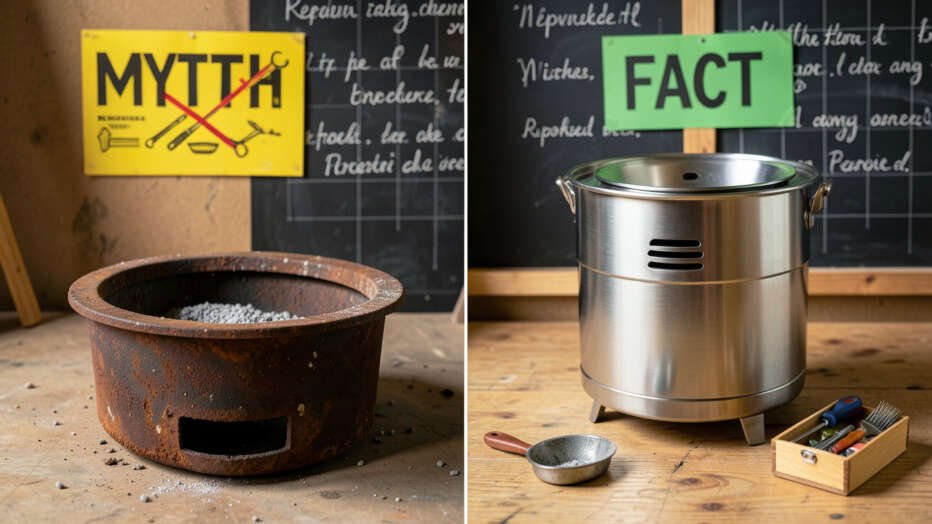
Common Myths vs Facts About Smokeless Fire Pit Repairs
Myth: All rust means the fire pit is ruined.
Surface rust on stainless steel is purely cosmetic. The American Society of Mechanical Engineers (ASME) states that stainless steel forms a protective chromium oxide layer that prevents further corrosion. You only need to replace the unit if the rust creates flaking or holes.
Myth: You can fix a cracked burn chamber with high-heat epoxy.
No epoxy on the market can handle the extreme temperatures inside a smokeless fire pit. The epoxy degrades at temperatures above 500 degrees Fahrenheit, releasing toxic fumes. A cracked burn chamber requires professional welding or full replacement.
Myth: A fire pit that smokes for the first 10 minutes is broken.
This is normal. According to major manufacturers like, it takes 5 to 10 minutes for the fire pit to reach the temperature needed for secondary combustion. The smoke stops once the inner chamber is hot enough to preheat the incoming air.
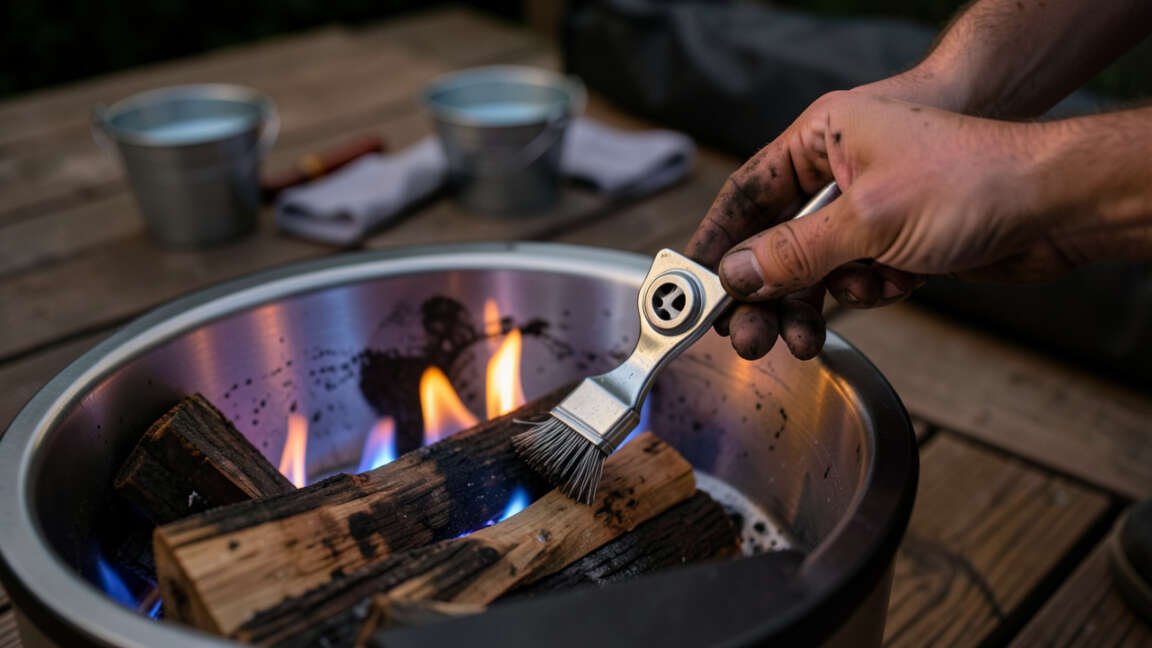
Pro Tips for Extending Your Fire Pits Life
Follow these tips to keep your smokeless fire pit working well for years instead of months.
- Clean the fire pit after every three to five uses. Ash buildup is the number one cause of poor performance.
- Store your fire pit under a waterproof cover when not in use. Prolonged moisture exposure accelerates rust, even on stainless steel.
- Use a protective heat shield or fire mat underneath the fire pit. This prevents grass staining and stops the base from overheating unevenly.
- Burn only dry hardwood. Softwoods like pine produce more creosote that clogs air holes faster.
- Inspect the fire pit at the start of each season. Look for cracks, rust spots, and blocked air holes before your first fire.
Important: The recommends keeping all outdoor fire devices at least 10 feet away from buildings, fences, and overhanging branches. A damaged fire pit that leaks embers can cause unintended fires.
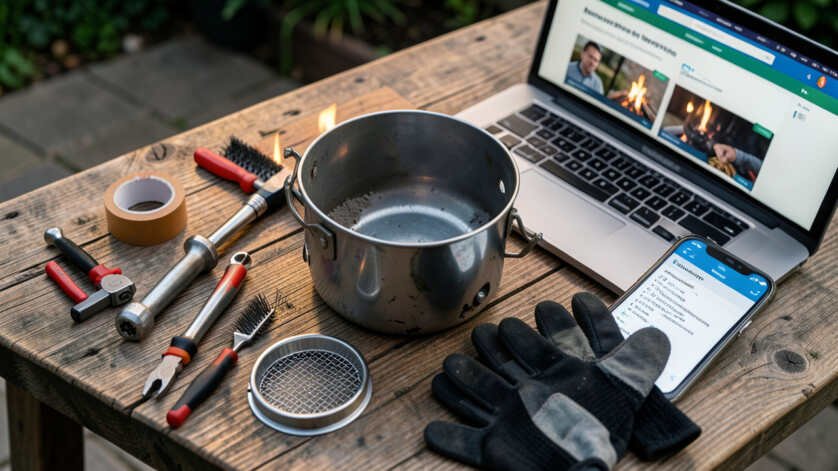
Resources and Tools for DIY Repairs
You do not need many tools. Most repairs use items you probably already own.
- Shop vacuum with soft brush attachment – Used for deep cleaning ash from the burn chamber and air intakes.
- Stainless steel cleaner and fine steel wool – Removes surface rust without scratching the metal.
- High-heat spray paint rated to 1200 degrees Fahrenheit – For touch-ups on painted fire pits.
- Paperclips or small wire brush set – For clearing secondary air holes.
- Manufacturer-specific replacement parts – Order directly from your fire pit brand for exact fit parts like ash pans, grates, and spark screens.
Frequently Asked Questions
How often should I clean my smokeless fire pit?
Clean the interior and air holes after every three to five fires. According to, a leading fire pit manufacturer, regular cleaning prevents ash from baking onto the surface and blocking airflow.
Can I repaint my fire pit if the paint is peeling?
Yes, but use only paint rated for high heat. Standard spray paint peels off after one fire. Look for paints rated to at least 1200 degrees Fahrenheit. Sand the old paint first, then apply two thin coats.
Is a smoky fire pit always broken?
No. The first 5 to 10 minutes after lighting produce some smoke as the fire pit heats up. If smoke continues after 15 minutes, check for clogged air holes, wet wood, or too much ash inside the pit.
How long should a smokeless fire pit last?
With regular care, a good quality stainless steel smokeless fire pit lasts 10 to 15 years. Lower-end painted steel models last 3 to 5 years. Proper storage and cleaning directly affect lifespan.
Can I use a smokeless fire pit on a wooden deck?
Yes, but use a fire-resistant mat underneath. The advises placing any outdoor fire device on a non-combustible surface. Keep the fire pit at least 10 feet from the house or railings.
Final Thoughts
Almost every common smokeless fire pit issue can be solved with a quick clean or a simple part swap. Surface rust, blocked holes, and worn grates are all easy fixes. Replace the unit only if you see structural damage like cracks or warping. Regular maintenance keeps your fire pit working well and saves you money over time.