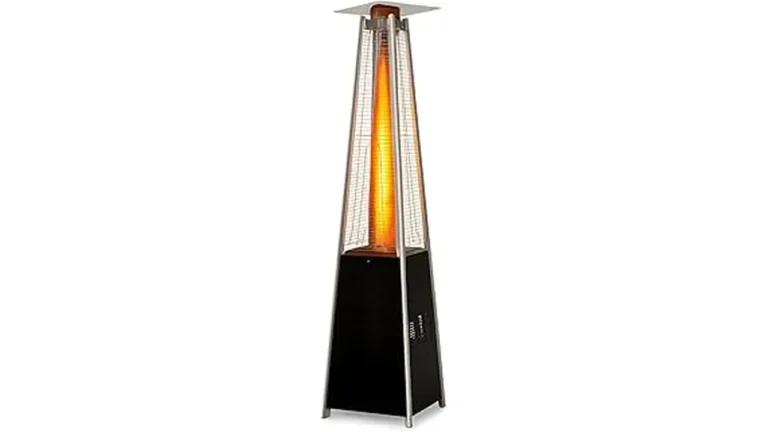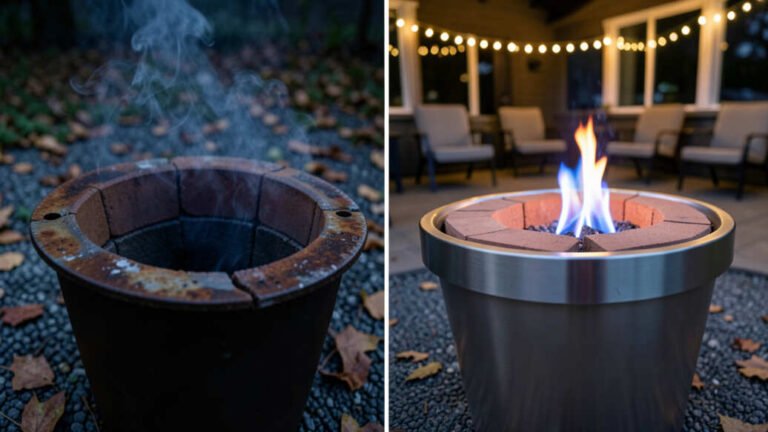
A yellow or flickering flame, a rusted or peeling reflector, and a pilot light that will not stay lit are the three clear warning signs your patio heater is about to stop working. The yellow flame signals a blocked burner tube that wastes fuel and produces soot, the damaged reflector reduces heating efficiency by up to 30 percent, and the failing pilot light indicates a broken thermocouple or gas valve that will soon cause a total shutdown. Recognizing any of these issues early allows you to perform a targeted repair or schedule a replacement before the heater fails during your next outdoor gathering.
A failing patio heater does not always stop working without warning. It usually sends clear signals that something is wrong before the flame finally goes out.
Learning these three specific signs will help you replace or repair the unit before the next cold night leaves your guests shivering.
Quick Verdict: Simply put, most patio heater breakdowns are preceded by a yellow flame, a rusted reflector, or a pilot light that will not stay lit. Ignoring these signs often leads to complete failure in the middle of a gathering. Recognizing them early gives you a chance to perform a simple repair or replace the unit on your timeline instead of in an emergency.
This guide breaks down the 3 warning signs your patio heater is about to stop working and explains exactly what to do about each one.
Key Takeaways
- A yellow or flickering flame indicates a blockage in the burner tube or air vent, not just a low fuel tank.
- A rusted reflector does not just look bad; it stops focusing infrared heat downward, wasting up to 30% of your fuel.
- A pilot that goes out when you release the control knob almost always points to a failing thermocouple.
- Cleaning your burner and covering your unit after each season can prevent most of these issues entirely.
- Using soapy water to check for gas leaks annually is the safest habit any patio heater owner can adopt.
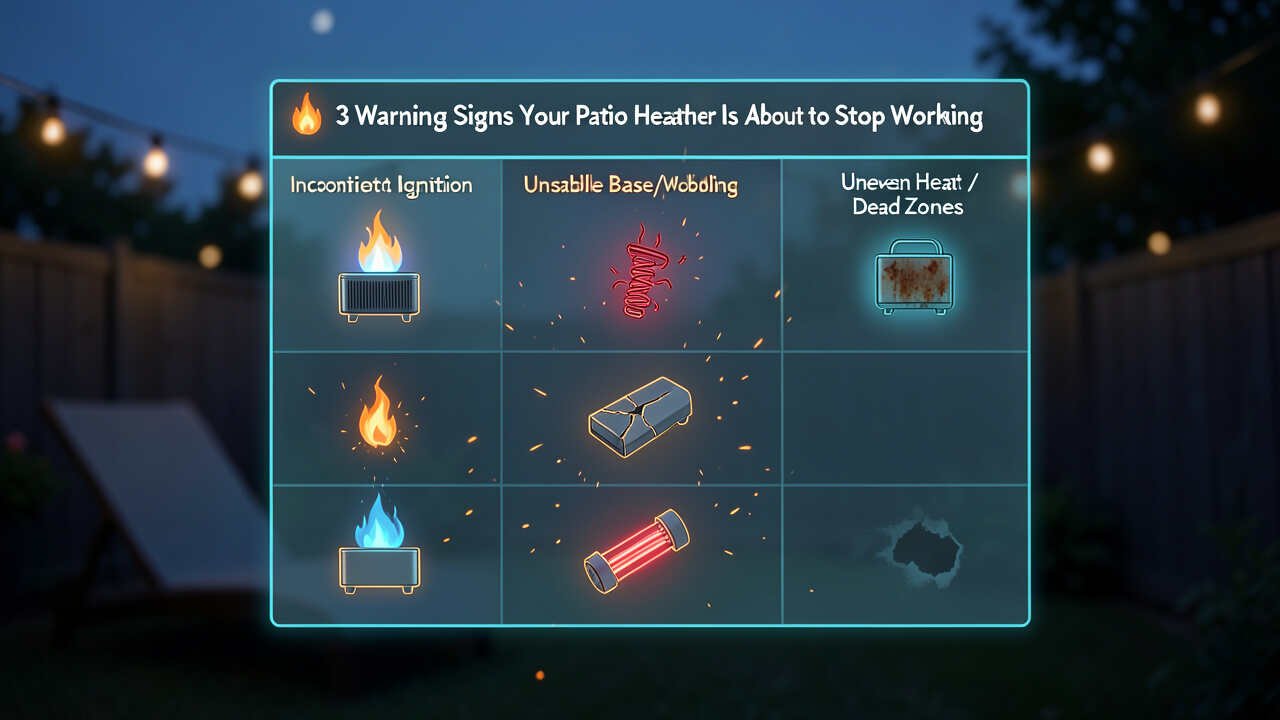
Quick Comparison Table of Warning Signs
| Warning Sign | Main Problem | Repair Difficulty | Typical Cost | Action Required |
|---|---|---|---|---|
| Yellow / Orange Flame | Blocked burner or air intake | Easy | $0 – $10 | Clean burner ports and venturi tube |
| Rusted / Peeling Reflector | Moisture damage | Moderate | $15 – $40 | Replace the reflector shield |
| Pilot Light Will Not Stay Lit | Failing thermocouple | Easy | $5 – $20 | Replace the thermocouple assembly |
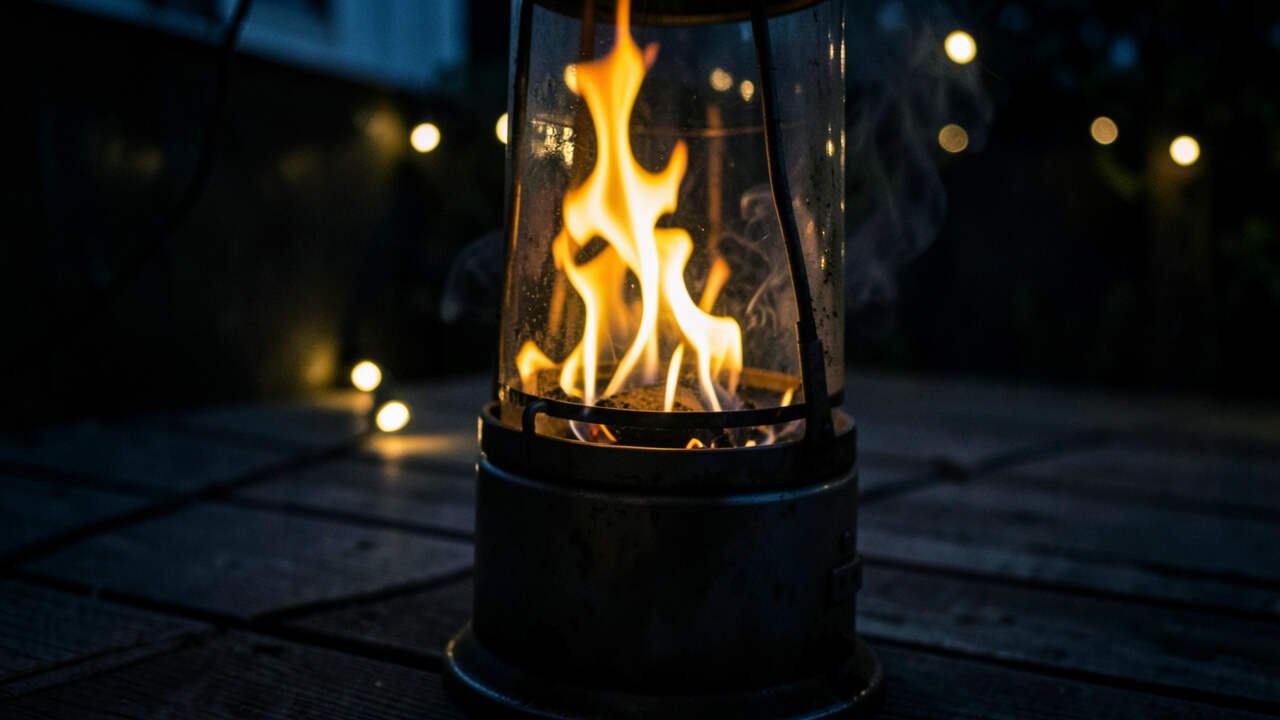
Warning Sign #1: The Flame Is Yellow, Orange, or Flickering
A healthy patio heater burns with a steady blue flame. The blue color tells you the gas is mixing with the right amount of oxygen and burning completely.
When you see a yellow or orange flame, something is blocking the airflow. This is the most noticeable of the 3 warning signs your patio heater is about to stop working.
What Causes an Unhealthy Flame Color?
Several things can restrict the oxygen supply to your burner.
- Spider webs or dirt inside the burner tube (also called the Venturi tube).
- Grease and soot buildup on the burner screen or ports.
- A partially closed air shutter on the bottom of the burner assembly.
- Debris falling into the burner cup from a tree or roof overhead.
Warning: Never operate a patio heater with a yellow or orange flame. This signals incomplete combustion and can release carbon monoxide. According to the, improperly maintained gas heaters are a leading cause of outdoor carbon monoxide incidents.
How to Fix a Yellow Flame
This repair usually takes about 15 minutes and requires no special tools.
- Turn the gas cylinder valve off completely and disconnect it.
- Remove the burner screen or emitter mesh from the heater.
- Use a thin wire or a pipe cleaner to gently clean each burner port.
- Shake out any loose debris from the burner tube.
- Reassemble the heater and test the flame. It should return to a crisp blue color.
If the flame stays yellow after cleaning, check the air shutter. A simple adjustment with a screwdriver can often fix the gas-to-air ratio.
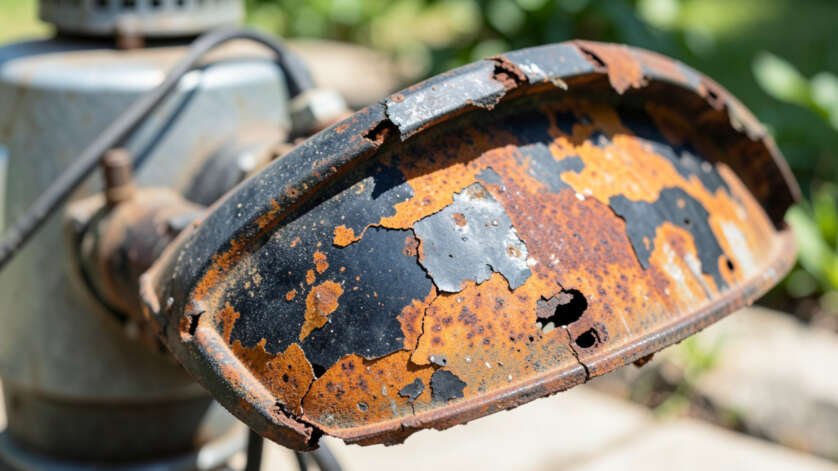
Warning Sign #2: The Reflector Is Rusted or Peeling
The large metal dome at the top of your patio heater is not just for looks. It is a critical component that reflects infrared heat downward toward the people sitting around it.
When the reflector starts to rust, peel, or corrode, the heat escapes straight up into the air. You end up using more gas to feel less warmth.
Why the Reflector Matters for Efficiency
The notes that infrared heaters rely on reflective surfaces to direct radiant energy. Damaged reflectors cannot do this job properly.
- A clean, shiny reflector bounces up to 80% of infrared heat downward.
- A rusted or peeling reflector scatters heat in all directions or absorbs it.
- You lose warmth and pay more for propane or natural gas.
How to Spot Reflector Damage Early
Rust usually starts at the edges of the dome where rain and dew collect. Lift the edge of the reflector and look for flaking metal or white corrosion spots.
Peeling paint or a bubbled surface underneath the dome is another sign. This indicates moisture has gotten under the coating and is eating the metal.
Important: A reflector is a replaceable part. You can order a new one from the manufacturer for most standard models. Buying a replacement costs between $15 and $40 and restores full heating efficiency instantly.
Should You Replace the Whole Heater or Just the Reflector?
If the rest of the heater is in good shape, just replace the reflector. Use a screwdriver to remove the old dome, match the size and bolt pattern, and screw on the new one.
If the reflector is rusted and the burner or frame also show significant wear, it may be time to buy a new unit. A heater with multiple failing parts usually costs more to fix than to replace.
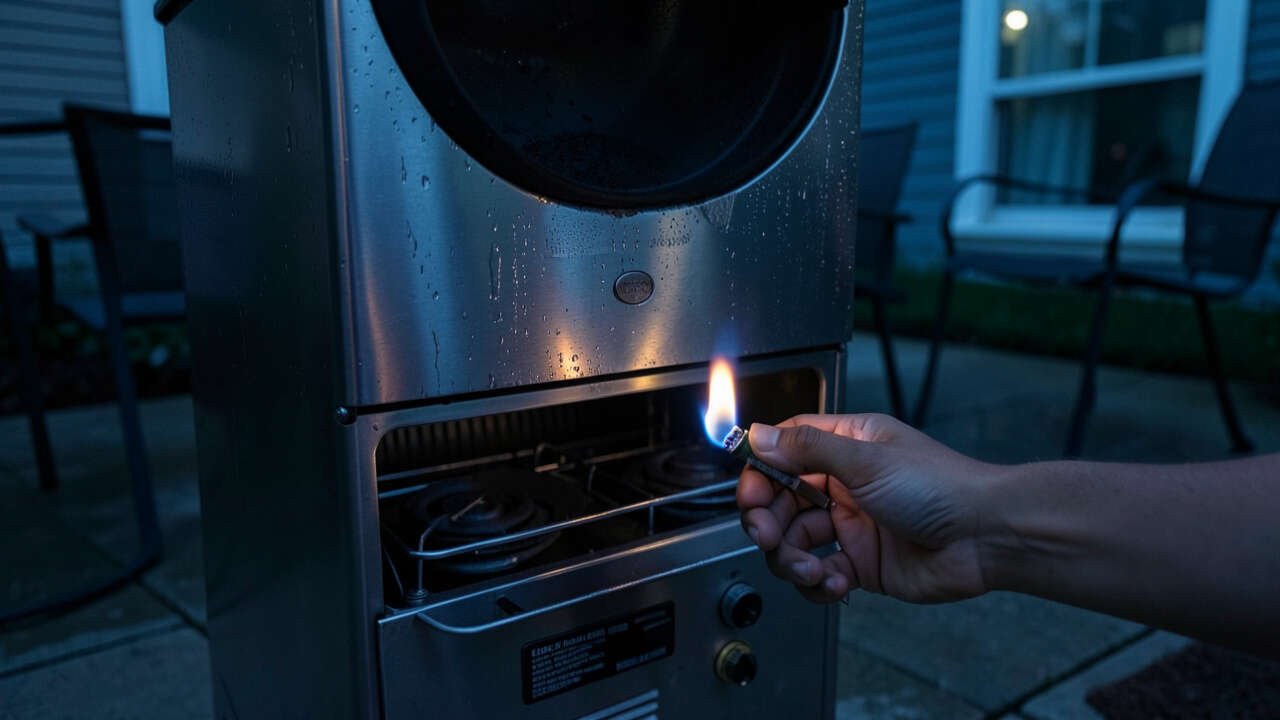
Warning Sign #3: The Pilot Light Will Not Stay Lit
This is the most common complaint from patio heater owners. You light the pilot, hold the knob for 60 seconds, but the flame goes out the second you let go.
This is a clear failure of the thermocouple, and it is almost always the culprit behind this specific problem.
What Does the Thermocouple Do?
The thermocouple is a small copper safety device. It sits next to the pilot flame and generates a tiny electrical current when it is hot. This current keeps the gas valve open.
When the thermocouple is dirty, bent out of position, or worn out, it does not get hot enough. It tells the gas valve to close, and the pilot shuts off.
- A dirty thermocouple has a layer of soot blocking the heat.
- A bent thermocouple is not close enough to the pilot flame.
- A worn thermocouple no longer produces enough voltage to hold the valve open.
How to Test a Patio Heater Thermocouple
You can check for thermocouple failure without any special tools.
- Press and hold the pilot gas knob.
- Use a lighter to ignite the pilot flame.
- Keep holding the knob for a full 90 seconds.
- Release the knob slowly. If the flame goes out immediately, the thermocouple is the problem.
You can also look at the tip of the thermocouple while the pilot is on. It should be glowing red-hot. If it only glows orange or stays dark, it is not getting hot enough.
How to Fix a Failing Thermocouple
Replacing a thermocouple is a simple, low-cost repair.
- Turn off the gas and disconnect the propane tank.
- Unscrew the old thermocouple from the bracket and the gas valve.
- Bend the new thermocouple so the tip sits directly in the path of the pilot flame.
- Screw it back into the valve and tighten the bracket.
- Test the pilot. It should now stay lit on its own.
Tip: Buy a universal thermocouple. These are compatible with most major brands and currently cost under $15 at most hardware stores. Keep one in your garage so you are never stuck without a fix on a weekend.
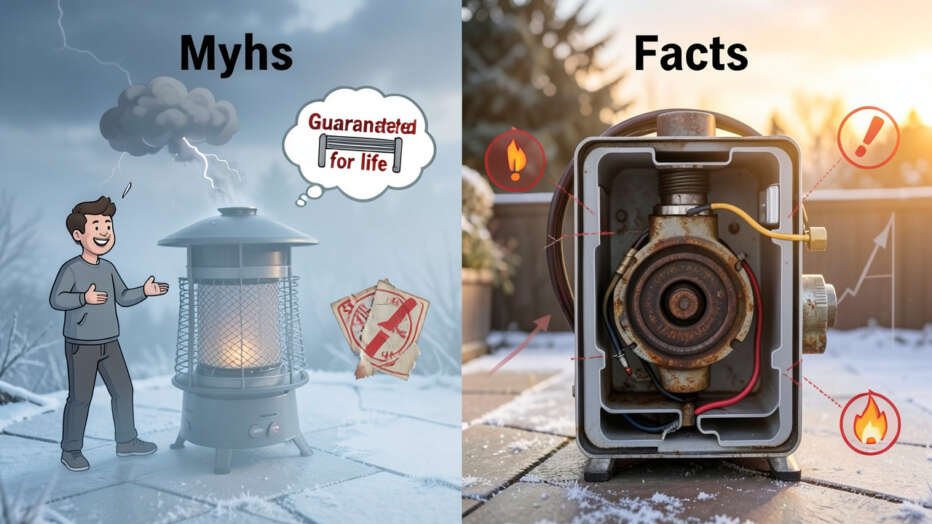
Common Myths vs Facts About Patio Heater Failure
There are several misconceptions about what causes a patio heater to stop working. Knowing the facts helps you avoid unnecessary repairs.
- Myth: A heater that still produces heat is not broken.
Fact: A yellow flame or rusty reflector reduces efficiency by over 30%. You are using more fuel for less warmth, which is a clear sign of a problem. - Myth: Propane patio heaters never need maintenance.
Fact: The recommends an annual inspection of all gas connections and burner ports. Regular cleaning prevents most common failures. - Myth: Covering the heater is enough to prevent rust.
Fact: A cover helps, but humidity trapped underneath can still cause corrosion. Always let the heater cool down completely and wipe off moisture before putting the cover on.
How to Prevent These Warning Signs
You can avoid most patio heater problems with a simple annual maintenance routine. Spend 20 minutes at the start of the season, and your heater will run reliably for years.
Annual Cleaning Checklist
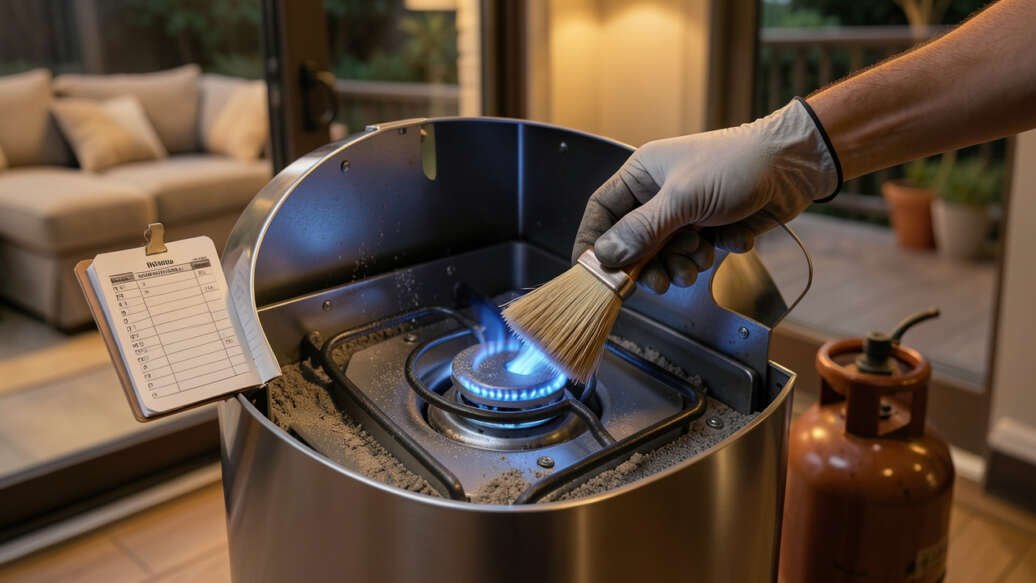
- Clean the burner ports with a thin wire or pipe cleaner.
- Check the air shutter for dust and spider webs.
- Inspect the reflector for rust and corrosion.
- Wipe down the burner screen with a dry brush to remove soot.
- Test the gas line for leaks using a soap-and-water solution.
Proper Storage Practices
How you store your heater between uses matters just as much as how you clean it.
- Always disconnect the propane tank when the heater is not in use.
- Store the heater vertically in a dry, covered area.
- Use a patio heater cover to protect it from rain and dew.
- Never store the heater wet or immediately after turning it off.
Important: A simple soapy water test can catch gas leaks before they become dangerous. Mix one part dish soap with three parts water, spray it on all gas connections, and watch for bubbles. Bubbles mean a leak that needs immediate attention.
Frequently Asked Questions
How do I know if my patio heater’s thermocouple is bad?
If the pilot light ignites but goes out as soon as you release the gas control knob, the thermocouple is likely failing. This part detects if the pilot is lit and costs roughly $10 to $20 to replace.
Can a rusty reflector cause a patio heater to stop working?
Yes. Rust weakens the metal and changes how infrared heat is directed. While the heater may still produce a flame, the heat will escape sideways instead of radiating downward to warm you.
Why does my patio heater flame look orange or yellow instead of blue?
A blue flame means clean, efficient combustion. An orange or yellow flame signals incomplete combustion due to a dirty burner, blocked air shutter, or a spider web in the Venturi tube.
Is a patio heater that won’t stay lit dangerous?
Yes. This is often a sign of a failing safety valve or thermocouple. If the safety device is bypassed or broken, gas can leak when the flame goes out, creating an explosion or fire risk.
How often should I service my patio heater?
You should inspect it at the start of each season. Clean the burner ports with a thin wire, check the reflector for rust, and test the gas line for leaks using soapy water.
Final Thoughts
Catching a yellow flame, a rusted reflector, or a faulty pilot light early can save you a ruined evening and a costly emergency purchase. Regular cleaning and proper storage are the best ways to ensure your heater lasts through many seasons. Pay attention to these 3 warning signs your patio heater is about to stop working to keep your backyard warm and safe.