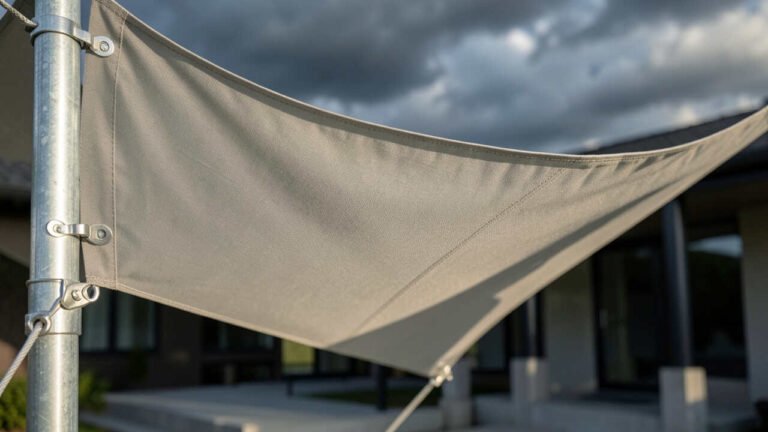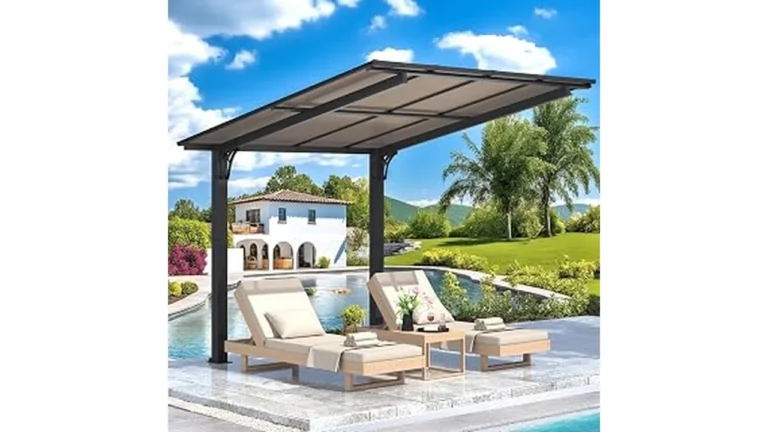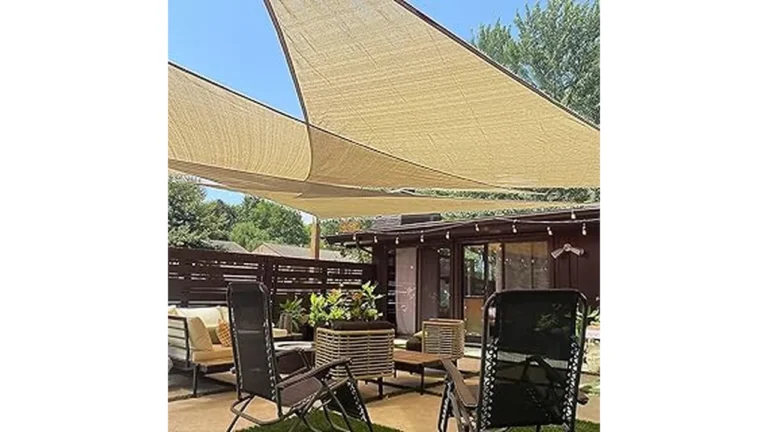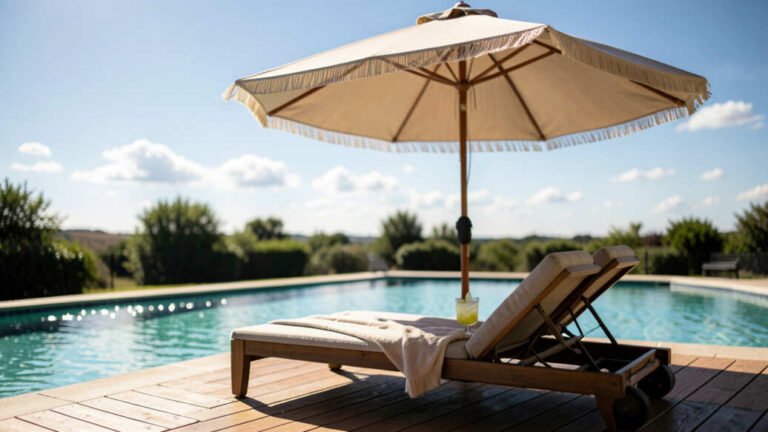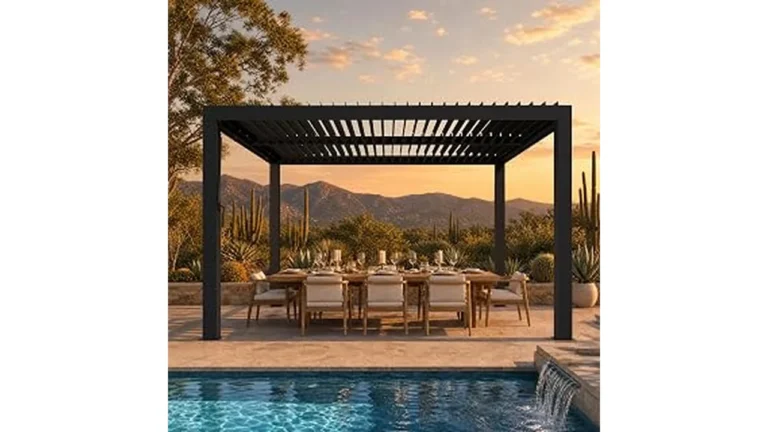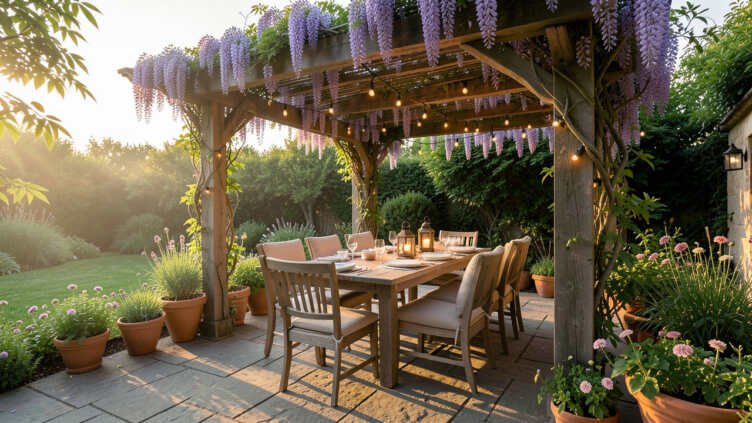
A pool pergola provides partial shade and a defined outdoor living area beside the water, but it does not block all UV rays or heavy rain. This open-roof structure can increase property value by 5 to 8 percent and extend the pool season in moderate climates. Homeowners must weigh ongoing maintenance for wood models against the installation cost and permitting requirements.
Installing a pergola near your pool changes how you use your backyard. This guide explains the real benefits, potential drawbacks, and what to consider before adding one.
Quick Verdict: In short, a pool pergola offers partial shade, visual appeal, and a defined outdoor living area next to your water. It does not block all UV rays or rain. You get a stylish structure that can extend your pool season in moderate climates.
A pool pergola is an outdoor structure with vertical posts and an open roof of beams or slats. It creates a defined space beside your swimming area.
The open design allows sunlight and air to pass through. You get partial shade without the full block of a solid roof.
Many homeowners use pergolas to frame a seating or dining zone near the water. Others add climbing plants for more natural cover.
Key Takeaways
- Pool pergolas provide partial shade but do not block all UV rays or heavy rain.
- You can choose from wood, aluminum, vinyl, or fiberglass materials with different maintenance needs.
- A well-designed pergola can increase your property value by roughly 5 to 8 percent.
- Adding a retractable canopy or slats gives you control over sun exposure throughout the day.
- Local building codes may require permits for structures near in-ground pools.
What Are the Main Benefits of Using a Pergola Around Your Pool?
A pool pergola delivers four primary advantages. Each one affects how you use your backyard daily.
Partial Shade and Sun Protection
The open roof reduces direct sunlight by 40 to 60 percent depending on slat spacing. You can sit outside on hot days without baking in full sun.
Important: A standard pergola does not block enough UV rays to prevent sunburn. You still need sunscreen or a UV-protective canopy for extended use.
Defined Outdoor Living Space
The structure creates a clear separation between the pool area and the rest of your yard. You can place lounge chairs, a dining set, or an outdoor kitchen under the pergola.
This transforms your deck or patio into a functional room without walls.
Visual Appeal and Home Value
According to the, outdoor living features can improve a home’s resale value. A well-built pergola adds architectural interest and curb appeal.
Buyers often see it as a bonus feature that sets your property apart.
Extended Pool Season
The overhead structure helps block some wind and reduces heat loss in cooler months. This can make your pool area usable for a few extra weeks in spring and fall.
What Are the Potential Drawbacks of a Pool Pergola?
Not every backyard needs a pergola. Consider these issues before you buy.
Limited Weather Protection
Standard slatted roofs let rain pass through. And you get little shelter from wind or afternoon heat.
A pergola is not a replacement for a screened enclosure or solid roof. Expect to use it mostly on fair-weather days.
Ongoing Maintenance for Wood Models
Wood requires sealing or staining every two to three years. Without regular care, rot and insect damage can shorten its life.
Warning: Untreated wood near water attracts moisture and insects. Cedar and redwood resist rot better than pine but still need annual inspection.
Installation Cost and Permits
A custom aluminum pergola can cost between $3,000 and $8,000 installed. Local building codes often require permits for structures within ten feet of a pool.
You may also need a concrete foundation or footings, which adds labor and material expenses.
Mixed Climate Benefits
In very hot climates, a standard pergola does not provide enough shade. In rainy climates, you rarely use it without a solid roof.
Match the design to your local weather patterns for best results.
Pool Pergola Materials Comparison Table
| Material | Average Cost | Maintenance Needs | Durability |
|---|---|---|---|
| Wood (cedar, redwood) | $2,000 – $6,000 | Seal every 2-3 years | 7-12 years with care |
| Aluminum | $3,000 – $8,000 | Minimal – wash yearly | 15-25 years |
| Vinyl | $2,500 – $7,000 | Wash with soap and water | 20-30 years |
| Fiberglass | $4,000 – $10,000 | Minimal – low maintenance | 20-30 years |
How to Choose the Right Pergola Style for Your Pool Area
The style you pick affects shade, privacy, and your backyard look. Consider these common designs.
Open Roof Pergola
This classic style has evenly spaced slats with gaps between them. You get dappled shade and good airflow.
Best for moderate climates where full shade is not needed. You can add climbing vines or trailing plants to increase cover over time.
Retractable Canopy Pergola
You install a fabric or polyester canopy that slides open and closed along tracks. This gives you full shade on demand.
The canopy is waterproof in most designs. It also provides UV protection when fully extended.
Adjustable Louvered Pergola
These roofs have rotating aluminum or wood slats. You tilt them to control sunlight from 0 to 90 degrees.
High-end models include rain sensors that close the louvers automatically. They offer the most flexibility for changing weather.
Solid Roof Pergola
Some homeowners add corrugated polycarbonate or metal sheets on top of the pergola frame. This blocks rain and most sunlight.
A solid roof is heavier and may require stronger support posts. Check your local wind and snow loads before choosing this plan.
Key Factors to Consider Before Installing a Pool Pergola
Think through these five areas before you order materials or hire a contractor.
1. Local Building Codes and Permits
Many towns require permits for any structure attached to a house or placed within a certain distance of a pool. Contact your local building department to check setback rules and height limits.
According to the, outdoor structures must meet specific clearance rules if you have a gas or propane heater nearby.
2. Orientation and Sun Path
The pergola position affects how much shade you get at different times of day. Place it to block the western sun if you use your pool in the late afternoon.
You can also orient the slats perpendicular to the sun path for more coverage.
3. Wind and Storm Exposure
Open pergolas allow wind to pass through, which reduces stress on the frame. Solid roofs catch wind like a sail and may need stronger attachments.
In areas with hurricanes or severe storms, aluminum or fiberglass performs better than wood. They resist rot and corrosion from salt or pool chemicals.
4. Proximity to Pool Water and Chemicals
Pool water splashes onto nearby surfaces. Chlorine and salt systems can corrode metal hardware and discolor some materials.
Choose stainless steel or coated fasteners to prevent rust over time. Aluminum resists chemical damage better than steel or iron.
5. Intended Use and Furniture Placement
Decide whether you want a dining area, a lounge zone, or a shaded spot for kids to play. This affects the size and height of the pergola you need.
A minimum of 10 feet by 12 feet works for a seating area with two chairs and a small table. For a full outdoor kitchen or dining set, aim for 12 by 16 feet or larger.
Common Myths vs Facts About Pool Pergolas
Several misconceptions lead homeowners to make avoidable choices. Here are the most common ones.
Myth 1: A Pergola Provides Full Shade and Rain Protection
Many people assume an open roof blocks all sunlight and rain. Standard pergolas with slatted tops do not provide either.
Fact: A typical pergola allows 40 to 60 percent of sunlight to pass through. Rain falls straight through the gaps. You must add a canopy or solid roof for full protection.
Myth 2: Wood Pergolas Rot Quickly Near Water
Some homeowners avoid wood because they think it will rot from pool splash and humidity. With proper sealing, many wood pergolas last a decade or more.
Fact: Cedar and redwood contain natural oils that resist rot and insects. Regular sealing maintains their appearance and extends their life to 12 years or longer.
Myth 3: Pergolas Are Purely Decorative With No Real Function
Another common belief is that pergolas only add visual appeal. Actually, they provide measurable benefits like sun control and defined living space.
Fact: According to a report from the, shade structures, including pergolas, rank among the top requested outdoor features. They contribute to usability and comfort in pool areas.
Step-by-Step Process for Installing a Pool Pergola
Follow this general order of steps if you plan a DIY install or want to understand what a professional will do.
- Check site conditions and mark boundaries. Measure the area and confirm setback distances from the pool edge and property lines.
- Obtain required permits. Submit plans to your local building department and pay any fees before starting work.
- Dig footings and pour concrete foundations. Most pergolas need post holes 24 to 36 inches deep with concrete around them.
- Set and level the posts. Anchor each post in the wet concrete and brace it until the concrete cures for 48 to 72 hours.
- Attach the beams and rafters. Connect the horizontal support beams to the posts, then lay the roof slats across them.
- Add any accessories. Install a retractable canopy, side curtains, lights, or fans after the main frame is secure.
- Apply final finish. For wood, stain or seal the entire structure. For metal or vinyl, wipe down and check all fasteners are tight.
Pro Tips for Getting the Most From Your Pool Pergola
- Install outdoor-rated ceiling fans under the pergola to improve airflow and keep bugs away on still days.
- Use stainless steel hardware anywhere it might contact pool water or chemicals to avoid rust stains.
- Add a retractable shade screen on one side to block low-angle sun during morning or afternoon hours.
- Plant fast-growing vines like wisteria or grapevines at the base of wood posts for natural seasonal shade and beauty.
- Consider integrated LED strip lights along the beams for evening pool parties without harsh overhead glare.
Resources and Tools for Planning Your Pool Pergola
- Pergola Kits Depot – Offers pre-cut pergola kits in wood, aluminum, and vinyl for DIY installation.
- American Wood Council – Provides span tables and load guidelines for building safe wooden structures.
- Your Local Building Department – Check permits and setback rules for pool structures in your area.
- National Association of Realtors – Offers research on outdoor feature home values and buyer preferences.
Frequently Asked Questions
Do I need a permit to build a pergola near my pool?
Most local codes require a permit for any structure within ten feet of an in-ground pool. Contact your building department before you start. Failure to permit can lead to fines and forced removal.
How much does a pool pergola cost on average?
The total cost ranges from $2,000 for a small wood kit to $10,000 for a large aluminum or fiberglass model with professional installation. Adding a retractable canopy or lighting adds $500 to $2,000 more.
Can I attach a pergola to my house for pool access?
Yes, you can build an attached pergola that connects to your home’s exterior wall. This requires proper flashing and attachment to the house structure. An attached pergola may need stronger permits and structural engineering.
How long does a wood pergola last next to a pool?
With proper sealing and yearly inspection, cedar or redwood lasts between 10 and 15 years. Without maintenance, rot appears within 3 to 5 years. Aluminum and vinyl last 20 years or more with no refinishing needed.
Does a pergola void my pool warranty or insurance?
Most pool warranties cover only the pool equipment and liner, not structures near it. Check your homeowner’s insurance policy for structures over a certain height or distance from the property line. Some insurers require you to report new permanent structures.
Final Thoughts
A pool pergola gives you partial shade, a defined outdoor living area, and a strong visual anchor for your backyard. Choose materials based on your climate and maintenance preferences, not just looks. Plan around your sun exposure and local building rules before you buy or build.