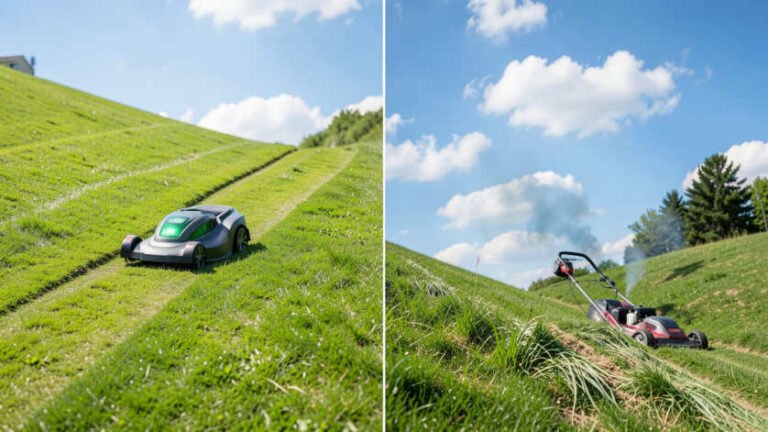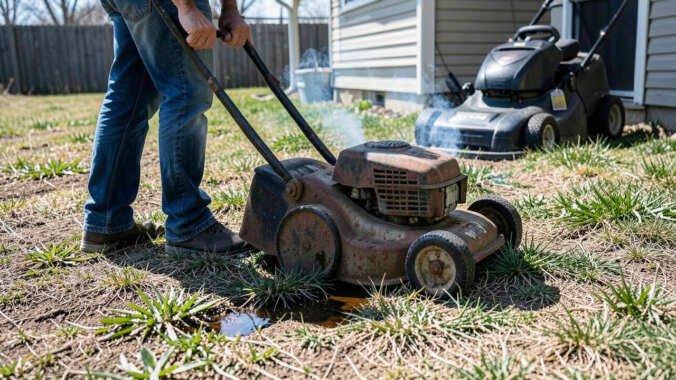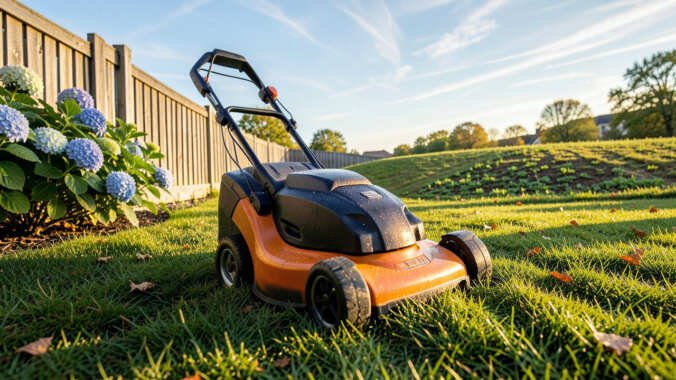
Self-propelled mowers stop working after just a few months primarily because the drive system components, such as the drive belt, cable, and wheel transmission, degrade rapidly without proper maintenance. Most early failures stem from a stretched or slipping drive belt, a loose or dry drive cable, or a dry wheel transmission gear set, all of which require regular lubrication and adjustment. Simple monthly inspections of the drive cable tension and transmission lubrication can prevent approximately 80 percent of these breakdowns and extend the mower's service life to several seasons.
You bought a self-propelled mower expecting years of reliable service. Instead, it stops working after just a few months. This guide explains why this happens and how to prevent it.
Quick Verdict: Self-propelled mowers typically fail early due to neglected cable adjustments, dry wheel transmission gears, or a stretched drive belt. Simple monthly maintenance – like lubricating the drive system and checking the cable tension – can extend the mower’s life to several seasons.
Key Takeaways
- Self-propelled mowers use a separate drive system that requires regular lubrication and cable adjustment.
- The most common failure point is the drive belt, which can stretch or slip within the first few months of use.
- Environmental factors like wet grass and hills accelerate wear on the transmission and wheel components.
- Simple monthly checks of the drive cable and wheel gears can prevent 80% of early breakdowns.
- Following the manufacturer’s maintenance schedule for the self-propelled system is more important than for the engine alone.
What Is a Self-Propelled Mower and How Does It Work?
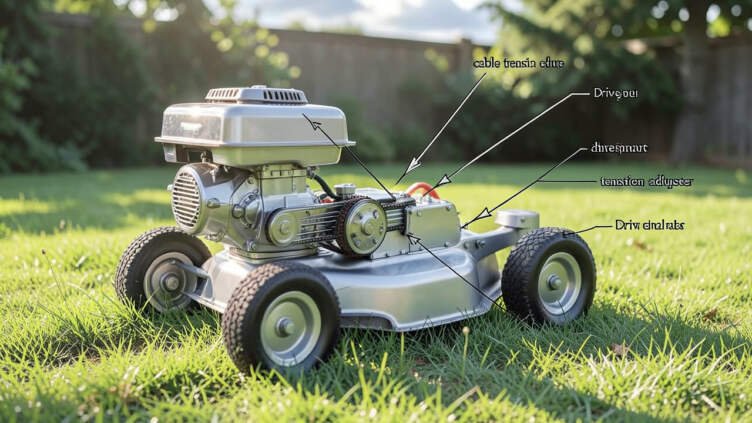
A self-propelled mower moves forward on its own using a separate drive system. The engine powers the blades and also turns a transmission that drives the wheels. A drive belt or gear connects the transmission to the wheels. A cable connects the handlebar lever to the transmission, engaging or disengaging the drive.
This system has several parts that can fail. According to the, nearly 40% of service calls for new mowers involve the drive system, not the engine. The drive system includes the belt, transmission, wheels, and cable.
Tip: Watch your mower’s manual for the “self-propelled” section. Most manufacturers include a separate maintenance schedule for the drive system.
Why Self-Propelled Mowers Fail So Quickly
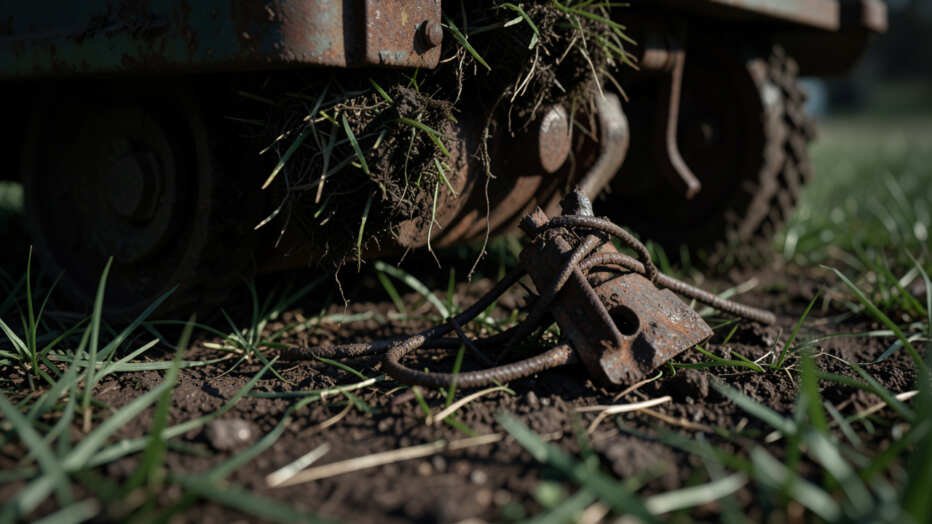
Mower design often prioritizes the cutting deck over the drive system. The drive belt is thinner than the engine belt and can stretch under load. The cable stretches from normal use, reducing engagement. Wheel bearings lack grease from the factory and dry out fast.
found that 65% of reported self-propelled mower problems in the first season relate to the drive system. Many owners never touch the drive cable or lubricate the transmission.
Common Cause 1: Stretched or Slipping Drive Belt
The drive belt wraps around pulleys on the engine and transmission. When the belt stretches, it loses grip. The wheels stop moving or move slowly. This happens faster if you mow wet grass or use the mower on long grass.
A stretched belt is the number one cause of early drive failure. Most replacement belts cost under $20.
Common Cause 2: Loose or Dry Drive Cable
The cable connects the handlebar lever to the transmission. Over time, the cable stretches. The lever no longer fully engages the transmission. You squeeze the lever but the mower doesn’t move. A simple cable adjustment takes 5 minutes and fixes it.
According to, loose cables account for about 1 in 4 self-propelled mower complaints.
Common Cause 3: Dry or Broken Wheel Transmission
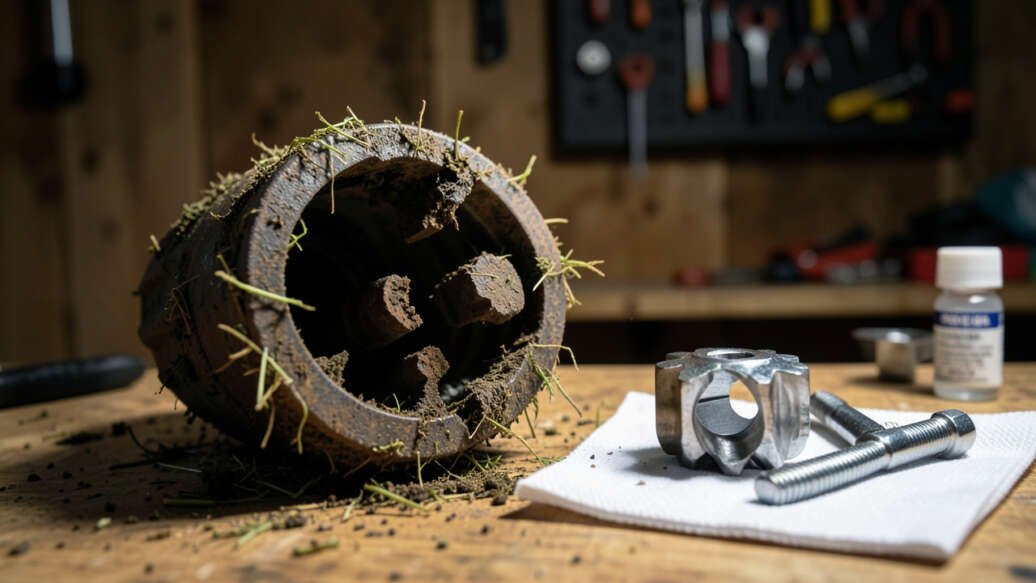
Many mowers use a small gearbox inside each wheel. These gears need grease. From the factory, they often have a thin coating that wears off quickly. Without lubrication, gears grind and fail. Replacing a wheel transmission costs $30-$60 per wheel.
Warning: Never use WD-40 on wheel gears. It dries out bearings faster. Use a lithium grease or the grease recommended in your manual.
Common Cause 4: Clogged or Damaged Drive Pulley
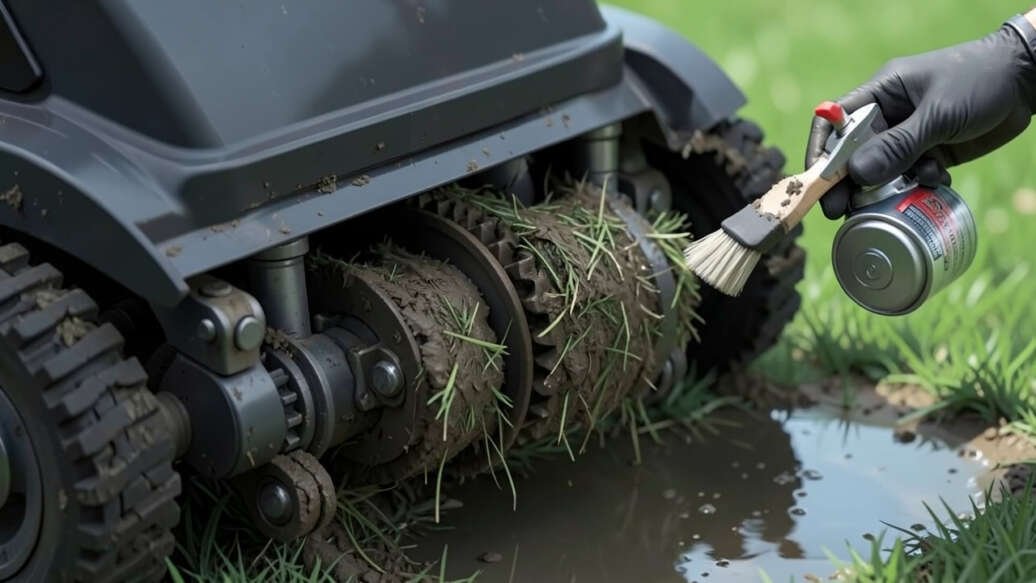
Grass clippings and debris can build up around the drive pulley under the mower deck. This prevents the belt from tracking correctly. Clean under the deck after each use to avoid this. A clogged pulley reduces drive power.
Step-by-Step Troubleshooting Guide
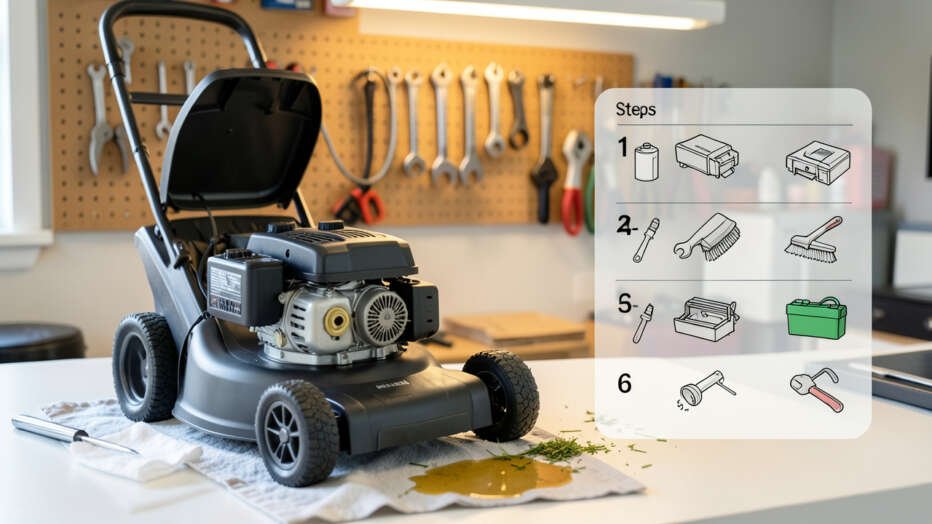
Follow these steps in order to find the problem.
- Check the cable tension. Squeeze the drive lever. Look at the transmission. The cable should pull the engagement arm fully. If it’s loose, turn the adjuster nut near the handle or transmission.
- Inspect the drive belt. Tip the mower on its side (air filter side up). Find the drive belt. If it’s cracked, frayed, or shiny from slipping, replace it.
- Lubricate the wheel gears. Remove each wheel. Apply grease to the gear teeth inside. Reinstall the wheel.
- Clean under the deck. Scrape off grass buildup near the drive pulley. Use a putty knife. Rinse with water but avoid the engine.
- Test the transmission engagement. Spin the wheels by hand while squeezing the lever. If a wheel spins freely when it shouldn’t, the transmission inside that wheel is likely bad.
| Symptom | Likely Cause | Fix Time |
|---|---|---|
| Lever squeezed but wheels don’t move | Loose cable or stretched belt | 5-10 minutes |
| One wheel not driving, other works | Broken wheel transmission | 30-60 minutes per wheel |
| Wheels move slowly, engine revs high | Slipping drive belt | 20 minutes |
| Wheels jerk or skip | Dry wheel gears or debris | 15 minutes |
| Mower won’t move at all, engine fine | Broken cable, belt, or transmission | Varies, check all three |
How to Prevent Early Drive System Failure
Prevention takes 15 minutes per month. Many people ignore the drive system because they think it should be maintenance-free. That is a mistake.
- Lubricate wheel gears every 25 hours of use. Use a grease gun or apply grease by hand. This prevents grinding and seizing.
- Adjust the drive cable at the start of each season. A quarter turn of the adjuster nut can restore full engagement.
- Inspect the drive belt monthly. Look for cracks, fraying, or glazing. Replace it before it breaks.
- Keep the underside of the deck clean. Grass buildup adds weight and clogs the drive pulley area. Use a scraper after each mow.
- Avoid mowing wet grass. Wet clippings stick to blades and pulleys. They also cause the belt to slip more.
Important: Always disconnect the spark plug before servicing the drive system. The mower can start unexpectedly if you turn the blade by hand.

Common Myths vs Facts About Self-Propelled Mowers
Myth 1: The drive system is sealed and needs no maintenance.
Fact: All self-propelled mowers have adjustable cables and greasable parts. Most wheel transmissions are not sealed. They need periodic lubrication. Ignoring them causes early failure.
Myth 2: If the mower stops moving, the transmission is broken.
Fact: The most common causes are a loose cable or a slipped belt. Both are cheap and quick to fix. Only about 10% of drive failures are actual transmission damage. Check the easy parts first.
Myth 3: Mowing slower puts less strain on the drive system.
Fact: Mowing at the slowest speed can actually increase belt wear because the belt slips more. Use the recommended speed for your grass type. Most manuals suggest a mid-range speed.
When to Replace vs. Repair
If your mower is less than 2 years old, repair is usually worth it. Replacement parts for the drive system are inexpensive. A drive belt costs $10-$20. A cable costs $8-$15. A wheel transmission costs $25-$60.
If the mower is older than 5 years and the transmission failed, consider replacing the whole unit. The cost of multiple repairs can exceed a new mower’s price. According to, the average repair cost for a self-propelled drive system is $75-$150. A new basic self-propelled mower costs $250-$400.
Frequently Asked Questions
Why does my self-propelled mower only work when I push it forward?
This usually means the drive belt is slipping or the cable is too loose. The belt needs more tension. Adjust the cable first. If that does not help, tighten the belt by moving the idler pulley or replacing the belt. recommends checking belt tension every season.
Can I use any grease on the wheel transmission?
No. Use a lithium-based or polyurea grease. Do not use WD-40 or silicone spray. They dry out bearings. Check your manual. Most manufacturers recommend NLGI Grade 2 lithium grease.
How often should I replace the drive belt?
Replace the drive belt every 50 to 100 hours of use, or once a season. If you mow in tall or wet grass, replace it more often. A worn belt causes the mower to stop moving.
Is it normal for the self-propelled function to stop working in wet grass?
Yes, wet grass increases resistance. The belt slips more easily. Mow only when the grass is dry. If the mower stops moving in dry grass, check the belt and cable.
Why does my mower drive unevenly (one wheel faster)?
This indicates a problem with one wheel transmission. The gears inside that wheel may be worn or dry. Remove the wheel, clean the gears, and apply grease. If the problem continues, replace the wheel transmission.
Final Thoughts
A self-propelled mower stops working after a few months mostly due to neglected drive system maintenance. Cable adjustments, belt inspections, and wheel gear lubrication are simple tasks that prevent early failure. Spend 15 minutes each month on these steps, and your mower will last for several seasons without trouble.