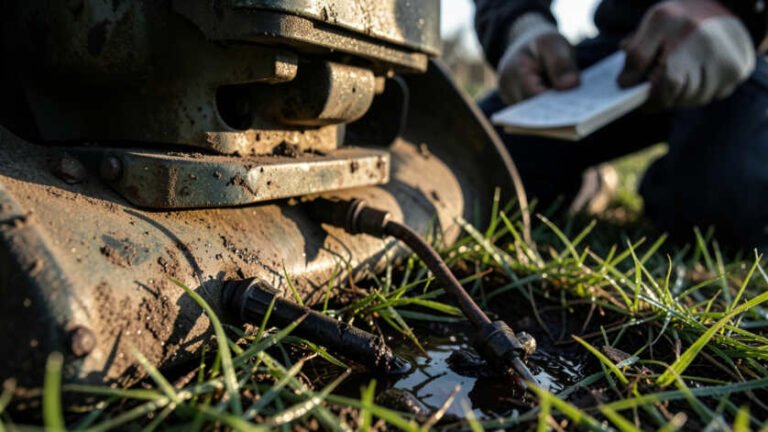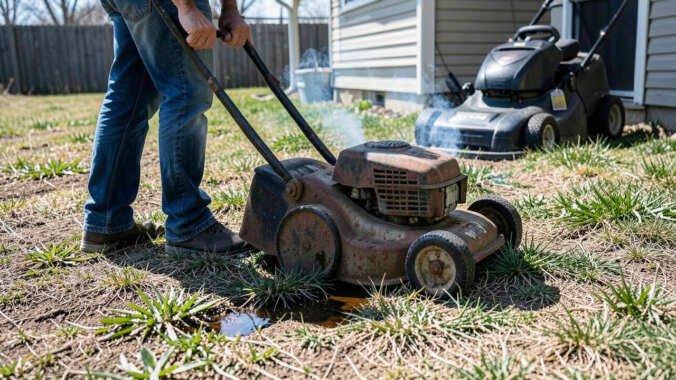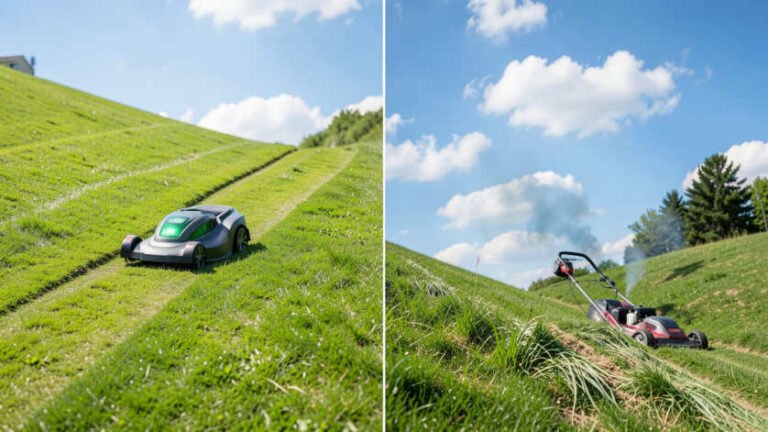
You should replace your lawn mower for good when repair costs exceed half the price of a new model, the engine requires major work, or the deck is rusted or cracked beyond safe repair. Most gas mowers last 7 to 10 years, while electric mowers typically last 5 to 8 years with proper maintenance. If your mower is older and needs frequent fixes, buying a new one is the smarter financial choice and provides better performance.
A lawn mower that struggles to start or leaves your yard uneven might be doing more harm than good. Knowing the exact signs it is time to replace your lawn mower for good saves you money and keeps your lawn healthy.
Quick Verdict: You should replace your lawn mower for good when repair costs exceed half the price of a new model, the engine needs major work, or the deck is rusted through. Most gas mowers last 7 to 10 years. If your mower is older and requires frequent fixes, buying a new one is the smarter financial choice.
Key Takeaways
- A good rule of thumb is to replace your lawn mower when a single repair costs more than 50% of the price of a new equivalent model.
- The average gas push mower lasts between 7 and 10 years with proper maintenance, while electric mowers typically last 5 to 8 years.
- Engine problems like hard starting, excessive smoke, or loss of power are strong indicators that it is time to replace your lawn mower for good.
- A rusted or cracked mower deck cannot be repaired safely and almost always requires a full replacement.
- Upgrading to a new mower gives you access to better safety features, improved mulching technology, and easier starting mechanisms.
What Are the Signs Your Lawn Mower Needs Replacing?
Ignoring a failing mower leads to poor cuts and costly breakdowns. Here are the most common signs that point to replacement rather than repair.
Engine and Starting Problems
The engine is the heart of your mower. If it fails, replacement is usually the best option.
- You need to pull the starter cord more than 10 times to get the engine running. This often means the valves are worn or the compression is low.
- White or blue smoke pours from the engine while running. White smoke usually means oil is burning internally. Blue smoke indicates worn piston rings.
- Black smoke comes out while cutting thick grass. This suggests the carburetor is running too rich and may need a full replacement.
- The engine stalls under load or when the grass is slightly damp. These power loss issues point to an engine that is nearing the end of its life.
Important: A seized engine is the most definite sign. If you check the oil and it is full, but the engine will not turn over, the internal bearings have locked up. This repair almost always costs more than a new mower.
Cutting Quality and Deck Issues
Even a strong engine cannot fix a damaged deck. The deck is the mower’s chassis and cutting chamber.
- Your lawn looks uneven even after you sharpen or replace the blade. This indicates a warped or bent deck.
- Rust holes have formed on the top or side of the deck. These holes allow grass clippings to escape, which reduces lift and creates a poor cut.
- The deck vibrates heavily at normal operating speed. Heavy vibrations usually mean the blade spindle is bent or the crankshaft is damaged.
Excessive Smoke and Vibrations
Smoke and vibrations are safety hazards, not just annoyances. They signal mechanical failure that can lead to flying debris.
According to the Outdoor Power Equipment Institute, a mower with heavy vibrations has a high chance of throwing a blade. This is a serious safety risk. Replacing the mower removes this danger entirely.
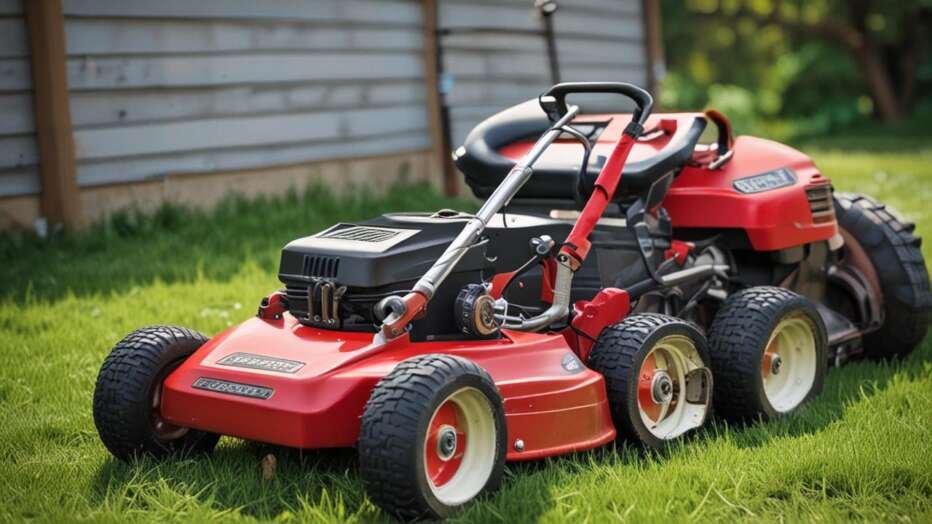
How to Decide Between Repair and Replacement
Use the 50% rule when deciding. If the repair bill is more than half of a new mower, replace it. The table below breaks down common repair costs.
| Repair Type | Average Cost | Verdict |
|---|---|---|
| Spark plug, air filter, oil change | $20 to $50 | Repair it. This is basic maintenance. |
| Carburetor cleaning or rebuild | $40 to $80 | Repair if the mower is less than 5 years old. Replace if older. |
| Blade replacement and balancing | $25 to $45 | Repair it. This is standard annual maintenance. |
| Wheel drive / transmission repair | $100 to $250 | Replace. Self-propelled repairs are complex and costly. |
| Full engine replacement | $150 to $300 | Replace the mower. A new push mower costs only a bit more. |
| Deck patching or welding | $40 to $60 (if possible) | Replace. Large rust holes mean the deck is structurally unsound. |
Warning: Do not attempt to weld or patch a rusted mower deck if you are not experienced. The high heat can warp the deck and make the mower dangerous to operate. A new mower is always safer than a rusty repair job.
What Is the Average Lifespan of a Lawn Mower?
Knowing the expected lifespan helps you plan your budget. Different types of mowers wear out at different rates.
According to the, the average gas walk-behind mower lasts 7 to 10 years. This assumes the owner performs basic maintenance like oil changes and blade sharpening.
Electric mowers have a different lifespan pattern. The electric motor itself can last 10 to 15 years. The lithium-ion battery, however, typically degrades after 3 to 5 years. A replacement battery can cost $100 to $250, which sometimes makes buying a new mower more practical.
Industry surveys show that 70% of homeowners replace their mower because of deck rust or engine failure. Only 20% replace their mower because they want upgraded features. This proves that most people wait until the mower is truly broken before they buy a new one.
What Is the Best Way to Extend Your Mower’s Life?
You can push your mower closer to the 10-year mark with consistent care. Skipping maintenance is the main reason mowers fail early.
Annual Maintenance Checklist
- Change the engine oil once per season or after every 50 hours of use. Dirty oil causes engine wear and overheating.
- Replace the spark plug every spring. A weak spark makes starting hard and wastes fuel.
- Clean the underside of the deck with a scraper or hose after every mow. Wet grass clippings cause rust to form quickly.
- Sharpen the blade at least once per year. A dull blade tears the grass, which makes your lawn look brown and stressed.
- Use fuel stabilizer in the last tank of the season. This prevents the carburetor from getting clogged during winter storage.
Storage Tips
- Store the mower in a dry shed or garage. Rain and humidity accelerate rust on the deck and engine components.
- Drain the fuel or run the carburetor dry if you store the mower for more than 30 days. Old gas turns into varnish and clogs tiny fuel jets.
- Keep the battery on a trickle charger during winter if you own an electric mower. Deep discharge shortens battery lifespan significantly.
Common Myths vs Facts About Lawn Mower Replacement
There is a lot of bad advice about when to replace a mower. Here are the most common myths and the real facts.
Myth 1: You must replace the mower as soon as it has trouble starting
Fact: A hard-starting mower often just needs a new spark plug or a carburetor cleaning. These repairs cost less than $50. Only replace the mower if the engine lacks compression or has a bent crankshaft.
Myth 2: A sharp blade fixes all cutting problems
Fact: A sharp blade helps, but it cannot fix a warped deck or a bent spindle. If your cut is uneven, check the deck for level. If the deck is damaged, sharpening the blade is a waste of time and money.
Myth 3: Electric mowers last longer than gas mowers
Fact: The motor on an electric mower can outlast a gas engine. The battery, however, is the weak link. Most battery packs need replacement after 3 to 5 years. At that point, the cost of a new battery might be close to the price of a whole new mower.
Important: Many people replace their mower too early because they think repairs are too hard. Basic maintenance like cleaning the deck and changing the oil can easily add 3 to 5 years to your mower’s life. Do not give up too soon.
What to Look For in a New Mower
If you have decided it is time to replace your lawn mower for good, choose the right one for your yard. The wrong choice leads to frustration early in the mower’s life.
Deck Material
- Steel decks are durable and cheap but rust within 5 to 7 years if not cleaned.
- Aluminum decks do not rust. They are lighter and last longer, but they cost more upfront.
- Stamped decks are thin and prone to cracking. Fabricated decks are welded and much stronger.
Engine Quality
Brands like and Briggs & Stratton are known for reliability. Look for an engine with a cast iron sleeve for longer life. Engines without this sleeve wear out faster under heavy use.
Drive System
- Push mowers are cheapest and require the most effort. Good for flat yards under 1/4 acre.
- Self-propelled mowers are easier on hills and larger lawns. The drive system adds weight and complexity.
- Electric mowers are quieter and require less maintenance. They are best for small to medium flat yards.
How to Dispose of an Old Lawn Mower
Once you decide to replace your mower, do not just leave it on the curb. Proper disposal is important for the environment and safety.
- Drain the oil and fuel completely. Take these fluids to a local recycling center or auto parts store.
- Remove the battery from an electric mower. Lithium-ion batteries need special recycling at an electronics waste facility.
- Take the metal frame and deck to a scrap metal yard. Most steel parts can be recycled and melted down.
- Check with your local waste management service. Many cities offer bulk trash pickup days for large items like mowers.
Tip: Some lawn mower repair shops will buy old mowers for parts. You can get $20 to $50 for a mower with a good engine or wheels. This puts a little cash back in your pocket for your new purchase.
Frequently Asked Questions
How many years should a lawn mower last?
A gas lawn mower lasts 7 to 10 years with proper care. An electric mower lasts 5 to 8 years. The battery on an electric model is usually the first component that needs replacing.
Is it worth replacing a lawn mower engine?
Replacing an engine costs $150 to $300. Unless your mower is less than 3 years old, this usually costs more than buying a whole new mower. A new entry-level push mower costs roughly the same amount.
Can a mower deck be repaired safely?
Small cracks can be welded for $40 to $60. Large rusted holes that go through the deck are not repairable. A deck with significant rust is a safety hazard and the mower should be replaced.
What happens if you never change the oil in a lawn mower?
Old oil loses its ability to lubricate the engine. This causes the internal parts to overheat and seize up. A seized engine requires a full replacement, which costs more than a new mower.
Do electric mowers need less maintenance than gas mowers?
Yes. Electric mowers have no oil changes, no spark plugs, and no air filters. You just need to sharpen the blade and keep the battery charged. This makes them much easier to maintain over the long term.
Final Thoughts
A failing lawn mower wastes your time and damages the look of your yard. Watch for rust, smoke, and repair bills that exceed half the price of a new model. Knowing when it is time to replace your lawn mower for good keeps your lawn healthy and saves you money in the long run. Upgrade when the signs are clear, and maintain your new mower to get the most out of your investment.