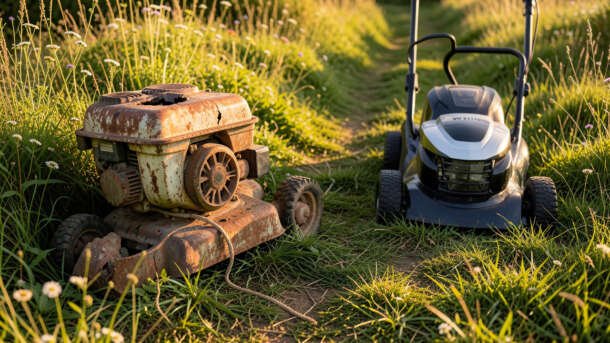
When an electric lawn mower scalps the lawn, it cuts below the grass crown, stripping the plant of its energy reserves and exposing bare soil to sunburn, weed invasion, and fungal disease. This damage stresses the root system, causing collapse and slowing recovery for weeks. Proper mower deck height adjustment and careful operation on uneven ground prevent scalping, while deep watering and light nitrogen fertilization aid regrowth within two to three weeks.
Your electric lawn mower should trim grass, not dig into the soil. Scalping happens when the blade cuts too deep and removes the crown of the grass plant.
Quick Verdict: In short, scalping occurs when an electric lawn mower scalps the lawn by cutting below the grass crown, removing too much leaf tissue and exposing bare soil. This damages the plant’s energy reserves, stresses roots, and invites weeds, disease, and sunburn. Most scalping results from improper deck height, uneven ground, or operator error.
Key Takeaways
- Scalping cuts into the crown of the grass plant, which stores essential energy for growth and recovery.
- An electric lawn mower scalps the lawn when the blade height is set too low or the ground surface is uneven.
- Scalping exposes bare soil, which gives weeds, moss, and fungal diseases a direct path to invade your lawn.
- You can fix a scalped lawn by watering deeply, applying a light nitrogen fertilizer, and avoiding foot traffic for two to three weeks.
- Preventing scalping requires setting your mower deck to the correct height and checking tire pressure before each cut.
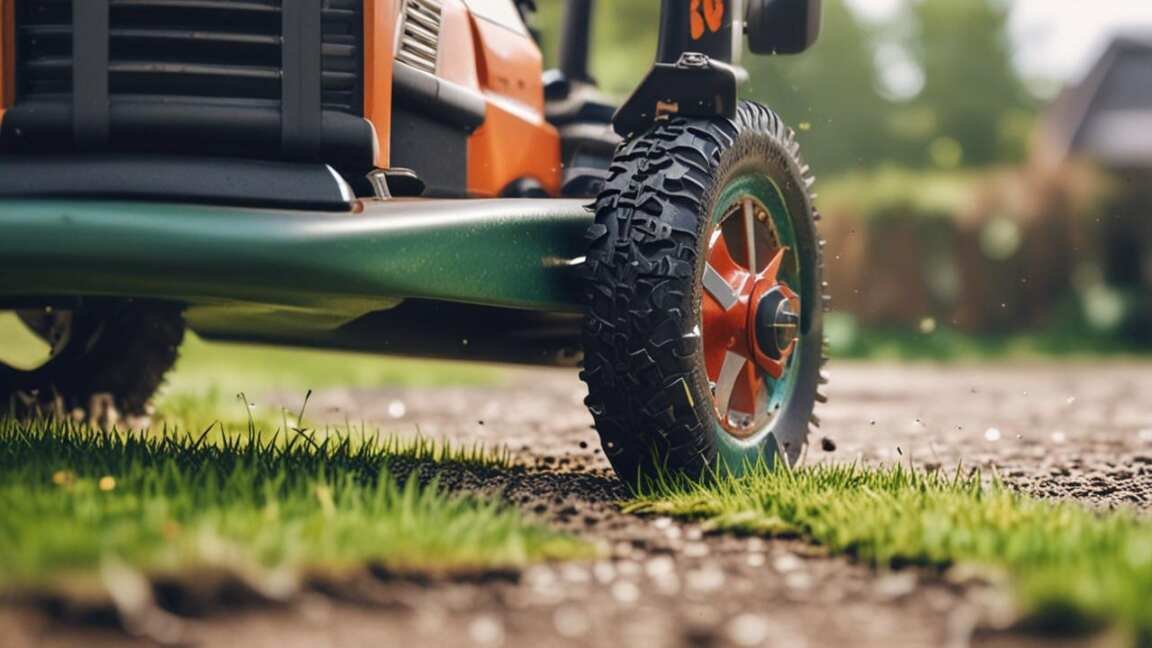
What Causes an Electric Lawn Mower to Scalp?
Several factors cause scalping. Understanding each one helps you avoid the problem in the future.
Incorrect deck height is the most common cause. When you set the mower deck too low for your grass type, the blade cuts into the crown. According to, cool-season grasses like fescue should stay at 3 to 4 inches. Warm-season grasses like Bermuda can handle 1 to 2 inches. Cutting below these ranges invites scalping.
Uneven ground creates high spots that the blade hits harder. Lawns with bumps, dips, or thatch buildup are vulnerable. Your electric mower follows the terrain, so a bump forces the blade upward into the grass crown on that spot.
Battery power loss during mowing is unique to electric mowers. As the battery drains, the blade slows down. A slower blade tears grass instead of cutting cleanly. This tearing can pull up the crown and cause scalping in patches.
Operator speed and technique matter. Pushing the mower too fast over uneven areas reduces cutting accuracy. Turning sharply on damp grass also lifts the front wheels, dropping the rear blade deeper into the turf.
Tire pressure imbalances affect cutting height. Low tire pressure on one side lowers that side of the mower deck. This causes one wheel track to scalp while the other side cuts normally.
| Cause | What Happens | Who Is Affected |
|---|---|---|
| Incorrect deck height | Blade cuts below grass crown, killing leaf tissue | All grass types when set too low |
| Uneven ground | High spots get scraped, low spots get missed | Lawns with bumps, dips, or thatch |
| Battery power loss | Slower blade tears grass, pulling up crowns | Anyone mowing with a partially drained battery |
| Fast operator speed | Mower bounces over bumps, cuts deeper on impact | Rough or undulating lawns |
| Tire pressure imbalance | One side of deck lowers, scalping that wheel track | Lawns mowed with unbalanced tires |
Warning: Never lower the deck height more than one-third of the grass blade length in a single mow. Cutting off more than one-third shocks the plant and dramatically increases the risk of scalping.
What Goes Wrong When Your Lawn Gets Scalped?
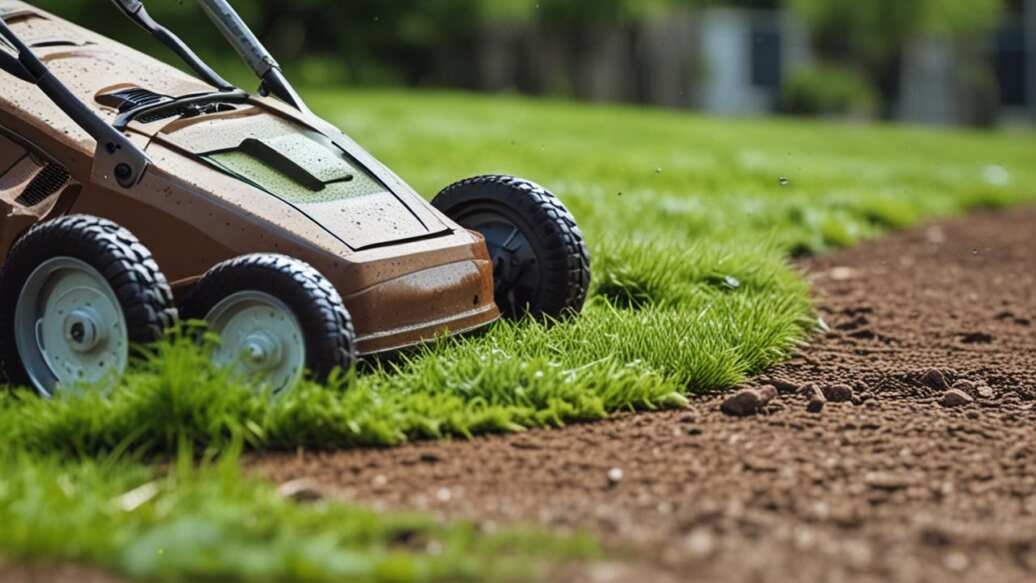
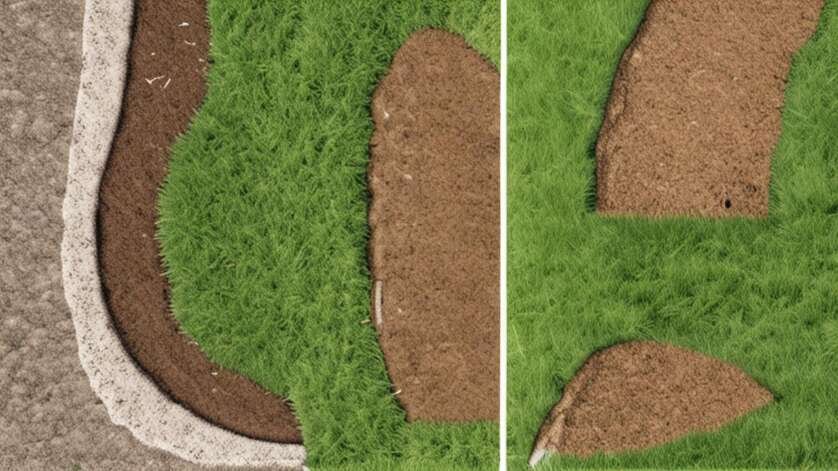
When an electric lawn mower scalps the lawn, the damage goes far beyond looks. The grass plant loses its ability to photosynthesize, recover, and defend itself.
Loss of Energy Reserves
The crown of the grass plant stores carbohydrates. These reserves fuel regrowth after cutting. According to, scalping removes 50 to 70 percent of the plant’s stored energy. The grass enters survival mode. It cannot produce new leaves quickly. Recovery slows to a crawl.
Root System Collapse
Grass roots depend on leaf area to produce food through photosynthesis. When you scalp the lawn, you remove most of the leaf surface. The roots then starve. The reports that scalped lawns can lose up to 40 percent of their root depth within one week. Shallow roots make the lawn less drought-tolerant and more prone to heat stress.
Weed Invasion
Bare soil is an open invitation for weeds. Crabgrass, dandelions, and clover seeds land on the exposed soil and germinate immediately. The states that weed pressure increases by 60 to 80 percent in areas where scalping exposes soil. Weeds outcompete the recovering grass for water, nutrients, and light.
Disease and Fungus Proliferation
Scalping wounds the grass plant. Each torn leaf and exposed crown is an entry point for fungal spores. Brown patch, dollar spot, and snow mold thrive on stressed grass. The open soil surface also retains more moisture, which creates ideal conditions for fungus to spread.
Sunburn and Soil Temperature Spikes
Grass normally shades the soil. When you remove that protective layer, sunlight hits the bare ground directly. Soil temperature can rise by 10 to 15 degrees Fahrenheit in a single afternoon. Hot soil kills remaining root tips and desiccates the crown. According to, electric mowers are often used on smaller lawns where owners tend to cut more aggressively, increasing the risk of this thermal damage.
Tip: After a scalping incident, water your lawn deeply in the early morning. Deep watering encourages roots to grow downward, which helps the plant recover faster than frequent shallow watering.
How to Fix a Scalped Lawn
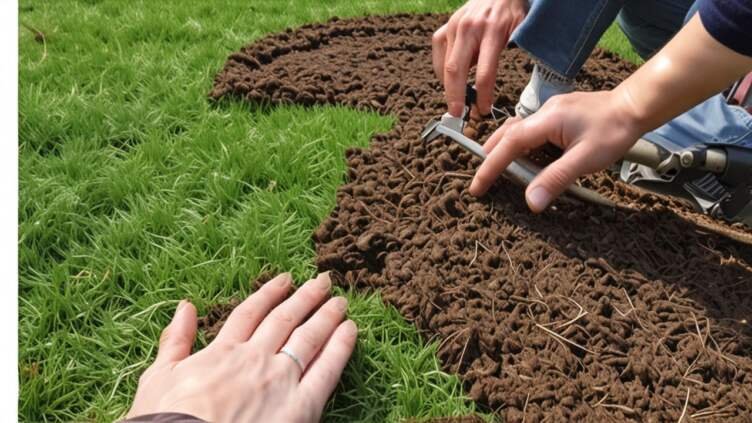
Fix a scalped lawn as soon as you notice the damage. Acting within the first 48 hours gives the grass the best chance to recover.
- Stop mowing immediately. Do not cut the lawn again until the grass has regrown to at least 3 inches. Cutting too soon will stress the already damaged crowns further.
- Water deeply twice per week. Apply about one inch of water per session. Deep watering encourages root growth and helps the plant rebuild its energy reserves. Use a tuna can to measure water depth.
- Apply a light nitrogen fertilizer. Use a slow-release formula at half the recommended rate. Too much nitrogen burns stressed roots. According to, a 10-10-10 fertilizer applied at 0.5 pounds per 1000 square feet supports recovery without overloading the plant.
- Keep foot traffic off the area. Walking on scalped grass compacts the soil and damages fragile new shoots. Set up temporary barriers or rope off the affected zone for at least two weeks.
- Overseed bare spots after three weeks. If the grass does not fill in on its own, spread a thin layer of topsoil and apply a grass seed blend that matches your existing turf. Water the seeded area daily until germination.
Important: Do not apply weed killer to a scalped lawn. Herbicides stress grass even further. Wait until the grass has regrown to its normal height and appears healthy before treating weeds.
Expected Recovery Timeline
| Time After Scalping | What to Expect | Action Needed |
|---|---|---|
| Day 1-3 | Bare soil visible, grass looks brown and stressed | Water deeply, stay off the area |
| Week 1-2 | Small new shoots appear from surviving crowns | Fertilize lightly, keep watering |
| Week 3-4 | Grass reaches 2-3 inches, coverage is patchy | Overseed bare spots, resume light mowing |
| Week 5-6 | Lawn appears mostly recovered with some thin spots | Return to normal mowing schedule, continue watering |
How to Prevent Scalping in the Future
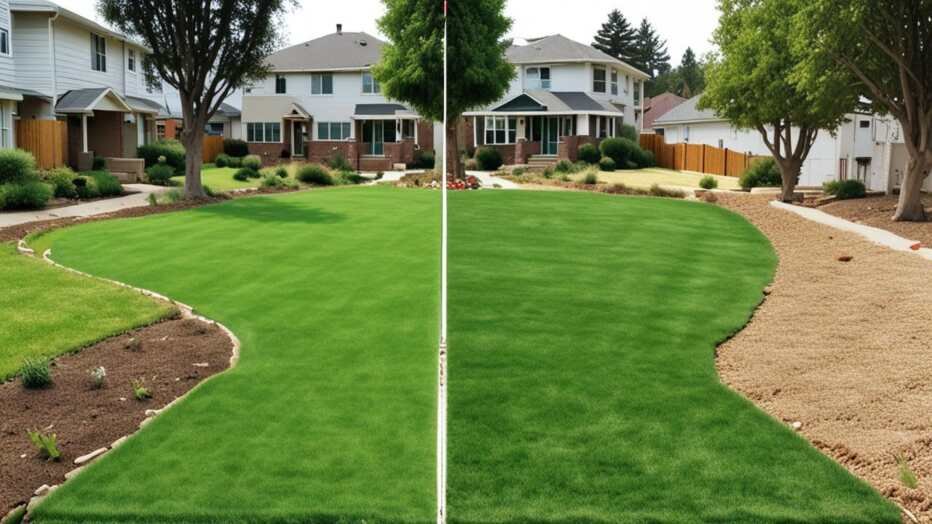
Preventing scalping is easier than fixing it. Follow these practices every time you mow.
Set the Correct Deck Height
Every electric mower has a deck height adjustment lever. Use it based on your grass type.
- Cool-season grasses (fescue, bluegrass, ryegrass): Set deck height to 3.5 to 4 inches. Never cut below 3 inches.
- Warm-season grasses (Bermuda, Zoysia, St. Augustine): Set deck height to 1.5 to 2.5 inches. These grasses tolerate lower cuts but still scalp if set below 1 inch.
- Transition zone grasses (tall fescue, buffalo grass): Set deck height to 3 to 4 inches. These grasses need moderate cutting heights.
Tip: Measure your mower deck height with a ruler, not by eye. Park the mower on a flat surface and measure from the ground to the blade tip. Many electric mower height indicators are off by 0.5 inches or more.
Level Your Mower Deck
Electric mowers have decks that tilt over time. A tilted deck cuts deeper on one side. Check the deck level every month. Place the mower on a flat surface and measure from the ground to the blade tip on both sides. Adjust the deck bolts so both sides match within 1/8 inch.
Maintain Sharp Blades
Dull blades tear grass instead of cutting it. Tearing pulls on the crown and increases scalping risk. According to, a sharp blade produces a clean cut that the grass can heal quickly. A dull blade tears the leaf, causing ragged edges that turn brown. Sharpen your electric mower blade after every 10 hours of use.
Check Tire Pressure Before Each Mow
Low pressure on one side drops that corner of the deck. Inflate all tires to the manufacturer’s recommended PSI. Use a tire gauge for accuracy. Electric mowers typically use 8 to 15 PSI depending on the model.
Mow at the Right Time of Day
Morning mowing is best. The grass is dry and stands upright for a clean cut. Afternoon mowing on hot days causes grass to wilt slightly, making it more likely to fold under the blade and get pulled rather than cut. Never mow wet grass. Wet grass clumps together, weighs down the blades, and increases the chance of scalping as the mower rides over flattened tufts.
Use a Consistent Mowing Pattern
Change your mowing direction every week. If you always mow north to south, the grass develops a lean in that direction. The blade then misses some blades on the return pass. Alternating patterns keeps grass growing upright and reduces the chance of scalping low-lying areas.
| Prevention Measure | How Often | Tools Needed |
|---|---|---|
| Check deck height | Before every mow | Ruler or deck gauge |
| Level mower deck | Monthly | Wrench, level, ruler |
| Sharpen blade | Every 10 hours of use | File, bench grinder, wrench |
| Check tire pressure | Before every mow | Tire pressure gauge |
Common Myths vs Facts
Important: Many homeowners believe myths about scalping that actually make the problem worse. These three misconceptions are the most common and the most damaging.
Myth 1: Scalping helps the lawn grow back thicker
Fact: Scalping does not make grass grow thicker. It damages the crown and root system, which reduces the plant’s ability to produce new shoots. Thicker growth comes from proper mowing height, adequate water, and balanced fertilization. According to, grass cut at the correct height develops deeper roots and fuller coverage than grass that is scalped repeatedly.
Myth 2: Electric mowers cannot scalp because they are lighter than gas mowers
Fact: Electric mowers can scalp just as badly as gas mowers. Weight does not determine scalping risk. Blade height, ground unevenness, and operator technique cause scalping. Electric mowers often have smaller wheels, which makes them more sensitive to bumps and dips. The testing data shows that electric mowers with 7-inch or smaller wheels scalp more frequently on uneven terrain than models with 10-inch or larger wheels.
Myth 3: A scalped lawn will recover on its own without intervention
Fact: Scalped lawns require active care to recover. Without water, fertilizer, and protection from foot traffic, the bare soil will fill with weeds before the grass regrows. The reports that untreated scalped areas take 8 to 12 weeks to recover, compared to 4 to 6 weeks with proper watering and fertilization. Active intervention cuts recovery time in half.
Frequently Asked Questions
Can an electric lawn mower scalp the lawn on just one pass?
Yes, one pass can scalp the lawn if the deck height is set too low or if the ground has a high spot. The damage appears as a single stripe or patch where the blade hit the crown. This type of scalping is usually shallow and the grass can recover within one to two weeks with proper watering.
Does scalping damage the lawn permanently?
Permanent damage is rare but possible if scalping happens repeatedly on the same area. Each scalping event kills more crown tissue and depletes energy reserves. According to, lawns that are scalped more than three times in a single growing season often develop thinning that requires complete overseeding or sod replacement.
Is scalping worse for cool-season or warm-season grasses?
Cool-season grasses suffer more damage from scalping because they store less energy in their crowns. Warm-season grasses like Bermuda have deeper root systems and can tolerate lower cuts. However, both types experience stress, weed invasion, and disease risk when scalped.
How do I know if my electric mower is set to the right height?
Measure from a flat surface to the blade tip with a ruler. Compare that measurement to the recommended height for your grass type. A good test is to mow a small test strip at the current setting and check whether you see brown crown tissue after the cut. If you see brown, raise the deck by half an inch.
Should I replace my electric mower if it keeps scalping the lawn?
Not necessarily. Most scalping problems are fixable with proper deck adjustment, blade maintenance, and operator technique. However, if your mower has a bent blade shaft, warped deck, or severely unbalanced wheels, replacement may be more cost-effective than repair. Check with your mower manufacturer for warranty coverage before buying a new unit.
Final Thoughts
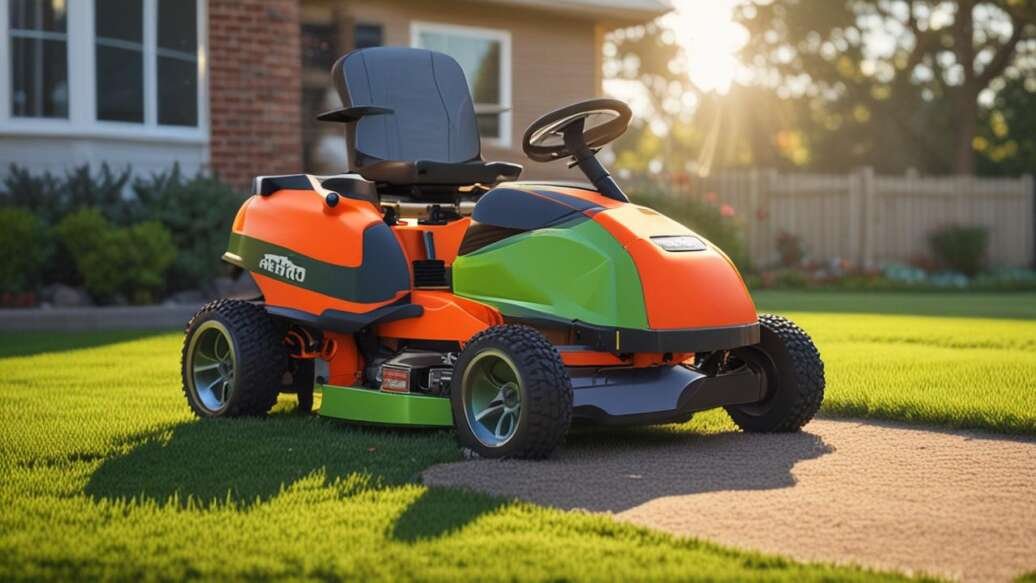
Scalping happens when your electric mower cuts too deep, damaging the grass crown and root system. The results include brown patches, weed invasion, and slow recovery that can take weeks. Prevent scalping by setting the correct deck height, keeping your blade sharp, and checking tire pressure before every mow. With these practices, your electric mower will keep your lawn healthy and even all season long.