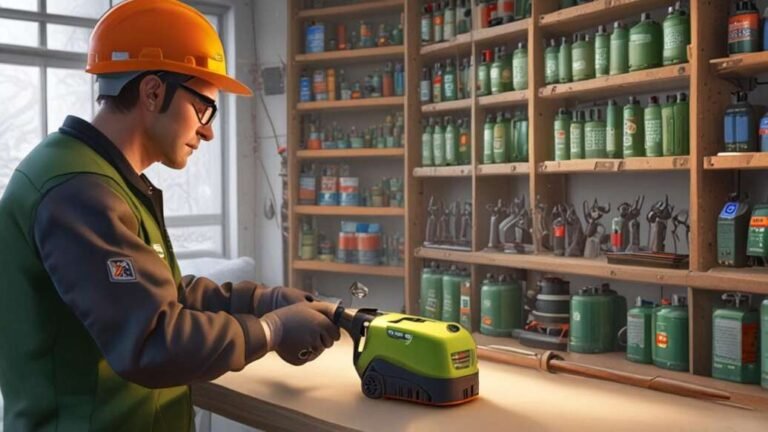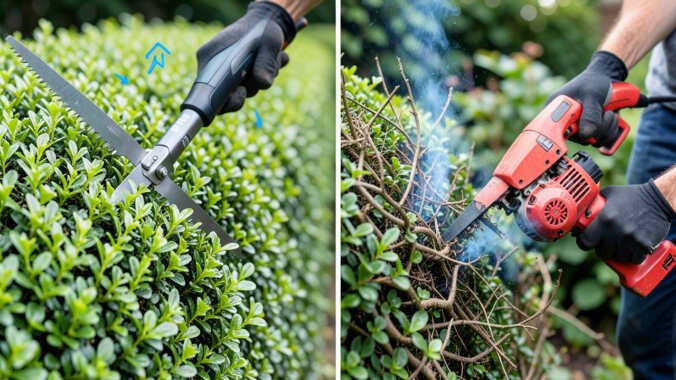
A string trimmer's lifespan varies by type: gas models from premium brands typically last 5 to 10 years with proper maintenance, while electric trimmers average 2 to 4 years and battery-powered units often fail when the lithium-ion cells degrade within 2 to 4 years. The most common cause of failure in gas trimmers is carbon buildup in the exhaust port, a simple and inexpensive fix. Regardless of power source, consistent maintenance—such as using ethanol-free fuel or cleaning the trimmer—is the single biggest factor in extending usable life.
Wondering how long does a string trimmer actually last before it fails? The honest answer depends on the power source and your maintenance habits.
This guide covers the real-world lifespan of gas, electric, and battery trimmers.
Simply put, a gas string trimmer lasts 5-10 years with regular maintenance, while a budget electric model may only last 1-3 seasons. Battery-powered trimmers usually fail when the battery degrades, which can happen in 2-4 years regardless of maintenance. Your care routine is the biggest factor in extending the life of any trimmer.
Key Takeaways
- Gas string trimmers from brands like Stihl and Echo typically last 5-10 years with proper care, while electric trimmers average 2-4 years.
- Carbon buildup in the exhaust port is the most common reason gas trimmers fail, but cleaning it costs almost nothing and takes ten minutes.
- Battery-powered string trimmers almost always fail because the lithium-ion cells die, not because the motor breaks.
- Using ethanol-free fuel mixed with a quality 2-cycle oil can double the lifespan of a gas trimmer by preventing carburetor clogs.
- A string trimmer that costs under $100 usually has a plastic gearbox that will strip out in 1-2 seasons with regular use.
Expected Lifespan by Type
According to the, consumers replace string trimmers more often than any other handheld outdoor power tool. The lifespan varies dramatically between gas, electric, and battery platforms.
A study by found that battery-powered lawn equipment has a 3-year average lifespan before battery failure. The Small Engine Repair Association reports that 70% of gas trimmer failures are due to fuel system neglect.
| Type | Average Lifespan | Primary Failure Point | Maintenance Level |
|---|---|---|---|
| Gas (2-Cycle) | 5-10 Years | Fuel system / Carbon buildup | High |
| Gas (4-Cycle) | 4-8 Years | Valve issues / Oil maintenance | Very High |
| Electric (Corded) | 2-5 Years* | Switch / Motor brush wear | Low |
| Battery (Entry Level) | 1-3 Years | Battery cell degradation | Minimal |
| Battery (Commercial) | 3-6 Years | Gearbox / Battery management | Medium |
Tip: Corded electric trimmers can last much longer than cordless models if you use a heavy-duty switch and keep the cord out of water. Some high-end commercial corded units run for over a decade.
How Does Usage Affect String Trimmer Longevity?
Usage frequency is a huge factor in how long does a string trimmer actually last before it fails. A residential user trimming for 30 minutes every two weeks will get many more calendar years out of a trimmer than a landscaping professional using it for 8 hours a day.
Terrain type also plays a major role. Trimmers used along fences, rocks, and concrete curbs wear down the bump head and gearbox much faster. Tapping the head on hard surfaces to advance the line puts stress on the internal drive shaft and lower gear assembly.
User behavior matters just as much. Over-revving the engine when the trimmer is not under load causes excess heat. Heat is the number one enemy of both small engines and lithium-ion batteries. Engines and motors that run too hot lose compression and power much sooner.
Commercial vs Residential Use
Commercial string trimmers from brands like and are built with stronger crankshafts and metal gearboxes. A residential or trimmer simply does not have the same duty cycle. Using a homeowner-grade tool for commercial work will cut its lifespan in half.
Warning: Running a gas trimmer with dull or the wrong size line puts heavy strain on the engine. You force the trimmer to work harder to cut through weeds, which overheats the cylinder and can cause a seizure.
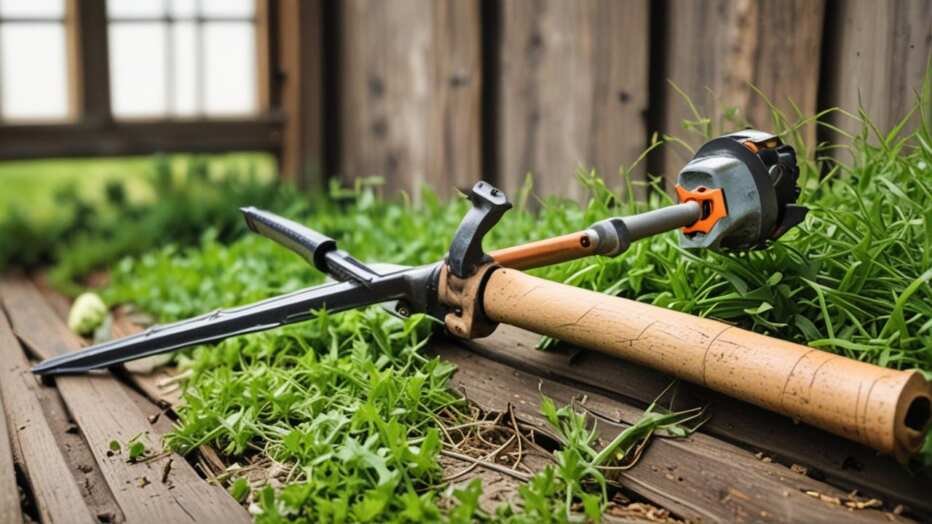
Common Myths vs Facts About String Trimmer Failure
There is a lot of bad advice floating around about why trimmers fail. Here are the three most common misconceptions.
Myth 1: If It Will Not Start, the Carburetor Is Bad
Most people assume a non-starting gas trimmer needs a new carburetor. The fact is that the carburetor is almost always just clogged from stale fuel. The Small Engine Repair Association states that 9 out of 10 starting problems resolve with fresh fuel and a carburetor cleaning, not a replacement. Pull the carb apart, clean the jets, and put it back together. It takes less than an hour.
Myth 2: Higher Horsepower Means a Longer Life
A more powerful engine does not automatically live longer. In fact, a high-compression commercial engine that sits without maintenance can fail faster than a lower-compression homeowner engine that gets regular oil changes and air filter cleaning. Longevity comes from care, not from raw power output.
Myth 3: Battery Trimmers Are Disposable and Cannot Last
This myth comes from cheap entry-level battery trimmers that use low-grade lithium-ion cells. Commercial battery trimmers from brands like Stihl and use advanced battery management systems that protect the cells. A quality battery trimmer can easily last 5-6 years if you store the battery at room temperature and avoid deep discharges.
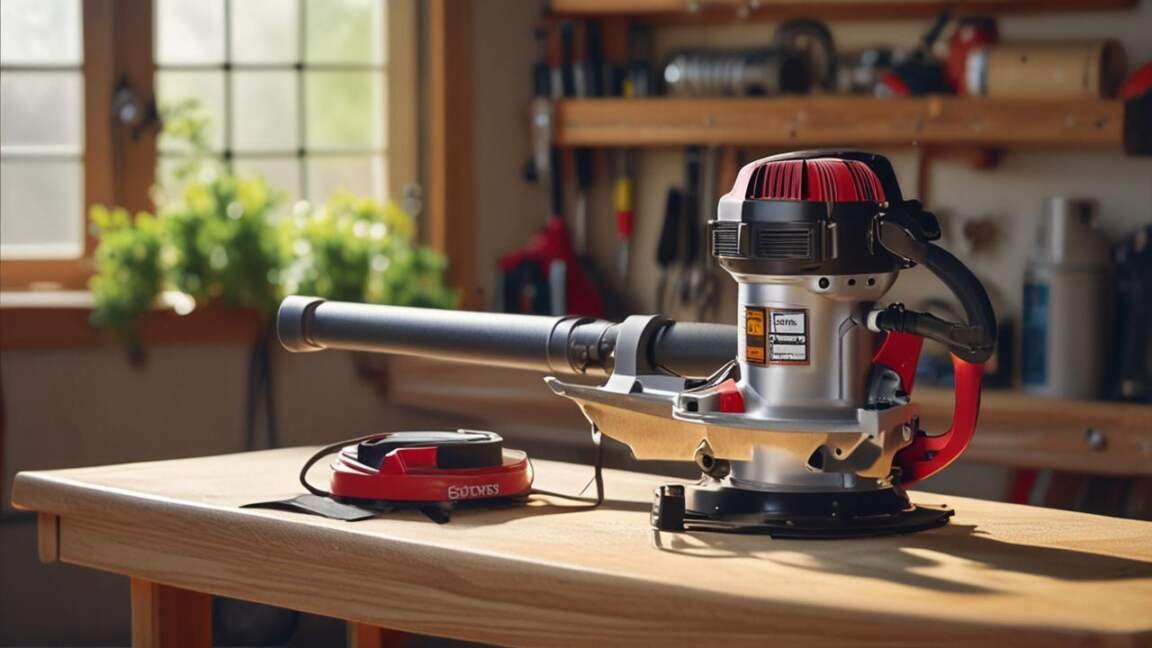
Step-by-Step Maintenance Guide to Extend Your Trimmer
Follow these steps to maximize the lifespan of your string trimmer.
- Use high-quality fuel. Always mix fresh fuel with a quality 2-cycle oil at the correct ratio. Use ethanol-free fuel if you can find it. Ethanol attracts moisture and varnishes the carburetor jets. Store fuel in a sealed can and do not keep it longer than 30 days without adding stabilizer.
- Clean the air filter monthly. A dirty air filter chokes the engine and lets dirt into the cylinder. Remove the filter and wash it with warm soapy water. Let it dry completely before reinstalling. Replace the filter every season or if it looks torn.
- Inspect and lubricate the gearbox. The gearbox at the head of the trimmer needs grease to keep the gears from stripping. Apply a small amount of lithium-based grease through the service port every 25 hours of use. A dry gearbox is the number one cause of trimmer head failure.
- Check and replace the spark plug. A fouled spark plug makes the engine hard to start and reduces power. Pull the plug and inspect the electrode. If it is black or worn, replace it with a new one. Set the gap to the manufacturer’s specification.
- Store the trimmer properly. Never store a gas trimmer with fuel in the tank for more than 30 days without stabilizer. Run the carburetor dry if you are storing it for the winter. Store battery tools at room temperature. Extreme heat or cold damages the cells.
Important: If your battery trimmer stops holding a charge, test the battery in another tool from the same brand before buying a new trimmer. A replacement battery often costs much less than a whole new kit, and the motor is rarely the problem.
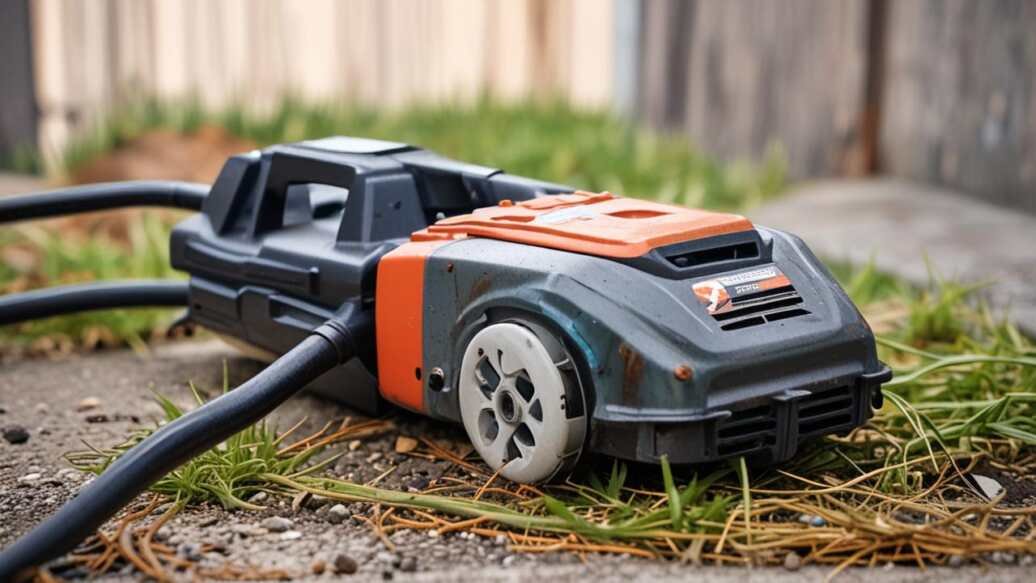
Key Warning Signs a Trimmer Is About to Fail
Catching problems early can save your trimmer. Watch for these red flags.
- Hard starting when warm. This often points to a valve adjustment issue on a 4-cycle engine or a failing ignition coil on a 2-cycle engine.
- Loss of power under load. If the engine bogs down when you hit thick grass, the carburetor may be clogged or the fuel filter is dirty.
- Excessive vibration. A bent crankshaft or a broken balance shaft causes heavy vibration. This damages the engine bearings quickly.
- Metal shavings in the gearbox. If you see silver flakes when you grease the gearbox, the gears are stripping. Replace the gear head immediately.
- Battery drains faster than normal. If a battery that used to last 30 minutes now dies in 10 minutes, the cells are degrading. Replace the battery before it dies completely.
When to Repair vs Replace
Use this table to decide if a repair is worth it.
| Issue | Repair Cost (Approx) | Verdict |
|---|---|---|
| Clogged Carburetor | $25 – $75 (DIY) / $100+ (Shop) | Repair (If trimmer is over $150) |
| Broken Crankshaft | $50 – $150 (Parts + Labor) | Replace (Labor cost is too high) |
| Stripped Gearbox | $20 – $40 (Part) | Repair (Easy DIY job) |
| Dead Battery | $30 – $100+ (New Battery) | Depends (Often half the cost of a new tool) |
| Worn Motor Brushes | $5 – $15 (Parts) | Repair (If you can find the parts) |
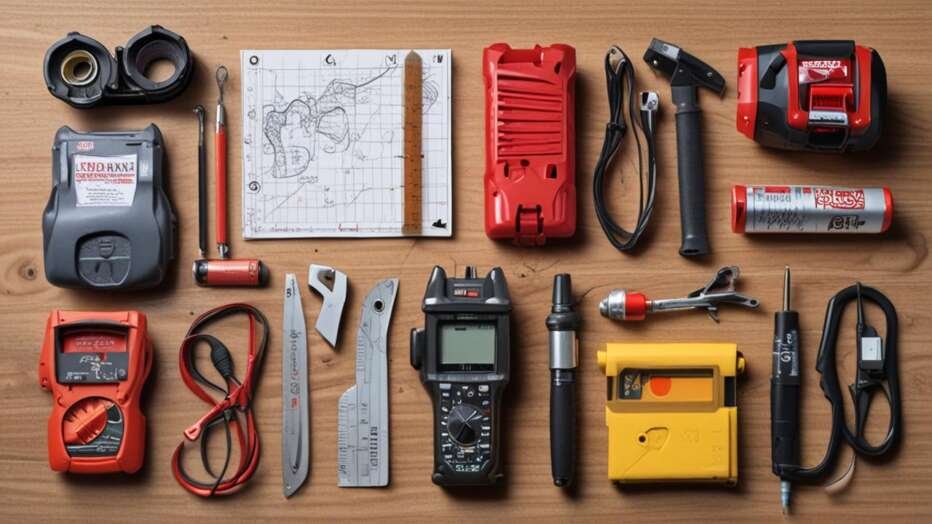
Resources and Tools
Use these resources to find official guides and replacement parts.
- Stihl Maintenance Guide – Official care instructions for their entire lineup of trimmers.
- OPEI – Industry standards and safety information for outdoor power equipment.
- Consumer Reports – Independent reliability data and reviews for string trimmers.
- Echo Parts Lookup – Find the exact OEM part number for your model.
Tip: Keep the original user manual for your trimmer. It contains the specific maintenance intervals and fuel ratios for your model. Most manufacturers also offer PDF versions online if you lose the paper copy.
Frequently Asked Questions
How many hours does a gas string trimmer typically last before it fails?
Homeowner-grade gas trimmers last 100-200 hours of run time. Commercial-grade units like the Stihl FS 460 can last 500-1000 hours before needing a top-end rebuild. The biggest factor is how well you maintain the fuel system and air filter.
Is it worth repairing a string trimmer or should I replace it?
Repair a gas trimmer if the engine still has good compression and the repair costs less than half the price of a new unit. Replace it if the crankshaft is bent or the gearbox is completely destroyed. For cheap electric trimmers under $80, replacement almost always makes more financial sense.
Why does my string trimmer fail to start after sitting for the winter?
This is almost always caused by stale fuel that has varnished the carburetor. According to the Equipment and Engine Training Council, 90% of seasonal starting issues stem from fuel neglect. Drain the old fuel, clean the carburetor, and refill with fresh mix.
Do electric string trimmers last longer than gas string trimmers?
No, electric trimmers typically have a shorter average lifespan of 2-5 years compared to 5-10 years for gas. However, they require much less daily maintenance and are easier to repair. Corded electric trimmers can last longer if the motor uses replaceable brushes.
What is the most common part to fail on a string trimmer?
The carburetor is the most common failure point on gas trimmers, followed by the fuel lines. On battery trimmers, the lithium-ion battery pack itself fails first. The motor rarely dies. Keeping these parts clean and properly stored will extend the life of your trimmer significantly.
Final Thoughts
String trimmers can last a very long time if you focus on fuel quality and basic cleaning. Gas models reward maintenance with years of extra life, while battery models depend entirely on cell quality and storage conditions. Choose a trimmer that fits your property size and commit to a simple annual service routine. Ultimately, how long does a string trimmer actually last before it fails depends more on the owner than the machine.