The real differences between cordless and gas hedge trimmers are that gas models provide unlimited runtime and higher sustained power for large properties and dense hedges, while cordless models deliver instant electric starting, zero emissions, and minimal maintenance for everyday residential tasks. Modern high-voltage cordless trimmers at 40V and above can match the cutting performance of many gas models for most trimming jobs. For typical homeowners, cordless trimmers offer superior convenience and lower long-term cost, making them the smarter choice, while gas remains best for professional or heavy-duty use.
Choosing between a cordless and gas hedge trimmer comes down to your specific property size and personal priorities. This comparison breaks down the real differences in power, cost, maintenance, and usability.
Simply put, gas hedge trimmers deliver continuous high power for large properties and heavy-duty jobs, but they require significant maintenance and produce high noise levels. Cordless hedge trimmers provide instant electric starting, near-silent operation, and minimal maintenance for the typical homeowner. Modern battery technology has largely closed the performance gap, making cordless the smarter choice for most people.
Key Takeaways
- Gas hedge trimmers offer unlimited runtime and higher sustained power, making them better for large, dense hedges and professional use.
- Cordless hedge trimmers provide instant electric starting, zero emissions, and significantly less noise than their gas counterparts for everyday residential tasks.
- Modern high-voltage cordless trimmers (40V and above) can match the cutting performance of many gas models for most residential trimming jobs.
- Gas trimmers require regular maintenance including oil changes, spark plug replacements, and fuel system cleaning, while cordless trimmers require almost none.
- Both tool types cost between $150 and $400 upfront, but cordless trimmers save money on fuel and maintenance over their lifetime.
Quick Comparison Table
| Feature | Gas Hedge Trimmer | Cordless Hedge Trimmer |
|---|---|---|
| Power Source | Gasoline (2-stroke mix) | Lithium-ion battery |
| Starting Method | Pull-cord (can be difficult) | Push-button (instant) |
| Noise Level (dB) | 100-110 dB (ear protection required) | 75-85 dB (often safe without ear pro) |
| Runtime | Unlimited (with fuel) | 30-90 minutes per charge |
| Maintenance | High (fuel mix, filters, spark plugs) | Low (blade cleaning only) |
| Weight | Typically 10-15 lbs | Typically 7-12 lbs |
| Best For | Large properties, thick branches, all-day use | Medium properties, quiet neighborhoods, quick cleanups |
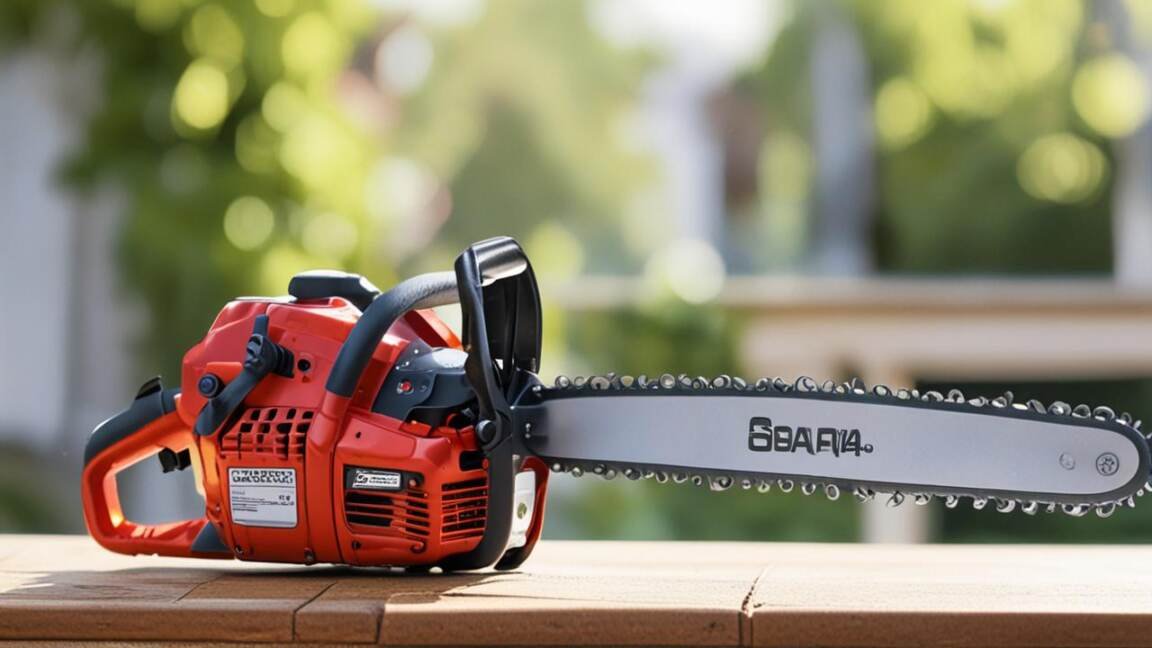
What Is a Gas Hedge Trimmer?
A gas hedge trimmer runs on a two-stroke engine that requires a specific mix of gasoline and oil. These machines are built for heavy-duty performance and sustained use. They have been the standard tool for professional landscapers for decades.
Gas trimmers produce higher torque levels than most cordless models. This makes them ideal for cutting thick, woody branches that often stop electric motors. Brands like Stihl and Husqvarna dominate this category with powerful engine configurations that range from 21cc to 30cc displacement.
According to the, gas powered lawn tools produce over 26 million tons of pollutants annually. This statistic highlights the environmental trade-off of choosing raw power over efficiency. Gas trimmers are also very loud. They measure between 100 and 110 decibels during normal operation.
Warning: The recommends hearing protection for any exposure to noise above 85 decibels. Always wear earplugs or earmuffs when operating a gas hedge trimmer.
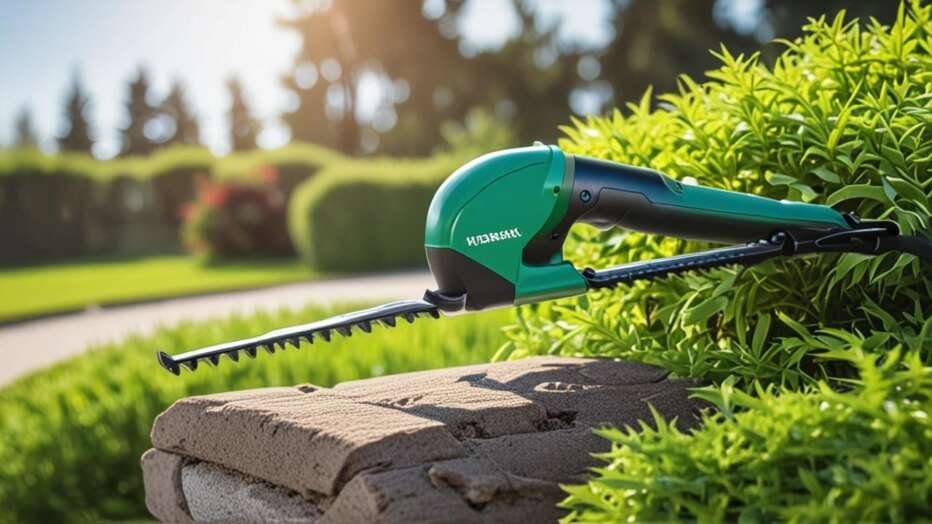
What Is a Cordless Hedge Trimmer?
A cordless hedge trimmer uses a rechargeable lithium-ion battery for power. These tools offer instant starting and require no fuel mixing. They have surged in popularity over the last decade as battery technology has advanced significantly.
Modern cordless trimmers from brands like DeWalt and Oregon use high-voltage battery packs ranging from 40V to 80V. Oregon reports that their 80V cordless hedge trimmer can make up to 3,000 cuts on a single charge. This level of performance is sufficient for nearly all residential yard maintenance tasks.
Battery prices have dropped by nearly 90% since 2008, according to. This makes cordless tools significantly more affordable than they were a decade ago. The brushless motors in current models also deliver excellent power efficiency and durability.
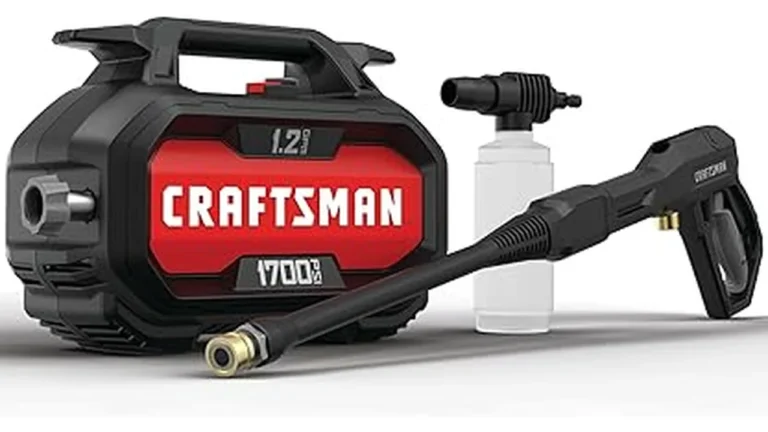
Important: If you already own a battery platform from a major brand like Ryobi, Makita, or Craftsman, buying a cordless hedge trimmer in the same system saves you money. You can use your existing batteries and charger.
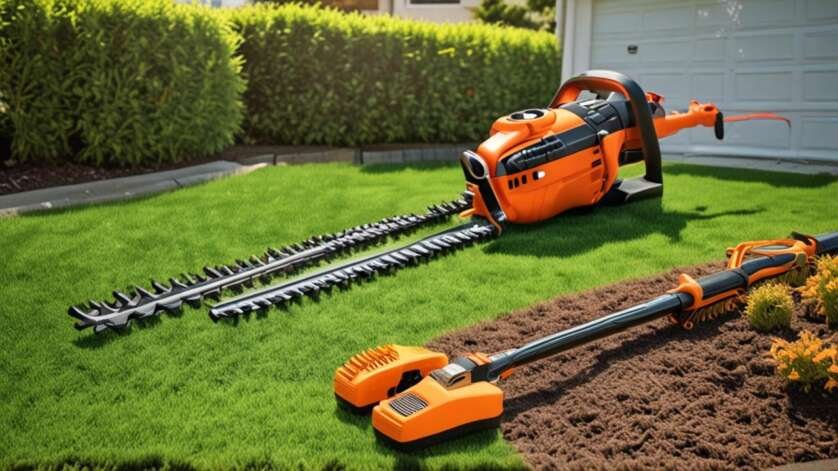
Head-to-Head Comparison: Gas vs Cordless
Power and Performance
Gas trimmers generally excel in raw cutting power. They maintain consistent blade speed even under heavy loads. This makes them perfect for cutting through dense hedges and branches up to 1 inch thick.
Cordless trimmers have closed the power gap dramatically. High-voltage models provide brushless motors that deliver instant torque. For 90% of homeowners, a 56V or 80V cordless trimmer handles all routine trimming tasks with ease.
- Gas: Better for sustained heavy cutting. Engine torque stays high even in thick growth.
- Cordless: Excellent for general use. Modern brushless motors provide consistent power until the battery depletes.
- Verdict: Gas wins for raw power and endurance. Cordless wins for everyday convenience and sufficient power.
Runtime and Limitations
Gas trimmers offer unlimited runtime. You can keep working as long as you have a supply of premixed fuel. This is a huge advantage for professional landscapers and people with very large properties.
Cordless trimmers are naturally limited by battery life. Most operate for 45 to 90 minutes on a single charge. If you have a small to medium yard, this is usually enough time to finish your hedges. A second battery solves the runtime concern entirely.
- Assess your hedge size. Small hedges take 15-30 minutes. Large hedges take 45-90 minutes.
- Match your battery capacity. A 5.0Ah battery lasts longer than a 2.0Ah battery.
- Buy a spare battery if you have heavy trimming needs. This gives you instant runtime extension.
Maintenance and Upkeep
This is one of the biggest real differences between the two types. Gas trimmers require significant maintenance. You must mix the fuel correctly, clean the air filter, and replace spark plugs. If you let gas sit in the tank for months, it can gum up the carburetor.
Cordless trimmers require almost no maintenance. You keep the blades clean and sharp. You store the battery at room temperature. That is essentially it. Users switching from gas to cordless often cite maintenance reduction as the number one reason for their change.
Tip: Always clean your hedge trimmer blades after each use. A quick spray of lubricant prevents rust and keeps the cutting action smooth. This applies equally to both gas and cordless models.
Cost and Value
Initial purchase prices are very similar. You can expect to pay between $150 and $400 for a quality tool of either type. However, the 5-year cost of ownership is quite different.
| Expense Item | Gas Trimmer (5 Years) | Cordless Trimmer (5 Years) |
|---|---|---|
| Purchase Price | $250 | $300 |
| Fuel and Oil | $150 | $0 |
| Maintenance Parts | $80 | $0 |
| Battery Replacement | $0 | $100 |
| Total Cost | $480 | $400 |
Environmental Impact
Gas hedge trimmers are a major source of air pollution. The EPA confirms that small engines produce high levels of volatile organic compounds (VOCs) and nitrogen oxides. A study by the found that a gas leaf blower running for one hour produces as much smog-forming pollution as a 1,100-mile car trip. Gas hedge trimmers follow the same pattern.
Cordless trimmers produce zero direct emissions. Their environmental impact depends solely on how the electricity used to charge them is generated. They are also significantly quieter, which reduces noise pollution in your neighborhood.
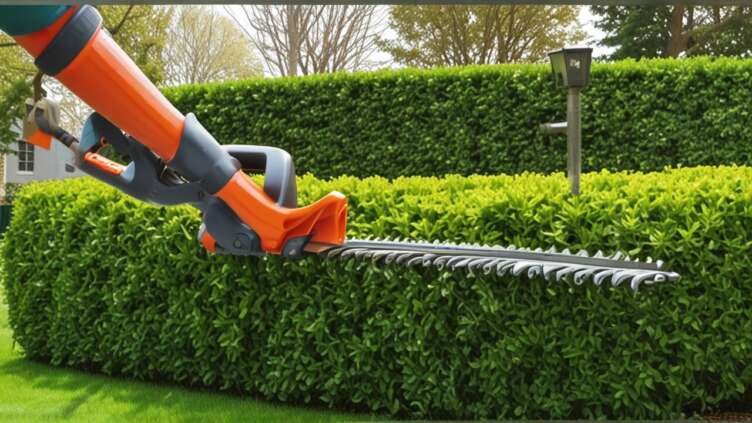
Which One Should You Choose?
Your choice depends on your specific needs and property situation. Here is a simple decision framework to guide you.
- Choose a gas hedge trimmer if: You have a large yard with dense, woody hedges. You need all-day runtime for heavy property maintenance. You are a professional landscaper. You do not mind doing mechanical engine maintenance.
- Choose a cordless hedge trimmer if: You have a typical suburban yard with manageable hedges. You value quiet operation and good neighbor relations. You want instant starting with zero hassle. You prefer low maintenance tools.
- Choose a cordless hedge trimmer if: You already own a battery platform from a specific brand. Buying a tool-only unit saves you significant money.
Common Myths vs Facts About Hedge Trimmers
Myth 1: Gas trimmers are always more powerful than cordless.
Fact: Modern high-voltage lithium-ion trimmers (40V to 80V) match or exceed the cutting power of many gas trimmers for typical residential use. Brushless motor technology has revolutionized cordless tool performance and torque delivery.
Myth 2: Cordless trimmers never last long enough to finish the job.
Fact: Current cordless models run for 45 to 90 minutes on a single charge. This covers most residential hedge trimming jobs. Most users finish their entire property before the battery runs out.
Myth 3: Gas trimmers are easier to maintain because you just add gas.
Fact: Gas trimmers require regular air filter cleaning, spark plug changes, fuel stabilizer additives, and carburetor maintenance. Cordless trimmers require almost no maintenance beyond blade cleaning and proper battery storage.
Frequently Asked Questions
How long does a cordless hedge trimmer battery actually last?
Most cordless hedge trimmers run for 45 to 90 minutes on a full charge. Runtime depends on the battery capacity (Ah) and the thickness of the branches you are cutting. Larger batteries with higher amp-hour ratings last longer.
Are gas hedge trimmers being phased out by law?
Some states like California have passed legislation to phase out the sale of new gas powered lawn equipment for environmental reasons. Gas trimmers are still widely available and legal to own in most areas at this time.
Can a cordless hedge trimmer cut thick branches like a gas model?
Yes, many high-voltage cordless models can cut branches up to 1 inch thick. Always check the blade gap specification before purchasing. A 7/8 inch gap is excellent for thick growth.
What should I look for when buying a hedge trimmer?
Look for blade length, blade gap size, motor type (brushless is best), and battery voltage (if cordless). A 24 inch blade provides good reach. Brushless motors offer better power and longer lifespan.
Do I need ear protection for a cordless hedge trimmer?
Most cordless hedge trimmers operate at 75 to 85 decibels. This is significantly quieter than gas models. While ear protection is not strictly required for short use, it is still a good practice for extended trimming sessions.
Final Thoughts
Gas hedge trimmers still rule for extreme conditions and all-day commercial work. Cordless hedge trimmers win on convenience, noise reduction, and minimal maintenance. For the vast majority of homeowners, a modern cordless hedge trimmer provides the best balance of performance and practicality. Consider your specific landscape needs and make the switch to save time and effort.