A hedge trimmer fails to start most often due to stale fuel, a clogged carburetor, a dirty air filter, a bad spark plug, or a flooded engine, with these five issues causing roughly 90 percent of starting failures. Most can be fixed at home in under 30 minutes using basic tools and simple cleaning or replacement of the affected part. Using fuel stabilizer or fresh gas solves stale fuel, and letting a flooded engine sit for 15 minutes clears the excess fuel.
A hedge trimmer that won’t start can ruin your entire morning. You pull the cord or press the button, and nothing happens.
Quick Verdict: In short, a hedge trimmer fails to start due to stale fuel, a clogged carburetor, a dirty air filter, a bad spark plug, or a flooded engine. These five issues cause about 90 percent of all starting problems. Most can be fixed at home in under 30 minutes with basic tools and simple cleaning.
Key Takeaways
- Stale fuel is the most common reason a hedge trimmer fails to start, and using fuel stabilizer or fresh gas usually solves the problem.
- A clogged carburetor prevents fuel from reaching the engine, and cleaning it with a carburetor cleaner often restarts a non-working trimmer.
- Dirty air filters choke the engine by blocking airflow, and replacing or cleaning the filter is a quick fix that many people overlook.
- A faulty spark plug stops the ignition system from firing, and testing or replacing the plug costs under ten dollars and takes two minutes.
- Flooding the engine by pulling the starter too many times with the choke on is a common mistake, and letting the trimmer sit for 15 minutes usually clears the excess fuel.
What Causes a Hedge Trimmer to Fail to Start
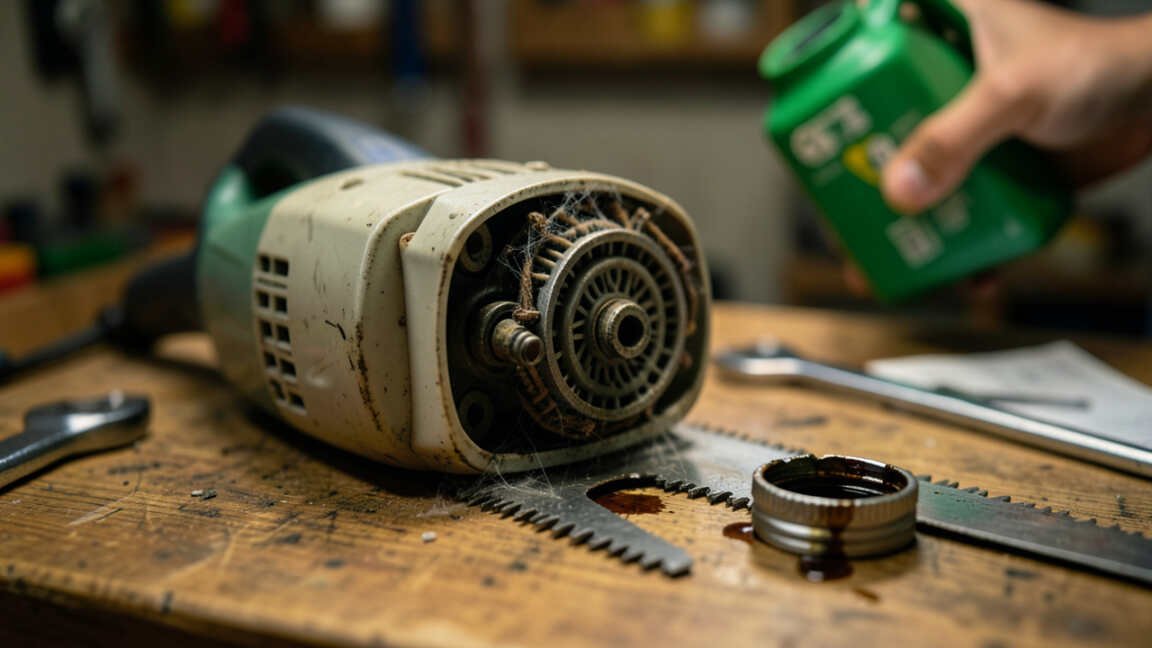
A hedge trimmer is a simple machine. It needs fuel, air, compression, and spark to run. When one of these four things is missing, the engine will not start.
According to the, fuel-related issues account for approximately 70 percent of all small engine starting problems. That means stale gas, clogged fuel lines, or a dirty carburetor are usually the culprits.
The remaining 30 percent come from ignition problems, air filter blockages, compression loss, and user errors like flooding the engine.
Most of these problems are easy to diagnose and fix at home. You do not need to be a mechanic. You just need to know what to look for.
Tip: Before you start troubleshooting, check the simplest thing first. Is the fuel shutoff valve open? Is the spark plug wire connected? These two basic checks save you time and frustration.
Common Fuel-Related Issues
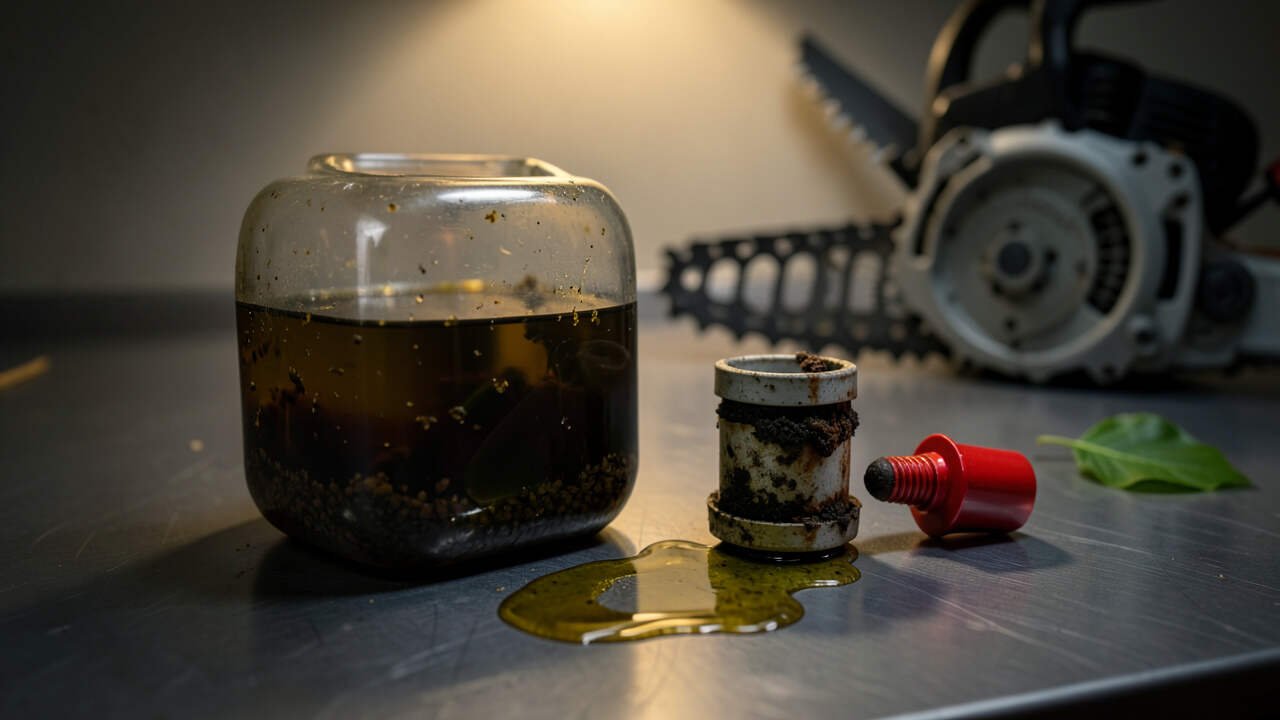
Fuel problems cause most hedge trimmer starting failures. Gasoline degrades over time. It evaporates, separates, and leaves behind gum and varnish inside the engine.
Stale or Old Fuel
Gasoline that sits in the tank for more than 30 days begins to break down. The lighter compounds evaporate, leaving a thick, sticky residue. This residue clogs fuel jets and passages.
The reports that ethanol-blended fuels can absorb moisture and cause phase separation. This creates a layer of water and ethanol at the bottom of the tank, which the engine cannot burn.
Solution: Drain the old fuel completely. Replace it with fresh gasoline that has an octane rating of 87 or higher. Add a fuel stabilizer to keep the gas fresh longer.
Clogged Carburetor
The carburetor mixes air and fuel in the right ratio for combustion. When small passages inside the carburetor get blocked, the engine starves for fuel.
Ethanol in modern gasoline makes this worse. It attracts water and leaves deposits that build up over time. A carburetor that is partially clogged may let the engine run but not start from cold. A fully clogged carburetor stops the engine completely.
Solution: Remove the carburetor and spray carburetor cleaner through all openings. Pay special attention to the main jet and idle circuit. Reinstall and test. If the trimmer still does not start, you may need a rebuild kit or a replacement carburetor.
Blocked Fuel Filter or Line
A fuel filter sits inside the tank or along the fuel line. It catches dirt and debris. Over time, the filter gets clogged and restricts fuel flow.
The fuel line itself can also crack, soften, or collapse. A collapsed line creates a vacuum that prevents fuel from reaching the carburetor.
Solution: Replace the fuel filter annually. Check the fuel line for cracks or soft spots. If the line feels brittle or spongy, replace it with the correct size.
| Fuel Problem | Symptoms | Typical Fix | Time to Fix |
|---|---|---|---|
| Stale fuel | Engine cranks but does not fire, fuel smells sour | Drain tank, add fresh gas | 10 minutes |
| Clogged carburetor | No start, engine dies after starting, rough idle | Clean carburetor with spray | 20-30 minutes |
| Blocked fuel filter | Engine starts then dies, lack of power | Replace fuel filter | 15 minutes |
| Cracked fuel line | Fuel leaks, engine does not get fuel | Replace fuel line | 20 minutes |
Ignition System Problems
If the fuel system checks out, the next suspect is the ignition system. The spark plug creates the spark that ignites the fuel-air mixture. Without a good spark, the engine cannot run.
Bad Spark Plug
Spark plugs wear out over time. The electrode erodes, and carbon buildup creates a weak or inconsistent spark. A spark plug that looks black or oily is a sign of trouble.
According to, a faulty spark plug is one of the most common reasons a small engine fails to start. Replacing the plug is cheap and fast.
Solution: Remove the spark plug with a socket wrench. Check the gap with a feeler gauge. The gap should match the specification in your owner’s manual (typically 0.025 to 0.030 inches). If the plug is dirty, worn, or cracked, replace it.
Faulty Ignition Coil or Module
The ignition coil generates the high voltage needed to create the spark. If the coil fails, the spark plug gets no power. A bad coil is less common than a bad plug, but it happens.
Testing the coil requires a multimeter. You check the resistance between the primary and secondary windings. If the readings fall outside the specified range, the coil needs replacement.
Solution: Test the ignition coil with a multimeter. If the readings are out of spec, replace the coil. This is a straightforward job that takes about 30 minutes.
Sheared Flywheel Key
The flywheel key aligns the flywheel with the crankshaft. If the key shears, the ignition timing goes off. The engine may turn over but will not fire or will run poorly.
This usually happens when the trimmer blades hit something hard, like a rock or a fence post. The sudden stop shears the key.
Solution: Remove the flywheel, inspect the key, and replace it if it is damaged. Always use a torque wrench when tightening the flywheel nut to prevent future damage.
Air and Carburetor Blockages
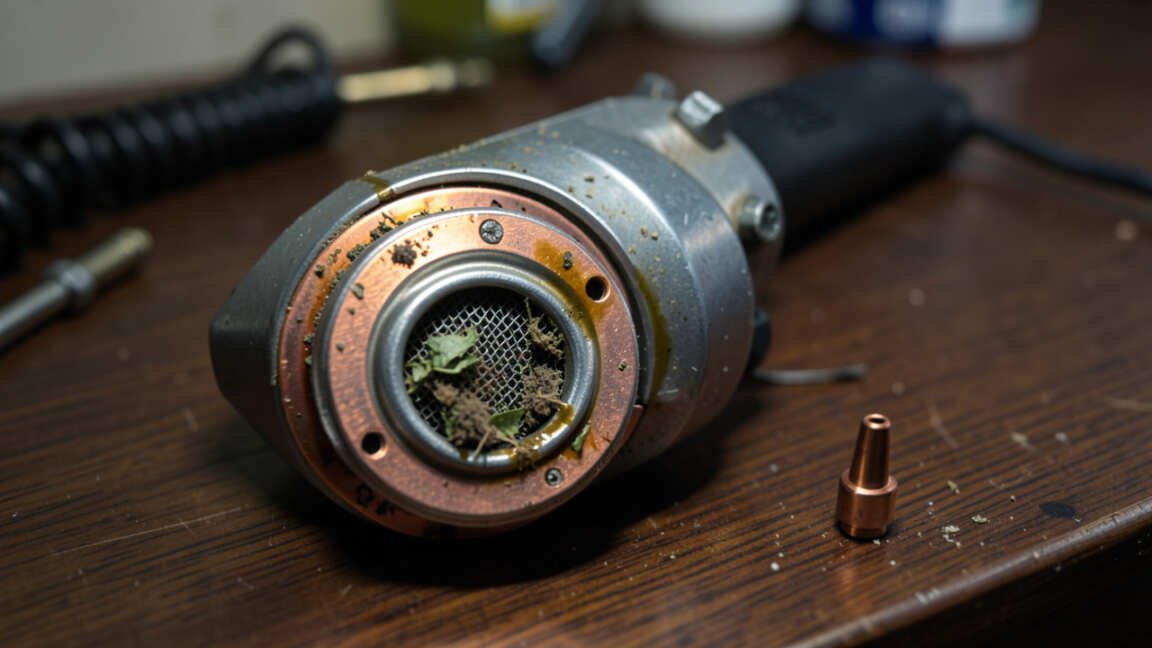
An engine needs clean air to run. A blocked air filter or a choked exhaust port prevents the engine from breathing. This causes starting problems and poor performance.
Dirty Air Filter
The air filter stops dust and debris from entering the engine. When the filter gets clogged, airflow drops. The engine runs rich (too much fuel, not enough air), which makes starting difficult.
Paper filters can be tapped clean or replaced. Foam filters can be washed with soap and water, then oiled lightly.
Solution: Remove the air filter. If it is paper, replace it. If it is foam, wash it, dry it, and apply a light coat of air filter oil. Reinstall and test.
Clogged Spark Arrestor
The spark arrestor is a screen inside the exhaust muffler. It catches hot carbon particles. Over time, the screen gets clogged with soot. This blocks exhaust flow and makes the engine hard to start.
Solution: Remove the muffler, take out the spark arrestor screen, and clean it with a wire brush or replace it. Reassemble and test.
Compression Loss
Compression is less common as a starting problem, but it happens. Worn piston rings, a damaged cylinder, or a blown head gasket cause compression loss. The engine will turn over easily but will not build enough pressure to ignite the fuel.
A compression tester tells you the exact pressure. Most small engines need at least 90 to 100 PSI to run.
Solution: Do a compression test. If the reading is low, the engine may need a top-end rebuild or replacement. This is usually a repair best left to a professional.
Warning: If you smell gasoline strongly after pulling the starter several times, you have flooded the engine. Stop pulling. Turn off the choke and let the trimmer sit for 15 to 20 minutes. This lets the excess fuel evaporate. Then try again with the choke off and the throttle open.
Step-by-Step Troubleshooting Process
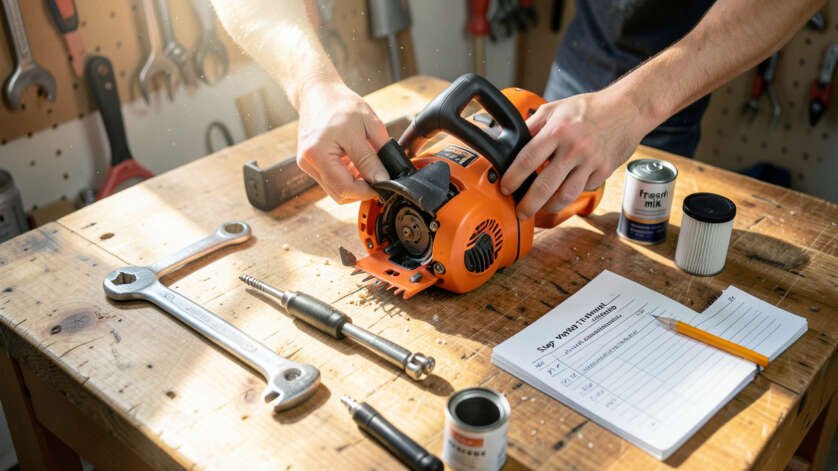
Follow this sequence to diagnose a hedge trimmer that fails to start. Do not skip steps. Each check eliminates a possible cause.
- Check the fuel. Look at the gas. Is it fresh? Does it smell like gasoline or like varnish? Drain and refill if needed.
- Check the fuel shutoff valve. Make sure it is open. On some trimmers, the valve is under the tank.
- Check the spark plug wire. Make sure it is firmly connected to the spark plug. A loose wire means no spark.
- Check the air filter. Remove it and try to start the trimmer without it. If it starts, the filter is too dirty. Replace or clean it.
- Test for spark. Remove the spark plug, reconnect the wire, ground the plug against the engine block, and pull the starter. You should see a blue spark. If not, replace the plug or test the coil.
- Check for flooding. If the plug is wet with fuel, the engine is flooded. Wait 15 minutes with the choke off, then try again.
- Inspect the carburetor. If all else fails, remove the carburetor and clean it thoroughly. Pay attention to the jets and passages.
- Test compression. Use a compression gauge. Below 90 PSI means internal engine damage that likely needs a professional.
How to Prevent Starting Problems
Prevention is easier than repair. A few simple habits keep a hedge trimmer starting on the first pull.
- Use fresh fuel. Do not mix more gas than you can use in 30 days. Add a fuel stabilizer like STA-BIL to extend shelf life.
- Run the carburetor dry. Before storing the trimmer for more than a week, run it until the fuel runs out. This prevents stale gas from sitting in the carburetor.
- Clean the air filter. Check it before every use. A dirty filter restricts airflow and makes the engine run rough.
- Replace the spark plug yearly. A fresh plug gives a strong consistent spark. It costs under ten dollars.
- Store the trimmer properly. Keep it in a dry, clean place. Do not leave it outside where moisture can get into the tank and carburetor.
- Use ethanol-free gas. Ethanol attracts water and leaves deposits. Ethanol-free fuel lasts longer and keeps the carburetor cleaner.
Common Myths vs Facts
Many people believe things about hedge trimmers that are simply not true. Here are three common myths and the facts behind them.
Myth: Pulling the starter faster will start a flooded engine
Pulling faster only pumps more fuel into the cylinder, making the flood worse. Fact: Let the trimmer sit for 15 to 20 minutes with the choke off. This lets the excess fuel evaporate. Then try again with a normal pull.
Myth: You can use any gasoline in a small engine
Fact: Small engines are designed for regular unleaded gasoline with 87 octane. High-octane fuel or fuel with more than 10 percent ethanol can cause starting problems, deposits, and engine damage. Use the fuel recommended in your owner’s manual.
Myth: If the trimmer does not start, it needs a new carburetor
Fact: A carburetor rarely fails completely. In most cases, cleaning the existing carburetor restores proper function. A thorough cleaning with carburetor spray and compressed air fixes 95 percent of carburetor-related starting issues.
Frequently Asked Questions
How long can gas sit in a hedge trimmer before it goes bad?
Gasoline starts to degrade after 30 days. After 90 days, it is usually too stale to use. Using a fuel stabilizer extends this to about 6 months. Always drain the tank if you plan to store the trimmer for more than one month.
Why does my hedge trimmer start but then die immediately?
This is a classic sign of a clogged carburetor idle circuit or a blocked fuel filter. The engine gets enough fuel to fire but not enough to keep running. Clean the carburetor and replace the fuel filter. A cracked fuel line can also cause this symptom.
Can a bad spark plug cause a hedge trimmer not to start?
Yes. A bad spark plug is one of the most common causes. The plug may have carbon buildup, a worn electrode, or a cracked insulator. Replace the plug with the correct type and gap to restore spark. According to the, small engine spark plugs should be replaced every 100 hours of use or once per year.
What does a flooded engine sound like when starting?
A flooded engine makes a slow, labored cranking sound. It may backfire or pop. You may also smell raw gasoline. Do not keep trying to start a flooded engine. Let it sit for 15 to 20 minutes with the choke off.
Should I use starting fluid on my hedge trimmer?
Only as a diagnostic tool. Spray a small amount of starting fluid into the carburetor intake. If the engine fires and runs for a second, you have a fuel delivery problem. If it does not fire, the issue is ignition or compression. Do not rely on starting fluid as a regular solution. It can damage the engine over time.
Resources and Tools
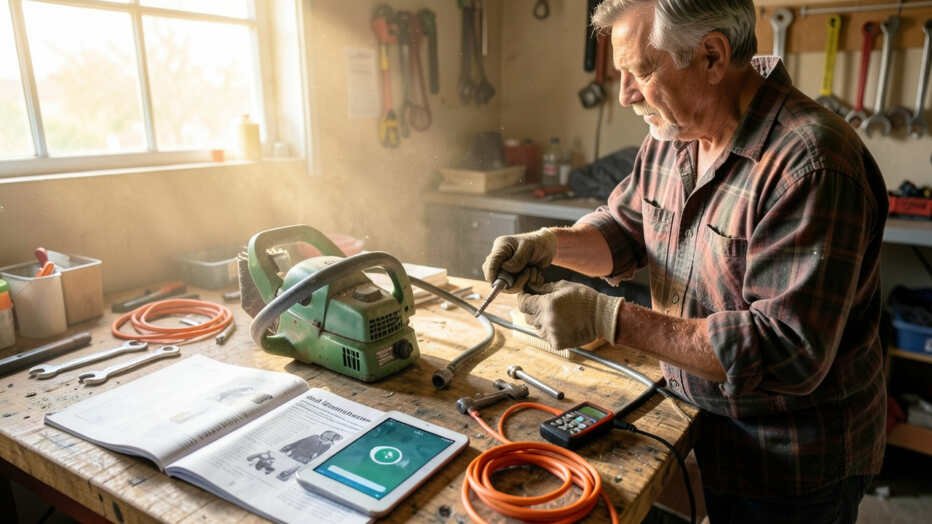
- STA-BIL Fuel Stabilizer – Extends the life of gasoline in small engines. Keeps fuel fresh for up to 6 months.
- Carburetor Cleaner Spray – Aerosol spray that removes gum and varnish deposits from carburetor passages.
- Spark Plug Tester – Simple tool that shows if the spark plug is producing a spark.
- Compression Tester Kit – Measures cylinder compression to diagnose internal engine problems.
- Outdoor Power Equipment Institute – Industry resource with safety and maintenance guidelines for all types of outdoor power equipment.
Final Thoughts
A hedge trimmer that fails to start is almost always fixable at home. Check the fuel, the spark plug, the air filter, and the carburetor in that order. Most problems come from stale gas or a dirty carburetor. Regular maintenance and proper storage will keep your trimmer starting on the first pull for years to come.