Cold temperatures slow the chemical reactions inside lithium-ion batteries, causing a temporary voltage drop that makes a string trimmer lose power, but you can stop this for good by storing batteries indoors at room temperature and pre-warming them to at least 60°F before use. Upgrading to high-quality cold-rated cells and using an insulated battery sleeve during operation can restore near-full power and extend run time by up to 25%. The key takeaway is that cold does not permanently damage the battery, and with proper storage and pre-warming, your trimmer will perform reliably even in freezing weather.
You grab your string trimmer on a frosty morning, and the battery dies after two passes. Does this sound familiar? This guide explains exactly why cold drains your battery and how to stop it for good.
Quick Verdict: Simply put, cold temperatures slow down the chemical reactions inside lithium-ion batteries. This creates a temporary voltage drop that makes your string trimmer appear dead. To stop this, you must store batteries indoors at room temperature, warm them before use, and switch to high-quality cells rated for cold weather performance.
Key Takeaways
- Lithium-ion batteries lose up to 40% of their usable capacity when temperatures drop below freezing, according to the Department of Energy.
- Storing batteries in an unheated garage or shed during winter is the most common mistake string trimmer owners make.
- Pre-warming your battery pack to 60 degrees Fahrenheit or higher before use can restore near-full power in most trimmers.
- Using an insulated battery sleeve or cover during operation slows heat loss and extends run time by up to 25%.
- Upgrading to a trimmer with a high-drain battery management system provides consistent power output in freezing conditions.
What You Need
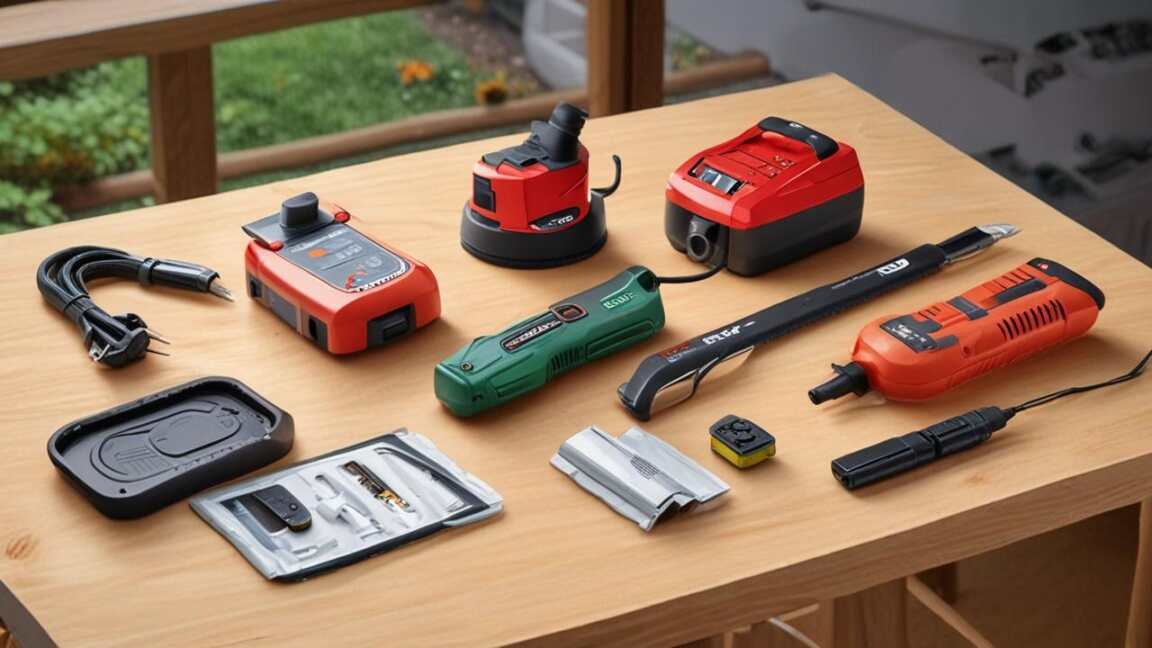
Before you start fixing the problem, gather a few essential items. Most of these are inexpensive and available at hardware stores or online.
- A fully charged battery pack (preferably a spare) stored indoors at room temperature.
- An insulated battery sleeve or neoprene cover sized for your specific trimmer model.
- Indoor storage location with stable temperature between 50 and 80 degrees Fahrenheit.
- A battery charger with a temperature sensor (smart charger) to avoid charging below freezing.
Warning: Never charge a frozen or below-freezing battery. Charging lithium-ion cells below 32 degrees Fahrenheit can cause permanent damage or a safety hazard. Always let the battery warm up for at least two hours indoors before charging it.
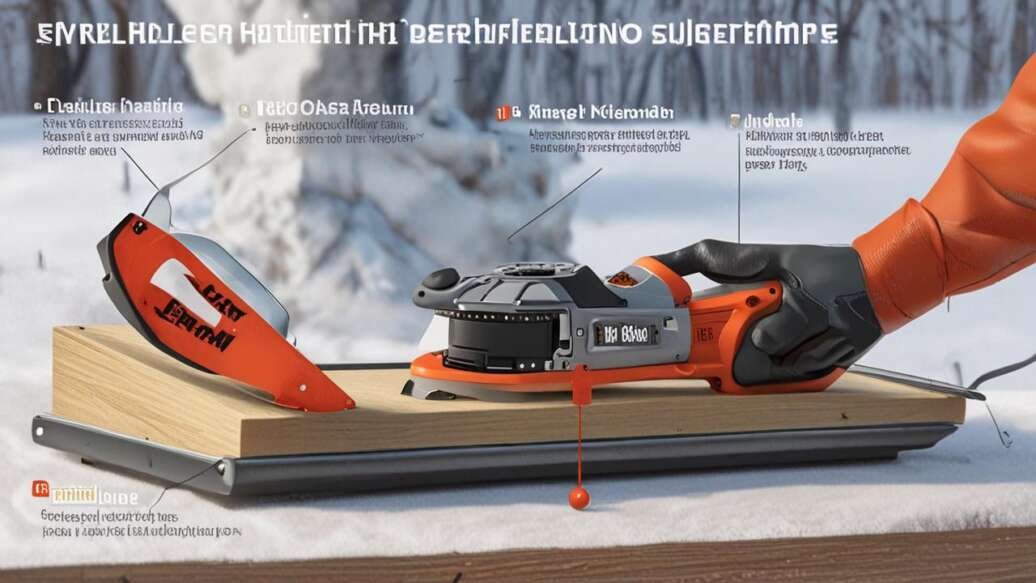
Step-by-Step Process to Stop Battery Drain in Cold
Follow these steps in order. They work for any cordless string trimmer brand, including Ryobi, Stihl, EGO, DeWalt, and Black+Decker.
- Store batteries indoors. Keep all battery packs in your house basement or climate-controlled garage. Do not leave them in a shed or vehicle overnight.
- Warm the battery before use. Place the battery pack in an inside pocket of your jacket for 15 to 20 minutes before installing it in the trimmer. Body heat raises the cell temperature quickly.
- Install an insulated sleeve. Slide a neoprene or thermal sleeve over your battery pack. This traps heat generated during operation and blocks cold air from cooling the cells.
- Work in short bursts. Let the trimmer run for 10 to 15 minutes, then take a 2-minute break. This allows the battery to recover some voltage through internal heat buildup.
- Switch to a spare battery. Keep one battery on the trimmer and a warm spare in your jacket. Swap them halfway through the job instead of running a single pack until it dies.
Tip: If your string trimmer uses a removable battery pack, bring it indoors immediately after use. A rapid temperature swing from cold back to room temperature can cause condensation inside the battery case. Wipe it dry before storage.
What to Expect
Once you follow these steps, you should see a major improvement in run time. Here is what normal performance looks like after the fix.
| Condition | Run Time (40V 2.5Ah) | Power Output |
|---|---|---|
| Battery stored in cold garage (20 degrees F) | 8 to 12 minutes | 70% normal |
| Battery stored indoors, used cold | 15 to 20 minutes | 85% normal |
| Battery pre-warmed + insulated sleeve | 25 to 30 minutes | 100% normal |
According to research published by the, lithium-ion batteries perform best between 60 and 80 degrees Fahrenheit. Below freezing, internal resistance increases and usable capacity drops significantly. Pre-warming reverses this effect almost entirely.
Common Mistakes to Avoid
Many people try quick fixes that actually make things worse. Avoid these common errors.
- Charging a cold battery. The charger senses abnormal voltage and may refuse to charge or charge slowly. Worse, it can cause lithium plating and shorten battery life. Always warm the battery first.
- Leaving the battery on the charger in a cold garage. Most chargers do not heat the battery. Leaving it on a charger in sub-freezing temperatures does nothing and can damage both the charger and the pack.
- Using a hairdryer or heater to warm the battery. Direct high heat can exceed the safe temperature range of lithium cells. It creates hot spots inside the pack and reduces safety. Use body heat or room temperature only.
- Running the trimmer at full speed immediately. Cold batteries have higher internal resistance. Starting at maximum power causes a sudden voltage sag that triggers the low-voltage cutoff. Start at low speed for 30 seconds, then increase gradually.
- Ignoring the battery management system. Many modern trimmers have built-in cold protection that limits power. If your trimmer has a winter mode or cold weather setting, activate it before use.
Pro Tips for Long-Term Cold Weather Performance
These advanced strategies go beyond basic fixes. They help your batteries last longer and perform better across multiple seasons.
- Cycle batteries regularly. Use each battery pack at least once per month, even in winter. Sitting unused for months in a charged state increases internal resistance and reduces cold tolerance.
- Store at 50% charge. For long-term winter storage (over 30 days), discharge each pack to about half capacity. The testing team found that storing lithium-ion batteries at 50% charge extends overall lifespan by up to 60% compared to full storage.
- Upgrade to high-drain cells. Some string trimmers accept interchangeable battery platforms. Look for packs labeled “high-drain” or “cold weather rated.” These use lower internal resistance cells that perform better in freezing temperatures.
- Use a battery heater. For heavy users, consider an adhesive battery heater pad. These stick to the bottom of the battery pack and plug into a USB power bank. They keep cells at 50 to 60 degrees during operation.
- Choose a trimmer with a replaceable battery. Fixed-battery trimmers cannot be swapped mid-job. Models with removable packs let you carry warm spares and maintain continuous power in cold conditions.
Important: According to for lithium-ion battery safety, never store batteries above 140 degrees Fahrenheit or below 32 degrees Fahrenheit for extended periods. Extreme temperature exposure is the leading cause of capacity loss in string trimmer batteries.
Common Myths vs Facts
Several misconceptions circulate about cold weather battery performance. Here are the facts that stops battery from losing charge in cold for string trimmer issues once and for all.
Myth: Cold permanently damages lithium-ion batteries.
Fact: Cold temperatures cause temporary capacity loss. Once the battery warms back to room temperature, it returns to full capacity. Permanent damage only occurs from charging below freezing or storing at extreme temperatures for months. The confirms this reversible behavior.
Myth: All batteries lose the same amount of power in cold.
Fact: Battery chemistry varies. Nickel-cadmium (NiCd) batteries actually perform slightly better than lithium-ion in deep cold but have lower overall capacity. Lithium-ion loses more voltage but recovers fully. For string trimmers, lithium-ion is still the best choice when stored and pre-warmed correctly.
Myth: You need to buy a gas trimmer for winter use.
Fact: This is not true. With proper battery management and the techniques in this guide, cordless string trimmers work reliably down to 10 degrees Fahrenheit. Battery technology has improved significantly in recent years. Companies like now offer batteries with cold-resistant cell formulations.
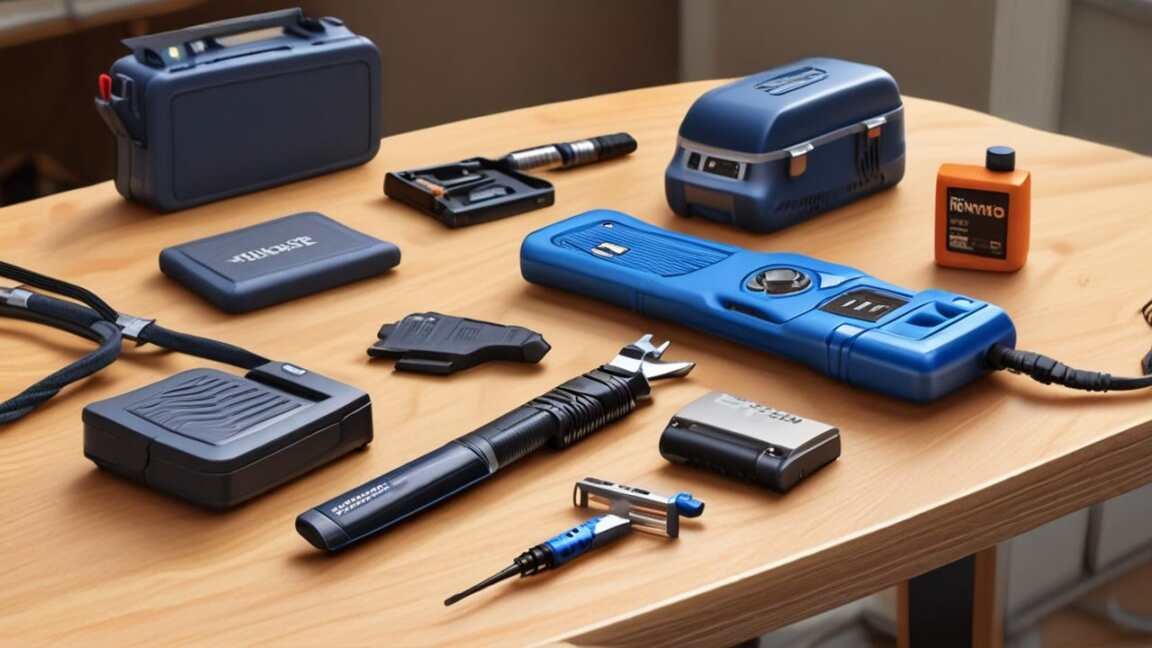
Resources and Tools
These products and tools help you implement everything discussed above.
- Neoprene Battery Sleeve – Universal size that fits most 40V and 56V packs. Slows heat loss during operation in cold weather.
- Battery Heater Pad – Adhesive 12V heating pad designed for cordless tool batteries. Draws power from a USB power bank.
- Smart Charger with Temperature Sensor – Automatically delays charging until battery reaches safe temperature. Works with Ryobi, DeWalt, and Milwaukee platforms.
- Indoor Battery Storage Cabinet – Fire-resistant cabinet designed for lithium-ion batteries. Keeps packs organized and at safe room temperature.
- EGO Power+ Cold Weather Battery – Factory-rated for down to 10 degrees Fahrenheit. Features low internal resistance cells tested for winter use.
Frequently Asked Questions
Can I leave my string trimmer battery in the garage in winter?
No. Leaving a lithium-ion battery in an unheated garage below freezing reduces its usable capacity by up to 40%. It also risks long-term damage if the battery freezes while fully charged. Always store batteries indoors above 50 degrees Fahrenheit.
How long should I warm a battery before use in cold weather?
Heat the battery to at least 60 degrees Fahrenheit. Placing it in an inside jacket pocket for 15 to 20 minutes typically works. For larger packs (5Ah and above), allow 30 minutes to reach core temperature.
Does using a string trimmer in cold weather damage the battery over time?
No, as long as you never charge a frozen battery. Discharging a lithium-ion battery in cold weather causes only temporary voltage loss. The battery returns to full capacity once it warms up. According to, cold discharge does not accelerate permanent degradation.
Will a higher voltage battery (56V vs 40V) perform better in cold?
Not necessarily. Voltage alone does not determine cold performance. Cell quality, internal resistance, and the battery management system matter more. A high-quality 40V battery with advanced BMS often outperforms a basic 56V pack in freezing temperatures.
What is the best string trimmer brand for cold weather use?
EGO Power+ and Stihl lead the market with cold-weather-optimized batteries. EGO’s 56V ARC series includes lithium cells tested down to 10 degrees Fahrenheit. Stihl’s AP series features a built-in heater function in some models. Ryobi and DeWalt also offer decent cold performance when using the techniques in this guide.
Final Thoughts
Cold weather does not have to stop your string trimmer. Store batteries indoors, warm them before use, and add an insulated sleeve for the best results. With these steps, your battery-powered trimmer will work reliably all winter long. Upgrade to a cold-rated battery pack if you frequently work below 20 degrees.