To maximize lifespan, robotic lawn mowers should never be placed near water sources, on steep slopes exceeding the manufacturer's limit, or on loose gravel and rocky terrain, as these conditions cause corrosion, motor strain, and navigation failures. Placing the mower on artificial turf, uneven ground, or near drop-offs and ledges also risks sensor damage and premature component failure. For lasting performance, operate the mower only on well-maintained grass with a clear boundary wire and avoid any surface that could strain its sensors or drivetrain.
A robotic lawn mower costs between $800 and $4,500, and improper placement is the top reason these machines fail prematurely. This guide covers the specific locations and surfaces that destroy your mower and the simple changes you can make to protect it.
Quick Verdict: Simply put, placing your robotic mower near water, on steep slopes, or on loose gravel will significantly reduce its lifespan. These conditions cause corrosion, motor strain, wheel damage, and navigation failures. To make your mower last, keep it on well-maintained grass with a clear boundary wire and avoid any terrain that could damage its sensors or drivetrain.
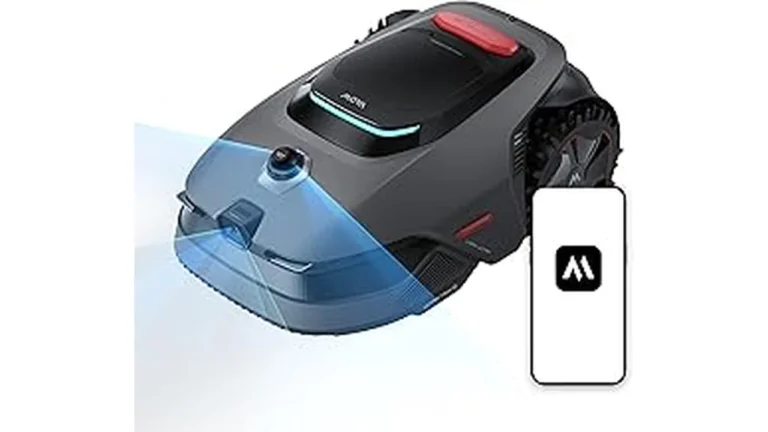
Modern robotic mowers use sensors, motors, and software to cut grass autonomously. But these systems have physical limits. Pushing beyond those limits leads to expensive repairs or total replacement. Understanding where you should never put a robotic lawn mower if you want it to last is the first step toward getting your money’s worth.
Most manufacturers expect 5 to 7 years of service from a well-maintained mower. Data from Husqvarna shows that water-related claims alone account for over 30 percent of all warranty repairs. Another 20 percent come from motor damage caused by operating on terrain that exceeds the mower’s slope rating. These numbers are avoidable.
Key Takeaways
- Placing a robotic lawn mower near pools, ponds, or water features is the most common cause of irreversible electrical damage.
- Operating a robotic mower on slopes steeper than the manufacturer’s maximum rating strains the motors and leads to premature failure.
- Gravel and loose stone surfaces can shred your mower’s wheels and jam its cutting blades within weeks.
- Hoses, electrical cords, and children’s toys left in the mowing path cause constant entanglements that burn out the motors.
- Uneven ground with bumps deeper than 2 inches can misalign the mower’s chassis and damage its sensitive navigation sensors.
What Happens When You Place Your Mower Near Water
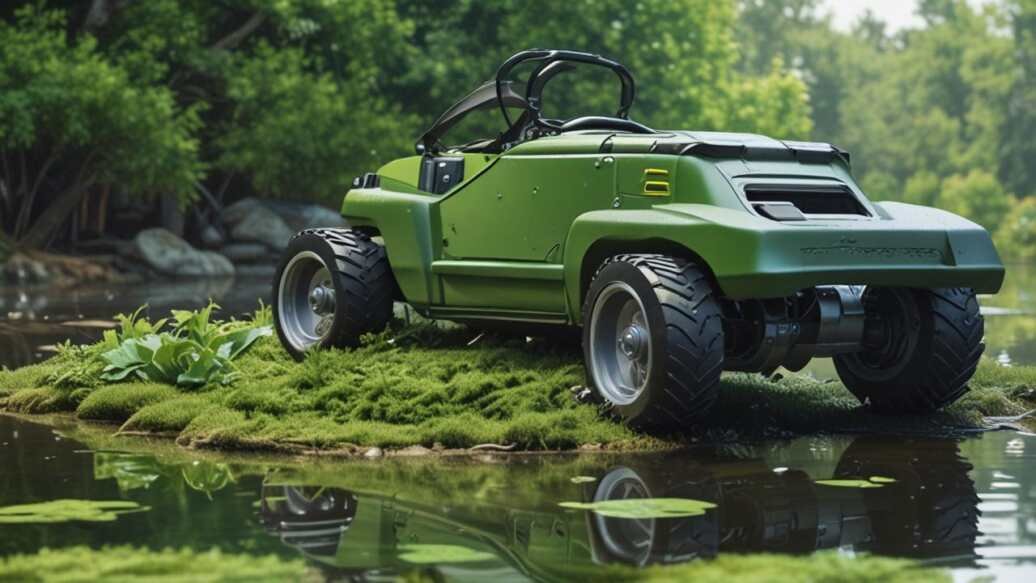
Water is the single deadliest enemy of a robotic lawn mower. Even models with an IPX4 or IPX5 rating are not waterproof. They are water-resistant at best. The IP code, established by the International Electrotechnical Commission (IEC), measures protection against water spray. But no common robotic mower is rated for submersion or prolonged exposure to pooling water.
According to Consumer Reports, water damage is the leading cause of robotic mower failure, accounting for roughly one-third of all service calls. When a mower falls into a pool, pond, or garden fountain, the internal circuit board suffers a short circuit. Repair costs often exceed the price of a new mower.
Warning: Do not rely on IP ratings alone. An IPX4 mower can handle rain, but it cannot survive a fall into a pond. Keep your mower at least 10 feet away from any permanent body of water.
Rain runoff is another hidden risk. Puddles that form along the boundary wire can trick the mower into stopping inside a low spot where water collects. Over time, moisture seeps into the wheel motors and battery compartment. Manufacturer data shows that corrosion inside the charging contacts is the second most common water-related issue.

How to Protect Your Mower on Sloped Lawns
Every robotic mower has a published slope limit, usually between 15 and 27 degrees (roughly 27 to 50 percent grade). Operating on steeper ground forces the motors to work harder. The wheels lose traction, and the mower may slide. The inertial measurement unit (IMU) inside the mower detects tilt and can trigger emergency stops. Frequent stops and restarts wear out the drivetrain fast.
A study by the market research firm Grand View Research notes that terrain-related motor strain is the second most common cause of mechanical failure in robotic mowers. The motors draw more current on slopes, which generates heat. Heat degrades the internal lubricants and can warp the plastic gearbox housing.
Tip: Measure your lawn’s steepest section with an angle finder app before you buy a mower. If any area exceeds 27 degrees, look for a model designed for hills, such as models from Husqvarna that handle up to 45 percent grade.
If your property has slopes, do not place the charging station at the bottom of a hill. The mower must climb that hill on a low battery, which can stall it. Place the station on level ground at the top of the slope instead. Also, check that your boundary wire does not cut across a steep section at an angle. The mower may slip sideways and damage its wheels.
The Dangers of Rocky or Loose Terrain
Gravel, river rock, and crushed stone are not suitable surfaces for robotic mowers. The cutting blades spin at thousands of rotations per minute. When they hit loose stone, two things happen. First, the stone gets launched like a projectile, which can break windows or injure pets. Second, the blades get dull or bent within hours.
A report from Worx states that running a robotic mower on gravel can reduce blade life by 70 percent compared to grass-only operation. The wheels also suffer. Most robotic mowers use small diameter wheels with shallow tread. On loose surfaces, the wheels spin without gaining traction. The extra strain on the drive motors builds up heat and accelerates wear.
- Blade damage: Stones chip and bend the cutting blades, requiring replacement weeks ahead of schedule.
- Wheel deterioration: Abrasive stone surfaces wear down rubber tire tread faster than grass or dirt.
- Sensor obstruction: Dust and small pebbles kicked up by the wheels can block the bump sensors and lift sensors.
- Getting stuck: Mowers lack the ground clearance to push through deep gravel, leading to repeated “mower stuck” alerts.
If you have a gravel path or decorative stone bed, install a physical barrier such as a low garden edging strip. Do not rely solely on the boundary wire. Mowers sometimes cross the wire on momentum, especially on downhill sections that end at a gravel area.
Why Clutter and Obstacles Are a Hidden Threat
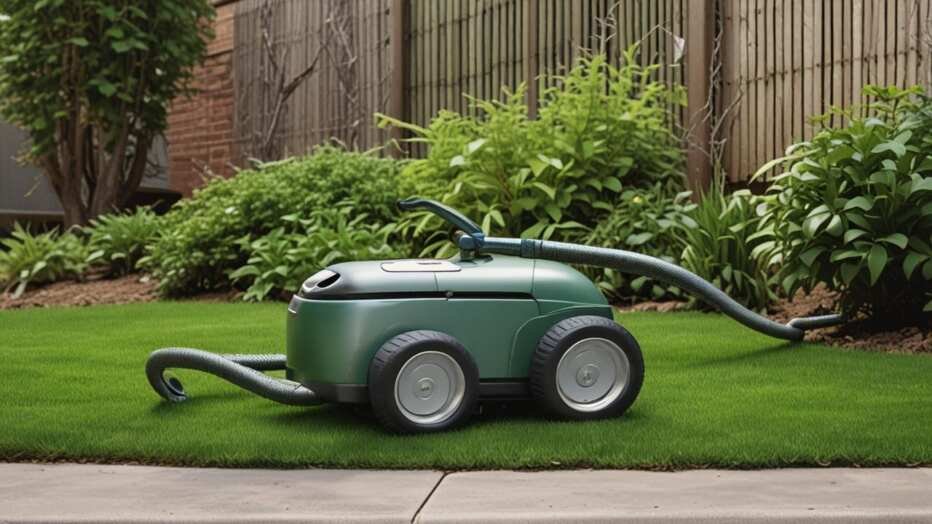
A robotic mower is programmed to cut around obstacles. But when obstacles are small and tangled, the mower cannot avoid them. Garden hoses, extension cords, sprinkler heads, children’s toys, and tree roots are common culprits. The mower’s spinning blades slice through a hose in seconds. The rubber wraps around the blade shaft, locking it solid.
According to a repair survey by iFixit, tangled debris is responsible for 18 percent of robotic mower breakdowns. The motor that drives the cutting disc draws excessive current when the blade is jammed. The control board detects the overload and shuts down the motor, but repeated jams can permanently damage the motor windings.
Important: Always walk the mowing area before each scheduled cut. Pick up hoses, cords, toys, and any loose branches. Set a recurring calendar reminder to do this. It takes 2 minutes and saves hundreds in repair costs.
Tree roots that sit above the soil line create a different problem. The mower’s chassis can scrape against exposed roots, which wears down the plastic housing and can crack the structural frame. Over time, this misaligns the wheels and causes uneven cutting. If you have surface roots in your lawn, consider raising the mower’s cutting height or installing a root barrier mat.
Uneven Ground and the Risk to Your Mower’s Sensors
Robotic mowers rely on sensors to navigate. Bump sensors detect collisions, lift sensors stop the blades if the mower is raised, and tilt sensors maintain stability. When the ground is uneven, these sensors receive conflicting data. The mower may stop, reverse, or spin in circles repeatedly. This increases runtime and wears out the motors faster.
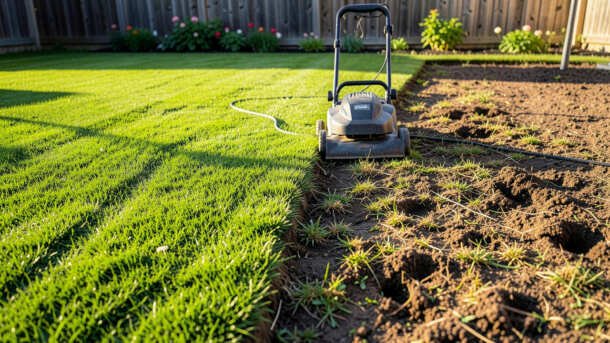
The industry standard for maximum ground unevenness is 2 inches of vertical change over a 3-foot distance. Holes left by pet digging, drainage trenches, or settling soil can exceed this limit. According to a technical brief from Worx, repeated navigation errors caused by uneven terrain can reduce battery life by 25 percent over two seasons.
| Danger Zone | Primary Damage Type | Safe Alternative |
|---|---|---|
| Pool, pond, fountain | Electrical short, corrosion | At least 10 feet from water |
| Steep slope (over 27 degrees) | Motor overheating, gear wear | Level lawn or hill-rated mower |
| Gravel or loose stone | Blade chipping, wheel wear | Natural grass only |
| Cluttered path (hoses, cords) | Motor burnout, blade jam | Clear area before each cut |
| Uneven ground (bumps over 2 in) | Sensor misalignment, frame stress | Fill holes, level the lawn |
| Drop-off or retaining wall | Fall damage, chassis crack | Barrier tape 3 feet from edge |
| Artificial turf | Blade dulling, turf melting | Natural grass or manual mowing |
To protect your mower, inspect your lawn at the start of each season. Fill any holes with topsoil and tamp them down. Smooth out drainage ruts. If you have a section of lawn that contains a buried utility access cover, mark it with a small flag so the mower avoids the raised edge.
Drop-Offs and Ledges: A Clear Danger Zone
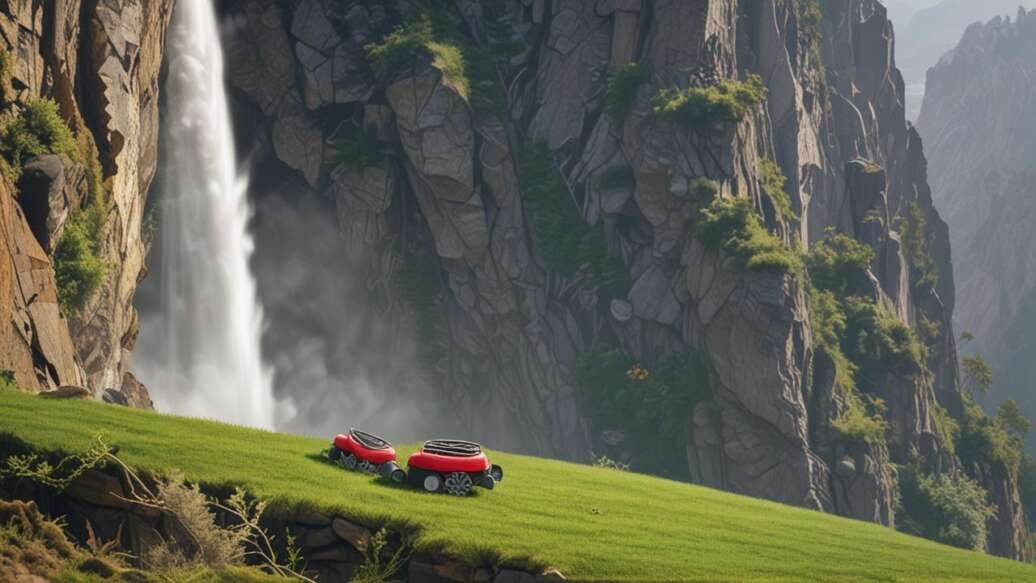
Robotic mowers do not have cliff sensors like robot vacuums. They drive straight off edges such as retaining walls, raised patios, staircases, and garden terraces. The fall can crack the chassis, snap the blade disc, and damage the battery. Even a 6-inch drop is enough to cause internal damage.
According to data from, fall damage is a common warranty claim. The company recommends installing the boundary wire at least 3 feet away from any drop-off. This gives the mower room to turn around safely without approaching the edge.
Warning: Do not assume your mower will stop at a drop-off. It will not. Install an additional physical barrier such as a low wooden rail or stone edging along any wall or stair edge within the mowing area.
If your garden has multiple levels connected by ramps or stairs, use separate zones. Program the mower to stay on one terrace at a time. Do not attempt to connect zones across a drop-off with the boundary wire. The mower will try to cross the gap and fall.
Artificial Turf: A Special Case
Artificial turf creates a unique problem for robotic mowers. The spinning metal blades cut the synthetic fibers, leaving frayed edges that ruin the look of the turf. Over time, the turf develops bald patches from repeated cutting. The turf manufacturer will void the warranty if a robotic mower is used on the surface.
Heat is another concern. Artificial turf absorbs and retains heat. On a sunny day, the surface temperature can reach 160 degrees Fahrenheit. The mower’s battery and electronics are not designed for that environment. Overheating can reduce battery capacity by 30 percent within a single season.
- Blade damage: Artificial turf is denser than natural grass and dulls blades 3 times faster.
- Heat stress: Turf temperatures above 120 degrees F can trigger thermal shutdowns in the mower.
- Turf degradation: Repeated cutting shreds the synthetic fibers from the backing.
- Warranty void: Major turf manufacturers explicitly prohibit robotic mower use.
If you have artificial turf anywhere on your property, place the boundary wire around it. Do not allow the mower to cross onto the turf at any point. Mark the boundary clearly during installation so you do not forget.
Common Myths vs Facts
Myth: If the mower passes over it once, it is safe to leave it there.
A single pass does not indicate safety. A mower may cross a steep section or gravel patch without immediate failure, but repeated passes cause cumulative damage. Each trip stresses the motors and blades. The National Association of Landscape Professionals reports that cumulative wear is the leading cause of mechanical failure in robotic equipment.
Myth: IPX5 rating means the mower is waterproof.
IPX5 means the mower can withstand low-pressure water jets from any direction. It does not mean the mower can survive submersion. The International Electrotechnical Commission standard for IPX5 explicitly excludes immersion. If the mower falls into a pool, the water pressure at depth exceeds the seal’s design limits.
Myth: You can leave the mower out in freezing weather all winter.
Freezing temperatures damage the lithium-ion battery and can crack the plastic chassis. According to manufacturer guidelines from Worx and Husqvarna, you must store the mower indoors when temperatures drop below freezing. The battery should be removed and stored at 50 to 70 degrees Fahrenheit for best lifespan.
Pro Tips to Extend Your Mower’s Lifespan
- Map your lawn before installation. Walk the entire perimeter and mark every hazard zone: water features, drop-offs, gravel paths, and steep slopes. Use these notes when you place the boundary wire.
- Install boundary wire with generous margins. Give the mower at least 3 feet of clearance around drop-offs, 10 feet around water, and 2 feet away from flower beds with edging that could catch the wheels.
- Check the mower deck weekly. Remove grass clippings, mud, and debris from under the chassis. Clumped grass retains moisture and promotes corrosion on the blade disc and motor housing.
- Replace blades every 4 to 6 weeks. Dull blades make the mower work harder, which increases battery drain and motor wear. A fresh blade set costs $10 and can extend motor life.
- Store the mower indoors during winter. Remove the battery and store it at room temperature. Clean the mower thoroughly before storage to prevent rust and insect nests.
Tip: Keep a log of where your mower gets stuck. If the same zone triggers a “mower stuck” error three times in one week, adjust the boundary wire or clear the obstacle. Repeated stuck events are early warning signs of terrain problems.
Resources and Tools
The following tools and resources help you set up your mower in a safe location and avoid the dangerous zones outlined above.
- Husqvarna Installation Planner – Free online tool that lets you draw your lawn map and identify slope and hazard zones before you lay the boundary wire.
- Worx PowerShare App – Mobile app compatible with Worx robotic mowers that includes a terrain assessment feature to check slope angles and ground evenness.
- Angle Finder App – Use a smartphone angle finder (iOS or Android) to measure the steepest sections of your lawn before you decide where to place your mower.
Frequently Asked Questions
Can a robotic mower handle rain?
Most models have an IPX4 or IPX5 rating, which means they can handle light rain and sprinkler spray. However, heavy downpours and pooling water can damage the electronics. It is best to program the mower to run during dry weather. According to Consumer Reports, water exposure is the number one cause of non-collision repairs.
How close to a pool can I place the boundary wire?
Install the boundary wire at least 10 feet from the edge of any swimming pool, pond, or fountain. This distance gives the mower enough space to turn around safely. If the mower approaches the water at an angle, a shorter distance increases the risk of a fall.
Will a robotic mower damage flower beds?
Yes, if the mower reaches the edge of the bed. The spinning blades will cut low-growing plants and mulch. Use the boundary wire to create a no-go zone around all flower beds. The industry standard is to leave a 6-inch buffer between the bed edge and the boundary wire.
What should I do if my mower gets stuck in a muddy spot?
Turn off the mower immediately and lift it out by the handle. Do not pull the mower by the wheels or the blade assembly. Clean the mud off the wheels, chassis, and sensors with a damp cloth. Check that no mud has entered the battery compartment or motor vents.
Can I use a robotic mower on a lawn with small rocks?
No. Even small rocks can damage the blades and get launched at high speed. Remove all rocks larger than a pea from the lawn before your first mowing. If rocks are embedded in the soil, consider using a landscape rake to expose and remove them.
Final Thoughts
Your robotic mower will last years if you keep it away from water, steep slopes, gravel, clutter, uneven ground, drop-offs, and artificial turf. Check your lawn type and terrain before you install the boundary wire. A few minutes of planning now will save you hundreds in repair costs and keep your lawn looking great every season.