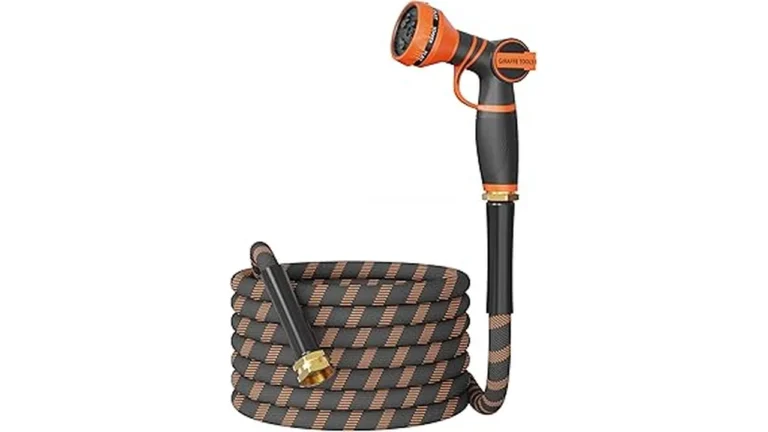
For a small yard under 500 square feet, a garden hose is worth buying because it saves time and eliminates the need to carry heavy watering cans while providing better reach and water pressure. A 25-foot hose with a spray nozzle can water a 300-square-foot garden in under five minutes and typically costs between $15 and $30. Using a hose with a shut-off nozzle uses up to 50% less water than a watering can, making it both convenient and water-efficient for small spaces.
A garden hose is a flexible tube used to carry water from a spigot to plants, lawns, and outdoor areas. For small yards under 500 square feet, you might wonder if buying a hose is worth the money and storage space.
Simply put, a garden hose is worth buying for most small yards because it saves time, reaches every corner without lugging heavy watering cans, and lets you control water flow precisely. A 25-foot hose with a spray nozzle costs less than $25 and can water a 300-square-foot garden in under five minutes.
Key Takeaways
- A 25-foot garden hose is ideal for small yards under 500 square feet and costs between $15 and $30.
- Using a hose with a shut-off nozzle uses up to 50% less water than a watering can, according to the.
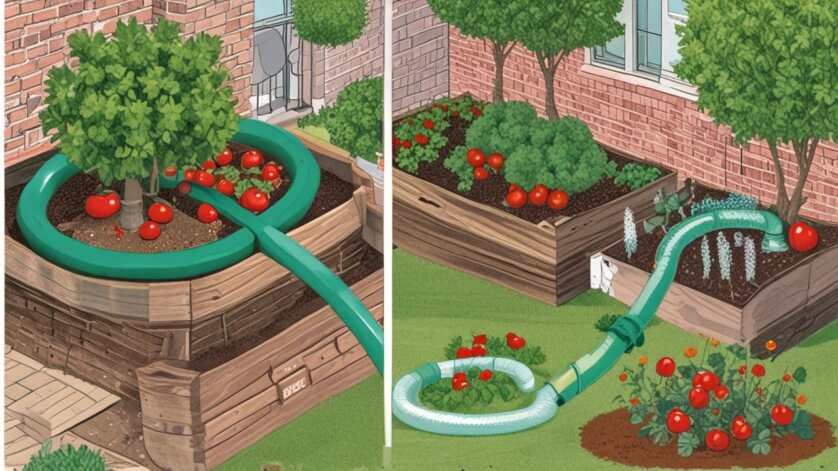
- Storing a hose in a small yard is easy with wall-mounted hangers or compact retractable reels.
- Hoses provide better water pressure and reach compared to watering cans, especially for containers and raised beds.
- For yards smaller than 100 square feet, a watering can or a 6-foot hose may be more practical.
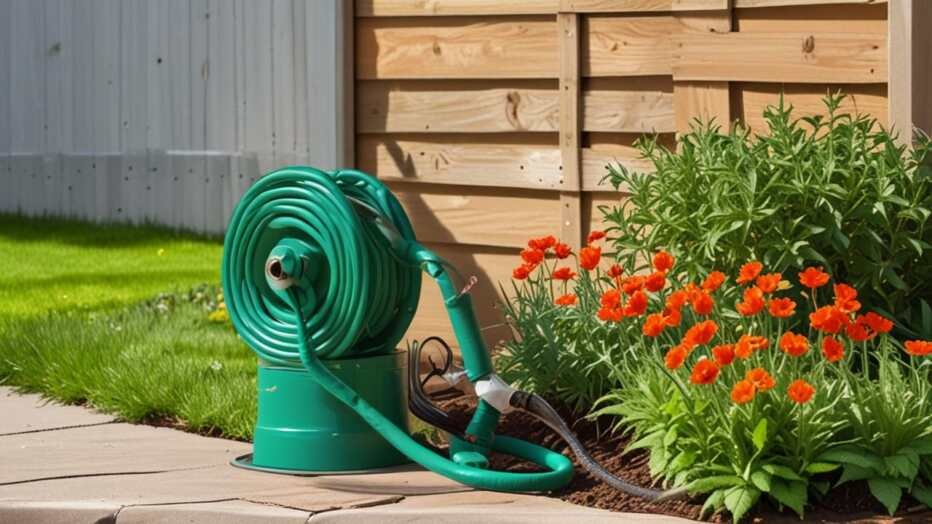
The Pros and Cons of Using a Garden Hose in a Small Yard
Important: The size of your yard directly affects whether a hose is a convenience or a nuisance. A 75-foot hose in a 200-square-foot yard creates clutter and tripping hazards.
Before you decide, weigh these advantages and drawbacks of using a hose in a compact space.
Pros of a Garden Hose for Small Yards
- You can water every plant without moving the spigot or refilling a can.
- Adjustable nozzles let you switch from a gentle mist for seedlings to a strong jet for cleaning.
- Hoses attach to sprinklers, soaker hoses, and pressure washers for added functionality.
- Lightweight vinyl hoses cost very little and take up minimal space when coiled.
Cons of a Garden Hose for Small Yards
- Improper storage leads to kinks, tangles, and shortened lifespan.
- Excess hose length must be wrangled out of the way.
- Watering a tiny patio or balcony may feel like overkill compared to a simple can.
- Fittings can leak if not tightened, wasting water on pavement.
Quick Comparison: Hose vs. Other Watering Methods
| Method | Cost | Water Efficiency | Best For |
|---|---|---|---|
| Garden hose (25 ft) | $15 – $30 | High with nozzle | Small yards, containers, cleaning |
| Watering can (2 gal) | $8 – $20 | Moderate – manual | Balconies, tiny patios, few pots |
| Soaker hose | $10 – $25 | Very high – slow drip | Vegetable beds, flower borders |
| Drip irrigation kit | $25 – $60 | Highest – targeted | Permanent plantings, mixed containers |
According to the, homes that water landscapes use about 9 billion gallons of water daily. Using a hose with an automatic shut-off nozzle can cut outdoor water use by 30% compared to leaving the hose running.
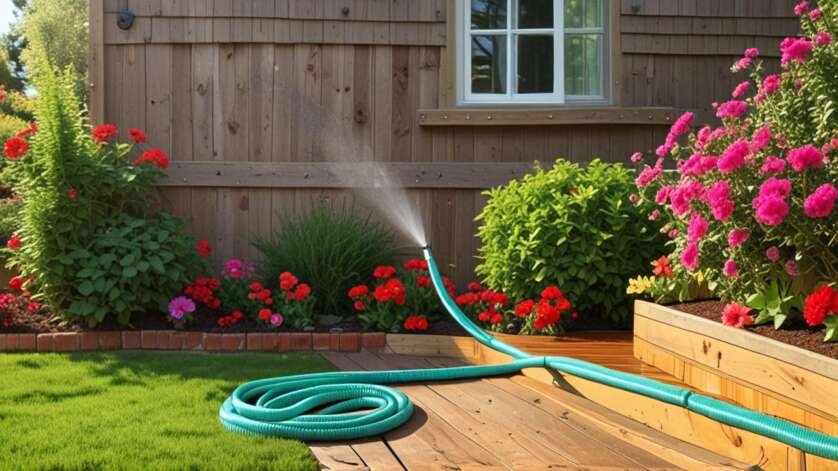
When Is a Garden Hose Worth It for a Small Yard?
A hose makes sense when you have multiple tasks beyond just watering. Here are clear cases where a hose pays off.
- You water three or more containers daily. A hose with a pistol-grip nozzle waters ten pots in one minute. A watering can takes ten trips.
- You own a patch of lawn. Even a 200-square-foot lawn needs about 20 minutes of sprinkler time per week. A hose connects to a simple oscillating sprinkler for full coverage.
- You clean patios, cars, or tools. A hose does jobs a watering can cannot, like rinsing off a dirty bike or washing down a small deck.
- You plan to add a soaker hose or drip tape. These attachments require a hose connector to work.
Tip: If your outdoor space is a balcony under 50 square feet with only two or three pots, skip the hose. A watering can is quicker and stores flat.
Common Myths vs. Facts About Hoses for Small Yards
Myth 1: Hoses Waste More Water Than a Watering Can
Fact: A hose with a trigger nozzle uses less water per plant than a watering can because you aim exactly where needed. The reports that hand watering with a hose and shut-off nozzle can reduce outdoor water use by 33% compared to open-end hoses.
Myth 2: Small Yards Do Not Need a Hose at All
Fact: Even a 200-square-foot garden benefits from a hose. Carrying a watering can to the far corner adds strain and wasted steps. A 25-foot hose reaches every plant without moving your feet.
Myth 3: Hoses Are Expensive and Take Up Too Much Space
Fact: A basic 25-foot vinyl hose costs under $20 and coils to the size of a dinner plate. Wall-mounted hangers or folding reels keep it neat. A $15 hose can last three to five years with proper care.
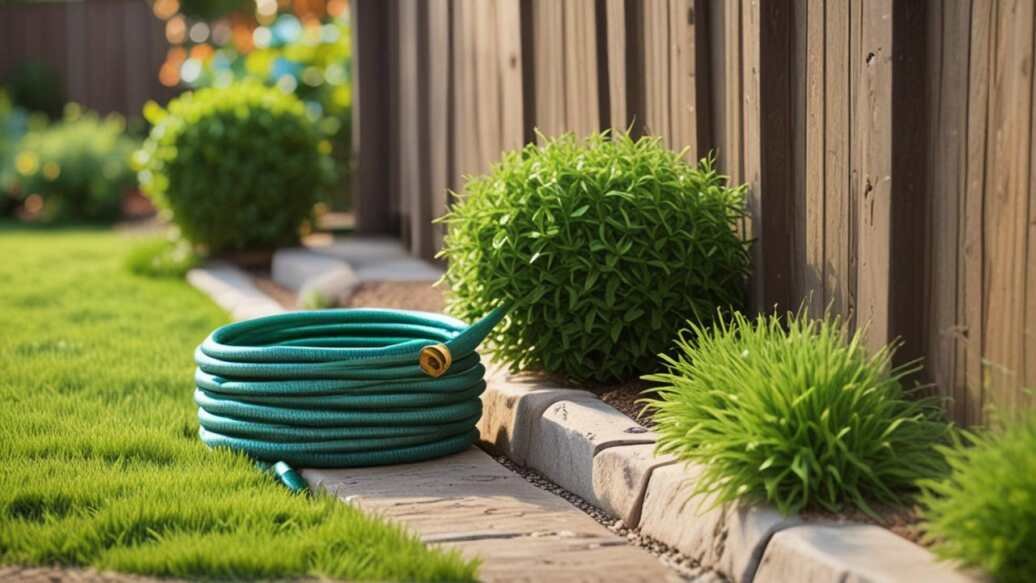
How to Choose the Right Hose for a Small Yard
Follow these steps to pick a hose that fits your space, budget, and watering style.
- Measure your yard. Walk from the spigot to the farthest plant. Add 5 feet for slack. For a small yard, 25 feet is usually enough. Never buy a hose longer than you need.
- Pick a material. Vinyl is lightweight, cheap, and fine for light use. Rubber or reinforced polyurethane resists kinks and sunlight better for long-term use.
- Choose a diameter. 5/8-inch is standard and provides enough flow for sprinklers. 1/2-inch is lighter and fine for hand watering only. 3/4-inch is overkill for small yards.
- Select fittings. Brass fittings last longest and resist leaks. Plastic fittings are cheaper but break easily. Look for a rubber washer inside the connector.
- Add a nozzle. Buy a separate shut-off nozzle with adjustable spray patterns. Avoid cheap all-metal nozzles that rust.
- Plan storage. A wall-mounted hose hanger, a collapsible reel, or simple coil loops keep the hose off the ground and tangle-free.
Popular brands for small yards include Gilmour and Flexzilla for mid-range hoses, and Dramm for premium kink-resistant options.
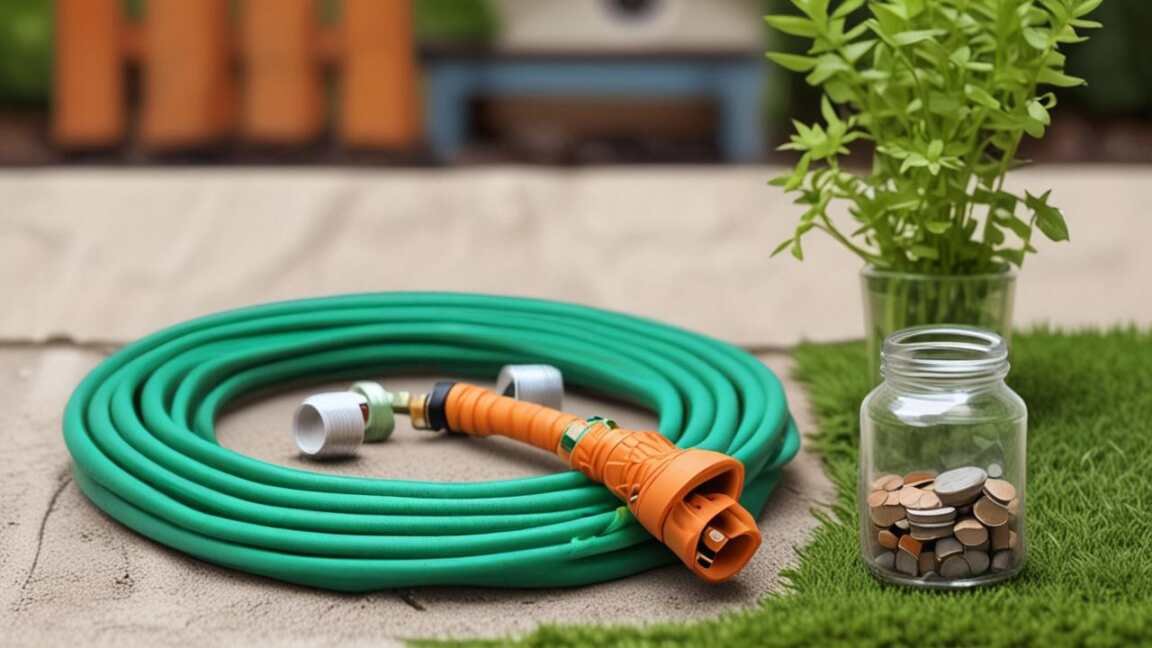
Cost Breakdown: Owning a Garden Hose for a Small Yard
| Item | Cost Range | Notes |
|---|---|---|
| Vinyl hose (25 ft) | $12 – $25 | Light duty, replace every 2-3 years |
| Rubber hose (25 ft) | $25 – $45 | Kink-resistant, lasts 5-7 years |
| Adjustable spray nozzle | $5 – $15 | Brass or aluminum is most durable |
| Wall hanger or reel | $10 – $35 | Keeps hose neat and off the ground |
| Total one-time investment | $27 – $95 | Cheaper than replacing water-damaged plants |
Most small-yard owners spend under $40 for a complete setup. That cost beats the hassle of hauling water or letting plants dry out.
Frequently Asked Questions
Does a short hose have lower water pressure?
No. Water pressure depends on your home’s supply and the hose diameter. A 25-foot hose actually gives you better pressure than a 100-foot hose because there is less friction loss.
Can I use a hose on a balcony without a spigot?
Yes, but you need a faucet adapter that connects to your kitchen or bathroom sink. Some people run a hose through a window, but it is rarely worth the setup for a small balcony.
How do I store a hose in a tiny space?
Use a wall-mounted hose hanger that holds the coil flat against the wall. Collapsible fabric hoses fold into a small bag and store in a closet. Avoid leaving hoses on the ground where they become tripping hazards.
Will a hose damage my plants by overwatering?
Only if you leave the water running. A nozzle with a trigger grip lets you stop flow instantly. The recommends using a shut-off nozzle to avoid waste.
What is the best hose length for a very small yard under 200 square feet?
A 25-foot hose works well. For yards under 100 square feet, a 6-foot hose or a 25-foot hose coiled neatly is fine. Avoid 50-foot hoses; they create unnecessary loops.
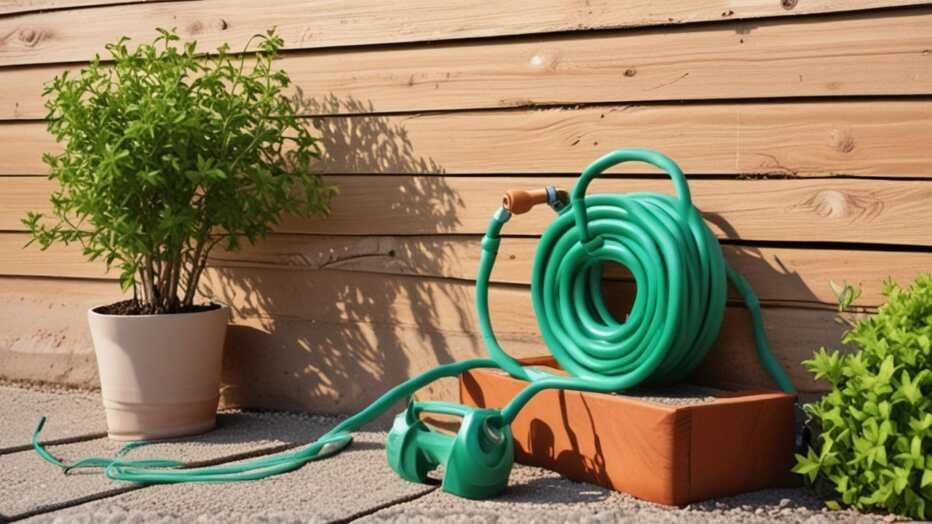
Resources and Tools
- Gilmour – Make vinyl and rubber hoses in lengths from 25 to 100 feet. Known for durable fittings.
- Flexzilla – Produce lightweight, kink-resistant hybrid polymer hoses popular for small yards.
- EPA WaterSense – Offers guidelines for outdoor water efficiency and a product finder for certified nozzles and hoses.
- Dramm – Make premium brass nozzles and kink-free rubber hoses with a lifetime warranty.
Final Thoughts
A garden hose is worth buying for most small yards because it saves time, reaches every corner, and helps you control water use. Choose a 25-foot vinyl or rubber hose with a good shut-off nozzle. For the smallest balconies, a watering can remains the better choice, but for any yard large enough to need more than a few trips, investing in a hose pays off quickly.